

Партнерка на США и Канаду по недвижимости, выплаты в крипто
- 30% recurring commission
- Выплаты в USDT
- Вывод каждую неделю
- Комиссия до 5 лет за каждого referral
Проект урока по английскому языку в 10 классе
(профильный уровень)
Технологическая карта урока
Учитель:
Тема урока: Extreme sports
Тип урока: комбинированный тип – совершенствование лексических и грамматических навыков; и развитие умений говорения
Цель: Развитие диалогической речи учащихся по теме «Extreme sports» до уровня частично-подготовленного сверхфразового единства на основе прочитанной, прослушанной информации.
Задачи:
Предметные (образовательные):
1. Введение и отработка лексических единиц по теме;
2. Практическая отработка диалогической речи по теме с использованием опор и высказыванием своих собственных убеждений.
Метапредметные (развивающие):
1. Развитие познавательных способностей учащихся: умение находить нужную информацию, общее, сравнивать;
Личностные (воспитательные):
1. Формирование осознанного отношения к экстремальным видам спорта
Формы организации познавательной деятельности учащихся: фронтальная, индивидуальная, парная, групповая.
Оборудования: карточки с заданиями, компьютер, проектор, экран, магнитофон
Этап урока | Деятельность учителя | Деятельность ученика | Примечания | |||
Личностные УУД | Познавательные УУД | Коммуникативные УУД | Регулятивные УУД | |||
Вводно-мотивационный этап | Warm-up Look at the screen and say what these pictures have in common. Have you ever done any of them? Why do people do them? Is it good or bad for teenagers? What are we going to speak about today? Extreme sports. | Умение определять позицию своего «Я» в мире спорта | Умение наблюдать, сравнивать, делать выводы; Умение ставить оценочный вопрос | Использование адекватных языковых средств для выражения своих чувств, мыслей | Постановка учебной задачи: Экстремальные виды спорта: надо или не надо | Приложение 1 |
Операционно-познавательный этап | 1. Vocabulary work. · Do you know the names of these sports? Match the pictures to the names of sports. · Find English equivalents to the Russian phrases 2.Listening · We’ll listen to what 3 people think about risk taking. Listen and complete the chart. · What is their attitude to extreme sport? Do they understand risk takers? 3.Reading Have you ever climbed the mountains? Do you know anyone who has done it? Read what a mountaineer writes about the feelings and emotions he had when he was climbing a mountain. What is his opinion? Explain your answer. 4. Vocabulary work Read the following words and ideas about extreme sports. Put them into 2 groups: for and against. 5. Speaking( Debate) Extreme sports are dangerous, but they are becoming more and more popular with teenagers. Extreme sports should be banned. 1. Choosing the chairperson. 2.Taking part in the debate. Follow the procedure. | Личностное самоопределение, нравственно-этическое оценивание усваиваемого содержания, исходя из социальных и личностных ценностей, обеспечивающих личностный моральный выбор | Умение работать с текстами; умение обсуждать, объяснять, доказывать Умение классифицировать Умение -видеть проблему; -ставить оценочный вопрос; -обсуждать, объяснять, доказывать | Умение: - с достаточной полнотой и точностью выражать свои мысли в соответствии с задачами и условиями коммуникации; - адекватно использовать речевые средства для дебатов и аргументации своей позиции; - вступать в диалог, а также участвовать в обсуждении проблемы, владеть монологической и диалогической формами речи в соответствии с грамматическими и синтаксическими нормами языка; - уважительное отношение к партнеру; - обеспечивать бесконфликтную совместную работу в группе | Опыт сотрудничества | Приложение 2 А Б Приложение 3 Приложение 4 Приложение 5 Приложение 6 |
Рефлексивно-оценочный этап | Good of you! Now, fill in the self-evaluation card. Home work: to write an essay about advantages and disadvantages of extreme sports. Thank you for the lesson, goodbye! | Самооценка действий Формирование опыта рефлексии предметных умений | Приложение 7 |
Приложение 1
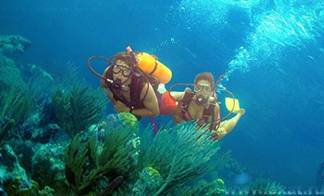
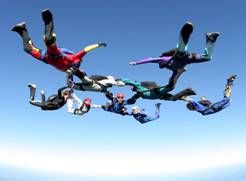
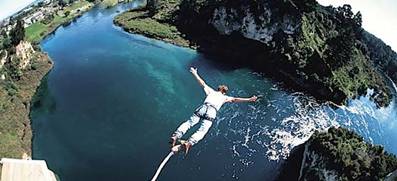
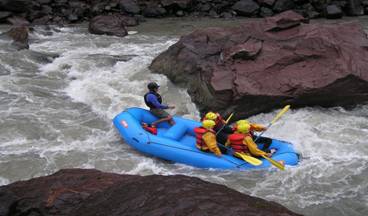
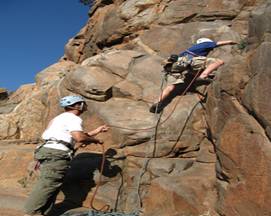
Приложение 2 (А)
a) pot holing
b) rock climbing
c) bungee jumping
d) sky diving
e) white-water rafting
f) scuba-diving
Приложение 2 (B)
1. He has done a lot of dangerous sports because he likes to go to extremes. | a) рисковать (2) |
2. To take risks for no purpose is not a very clever thing. | b) волнение, возбуждение (2) |
3. Ann’s desire to travel around the world becomes stronger and stronger. | c)удовлетворять свое любопытство |
4. He was addicted to heroin. | d)хорошо подумать |
5. Think twice before you do something dangerous. | e)желание, стремление |
6. I just had to satisfy my curiosity, so I opened the box. | f)человек, любящий риск |
7. Being an actor or an actress can be rather dangerous, sometimes they have to do different risky things. | g)доходить / дойти до грани возможного (2) |
8. I do sky diving for the thrill and excitement of this sport. | h) пристраститься к … |
9. Personally I am not a risky taker, so white water rafting or scuba diving is not for me. | |
10. I think moderation in everything is the key and I never take things to the edge. |
Приложение 3
reasons why people take risks | risky sports they have done | opinion about risk taking | |
1. Clare Lee from Korea | |||
2. Jose Davila from Mexico | |||
3. Masha Trusova from Tula |
Приложение 4
Risk taking is about living life to the fullest.
When you are high in the mountains, your attention becomes so extremely focused on your purpose that you no longer notice the sore knees, the tired back, the strain of nonstop concentration. A trance-like state settles over you; the climb becomes a clear-eyed dream. Hours pass by like minutes. The routine of day-to-day existence – the unpaid bills, the list opportunities, the dust under the sofa – all of it is forgotten, forced away from your thoughts by the absolute clarity of purpose, and by the seriousness of the task. At such moments something like happiness actually stirs in your chest and you feel like you have the world in your hands.
Приложение 5
risk * adrenaline rush * danger is exciting * sense of achievement * doing something different * accidents * fun * you need reliable equipment * acquire self-confidence * overcome difficulties * acquire sense of individuality * challenging your body * exciting * dangerous * silly * useless * important
Приложение 6
Debate
Participant | Action |
1. Preparing for the debate | |
Group A | Make a list of arguments FOR the motion |
Group B | Make a list of arguments AGAINST the motion |
2. Debate | |
Chairperson | Begin the debate |
Group A | Express your opinion and give an argument |
Group B | Disagree with Group A and give a counter-argument |
Group A | Disagree with Group B and give a counter-argument |
Group B | Disagree with Group A and give a counter-argument |
and so on | |
3. Voting | |
Chairperson | Lead the voting |
Chairperson | Count the voting |
Chairperson | Announce the results of the vote |
Chairperson | Thank everyone for their participation and announce the end of the debate |
Приложение 7
Student’s self-evaluation card
Criterion | Question to ask oneself | Score (1-5) | |
1 | Participation | Did I participate equally with all the rest in the debate? | |
2 | Content | Did I bring in any original ideas? | |
3 | Fluency | Did I speak fluently? | |
4 | Accuracy | Did I speak accurately? | |
Total score |
Литература:
1. УМК “New millennium English - 10”, и др
2. Oxford Exam Excellence, издательство Oxford University Press, 2006
3.
