

Партнерка на США и Канаду по недвижимости, выплаты в крипто
- 30% recurring commission
- Выплаты в USDT
- Вывод каждую неделю
- Комиссия до 5 лет за каждого referral
ФЕДЕРАЛЬНОЕ АГЕНТСТВО ПО ОБРАЗОВАНИЮ
ГОСУДАРСТВЕННОЕ ОБРАЗОВАТЕЛЬНОЕ УЧРЕЖДЕНИЕ
ВЫСШЕГО ПРОФЕССИОНАЛЬНОГО ОБРАЗОВАНИЯ
«ВОРОНЕЖСКИЙ ГОСУДАРСТВЕННЫЙ
ПЕДАГОГИЧЕСКИЙ УНИВЕРСИТЕТ»
Кафедра английского языка
КОНТРОЛЬНЫЕ РАБОТЫ
по дисциплине «Практический курс основного иностранного языка (английский язык)»
для студентов заочного отделения
1- 4 курсы
Воронеж, 2006
CОДЕРЖАНИЕ
ВВЕДЕНИЕ ………………………………………………………………… 3
КОНТРОЛЬНЫЕ РАБОТЫ
1 курс
Контрольная работа 1……………………………………………………….. 5
Контрольная работа 2……………………………………………………….. 10
2 курс
Контрольная работа 1……………………………………………………….. 18
Контрольная работа 2……………………………………………………….. 28
3 курс
Контрольная работа 1……………………………………………………….. 34
Контрольная работа 2……………………………………………………….. 36
4 курс
Контрольная работа 1……………………………………………………….. 42
Контрольная работа 2……………………………………………………….. 50
РЕКОМЕНДУЕМАЯ ЛИТЕРАТУРА …………………………………….. 56
ВВЕДЕНИЕ
Контрольные работы по дисциплине «Практический курс основного иностранного языка» предназначены для студентов 1 - 4 курсов заочного отделения, изучающих английский язык. Они отражают требования государственного образовательного стандарта высшего профессионального образования – специальность 050303 «Иностранный язык» и решают следующие задачи:
1. Формирование у студентов основных компонентов иноязычной коммуникативной компетенции:
- лингвистическая компетенция (фонетические, грамматические, лексические навыки);
- речевая компетенция (аудирование, говорение, чтение, письмо);
- социокультурная компетенция (лингвострановедческая);
- компенсаторная компетенция (умение самостоятельно работать над английским языком).
2. Обеспечение связи аудиторной и самостоятельной работы по английскому языку.
Студенты 1-го, 2-го, 3-го курсов выполняют две работы по практической грамматике (по одной в каждом семестре).
Студенты 4-го курса выполняют одну контрольную работу по практике речи в каждом семестре.
Контрольные работы выполняются письменно и представляются на кафедру для проверки за месяц до начала сессии. Они оцениваются по стобалльной шкале. Полученные баллы входят в общую оценку за семестр по дисциплине «Практический курс основного иностранного языка».
Студенты, не выполнившие контрольные работы, не получают удовлетворительную оценку за семестр по дисциплине «Практический курс основного иностранного языка» и не допускаются к зачету или экзамену по данной дисциплине.
При выполнении контрольных работ студенты могут пользоваться рекомендуемой литературой: учебниками и учебными пособиями, справочной литературой (одноязычными и двуязычными словарями, грамматическими справочниками).
КОНТРОЛЬНЫЕ РАБОТЫ
1 КУРС
КОНТРОЛЬНАЯ РАБОТА 1
Unit 1. Sentence structure and elementary concord.
I. Study all the rules attentively, make sure you remember and can reproduce all the rules in frames. Now answer the following questions in writing or fill in the blanks.
1) Структура, в которую входят __________передает вполне определенный смысл.
2) В вопросительных предложениях _________, если это не ________,
наречие частотности расположено ___________.
3) В каком порядке располагаются дополнения, если их два?
4) Для чего необходима структура ‘there is’?
5) Дайте пример двух различных восклицательных конструкций.
6) Что надо помнить об ответах типа ‘эхо’?
7) Для чего в повелительных предложениях пред смысловым глаголом используется ‘do’?
Если вы заполняете пропуски или завершаете предложения, вы можете писать после номера предложения только те, что вы добавляете. При коррекции ошибок можно писать лишь исправленную часть.
I. Restore the sentences using the models.
a) N v N; N v A
1. cats / naughty 2. butterflies / aggressive 3. cherries / berries 4. deer / dears 5. clothes / expensive 6. hair / wavy 7. music / popular 8. kangaroo / Australian 9. men of war/people 10. underground / means 11. text/ easiest 12. coffee/ stronger 13. teachers / strict/ students 14. weather/ autumn 15. puppies/ funny
b) NV; NVN; NV pr N
1. love / bad marks 2. gave / wrong address 3. play/ the piano 4. find/ phone number 5. eat/ good quality food 6. arrive/ Voronezh 7. passers-by/ questions 8. fierce/ attack 9. celebrate/ in college 10. cough/ lesson 11. use/ computers 12. despise/ lies 13. black/ dress 14. enter/ school 15. perform/ stage
c) any models which have been studied this term.
1. students/ Grammar books 2. autumn/ ripe 3. walk/ nasty 4. tweezers/ beautiful 5. enjoy/ cockroaches 6. at night/ loudly 7. looked/ boy/ everywhere 8. seldom/ angry/ children 9. show/ old photos 10. cook/ a light snack 11. send/ a postcard 12. may/ cold 13. often/ late/ classes 14. deceive / afraid 15. fetch/ teachers
III. Translate into English.
1. Поблизости есть телефоны-автоматы? 2. Зимой иногда идет дождь. 3. Я никогда не завидую людям. – Я тоже. 4. Он редко болеет. 5. Какой крепкий кофе! 6. Почему бы не выпить сока? – Фу! Какой он кислый! 7. Для меня что-нибудь есть? – Да, тебе сообщение! 8. В баке есть ещё бензин? 9. Давай пойдем пешком! – А это далеко отсюда? 10. Почему нет света? 11. Сколько в машине было людей? 12. Ну и день!
Unit 2. Nouns.
I. Form nouns from the following.
A. adjectives:
1) fresh, difficult, modest, lazy, cruel, lonely, certain, ignorant, necessary, national
B. verbs:
1) admire, achieve, annoy, bore, arrive, assist, beg, behave, collect calculate
II. Translate into English.
1. Ее волосы красивы. 2. Новости ужасны. 3. Наша семья обедает. 4. Фрукты в холодильнике. 5. Одежда узка. 6. Учительская зарплата низкая. 7. Весы в ящике стола. 8. Команда корабля отдыхает. 9. Фонетика трудна. 10. Товар не здесь. 11. Полиция ничего не знает. 12. Корь опасна? 13. Скот в полях. 14. Это колготки? 15. Каковы последние новости? 16. Где ножницы? 17. Это твои деньги? 18. Больные капризны. 19. Безработные бедны. 20. Ваши советы всегда хороши.
III. Form the plural where possible. Do it quickly enough, leaving practically no pause.
1. man 2. child 3. woman 4. tooth 5. foot 6. deer 7. sister-in-law 8. woman-pilot 9. loaf 10. goose 11. mouse 12. match 13. shelf 14. handkerchief 15. mouth 16. ski 17. forget-me-not 18. bath 19. sky 20. antenna 21. cactus 22. editor-in-chief 23. datum 24. crisis 25. criterion 26. Vietnamese 27. species 28. grown-up 29. passer-by 30. breakdown
IV. Correct the mistakes, if any. Recollect the rules.
Variant A
1. cloths 2. vallies 3. selfs 4. youthes 5. sheeps 6. Eskimoes 7. mouths 8. species 9. oxes 10. antennas 11. photoes 12. proofs 13. editors-in-chiefs 14. airs 15. fishes 16. deer 17. radios 18. dears 19. womens 20. cargoes
Variant B
1. tooths 2. handsful 3. babys 4. wolfs 5. crisises 6. Chinese 7. stand-bies 8. toothbrushs 9. sands 10. scarfs 11. luggages 12. wifes 13. swines 14. Kennedys 15. knowledges 16. loavs 17. soloes 18. homeworks 19. mouses 20.Gatsbies
Variant C
1. Swisses 2. safes 3. datas 4. woman-doctors 5. passers-bys 6. trousers 7. criterions 8. grouses 9. furnitures 10. chieves 11. Englishes 12. cattles 13. handkerchieves 14. mother-in-laws 15. lices 16. postmans 17. breakdowns 18. potatos 19. means 20. forget-me-nots
plete using a noun in the plural.
Variant A
1. Big money is often kept in ___ 2. You put boots on your ____ 3. Poultry farmers breed hens, ducks and ___ 4. Aerials used to be placed on the ___ 5. In America aerials are called ____ 6. Cats should (but don’t) catch ___ 7. In arguments you need not only opinions, but also ___ 8. ___ are faster than buses. 9. ___ tend to live longer than men. 10. _____ are mammals.
Variant B
1. To buy something you need ________. 2. To answer well you need good ____ 3. Beds, sofas, chairs, tables are all ____ 4. Small coins in England are called ___ 5. Mathematicians deal with ____. 6. To bake bread you need ____. 7. Men, when they are very young, are called ___ 8. Married women have ___ 9. Married men have ___ 10. In recipes sugar is often measured by ____.
Variant C
1. In towns wild animals are kept in ____ 2. Brave men in the war become ____ 3. We lock doors, but sometimes lose the ____ 4. Ladies have babies, cows have ___ 5. Post is delivered by ____ 6. Criminals are arrested by the ____ 7. Children grow up and become ___ puters use some ____ 9. On snails’ heads you can see _____. 10. Things that are sold are called ____
VI. Translate from Russian into English.
Variant A
1. кенгуру 2. средство 3. тряпки 4. быки 5. ступни 6. грузы 7. средства 8. одежда 9. волы 10. пригоршни 11. базы 12. молодежь 13. овцы 14. бойскауты 15. мыши 16. картошка 17. англичане 18. французы 19. швейцарцы 20. датчане 21. голландцы 22. японцы 23. дети 24. жизни 25. младенцы 26. физика 27. килограммы 28. математика 29. взрослые 30. волосы 31. волосинки 32. прохожие 33. рты 34. главнокомандующие 35. знания
Variant B
1. зеваки 2. данные 3. дрожжи 4. даты 5. достопримечательности 6. содержание 7. куски 8. ножницы 9. чернила 10. фонетика 11. ножи 12. таможня 13. очки 14. утесы 15. товар 16. фотографии 17. ломтики 18. вши 19. серия 20. шахматы 21. рыбы 22. бильярд 23. пригород 24. листья 25. формулы 26. ванны 27. пенсы 28. свекрови 29. телята 30. гуси 31. куры 32. курятина 33. щуки 34. половинки 35. фрукты
VI. Translate into Russian.
at arm’s length, a friend of my mother’s, somebody else’s things, a moment’s delay, three minutes’ talk, a month’s absence, Russian’s population, London’s ambulance services, the ship’s crew, the car’s drawback, the nation’s welfare, the earth’s gravity, at death’s door, the grocer’s, the greengrocer’s, the baker’s, the train’s departure, a few prisoners’ release
VII. Translate into English.
Variant A
1. земное притяжение 2. лица прохожих 3. замечание зеваки 4. помощь свекрови 5. вчерашняя новость 6. машины Джона и Мэри 7. жена Сократа 8. километровая дистанция 9.ангельские лица 10. новая Сашина машина
Variant B
1. мама Джессики и Кристины 2. друзья моего зятя 3. опыт команды 4. командир корабля 5. конец фильма 6. в гостях у Эллис 7.старое пальто Джека 8. чужие проблемы 9. карьера актрисы 10. в цветочном магазине 11. решение правительства 12. лучшие театры мира 13. успех компании 14. имя сестры моего друга 15. мужская одежда 16. поведение невесток 17. в мясной лавке
VIII. Correct the mistakes in case forms, if any:
Variant A
1. I don’t remember any of Dicken’s novels. 2. A passer’s by face caught my eye. 3. That was the portrait of the Duke of Norfolk’s sister. 4. It’s a two-day job. 5. In a week’s time you’ll be able to solve the problem. 6. Have you ever seen pianist’s hands? 7.My son’s the best suit is at the cleaner’s right now. 8. We saw the train’s back, that’s all. 9. His shy idiot’s smile got on her nerves. 10.Mr. Bright is an old friend of my father.
Variant B
6. Have you seen new Ann’s dress? 2. What’s your chip’s name? 3. He’s always worrying about someone’s else benefit. 4. Draughts are a very interesting game. 5. Few people can afford large comfortable armchairs now. 6. Twenty thousand dollars were stolen in the robbery. 7. The shop is three minute’s walk from here. 8. The car back got smashed in the accident. 9. At our school the staff are mainly woman-teachers. 10. I’m fond of Ilf’s and Petrov’s books.
КОНТРОЛЬНАЯ РАБОТА 2
Unit 3. Pronouns.
I. Study the rules and answer the following questions or fill in the blanks:
1) Перечислите, пожалуйста, все неопределенные местоимения.
2) Как употребляется абсолютная форма притяжательных местоимений?
3) После каких глаголов не употребляются возвратные местоимения, даже если действия выполняется по отношению к самому деятелю?
4) В чем разница между ‘himself’ и ‘by himself’?
5) Если в отрицательном предложении употребляется some, что происходит?
6) При выборе из определенной группы перед предлогом ‘of’ употребляется местоимение _____.
7) Относительные местоимения _____.
II. Choose the correct form quickly.
1. __ (her, hers) are the worst answers. ___ (her, hers) are the worst answers. 2. They are looking for ___ (their, theirs) keys. 3. Put down ___ (my, mine) address and I’ll write down ___ (your, yours). 4. It’s nobody’s business but ___ (my, mine). 5. Give it back! It’s ___ (her, hers)! 6. That’s an enemy of ___ (their, theirs). 7. ___ (my, mine) chip’s yellow, ___ (her, hers) – green, and ___ (your, yours) – pink. Don’t miss! 8. Most of ___ (her, hers) friends can’t dive at all. 9. I’m going to grow ___ (my, mine) own lemon tree. 10. I know where ___ (our, ours) documents are.
III. Choose between some and any.
Variant A
1. __ of my classmates took French lessons. 2. Take __ CD you like. 3. Ask him for __ paper. I don’t have __ left. 4. We’ll meet again __ day. 5. __ of you can take part in the concert. 6. You’ve take __ false steps. 7. There isn’t __ explanation for this. 8. We understand each other without __ words. 9. Will you have __ more tea? 10. Can I have __ cheese?
Variant B
1. Put __ spices into the soup. 2. I don’t think there is __ milk left. 3. Very few people, if __, still believe it. 4. What’s up? Have you forgotten __ words? 5. In __ case you are to be here by 1 p. m. 6. Have you got __ additional information? 7. I made hardly __ mistakes in the final test. 8. Would you like __ more juice? 9. I can’t wait __ longer. So, I’ll have to go without saying good-bye to __ of them. 10. I seldom see __ of my relatives.
IV. Explain the difference in Russian.
1. a) I don’t know any rules. b) I don’t know some rules. 2. a) I’d drink some water. b) I’d drink any water. 3. a) They looked at themselves. b) They looked at each other. 4. a) Have you got anything to eat? b) Have you got something to eat? 5. a) They never buy any milk. b) They never buy some milk. 6. a) I did it myself b) I did it by myself c) I myself did it 7. a) They enjoyed them. b) They enjoyed themselves. 8. a) I’m not like you. b) I’m not like myself. 9. a) Any water will do. b) Some water will do. 10. a) Are any of them real? b) Is any of them real? 11. a) Give me another dollar. b) Give me the other dollar. 12. a) We all make mistakes b) All of us make mistakes 13. a) What book are they going to buy? b) Which book are they going to buy? 14. a) Who are you? b) What are you? 15. a) For whom did they send? b) Who did they send for?
V. Translate the underlined words into English. Do it fast enough.
1. Тут чего-то не хватает. 2. Ничего я пить не буду. 3. Почти никто не готов. 4. Вряд ли кто-нибудь знает ответ. 5. Что это? 6. Кто из вас готов? 7. Не выпьете чего-нибудь? 8. Ты что-то хоть сможешь сделать? 9. У квартиры свой вход. 10. Я прочел всю книгу. 11. У каждой женщины свои капризы. 12. Все студенты сдают экзамены 2 раза в год. 13. Тебе что-то из этого подойдет? 14. Почему ты ничего не делаешь? 15. Некоторые любят чай, некоторые – кофе. 16. Все они против. 17. Разве никто этого не знает?! 18. Что ж такое он увидел? 19. Никогда не узнаешь. 20. Как и она, я студентка. 21. Посмотри на себя. 22. Мне здесь нравится. 23. Ветрено. 24. Все хорошо, что хорошо заканчивается. 25. Каждый из вас получит копию. 26. Ни один из двух выходов не был закрыт. 27. Никто из нас не любит экзаменов. 28. Какой шарф тебе нравится? – Мне – красный. 29. У каждого есть свои проблемы. 30. Вряд ли кто что знает. 31. Кто-нибудь из них уже ушел? 32. Они каждый по-своему были правы. 33. Здесь совсем нет воздуха. 34. Сколько у тебя денег? – Нисколько. 35. Ну и кого ты там видела? – Не твое дело. Что ж тебе все надо?!
VI. Use the pronouns to make up sentences expressing your ideas connected with the picture.
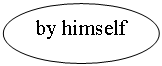 | 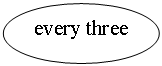 |

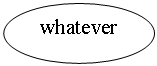
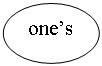
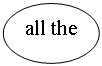
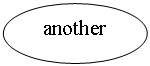

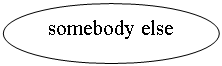
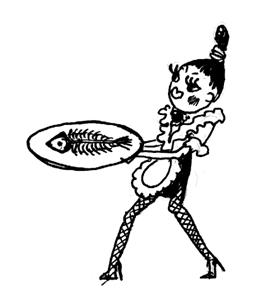
 |
 |
VII. Choose the correct pronoun:
1. ___ were strange people. (These, Those, That, This) 2. I’ll tell you: ___: I don’t miss classes (it, that, some, this). 3. ___ coat did you put on? (Who’s, Whose, What, Which) 4. ___ is to blame? (Who’s, Which, Who, What) 5. ___ are you waiting for? (Whom, Who, Whose, What) 6. ____ cook praises his own broth. (Each, Every, Everyone, All) 7. If ___ calls, I am out. (some, anyone, somebody, anybody) 8. We can go to either cafe. One or ____, it doesn’t matter which one. (other, others, another, the other) 9. Take ____ book – they are both exciting. (either, each, any, every). 10. That’s the man ____ sat on my hat in the tram. (who, what, which, that).
Unit 4. Numerals and Quantity words.
I. Make sure you can write these ordinal numbers quickly enough.
1st; 29th; 99th; 32nd; 19th; 11th; 8th; 80th; 104th; 0; 54th; 39th
II. Read and write the dates.
a) May 9; June 10; August 1; February 23; December 31;
b) 1999; 1011; 1066; 1903; 1900;
c) 01.01.87; 28.08.75; 29.04.41; 12.02.59; 20.10.99.
plete the sentences, using few, a few, little, a little.
1. We’ll have to put off the lesson, because there are _____. 2. I’m very busy, I have _____. 3. I can’t write on the board, there’s _____. 4. My boy (girl)-friend is lucky, he (she) has _____. 5. I don’t know English well, I understand very _____. 6. Sorry, I can’t lend you money, I have _____. 7. We can watch some movie at home, I have _____. 8. I think I won’t buy cheese today, I still have _____. 9. Un-fortunately, there’s still _____ outside. 10. It’s somehow quiet outside, there’s _____. 11. The tea isn’t sweet at all, there’s _____. 12. I saw my ex-husband _____ ago.
IV. Translate into English.
1. в 2 раза меньше друзей
2. в 5раз меньше сахара
3. в сто раз больше денег
4. в 1000 раз больше терпения
5. в 10 раз меньше забот
V. Translate very fast.
О книгах | О времени | ||
Много? Сколько? Много!Сколько-нибудь? Немного НесколькоМало (не хватит) Нет Нет совсемМаловато Нет никаких Намного большеБольше или меньше? Еще больше Еще сколько-нибудь? | Хоть сколько-то?Сколько-то есть Много?Много! Мало МаловатоМноговато Много Нет Совсем нетНемного больше Меньше Гораздо большеНамного меньше Еще меньше Чуть меньше | ||
VI. Complete the sentences.
1. The more money you have, the ____. 2. The fewer mistakes you make, the ____. 3. The older the man is, the less ____. 4. The more beautiful the girl is, the fewer ____. 5. The more chocolate you eat, the ____. 6. The more you care about men, the ____. 7. The less money you put in business, the ____. 8. The more you train, the ____. 9. The less you eat, the ____. 10. The fewer berries we have, the ____.
VII. Translate.
Variant A
1. Не все йогурты одинаково полезны. 2. Ни один человек не знает всего на свете. 3. Немногие в наши дни могут путешествовать. 4. У меня 2 такие книги, можешь взять любую. 5. Большинство мужчин любят футбол. 6. У всех детей должны быть родители. 7. Тебе надо есть меньше гамбургеров! 8. У бабушки гораздо больше седых волос, чем у дедушки, у папы тоже есть несколько, а у мамы нет ни одного! 9. Ты можешь взять или яблоко, или банан. – А можно и то, и другое? 10. У меня много печенья, хочешь еще?
Variant B
1. У нас много книг. Папа прочел их все, мама большинство, брат несколько, я ни одной. 2. Летом – много травы, осенью – меньше, зимой – нет вообще. 3. Сколько яблок ты можешь съесть за раз? 4. Мало у кого есть много денег. 5. Я видел ее несколько дней назад. 6.У меня много друзей, но никого из них сейчас нет в городе. 7. Я не люблю французские фильмы, но некоторые из них – ничего. 8. Оба ее сына умные, но ни один не работает. 9. Вы слишком много говорите и ничего не делаете. 10. Сегодня мы получили еще больше информации.
Variant C
1. Нарисуй чуть больше деревьев и чуть меньше травы. 2. На вечеринке будет довольно-таки много народа. 3. Там было слишком мало воздуха. 4. Почему на столе ложек в три раза больше, чем вилок? 5. В классе мальчиков в 3 раза меньше, чем девочек. 6.К сожалению, хороших людей не так много, как плохих. 7.У них гораздо меньше пар сегодня, правда? 8. Он знает гораздо больше меня, а отличных оценок у него гораздо меньше. 9. Сколько раз в день вы едите? 10. У него мало друзей, а денег еще меньше.
VIII. Correct the mistakes, if there’re any, and reproduce the relevant rule.
Variant A
1. How many relatives do you have? –A lot of. 2. There are much more books on my shelf than on yours. 3. How much of bread do you eat for supper? 4. I saw Mike few days ago. 5. There are little people outside. 6. There’s too much of you for me. 7. Pineapples are twice as more expensive as potato. 8. How much toast do you have for breakfast? 9. Eugenie Kafelnikov has won six nil. 10. We don’t need so many wallpaper.
Variant B
1. He lives in Oxford Street, House Eight. 2. The train is at the platformThe London train leaves atLiverpool train, thirteen hundred today. 5. Is there a lot of milk in the fridge? 6. We have none of the problems you have. 7. She has so a lot of records! 8. Take your time. We have a plenty of it. 9. A great deal of people speak Chinese. 10. Both my sisters are married.
Variant C
1. Most of people prefer cinema to theatre. 2. There are less students in GroupFew people have many money. 4. Few who can afford it! 5. Plenty students attended the meeting. 6. Most my friends are fond of rock music. 7. Nobody is late, is he? 8. I neither like autumn nor winter. 9. There are as twice many blue towels as yellow ones. 10. He earned 2000$! – Such much?
Unit 7 Prepositions
I. In the list of prepositions above find the English equivalents, i. e. English prepositions that can express these meanings.
1. поперек | 13. за |
2. вдоль | 14. мимо |
3. над | 15. вокруг |
4. сзади | 16. на |
5. вниз по | 17. в |
6. вверх по | 18. внутри |
7. из | 19. в пределах |
8. через | 20. под |
9. рядом с | 21. по направлению к |
10. недалеко от | 22. между |
11. близко от | 23. перед |
12. к | 24. у |
II. Choose the possible prepositions.
1. (on/ in/ at/ for) time 2. (in/ on/ at/ under) bed 3. (at/ by/ on/ in) midnight 4. (on/ for/ in/ at) purpose 5. (in/ on/ by/ at) Saturday evening 6. (in/ on/ by/ below) the photo 7. (at/ in/ on/ to) the end 8. (above/ out of/ in/ from) danger 9. (at/ of/ by/ for) her age 10. (by/ on/ in/ off) bus 11. (in/ on/ at/ during) break 12. (on/ in/ by/ through) TV 13. (on/ at/ in/ during) last Christmas 14. (at /from /with /on) first sight 15. (on/ at/ up to/ from) Page 6 16. (by/ at/ near/ on) sea 17. (at/ in/ on/ through) the market 18. (on/ for/ in/ from) sale 19. (at/ on/ in/ to) the corner 20. (in/ on/ at/ through) a cold 21. (on/ in/ through/ at) warm morning 22. (at/ in/ on/ during) the lecture 23. (at/ on/ from/ past) the lesson
III. Translate the word combinations.
1.в воскресенье утром 2. на картинке 3. на Рождество 4.отношение к 5. ответ на 6. под музыку 7. поздравить с 8. в лучшем случае 9. мечтать о 10. справа от меня/ дивана 11. в выходные 12. по делу 13. врезаться в 14. на людях 15. сожалеть о 16. в продаже 17.женатый на 18. по дороге домой 19. за обедом 20. по ошибке 21. угощаться чем-то 22. случайно 23. по профессии 24. не в моде 25. благодарен за 26. ключ от 27. интересующийся чем-то 28.детально 29. послать за 30. по морю 31. за деньги 32. в интернете 33. с одной стороны 34. в целом 35. на странице 36. у врача 37.тщетно 38. на стуле 39. с первого взгляда 40. на работе 41. на распродаже 42. временами 43. встретить случайно 44. ни за что на свете 45. по моде.
2 КУРС
КОНТРОЛЬНАЯ РАБОТА 1
PASSIVE.
I. Translate, using the passive (where possible).
1.They clean the carpets twice a year. 2. They cleaned the carpets last week. 3. They will clean the carpets tomorrow. 4. They had cleaned the carpets by the time Father came. 5. They are cleaning the carpets now. 6. They were cleaning the carpets when I came. 7. They have already clean the carpets. 8. Somebody must clean the carpets at least twice a year. 9. The Browns live on the ground floor. 10. Who built this house? 11. Nobody contacted the police then. 12. My cousin has two cars. 13. She opened the tin with a knife. 14. They sent me a postcard at Christmas. 15. My parents let me drive the car. 16. Her suit fits her perfectly.
II. Choose the correct variant.
17. Post _____every day.
a) delivered b) delivers c) is to deliver d) is delivered
18. The bed was tidied up and covered _____ a woolen blanket.
a) by b) with c) on d) in
19. The parcel was wrapped _____ paper by the shopgirl.
a) in b) with c) by d) around
20. The post ______ delivered by noon yesterday.
a) must be b) must have c) must have been d) must had been
21. So far nothing _____ here.
a) changed b) was changed c) have been changed d) has been changed
22. Who was Australia _____?
a) discovered b) was discovered c) discovered by d) was discovered by
23. ______ the group would arrive soon.
a) They were expected b) The group is expected c) It is expected d) It was expected
24. The group _____ to arrive soon that day.
a) is expected b) they expected c) it was expected d) was expected
25. The telegram _____, you needn’t worry.
a)was already delivered b)is still delivered c)is already being delivered d)has already delivered
26. They _____ their house redecorated, it looked wonderful.
a) had had b) had c) have d) have had
III. Correct the mistakes, if any.
27.My watch has been mended yesterday. 28. Listen to the radio. What is broadcast? 29. Where sells bread? 30. The clothes were not washed yet. 31. The TV will have mended by Friday. 32. No dress can mend so fast, even by Mother. 33. Everything should to be done very fast. 34. This soup was made by fresh tomatoes. 35. I’ll complain if the furniture won’t be delivered by Saturday. 36. The pupil was said to fetch some chalk but he didn’t obey. 37. I have my hair cut tomorrow. 38. The exhibition attended several important are critics. 39. The review wasn’t published yet. 40. Could you wait a bit? Your dress is ironed. 41. Was it true that the car was repaired when they arrived? 42. My watch was still mended when I called again. 43. Everybody must have questioned by that time. It was late. 44. He was seen cross the street. 45. She is expected to win a scholarship. 46. He is thought to be handsome in his youth. 47. If you want to clean your carpets, take them to the cleaner’s. 48. I have usually cut my hair at the hairdresser’s. 49. The firm is told to have gone bankrupt. 50 Jane paints her nails at the nearest hairdresser’s. 51. Coffee is spoken to originate from Kaffa. 52. When will you fill your teeth?
IV. Insert passive forms of suitable verbs.
53. When the test is over, all the papers must ____ in. 54. Our car is in the garage, but we can’t drive it, it ____ yet. 55. Everybody is waiting, the results of the exam ____ soon. the time Mother came, the house ____ thoroughly. 57. Last week a five-day strike ____ by postmen. 58. The new shopping centre _____ next week. 59. The escaped prisoner _____ so far. 60. The ship sank but the crew ____ by the rescue party. 61. Her parents have a car, and she ____ to school every day. 62. The salad tasted delicious because it _____ with fresh cream. 63. They brought a family album, and I ____ some amusing pictures. 64. There was nobody in, and Mother wondered who the mess _____ by. 65. The teacher said all the tests _____ by the next day. 66. Such jam ____ from oranges. 67. Look at the untidy lawn, the grass ____ yet. 68. The thieves _____ to have left the country. 69. The newspapers said some precious jewelry _____ from the bank. 70. The robbery is believed to ____ by at least two men. 71. Most people like _____ presents. 72. Hot water _____ by the hotel 24 hours a day.
V. Translate into English, using passive forms.
73. Почту доставляют утром. 74. Окна вчера помыли. 75. Машину как раз ремонтируют. 76. Почту принесу после обеда. 77. Окна еще не помыли. 78. Машина как раз ремонтировалась в то время. 79. Почту доставят к понедельнику. 80. Окна помыли, а пол был грязный. 81. Нам пообещали, что машину скоро отремонтируют. 82. Нам сказали, что почту доставят к нашему отъезду. 83. Шанс упущен. 84. Когда у вас установили телефон? 85. Как часто доставляют почту? 86. Когда вызвали полицию? 87. Эти слова раньше произносились иначе. 88. Почту уже принесли? 89. Багаж обыскали, но ничего не нашли. 90. Телевизор только что починили. 91. Он был ранен во время войны. 92. С доктором вовремя не посоветовались.93. Рану промыли? 94. Лекарства надо принимать правильно. 95. Когда вызвали скорую? 96. Это лекарство надо принимать три раза в день после еды. 97. Как часто ты стрижешься? 98. Когда ты стриглась в последний раз? 99. Когда ты пострижешься? 100. Она в последнее время редко стриглась, да? 101. Она постриглась, и ее как раз причесывали. 102. Я сразу заметила, что мама постриглась. 103. Папа сказал, что скоро пострижется. 104. Где можно постричься? 105. Тебе обязательно надо постричься. 106. Стоит ли сейчас стричься? 107. Вас обслуживают? 108. Две трети работы уже испорчено. 109. Скоро будут выпущены новые учебники. 110. За доктором послали? 111. Виновных уже наказали, когда пришел директор. 112. Кому послали новогодние открытки? 113. Этот закон как раз в то время обсуждали. 114. Нельзя пролить ни капли. 115. Такой шарфик не свяжешь за день. 116. Боюсь, рейс отменят. 117. Только что сделано еще одно важное открытие. 118. Нас несколько раз разъединяли в тот день. 119. Кого-нибудь уволили? 120. Меня можно найти по телефону 22-23-Рейс, возможно, задержали. 122. Надо было отменить матч. 123. Проблему эту придется решать немедленно. 124. Этой стоянкой нельзя пользоваться посетителям. 125. Старших нельзя перебивать. 126. Он получил серьезную травму во время матча. 127. Как можно записаться на прием к стоматологу? 128. Вам надо сделать рентген. 129. Мне прослушали сердце. 130. Больному уже дали обезболивающее? 131. Надо, чтобы ему прооперировали аппендицит. 132. Врач сказал, что этот зуб лучше удалить. 133. Ему запломбировали зуб. 134. Температуру тела легко измерить. 135. Повязку не накладывают на такие раны.
plete, using passive forms.
136. Some news … 137. Lots of time … 138. Half the exotic fruit … 139. Telephone messages … 140. Babies … 141. Flowers … 142. Cars … 143. Newspapers … 144. Ages ago trousers were … 145. Some discoveries were … 146. The last Olympics were … 147. The injured child was … 148. The last test was … 149. Our TV has … 150. Some exams have …
VII. Restore the sentences, using passive forms of suitable verbs.
151. written work/improved 152. smoking/allowed 153. tests/marked 154. documents/signed 155. tank/filled 156. meeting/cancelled 157. house/redecorated/right now 158. milk/ every day 159. the fire/ already 160. broken fence/recently
VIII. Use in a sentence of your own. Don’t forget the main verb must be in the passive form.
161. cover 162. keep 163. wash 164. attend 165. miss 166. make 167. pass 168. support 169. consult 170. operate
IX. Translate and complete.
171. Видели, как … 172. Его заставили … 173. Считают, что Наполеон был … 174. Ожидаются, что … 175. Известно, что … 176. Меня никогда не заставляли … 177. Уже слышали, как … 178. До сих пор не видели, чтобы … 179. Детей силой не заставишь … 180. При поездке за границу не разрешается …
MOODS
I. Translate into Russian.
1.You are noisy, I won’t tell you a story. 2. Tell them a story, if they’re not noisy. 3. If you were not so noisy, I’d tell you a store. 4. I wouldn’t be telling them a story, if they were noisy. 5. If I hadn’t been telling them a story, they would have been much noisier. 6. I wish you a merry Christmas. 7. I wish we could have a merry Christmas. 8. I wish we had a merry Christmas. 9. If only they invited me! 10. If only they had invited me! 11. If you will wait a minute, you will be able to see the manager. 12. Supposing, you were fired… - I could be, but I haven’t got a job yet. 13. If somebody should turn up, tell them to wait. 14. I’d rather you gave him a lift. – As if I had a car. 15. Were you more careful, you’d have made fewer mistakes. 16. Should he fail to be re-elected, it would be a disappointment for all of us. 17. If they hadn’t interfered, he might have been killed. 18. Had he been promoted, he’d be earning much more now. 19. I wish the staff were politer. They just wouldn’t. 20. They didn’t agree. Otherwise we would have joined them.
II. Choose the correct variant to fill in the blank.
21. If we ___ harder, we’ll be through in a week.
a) will work b) work c) would work d) worked
22. But for your assistance, I ___ the work by Monday.
a) would have done b) have done c) wouldn’t done d) haven’t done
23. If you ___ the skirt in hot water, it wouldn’t have shrunk.
a) didn’t wash b) washed c) had washed d) hadn’t washed
24. If only holidays ___ longer!
a) last b) were lasting c) lasted d) have lasted
25. Without the wind, the leaves ___.
a) wouldn’t have rustled b) weren’t rustling
c) would be rustling d) wouldn’t be rustling
26. ___ cost less, they would have been able to pay for it.
a) If it did b) If it had c) Had it d) Did it
27. Mum wishes ___ a new flat.
a) we buy b) we can c) we have bought d) we could bought
28. ___ the job, his wife will be able to stay at home.
a) If he got b) If he get c) If he should get d) If he would get
29. They wouldn’t be happier, even if they ___ a million.
a) have given b) are given c) have been given d) were given
30. We would have stayed at home, if we had known the teacher ___.
a) wouldn’t come b) wouldn’t have come
c) didn’t come d) wouldn’t had come
III. Match the harts, producing as many correct and logical sentences as possible.
31. Teachers wish a) medicines were cheaper
32. Pupils wish b) their salary were higher
33. Parents wish c) there was no homework
34. Doctors wish d) their children were obedient
35. Patients wish e) everybody did homework
36. If they treat you properly f) you would recover
37. If they are treating you properly g) you would have recovered
38. If they treated you properly h) you are recovering
39. If they had treated you properly i) you would be recovering
40. If they were treating you properly j) you’ll recover
41. I would have chosen another profession k) if I were prettier
42. I would be slimming l) if I were quick-tempered
43. I would be a sailor now m) if I were fatter
44. I would have become an actress n) if I couldn’t react fast
45. I wouldn’t be studying here o) if I didn’t wear glasses
46. Supposing p) as if I were President
47. If only q) you should revise everything
48. They suggest r) you were President
49. You’re absent-minded s) you would be more considerate
50. You look now t) or else you wouldn’t get into trouble
IV. Correct the mistakes, if any.
51. If only I’m a princess! 52. If I would have been working hard!… But I haven’t. 53. But if the wind, it wouldn’t be so cold. 54. If she had tired the parcel, it hadn’t got unwrapped. 55. Without a hairdresser, she wouldn’t managed to change her hairstyle. 56. She walks as if she is flying. 57. I wish I consulted this doctor long ago. 58. What if you would lose confidence at the exam? 59. I would buy a roadway ticket, but I forgot. 60. If you have done the shopping, we’d have dinner now. 61. If my parents were taller, I wouldn’t be called “Shortie” at school. 62. What if we won’t book tickets in advance? 63. But for your advice, I couldn’t solve the problem yesterday. 64. I wish you would change your clothes! 65. It is necessary that every teacher must know his subject. 66. Even if I had gone in for sports all the time, I wouldn’t have lost much weight. 67. If there were more goods on dale in the seventies, there wouldn’t have been lines in shops. 68. I wish I didn’t forget to ask him for his phone number. 69. He’s spoiled his customs form. Otherwise he wouldn’t ask for another. 70. If it weren’t the end of the term, we wouldn’t write the test now. 71. I wish I booked the lower berth. I didn’t sleep a wink. 72. Supposing, you fail the exam. What would you do? 73. If you would book the tickets after all, call me at once. 74. If only I would change my character! 75. It is strange that the burglars would have taken only a vase. 76. If I had foreseen what would have happened! 77. I’d rather you to stop smoking. 78. If you had not slept at the moment, nothing would have happened. 79. I’d call the manager, if you would wait, madam. 80. If only you would give up cribbing! 81. Is it normal that the patient should feel dizzy? 82. I wish you looked at the board while I’m explaining the rule. 83. If you had called, we wouldn’t have to wait so long. 84. If you were taking the medicine all the time, you would have recovered. 85. But for your parents helped you, you wouldn’t manage.
V. Transform the sentence to show that you are speaking about something hypothetical.
86. I want to have a new doll. 87. Michael doesn’t know anything. Bu listen to the way he talks! 88. What a pity that she failed! 89. I’m thinking of inviting him too. Will he accept? 90. They didn’t buy that car. Now they are sorry. 91. We are not going to have a party, though I like the idea very much. 92. I don’t feel like going to the party tonight. I prefer to stay at home. 93. They didn’t like it that she was interfering. 94. She broke her leg. She slipped on the ice. 95. I’m at a loss. My car has broken down.
VI. Insert a suitable verb in the proper mood form.
96. You’d rather apologize, or the headmaster ___ again. 97. I wouldn’t have been late for my classes, if my alarm clock ___ up. 98. Had I been there, I would ___ the police at once. 99. I wish our neighbour ___ to play the guitar! 100. It’s stuffy. I’d rather you ___ the window. 101. We wouldn’t ___ to wait so long, if we had reserved a table. 102. The forest wouldn’t have burnt down, if the children ___ a fire. 103. If only my parents ___ to another school! 104. I wish I ___ back to school again. School years were fun. 105. They say if the Titanic hadn’t been so large, it might not ___. 106. It’s a pity we went by the underground we ___ to the centre much sooner. 107. You wouldn’t have been fined, if you ___ your car in the wrong place. 108. I ___ to fly to Boston, but the weather is awful. 109. Last year we went on a package tour to Turkey. I wish we ___. 110. But for the fog, the landing might ___ less dangerous. 111. I’d rather we ___ non-stop. It was a tiresome journey. 112. I ___ to France by air that time, but I’m always airsick on planes. 113. I wish we ___ where to change. I’m afraid we’ll get lost. 114. If only customs officers ___ to search us! I hate the procedure. 115. I’ve never seen a double-decker. Or I ___ to describe it.
plete the sentences. Mind the mood forms.
116. If you hadn’t put the key into your pocket ___ 117. If I were quite fit ___ 118. If somebody did the shopping for me ___ 119. If I were already married ___ 120. If clothes were just a bit cheaper ___ 121. If I had gone in for sports in my childhood ___ 122. If I had a chance to go to Britain ___ 123. If you didn’t wear your heart on your sleeve ___ 124. If I were to take a bitter medicine ___ 125. If I hadn’t always been airsick during the take-off ___ 126. I would do a lot of travelling ___ puters wouldn’t have become so popular ___ 128. I wouldn’t be a Fakel fan ___ 129. Medicines wouldn’t be so expensive ___ 130. I would already have had my chest x-rayed ___ 131. I would hardly be sneezing ___ 132. We might go out of town tomorrow ___ 133. The burglars wouldn’t have been able to break in ___ 134. There wouldn’t be so many sick people ___ 135. We would have done better at the last test ___ 136. Most women wish ___ 137. But for men, women ___ 138. Without men, women ___ 139. If only examiners ___ 140. In my childhood I wished ___
VIII. Restore the sentences, using the given harts. Don’t change their forms or order.
141. supposing/ hair/ gray 142. if/ a bigger grant 143. but for/ so many injections 144. what if/ while shopping 145. would rather/ hiking 146. even if/ football match 147. wish/ return tickets 148. if only/ hospital 149. would have been/ by air 150. had looked/ party 151. night flight/ to hail a taxi 152. hard working enough/ better marks/ last term 153. first class/ but/ enough cash 154. in a draw/ the last week 155. artificial teeth/ sweets/ in my childhood
IX. Translate into English, using the necessary moods.
156. Мы бы не сидели дома, если бы не шел дождь. 157. Жаль, что ты никак не хочешь посидеть дома. 158. Идет дождь, а то бы мы не сидели дома. 159. Если бы дождь не шел уже три дня, на улице не было бы так грязно. 160. Вот если бы сейчас не шел дождь! 161. Было жаль, что дождь идет уже неделю. 162. Мы бы не просидели дома всю неделю, если бы не шел дождь. 163. Жаль, что здесь часто идет дождь. 164. Что ж дождь никак не кончается! 165. Такое впечатление, что дождя не было целую вечность. 166. Почту не доставили вовремя, а то бы мы уже получили письмо. 167. Мы пожалели, что почту не доставляют вовремя. 168. Вот если бы я все это время получала от него письма! 169. Я бы предпочла, чтобы письма мне доставляли в офис. 170. Кажется, что в последнее время почту вообще не доставляют. 171. Телеграмму доставили бы вовремя, а письмо опоздало. 172. Даже если бы ты отправил письмо вчера, его бы завтра не доставили. 173. Мы бы не ждали ейчас письма, если бы почту доставили вовремя. 174. Это письмо не было бы доставлено вовремя, даже если бы ты его вовремя отправил. 175. Если бы не ошибка в адресе, тебе бы уже давно доставили письмо. 176. Жаль, что ты пропускал занятия все это время. 177. Ты не мог бы прикрутить громкость? 178. Даже если бы я был свободен завтра, вряд ли бы пошел в кино. 179. Мог бы получить оценки и получше!.. 180. Вот было бы у нас лекарство от рака! 181. Что ж доктора выписывают такие дорогие лекарства! 182. Как жфль, что тебя каждый раз тошнит на корабле! 183. Интересно, утонул бы Титаник, если бы были приняты все меры предосторожности. 184. Если бы мы сели на прямой поезд, нам бы теперь не пришлось пересаживаться. 185. Мы бы уже спали сейчас, если бы вовремя взяли билеты в спальный вагон. 186. Ей часто приходится ездить за границу. Иначе ей не нужна была бы такая виза. 187. Если бы не погода, рейс бы не отложили. 189. Мне надо отремонтироваь машину, а то мы не сможем поехать к морю. 190. Что ж ты никак не покупаешь билеты заранее!
КОНТРОЛЬНАЯ РАБОТА 2
MODALS
I. Translate into Russian. Mind the meaning of the sentence.
1.Can it be that late? 2. Shall we start tomorrow? 3. Must I read aloud? 4. Lessons can be very tiresome. 5. What am I to do? 6. He may not know that. 7. I couldn’t help cribbing. e what may. 9. You must come and see us. 10. A chair is to sit on. 11. The 3.10 must have left. 12. Boys will be boys. 13. You can’t have been sleeping. 14. You should have heard that! 15. You might have told your parents. 16. You must be joking. 17. You shall regret this. 18. How should I know? 19. It might have been run over. 20. They shouldn’t have been left alone.
II. Choose the correct variant.
31. may come a) moral duty
32. was able to come b) sheer waste
33. can’t have come c) lack of obligation
34. should have come d) just a chance
35. should have come e) probability
36. shouldn’t have come f) a good thing to do
37. must come g) past achievement
38. must be coming h) the wrong thing done
39. needn’t have come i) reproach
40. didn’t have to come j) disbelief
III. Choose the correct variant to fill in the blank.
41. You ___ have rubbed off the mistake. Hoe can we correct it now?
a) mustn’t b) might not c) needn’t d) shouldn’t
42. She just ___ obey me! And I’m much older.
a) won’t b) needn’t c) mustn’t d) want
43. You ___ have bought a return ticket. It’s cheaper that way.
a) would b) must c) ought d) should
44. You ___ all to be at work by nine.
a) should b) are c) must d) have
45. They opened the door at once, we ___ to knock again.
a) needn’t b) hadn’t to c) were not to d) didn’t have to
46. ___ I speak to the manager, please?
a) Shall b) Would c) Can d) Could
47. You ___ have bought such expensive flowers, but it was very kind of you.
a) needn’t b) shouldn’t c) couldn’t d) mightn’t
48. The child ___ be very naughty, sometimes I hardly manage.
a) must b) can c) mustn’t d) can’t
49. You ___ take my car! I’ve told you not to.
a) wouldn’t b) shall c) shouldn’t d) will
50. The exam was really difficult, but I ___ answer all the questions.
a) couldn’t b) was able c) could d) was able to
IV. Choose the correct variant, matching the Russian sentence and the modal combination, rending its meaning in English.
51. Рейс, возможно, отменят. a) can’t have been
52. Не может быть, что рейс отменили. b) should have been
53. Может, рейс отменили. c) had to be
54. Рейс можно было бы и отменить. d) is sure to be
55. Зря рейс не отменили. e) may be
56. Нельзя было отменять рейс. f) may have been
57. Рейс пришлось отменить. g) must have been
58. Рейс, похоже, отменят. h) is likely to be
59. Рейс, наверняка, отменят. i) shouldn’t have been
60. Рейс, наверняка, отменили. j) could have been
V. Correct the mistakes if any.
61. They’ll able to pass the exam. 62. You mustn’t stand up, it isn’t necessary. 63. The old ought be respected and loved. 64. She had to move the furniture herself, hadn’t she? 65. Can she has failed again? 66. Mother could come home early yesterday, we were all very glad. 67. You need to have your hair cut. 68.You mustn’t have taken your father’s car. 69. Shall we start? – Yes, you shall. 70. Need we to get up so early? 71. She had to come at five, but she was busy. 72. Had they really to be so rude after all? 73. You needn’t to rewrite the composition, it’s neat enough. 74. Could you explain the rule again, please? – Of course, I could. 75. May you tell me how to get to the bank? 76. It’s 9 o’clock and Alice is still out. She must have come home already, she knows we are waiting. 77. Could we have met before? Your face looks vaguely familiar. 78. She had to do it in writing, but she did it orally. 79. You might tell me about it yesterday. 80. He said we must keep quiet. 81. He should contact us, if his plans changed. 82. You might at least offered your help yesterday. 83. She should have told everything, she had the right to know. 84. Mother could have come early yesterday. We needed her and we were upset that she didn’t. 85. The sea can be rough tomorrow. 86. You should call your parents as soon as you learned the results. 87. You must read the wrong text, we are on the next page already. 88. You should see her in her youth! 89. Can they still have dinner? 90. John must be arrested, or Mary wouldn’t be crying. 91. You must not have understood me. 92. You mustn’t have knocked twice, I was already unlocking the door. 93. They might have never met before. 94. How often did you have to copy in your life? 95. Don’t be naughty, will you?
VI. Insert suitable modals or their equivalents. Notional verbs are necessary too in some cases.
96. There was a lot of food in the fridge, so I ___ go shopping and stayed at home. 97. Though there were queues in the booking-office, we ___ buy the tickets in time. 98. You ___ the floor. Did you forget we were going to move the furniture? 99. You ___ your homework yesterday, then there would be no need to worry now. 100. Jim has bought a very expensive car, he ___ very rich. 101. Though he felt unwell, he ___ finish the report because Monday was the deadline. 102. You ___ my telephone number, I just don’t believe you, it was in your notebook. 103. She ___ asleep already. She sometimes goes to bed quite early. 104. I was worrying, though sometimes awful ___ because you were awfully late. 105. Did you believe her?! She tells a lie now and then, she ___ lying that time as well.
plete the sentences.
106. Students need to ___ 107. Students must ___ 108. Students have to ___ 109. Students don’t have to ___ 110. Students can ___ 111. Students can’t ___ 112. Students may ___ 113. Students might ___ 114. Some students just won’t ___ 115. All students are to ___ 116. Yesterday he could ___ 117. Some young parents need ___ 118. It’s late. Why should I ___ 119. You were free that day. You could ___ 120. The food was free, you needn’t ___ 121. We can’t come in, the door won’t ___ 122. Look at the clouds, it may ___ 123. Look at the clouds, it can’t ___ 124. Listen to the noise coming from upstairs. They must ___ 125. I was ill last week. You might ___ 126. You never look at the traffic lights. You may ___ 127. You knew a lot at school. Your teachers must ___ 128. We have enough textbooks. Do you need ___ 129. The test was easy. There shouldn’t ___ 130. John always comes in time. If he is late now, something ___ 131. I told them the truth, they just wouldn’t ___ 132. My pen won’t write. Could ___ 133. She is crying. You shouldn’t ___ 134. She is crying. Could he ___
VIII. Restore the sentences. Make sure there is a modal verb in each of them.
135. can’t/ already 136. can/ tomorrow 137. should/ last week 138. shouldn’t/ right now 139. must/ the other day 140. had to/ next day 141. need/ last year 142. needn’t/ yesterday 143. might/ before 144. could/ in advance 145. won’t/ smoking
IX. Translate into English, using modal verbs.
146. Любой может тебе помочь. 147. Осторожно, он может тебе не помочь. 148. Может, она и поможет тебе. 149. Я не смогу тебе помочь. 150. Я могу тебе завтра помочь. 151. Они не смогли мне помочь. 152. Ему никто не может помочь. 153. Вы не могли бы мне помочь? 154. Я мог бы вам помочь. 155. Мы не могли ему помочь. 156. Я раньше умел помогать людям. 157. Не может быть, что он тебе помог. 158. Неужели они тебе помогли? 159. Они смогли мне помочь. 160. Неужели он вам уже помогает? 161. Неужели он вам уже давно помогает? 162. Мог бы мне помогать почаще. 163. Не может быть, что он тебе сейчас помогает. 164. Что ж ты мне не помог! 165. Возможно, они ему уже помогли. 166. Ты обязан им помочь. 167. Надо им помогать? – Нет, не надо. 168. Нельзя ему помогать! 169. Приходите, приходите обязательно и помогите ему. 170. Придется им помочь. 171. Старшим положено помогать новичкам. 172. Почему им пришлось тебе помогать? 173. Нам следует им помочь. 174. Ему приходится тебе помогать, да? 175. Помочь тебе? 176. Я должен был ему вчера помочь, но не смог. 177. Должно быть, он им уже помогает. 178. Должно быть, он им уже помог. 179. Видно, им все время помогали. 180. Как часто тебе приходилось кому-то помогать? 181. Кто знал, что мне суждено ему помогать всю жизнь. 182. Надо было тебе им помочь, что ж ты! 183. Он никак не хочет никому помогать, и все тут! 184. Зря мы им помогали все это время. 185. Он может заболеть. 186. Он может и не заболеть. 187. Он, может быть, болен. 188. Он, может, заболел. 189. Он, может, заболевает. 190. Он, видно, заболевает. 191. Должно быть, он заболел. 192. Неужели он заболевает? 193. Не мог он заболеть! 194. Тебе обязательно надо вылечиться. 195. Тебе обязательно надо заболеть перед моим днем рождения! 196. Та мог бы мне сказать, что он заболел! 197. Откуда мне знать, что он заболел? 198. Он, должно быть, все это время принимал лекарства. 199. Он никак не хочет принимать лекарства. 200. Он смог выздороветь. 201. Он мог бы выздороветь, но не принимал лекарства. 202. Он, похоже, выздоровеет. 203. Он, наверняка, выздоровеет. 204. Может он выздороветь? 205. Как долго ему пришлось принимать лекарства? 206. Кто по положению должен пересдавать экзамен? 207. Когда вы должны были сдавать экзамен? 208. Не может быть, что никто не сдал экзамен. 209. Не может быть, что они все еще пишут тест. 210. Некоторые студенты никак не делают домашнюю работу.
NON-FINITE FORMS
plete, using verbals.
1. Parents sometimes catch their children…
2. Wives seldom wait for their husbands…
3. In class it’s no good …
4. Most of our chairs need…
5.I often hear teachers…
6. If you don’t know the answer, you’d better not…
7. It’s difficult to get a pupil …
II. Transform the sentences, using the words given after the sentence and persevering the meaning.
8. How would you like it, if I open the window? MIND
9. I usually work lone, it is already a sort of habit. USED
10. He is so lazy that he doesn’t attend classes. TOO
11. Smoking is forbidden in the college. THERE
12. If you don’t pay your fare, you can’t travel by train. PAYING
13. He studies hard, but gets bad marks. SPITE
14. The doctor insists that the medicine should be taken 3 times a day. ON
15. His words caused everybody’s laughter.
III. Translate into English, using verbals.
16. Нельзя винить других в том, что они не смогли тебе помочь.
17.Он никогда не делает домашнюю работу, если только его не заставить.
18. Можно уйти из университета так, чтобы никто не увидел?
19. Все, чего хотят родители, это чтобы мы были счастливы.
20. Здесь не разрешается ходить по траве.
21. Помню, что меня уже об этом спрашивали.
22. Обиженная, она расплакалась и чувствовала, что на нее все смотрят.
3 КУРС
КОНТРОЛЬНАЯ РАБОТА 1
Unit 1. Introduction to Structures and Functions.
I. Find the parts which are interdependent and can be treated as the subject and the predicate. Write them down.
1. Seven cannot be divided by two. 2. To understand doesn’t always mean to forgive. 3. You do look smart! 4. The old need care. 5. Who’s missing? 6. His coming back made little difference. 7. Something should be done about it. 8. The chemist’s is just round the corner. 9. “Because” is a conjunction. 10. There’s no running water here. 11. It’s rather cold, isn’t it? 12. It’s none of your business what I’m going to do next.
II. Learn to distinguish interdependence, subordination and coordination. Do the exercise in writing.
1. Can you ski or skate? 2. What time would you like to have dinner? 3. When he finished reading the letter, he looked up. 4. It was late, so we stayed at home. 5. She knew how to attack. 6. I usually check everything, just for safety’s sake. 7. Either you stop shouting, or I’ll have to punish you. 8. I’ve got the key in case we want to go inside. 9. Have you ever heard him shout at people? 10. That time they moved to Australia. 11. The only trouble was the shoes were tight. 12. He was only a boy then, yet he was not afraid.
III. Spot simple, semi-complex, complex and compound sentences.
1. She believed him to be an honest man. 2. I don’t want him to be punished. 3. Teachers insist on our doing homework every day. 4. They protested but obeyed. 5. He could feel the dog leaning against his leg. 6. When embarrassed, she flushed. 7. We walked along the street, then we turned back. 8. We watched him searching the flat. 9. It’s necessary that everyone should participate. 10. A lot depends on it whether you do everything in time. 11. Study hard, or you may fail. 12. Take these pills, and you will feel better.
IV. Insert a suitable conjunction.
1. It wasn’t really warm, ___ was it cold. 2. ___ did they let us down, ___ they ___ joined the competing firm afterwards. 3. The sun is shining, ___ it’s cool. 4. Something is wrong with the plan itself, ___ we would be making profits already. 5. Everybody seems to have arrived, ___ they’re waiting for somebody and don’t start. 6. ___ the heels are too high, ___ she doesn’t know how to wear such shoes. 7. ___ was the sum sufficient, ___ were they experienced enough. 8. The examiner was too demanding, ___ most students passed with great difficulty. 9. I was lucky with the examination card, ___ she gave me only a “four”. 10. The compositions was written in a hurry, ___ she wouldn’t have made so many mistakes.
V. Complete to produce a compound sentence.
1. I am tired, so ___. 2. Teachers have to work hard, therefore ___. 3. Father cooks very well, yet ___. 4. Women spend too much money, or ___. 5. Either you wash up, or ___. 6. My parents are far from rich, and still ___. 7. I left the house early today, however ___. 8. The teacher explains everything in detail, but ___. 9. After a run I’m out of breath, nor ___. 10. I’m nearly twenty, and ___.
11. Rich people are sometimes unhappy, nevertheless ___. 12. I have no degree yet, otherwise ___. 13. Not only do some men earn little, but ___. 14. The chairs need mending, yet ___. 15. It’s a lovely day, or else ___. 16. Never start a quarrel, then ___. 17. Travelling abroad is expensive, therefore ___. 18. Either the cassette recorder is faulty, ___. 19. Neither do I enjoy dining out, nor ___. 20. There’s no smoking in planes. However, ___.
VI Translate into English.
1. Фильм скучный, и все же я не выключу телевизор. 2. Поздно, а то можно было бы погулять. 3. Мало кто присутствовал, поэтому лектор и рассердился. 4. В холодильнике почти ничего не было, да и денег не осталось. 5. Что-то горит, или мне только кажется. 6. Мало того, что экзамен трудный, еще и экзаменатор строгий. 7. Учиться трудно, однако мы не унываем. 8. Или он неумен, или она очень хитрая. 9. Экзамены не всегда трудные, тем не менее, студенты почти всегда нервничают. 10. Лучше не списывать, иначе можно получить два.
КОНТРОЛЬНАЯ РАБОТА 2
Unit 2. Subject and predicate.
I. Spot and underline the subject and say what it is expressed by. Match the sentence and the term.
1. a noun in the common case; 2. a noun in the possessive case; 3. a personal pronoun; 4. an indefinite pronoun; 5. a demonstrative pronoun; 11. a possessive pronoun; 12. an interrogative pronoun | 6. an infinitive; 7. a gerund; 8. a complex with an infinitive; 9. a complex with an - ing form; 10. a quotation; 13. a clause; 14. a cardinal numeral; 15. an ordinal numeral.
|
1. The fog was thick and grey. 2. Talking mends no holes. 3. There is a time and place for everything. 4. The baker’s was closed. 5. Something has gone wrong. 6. Four times four is sixteen. 7. Mine was not the worst. 8. Who is to blame? 9. It was no good asking him. 10. The blind usually hear well. 11. It’s dangerous for anybody to follow a criminal. 12. It doesn’t matter who will win. 13. Whether I failed or succeeded made little difference to them. 14. This is my friend Nick. 15. The second looked much better. 16. “The Show Must Go” is a line from the famous song by Freddie Mercury.
II. Translate into English.
1. Полиция уже здесь. 2. Экипаж спит. 3. Этот перекресток опасен. 4. «Кентерберийские рассказы» – очень интересная книга. 5. Компьютерное оборудование – очень дорогое. 6. Команда по крикету состоит из 12 человек. 7. Ее местонахождение неизвестно. 8. Штат отеля очень вежлив. 9. Скот здесь очень худой. 10. Шашки не так популярны, как шахматы.
11. Математика не мой любимый предмет. 12. Акустика в этом зале замечательная. 13. Большая часть сада принадлежит моему дедушке. 14. Половина домов деревянные. 15. Мужчина с пятью детьми гулял в парке. 16. Число студентов в группе обычно около десяти. 17. Не только его фильмы, но и его поведение очень странны. 18. Разнообразие напитков в баре привлекает гостей. 19. Сельскохозяйственные вредители – опасны. 20. Или режиссер, или его помощники ошибаются.
21. И волк сыт, и овцы целы. 22. Ни один из двух велосипедов во дворе не мой. 23. Каждый охотник желает знать, где спит медведь. 24. Оркестр уже занимает свои места. 25. Артисты, так же как и менеджер уже в гостинице. 26. Нет ничего из одежды моего размера. 27. Вся команда больна свинкой. 28. Свинка очень опасна для взрослых людей. 29. И матросы, и капитан, были рады вернуться домой. 30. Что мне сейчас нужно – это деньги.
III. Complete the following sentences. Mind the concord.
1. A woman with three children ___. 2. Today half the students ___. 3. The rich of today ___. 4. The English ___. 5. Draughts ___. 6. Many a good climber ___. 7. None of the latest news ___. 8. Neither of my cheeks ___. 9. Cakes and ale ___ . 10. The Fakel ___.
IV. Choose the right word to introduce the subject clause.
that what when | whatever whenever wherever whoever | who which whether | how where why |
1. ___ I need is good advice. 2. ___ they quarrelled or made peace made little difference. 3. ___ you missed the lecture is what you are supposed to explain. 4. ___ goods sell doesn’t worry customers. 5. ___ they are married makes all the difference. 6. ___ lives next door must know this. 7. ___ they are going to get married is still kept secret. 8. ___ goods sell best is what the owner learns fast enough. 9. ___ my husband goes becomes my home too. 10. ___ unlocked the door that night is what we are trying to learn.
V. Translate into English.
1. Ясно, что кто-то поет. 2. Кто поет, не ясно. 3. Почему он поет, не важно. 4. Кто бы ни стучал, пожалеет об этом. 5. Какую песню поют – вот, что я хочу понять. 6. То, что он узнал все, странно. 7. Само собой разумеется, что он все узнал. 8. То, что он узнал, не хранилось в секрете. 9. Где он все узнал, вот что интересно. 10. Чего он заслуживает, так это наказания. 11. Как он получил информацию, зависит от многих факторов. 12. Как плохо, что он все узнал.
VI. Complete the following sentences using predicative clauses.
1. I’m sometimes shy. That’s why ___. 2. I’m starving. The fact ___. 3. I’ve left my key at home. The problem ___. 4. Everything is an awful mess. The only answer ___. 5. I know we need a new car. The question ___. 6. I’m airsick. The only solution ___. 7. I don’t need a new car. The trouble ___. 8. I don’t like chocolate. The truth___. 9. He never buys himself a drink. The conclusion ___. 10. I don’t like dark winter evenings. The point ___.
VII. Fill in the blanks.
1. You do ___ smart! 2. The shoes ___ all right to me. 3. She looked at it and ___ pale. 4. Saying that, he ___ red. 5. While saying it, she was obviously ___ pale. 6. The child ___ to be healthy. 7. He’s sure ___ an ideal husband if treated correctly. 8. He’s always ___ an ideal husband to her. 9. She will ___ a good teacher, I’m sure. 10. His hands ___ fists.
VIII. Translate from Russian into English.
1. Люди стареют. 2. Светает. 3. Ты сейчас странно выглядишь. 4. Ты глупишь. 5. Рассвело. 6. Стемнело. 8. Стемнело уже давно 9. Становится жарко. 10. Похолодало.
Unit 3. Objects.
I. Insert prepositions where necessary.
1. I have told this ___ you so that you may take precautions. 2. John gave the book ___ me so that I might learn the rules. 3. Not finding him at the office, she left ___ him a note informing him of our arrival. 4. They showed ___ us a list of the goods to be sold at the auction. 5. We have sent invitations ___ the parties participating in the talk show. 6. No difficulties would have arisen if he had explained everything ___ me in due time. 7. He mentioned ___ me the title of the novel that he had read long ago. 8. Knowing the English language well, he can translate ___ you this article without any dictionary. 9. I remember introducing you ___ him. 10. Pass ___ me the salt, please.
II. Translate into English using reflexive verbs where possible.
1. Готовься к худшему. 2. Веди себя прилично. 3. Помойся и причешись. 4. Довольствуйся малым. 5. Угощайтесь, угощайтесь. 6. Когда ты в последний раз брился? 7. Ребенок, что сам не одевается? 8. Им явно там хорошо. 9. Тихо. Он, видимо, чем-то занялся. 10. Не переутомляйся.
III. Choose the correct preposition.
Variant A
1. Alan is very bad to/at Maths. He finds it very difficult. 2. Kate blamed Mark on/for ruining the holiday. 3. I am angry with/about John for making such a mess. 4. My sister believes in/on fairies. 5. I’m grateful to you about/for helping me. 6. Mike was unaware of/about the people watching him. 7. The police officer accused the man of/about stealing the money. 8. Bill is eager for/at the chance to meet his favourite singer. 9. The train arrived in/at London half an hour earlier. 10. Parents should be responsible about/for their children’s behaviour.
Variant B
11. She forgave me about/for breaking her computer. 12. I’m not sure about/with the plan. 13. Watching that old film reminded me from/of my childhood. 14. I warned him about/over taking that job, but he didn’t listen. 15. My little brother is frightened about/of the dark. 16. Asian towns differ much from/of Western ones. 17. Colin is serious in/about travelling about the world. 18. Are familiar of/with the filing system here? 19. My friend applied to/for different companies to get a better job. 20. Peter is bored with/from his job. He wants to find a new one.
Variant C
21. My neighbour always complains to/-- my parents of/about the loud music from my room. 22. James is very good at/with sport. 23. The children were excited for/about going to the fair. 24. They say, wives should always agree on/with their husbands. 25. When abroad people often dream of/about their home. 26. Money comes too easily to him, that’s why he doesn’t care for/about it. 27. Don’t blame yourself, you could have hardly prevented him against/from that trip. 28. Whenever students ask him a question, the professor referred them towards/to his books. 29. Such behavior will definitely result to/in something unpleasant. 30. Don’t thank me of/for my help. It was my duty.
IV. Complete the sentences using prepositions after the verbs. Give 2 or 3 different examples, if 2 or 3 different prepositions are possible.
1. My parents never agree ____. 2. We should always apologize ____. 3. Few people can qualify ___. 4. Family quarrels mostly result ____. 5. I’m thinking ___. 6. If you’re in trouble you can always apply ___. 7. Pensioners often complain ___. 8. In a quarrel daughters mostly side ___. 9. Teachers mostly insist ___. 10. Polite people seldom shout ___.
Variant A
1. Women are often envious ___. 2. Students are often bored ___. puters are popular ___. 4. Some people are allergic even ___. 5. Teenagers would like to be independent ___. 6. It is easy for a man to be faithful ___. 7. Are children grateful to their parents ___? 8. Few men are good ___. 9. People should be kind ___. 10. Things studies at school are not always familiar ___.
V. Correct the mistakes, if any.
Variant A
1. My parents convinced me not to marry early. 2. She denied her having seen the accident. 3. They often go for climbing in Wales. 4. He said to them to shut up. 5. They sent to me a very large parcel on Christmas. 6. He washed himself and dried. 7. She explained us everything again and again but we understood very little of it. 8. They never seem to listen each other. 9. Do you regret about telling him the truth? 10. He gave a shout of triumph and she smiled a happy smile.
Variant B
1. I dreamt of Africa last night. 2. They turned to the mirror and looked at each other/them. 3. What was it that she shouted to you then? 4. The boss was bought a very expensive present that time. 5. This car handles well but it’s a bit too expensive. 6. If you did a lot of mistakes in the last test, you’ll have to correct them. 7. I’m afraid they opened the window by a hammer. 8. She was prepared to take great risks. 9. He offered me a drink and I accepted. 10. What were you listening at the moment I looked at you?
Variant C
1. Fancy him envying me the pleasure. 2. Fetch me a chair, will you? 3. My brother and I were used to stay at home alone when we were underWe had substantial breakfast before leaving the train. 5. Relaxation you call it! 6. Where he lives, I’d like to know! 3. It’s typical of children to eat too many sweets. 8. We were wondering if the clouds would lift the next day. 9. They were worrying what she might tell the police. 10. They suggested us that the meeting should be cancelled.
VI. Translate into English using objects of different sorts.
Variant A
1. Я хочу, чтобы они помирились. 2. Как любезно с их стороны, что они не отказались. 3. Мы не привыкли вставать рано. 4. Я когда-то не опаздывала. 5. Сообщи им, что она приедет в среду. 6. Сними пальто и проходи. 7. Многое зависит от того, делаете ли вы домашнюю работу. 8. Что она говорила, я не помню. 9. Простите, что вмешиваюсь. 10. Интересно, придет ли она?
Variant B
1. Придется довольствоваться малым. 2. Порежь себе бутерброды. 3. Он предложил вам попить? 4. Холодильник размораживается. 5. Отговори его, пусть не дет заграницу. 6. Он поссорились и не хотят мириться. 7. Когда они поссорились? 8. Почему он хихикнула в начале моей речи? 9. Что ты ко мне придираешься? 30. Ты умеешь принимать решения?
Variant C
1. Скажи ему, чтобы не уходил. 2. Он настаивает, чтобы домашнюю работу делали вовремя. 3. Она почувствовала, как дрожит ребенок. 4. Интересно, не обидел ли я ее? 5. Те разве видела когда-нибудь, чтобы он курил? 6. Ненавижу, когда на меня глазеют. 7. Они боялись, как бы чего не случилось. 8. Я не потерплю, чтобы на меня кричали. 9. Она подумывает о том, чтобы уехать за границу. 10. Простите, что помешал вам.
4 КУРС
КОНТРОЛЬНАЯ РАБОТА 1
HIGHER EDUCATION IN THE USA
1. Decode the abbreviations. Give the definitions.
SAT; GPA; ACT; Ph. D.; B. A.
2.Give the synonyms to the following:
faculty
applicant
semester
test
to drop out
term paper
3.Restore the sentences:
freshman / swot up
A-student / scholarship
professor / deadline
community college / students / transfer
college faculty / tenure
thesis / confer a degree
4. Insert the prepositions
to enroll …a college; to cheat … exams; to keep an eye open … smth. ;to sign … … a course; to graduate … straight A; to apply … financial aid; to be eligible …financial assistance; in addition … learning; proficiency …two foreign languages; to transfer … the second university.
5.Translate using your active vocabulary.
1.Студент обратился за финансовой помощью, так как ему надо платить за общежитие. 2. Американская система высшего образования хороша тем, что много факультативных предметов, можно записаться на любой курс или взять академический отпуск. 3. Он бросил колледж после трёх недель учёбы, хотя эссе написал на отлично и считался лучшим студентом. 4. Престиж ВУЗа определяется наличием высококвалифицированных преподавательских кадров и источника финансирования.5. Чтобы получить степень бакалавра надо учиться как минимум четыре года. 6. Математика – основной предмет этого второкурсника, а после летних каникул он запишется дополнительно на психологию. 7. Наш ректор защитил диссертацию и ему присвоили степень доктора философии. 8. Абитуриенты не любят сочинения, им больше нравятся тесты с множественным выбором. 9. Студент третьего курса, потерявший свой читательский и студенческий билеты, находится у консультанта. 10. Повторная сдача экзамена для студентов вечерней формы обучения назначена на зимние каникулы, и это последний срок, иначе их отчислят.
6.Write a paragraph on one of the following topics:
a.)Higher education in the USA is far from perfect.
b.)The academic life of a Russian university differs from an American one.
c.)If I had a chance, I would study in Harvard.
7.Read the article “Independent Counsel”. Answer the questions.
a.)What is the main idea of the article?
b.)What is the role of an independent college consultant?
c.)How has the role of a counselor changed over the past ten years?
8. Find the equivalents to the following in the article.
школа-интернат, состоятельный, зажиточный( 2 варианта) , престижный, высокоуровневый (3 варианта), вознаграждение, отставать, опыт, компетенция
9. Explain the following words from the article. Translate the sentences in which they were used.
college applications; college-educated; cater; in-house college counseling
CRIME AND PUNISHMENT
1. Explain the following and use in sentences of your own.
misdemeanour
perjury
subpoena
common pleas court
a probation officer
2. Restore the sentences:
the judiciary / corruption
swindler / fraud
рrosecutor / abuse of power
detained / speeding
disorderly conduct / juvenile court
3. Insert the prepositions.
to be reluctant … do smth.; attorney … defence; to serve … a jury; to issue a warrant … arrest ; to indict smb. … felony; to bring the case … court ;to release smb. … parole; to be … probation; to impose a sentence … smb. ; to be eligible … parole; to release smb. …bail; to rule … an objection.
4. Give the antonyms to the following:
a false witness
good behaviour
to release smb.
guilty
to sustain an objection
5.Give the synonyms to the following:
claimant
theft
perjury
the witness’ stand
to accuse
6. Translate the sentences:
1. Коррумпированный чиновник был обвинён во взяточничестве, злоупотреблении властью и хищении государственной собственности. 2. Дело было сфабриковано: судьи подкуплены, улики, не относившиеся к делу, представлены как неопровержимые, в результате невиновного признали виновным по всем пунктам обвинения и приговорили к пожизненному заключению. 3. Малолетние преступники часто отбывают наказание в колониях для несовершеннолетних. 4. Оказавшись на скамье подсудимых, обвиняемый сознался не только в похищении ребёнка с целью шантажа его родителей, но и в более серьёзных преступлениях. 5. Многие знаменитые люди имели проблемы с законом: Аль Пачино незаконно хранил оружие, Майк Тайсон сидел за изнасилование, Вайнона Райдер совершала кражи в магазинах одежды. 6. Преступник просил отпустить его под честное слово, а когда получил отказ, выказал своё неуважение к суду.7. Суду сложно вынести вердикт, если присяжные не могут прийти к соглашению.8. Протест адвоката защиты был отклонён судьёй. 9. Полиция получила ордер на обыск квартиры старого мошенника. 10. Кража со взломом иногда сопровождается поджогом и является уголовным преступлением.
7. Write a paragraph on one of the following topics. Agree or disagree.
a.) Death penalty should be abolished.
b.) Speeding is not a real crime.
c.) The Court system in the USA is rather complicated.
8. Read the article “The Death Penalty: Legal Cruelty?”. Answer the questions.
a.)Why does the new method of execution raise debates?
b.)What was the gap between law and justice in the USA?
c.)What is the main idea of the article?
9. Find the equivalents to the following in the article.
расстрел, запрет, ряды смертников, противоречить, беспристрастный, смертельная инъекция, приведение в исполнение смертного приговора
10. Explain the following word combinations. Translate the sentences in which they were used in the article.
first-degree murder convictions; flagrant example; confinement in death row
BOOKS AND READING
1. Give the definitions.
- blurb
- pulp fiction
- a bookworm
- thriller
- to devour books
2.Describe the following books using adjectives from your active vocabulary.
- “ Crime and Punishment” by Dostoevski
- “Romeo and Juliet” by Shakespeare
- “The Little Mermaid” by Andersen
3. What reading habits are being described? Use your active vocabulary.
a.) Before going to bed he reads to his son and the boy falls asleep very quickly.
b.) I’ve been reading books since I was six years old.
c.) As soon as he finishes one book he starts reading another.
d.) When I start reading an interesting book, nothing can distract me from it.
e.) I always read an interesting book before sleeping.
f.) I read magazines without a definite purpose.
4.Translate the following:
1.) За то, что он попытался украсть редкие книги, на которые часто покушаются воры, его исключили из библиотеки. 2. Если у вас на руках просроченные книги, вы рискуете заплатить штраф или быть на время отстранены от пользования ресурсами библиотеки. 3. Мне нравятся старинные книги в кожаном переплёте с золотым теснением. 4. Приключенческие романы и детективы можно читать “ запоем”. 5. Не имея доступа к компьютерному каталогу, можно пользоваться предметным каталогом или каталогом названий. 6. Углубившись в чтение научной фантастики, он и не заметил, как уснул ребёнок. 7. Красиво напечатанная книга в твёрдом переплёте и с супер обложкой может быть скучной и глупой. 8. В этом издании нет предисловия и оглавления. 9. Продлевая книгу, не забудьте пролистать её и сообщить о недостающих страницах библиотекарю. 10. Этот книжный червь постоянно что-то учит, много читает, особенно предпочитает хорошо зачитанные книги с порванным переплётом.
5.Write a paragraph on one of the topics:
a.) Books and friends should be few but good.
b.) You can’t tell a book by the cover.
c.) Modern children read few books.
6. Read the article “No Way, Madame Bovary”. Answer the questions.
a.) What are the specific features of Flaubert’s prose?
b.) What figures of speech does C. James use in the article? Give the examples.
c.) What is the difference between Tolstoy’s and Turgenev’s styles?
7. Find the equivalents to the following in the article.
под впечатлением, великолепный рассказчик, болван, паршивый негодяй, бросить кого-то заметить, признавать что-либо
8. Explain the following words. Translate the sentences in which they were used in the article.
terrific; to belt along; a standoff; to hook up; cadence; purist
MAN AND MUSIC
1. Define the following and use in sentences of your own.
- ragtime
- oboe
- jam session
- syncopation
- rhapsody
2.Odd one out. Explain your choice.
A a.) polka b.)waltz c.) jazz d.) sonata
B a.) violin b.) cello c.) bassoon d.) harp
C a.) flute b.) trumpet c.) tuba d.) French horn
D a.) composer b.) conductor c.) virtuoso d.) synthesizer
E a.) tuner b.) soloist c.) walkman d.) equalizer
3. Restore the sentences.
opera / performed
amateur musicians / folk music
pop music / video-clip
country music / guitar
band / improvise
4.Complete the sentences using suitable words.
a.) Rhapsody in Blue was the first popular … … .
b.) The Beatles based their music on the sound of … … and … .
c.) Band Music is the music played by … … , … … , and … … on the march, in public parks, and in concert halls.
d.) … music provided the stimulus for the spontaneous development of jazz.
e.) It must be admitted that the possibilities of … … music are immense.
5.Translate the sentences using your active vocabulary.
1.) Симфонический оркестр под руководством знаменитого дирижёра исполнил музыкальное произведение великого композитора. 2. Наш сосед умеет играть на скрипке и гитаре, но чаще всего слушает магнитофон и поёт популярные песни. 3. Многие политики неравнодушны к музыке: одни играют на саксофоне или пианино, другие, взяв в руки дирижёрскую палочку, пытаются управлять оркестром. 4. В опере “Евгений Онегин” арию Онегина исполняет молодой солист Большого театра. 5. Многие современные музыканты наполняют популярную музыку элементами народных мотивов. 6. Считается, что подлинно афро-американская музыка - это смесь псалмов и ритмов, основанных на спиричуелс и песнях, исполнявшихся во время работы. 7. Эта юная вокалистка вряд ли станет знаменитой, она даже не может отличить ноты “до” от ноты “ре”.8. Одни люди любят классическую музыку, могут часами слушать любимые сонаты и сюиты, другие предпочитают электронную музыку. 9. На сольном концерте одного рок-музыканта случилось страшное: сначала заболел бас-гитарист, затем вышли из строя усилитель и эквалайзер, испортился микрофон — пришлось импровизировать. 10. Знаменитая четвёрка выпустила новый альбом, сняла на одну из своих песен видео-клип, после чего их записи стали моментально раскупать.
6. Write a paragraph on one of the following topics:
a.) He who pays the piper calls the tune.
b.) Some people find contemporary music to be cacophony.
c.) Music like language is a living moving thing.
7. Read the article “It’s Only Rock’N’Bankrolls”. Answer the questions.
a.) What is the connection between the age and the popularity?
b.) What problem does the author raise in the article?
c.) What is the role of contemporary pop music?
d.) How do modern pop stars win the popularity?
8. Find the equivalents in the article.
доходы от концертов, выступление “вживую”, основные звёзды, продажа билетов, дополнительный источник доходов, фанаты(2 варианта), компании звукозаписи
9. Explain the words. Translate the sentences in which they were used.
to reel out the hits; promo-video junkie; charts; teen-pop bands; compilation; instant-celebrity culture
КОНТРОЛЬНАЯ РАБОТА 2
DIFFICULT CHILDREN
1.Odd one out. Explain your choice.
A a.) loving b.) caring c.) affectionate d.) indulging
B a.) coarse b.) timid c.) rough d.) rude
C a.) fearful b.) shy c.) outgoing d.) sulky
2.Give two synonyms to each word.
loveless
babying
violent
docile
mixed-up
3.Give antonyms to the following.
courteous
gregarious
listless
misbehaving
patient
4.Restore the sentences:
sullen / affection
insolent / indulging
encourage / timid
adolescence / independent
honest / moralizing
5.Translate the sentences using your active vocabulary:
Трудные дети могут быть как робкими и пугливыми, так и грубыми, агрессивными и эгоистичными.2. Воспитывая ребёнка, каждый родитель должен понимать разницу между заботой и потаканием.3. Покорные, послушные и подавленные дети становятся несчастными взрослыми со множеством страхов и комплексов. 4. Родители счастливы, когда их дети растут общительными, трудолюбивыми и способными справляться с любыми трудностями. 5. Как ни странно, замкнутые, угрюмые и униженные дети часто становятся нарушителями дисциплины, а иногда и преступниками. 6. Счастье и благополучие детей зависит от степени любви, заботы и одобрения, которую они получают от родителей, учителей и воспитателей. 7. Надменные, наглые, своенравные дети – результат неправильного воспитания. 8. Этот добродушный, вежливый и немного застенчивый подросток воспитывается в детском доме. 9. Родителям он был безразличен: угрюмый отец часто наказывал его без причины, а импульсивная, своевольная и раздражительная мать вообще была непоследовательна в своих методах воспитания. 10. Беспокойные и шустрые маленькие дети должны находиться под контролем родителей.
6.Write an essay on what makes a child unhappy.
7. Read the article “Fear the Rod and Cry Softly”. Answer the questions.
a.) What is the main idea of the article?
b.) What are the pros and cons of physical punishment?
c.) When was physical punishment abolished in British schools? Why was it abolished?
8. Find the equivalents in the article.
телесные наказания (2 варианта), порка ( 3 варианта), прочно укорениться, забастовка, вне закона
9. Explain the words. Translate the sentences in which they were used.
chasten, perpetrate, caning, strapping, violence
TELEVISION
1.Explain the following. Use in sentences of your own.
panel discussion
sitcom
commercial
sound track
close-up
2.Give synonyms to the following.
the box
peak viewing hours
operator
correspondent
to switch on
3.Restore the sentences.
TV addict / watch television
commercial / change to another channel
newscaster / microphone / live footage
correspondent / live broadcast
test card / switch on
4.Odd one out. Explain your choice.
A a.) newsreader b.) anchorman c.) presenter d.) viewer
B a.) microphone b.) the tube c.) mike d.) neck mike
C a.) operator b.) monitor c.) producer d.) soundman
5.Translate from Russian into English.
Он так пристрастился к просмотру телевизионных программ, что смотрит всё подряд: мыльные оперы, триллеры, вестерны и даже детские программы. 2. На экране – хроника текущих событий. 3. Репортаж с места событий ведёт специальный корреспондент.4. Когда фильм прерывает реклама, многие зрители переключаются на другой канал или смотрят прогноз погоды. 5. Редкий зритель предпочитает образовательные программы; чаще всего смотрят ток-шоу, телевикторины или видео клипы. 6. Телевизионная версия знаменитой пьесы, транслируемая кабельным телевидением, была более популярна нежели ежедневные сериалы. 7. Что сегодня показывают по телевидению? – Включи “ ящик”, да посмотри. Сейчас как раз самое “смотримое” время. 8. Ведущие новостей часто появляются в прямом эфире. 9. Очень удобно иметь видеомагнитофон, можно записать любой боевик, комедию или мультфильмы. 10. Сначала надо подключиться к спутниковому телевидению, затем настроить телевизор, и только после этого можно начать просмотр любимых программ.
6.Write an essay on one of the following topics.
a.)TV distorts people’s view of the world.
b.)Television is a national disease.
7. Read the article “Television as the Third Parent”. Answer the questions.
a.) To what extent do parents and TV form a child’s view of the world?
b.) How does the average child’s real life experience compare with television reality?
c.) What kind of values are propagated by TV?
d.) Which findings verify Stein’s hypothesis and how does he support his arguments?
8. Find the equivalents.
зрители, вездесущий, доступный, последовательный/ясный, неотразимый, моральное утешение
9. Explain the following. Translate the sentences in which these words were used.
clique, confidant, in a nutshell, bizarre, at the touch of a button, void
FAMILY LIFE
1. Explain the words. Use them in sentences of your own.
bachelor
fiancee
spouse
next of kin
sibling
2.Give synonyms to the following:
tribe
forefather
old maid
to bring up a child
bride
3.Odd one out. Explain your choice.
A a.) ecstatic b.) overjoyed c.) furious d.) thrilled
B a.) to be upset b.) to be dismayed c.) to be disheartened d.) to be astonished
C a.) spinster b.) bridegroom c.) bride d.) best man
4.Restore the sentences.
step-mother / raise a child
marriage of convenience / separated
conventional beliefs / commit adultery
newlyweds / marriage knot
bachelor / cook meals / disappointment
5.Translate the sentences.
1.Браки по расчёту иногда заканчиваются разводом и дележом имущества между бывшими супругами. 2. Он долго за ней ухаживал, не решаясь сделать предложение, хотя все родственники давно уже считали их женихом и невестой. 3. Все новобрачные одинаковы: сначала у них медовый месяц, а затем начинают выяснять, кто должен стирать, готовить еду, мыть посуду, убирать в комнате и ходить по магазинам. 4. У многих мужчин, несмотря на провозглашение равенства возможностей, всё ещё есть предрассудки по отношению к женщинам, это так называемая дискриминация по половому признаку. 5. Супруг постоянно изменял ей, а её это не удивляло и даже не задевало её чувств. 6.Его предки были знатного происхождения. 7. Не удивляйтесь тому, что он высокомерен и демонстрирует своё превосходство над другими, - это наследственное, так как он потомок графа Разумовского. 8. Разочарование в семейной жизни — один из поводов оставаться закоренелым холостяком. 9. Онемев от злости и чувствуя себя подавленным, он продолжал обклеивать комнату новыми обоями.
6.Write an essay on one of the following topics. Agree or disagree.
a.)Household chores should be equally shared between spouses.
b.)Nowadays marriage doesn’t seem to be as popular as it used to be.
c.)All happy families resemble one another, each unhappy family is unhappy in its own way. (Leo Tolstoy)
d.)Man to command and woman to obey. (Lord Tennyson)
7.Read the article “How to Have a Successful Christian Family”. Answer the questions.
a.)What are the main factors that destroy the traditional American family?
b.)What is the greatest concern for the author and his wife?
c.)What is the typical happy family in the author’s opinion?
8. Find the equivalents.
наследие, благополучие, продолжать традиции, враждебный, дать убежище/защитить, неразборчивость в связях, на грани опасности, самодостаточность, отстаивать свои права
9. Explain the following words. Translate the sentences in which they were used.
vicious, adultery, swinger, to falter, peril, chauvinist
Рекомендуемая литература
1 КУРС
Основная литература
, , . Freshers’ Grammar: Drill for Skill: Пособие для студентов 1 курса отделения английского языка. – Воронежский госпедуниверситет, 2004. – 90с.
Дополнительная литература
Raymond Murphy. English Grammar in Use. A self-study reference and practice book for intermediate students / with answers. Second Edition. – Cambridge University Press. – 1997. – 350 p.
2 КУРС
Основная литература
Грамматика английского языка: морфология. Учеб. Пособие для студентов пед. ин-тов по спец. «Иностр. яз.»/, , . – М.: Прсвещение, 1985. – 288 с.
Дополнительная литература
Collins Cobuild. Student’s Grammar. Harper Collins Publishers Ltd. – London. – 1991. – 263 p.
3 КУРС
Основная литература
. Практический курс английского языка. 3 курс. Учеб. для педвузов по специальности «Иностранный язык». – 4-е изд., перераб. и доп. – М.: Гуманитарный изд. центр ВЛАДОС, 1998. – 336 с.: ил.
Дополнительная литература
, , . Moving on. Практический курс английского языка: Пособие для студентов III – IV курсов факультета иностранных языков. Изд. 3-е, перераб. и доп. – Воронеж: Воронежский государственный педагогический университет, 2006. – 213 с.
4 КУРС
Основная литература
. Практический курс английского зыка. 4 курс. Учеб. для педвузов по специальности «Иностранный язык». – 4-е изд., перераб. и доп. – М.: Гуманитарный изд. центр ВЛАДОС, 1999. – 432 с.: ил.
Дополнительная литература
, , . Moving on. Практический курс английского языка: Пособие для студентов III – IV курсов факультета иностранных языков. Изд. 3-е, перераб. и доп. – Воронеж: Воронежский государственный педагогический университет, 2006. – 213 с.
