


Партнерка на США и Канаду по недвижимости, выплаты в крипто
- 30% recurring commission
- Выплаты в USDT
- Вывод каждую неделю
- Комиссия до 5 лет за каждого referral
МУНИЦИПАЛЬНОЕ КАЗЁННОЕ
ОБЩЕОБРАЗОВАТЕЛЬНОЕ УЧРЕЖДЕНИЕ
«ПРОТОЧНЕНСКАЯ ООШ»
МЕТОДИЧЕСКАЯ РАЗРАБОТКА
урока - конференции на английском языке
в 9 классе
ПО ТЕМЕ «ENVIRONMENTAL
PROBLEMS»

ВЫПОЛНИЛА УЧИТЕЛЬ
АНГЛИЙСКОГО ЯЗЫКА
ГОЛОВАНЕВА Н. Н.
2010
ПОЯСНИТЕЛЬНАЯ ЗАПИСКА
Экология стала важнейшей проблемой для всего человечества.
Нет необходимости говорить о том, как важно заинтересовать этой темой школьников, научить их бережно относиться к окружающей среде, препятствуя её дальнейшему загрязнению и разрушению.
Актуальность методической разработки - необходимость привлечь внимание подростков к проблемам окружающей среды средствами английского языка.
В соответствии с новой образовательной политикой учебный план предусматривает
обязательные элективные курсы по предметам. В нашей школе ведётся элективный курс «Английский язык и окружающая среда» для учащихся 9 класса в объёме 16 часов.
В настоящее время экологический аспект становится неотъемлемой частью уроков иностранного языка. Работа над экологическими проблемами на уроках английского языка не только важнейший стимул изучения иностранного языка – это стремление
к расширению общего кругозора учащихся. Следовательно, в школе иностранный язык является средством приобщения учащихся к экологической культуре.
В практическом плане экологический аспект направлен на реализацию конечных целей обучения иностранному языку, а именно на обучение общению.
Подготовить же учащихся к иноязычному общению, сформировать коммуникативную способность без привития им норм адекватного речевого поведения в отрыве от знаний, в том числе и по экологической направленности, невозможно. Это определяет важность и актуальность вопросов, связанных с разработкой экологического аспекта в обучении иностранному языку в школе.
Далее хочу представить методическую разработку занятия, посвящённого проблемам экологии, которое я провожу как итоговый урок по элективному курсу
«Английский язык и окружающая среда» в 9 классе.
Элективный курс «Английский язык и окружающая среда» позволяет связать деятельность на английском языке с другими видами деятельности: учебно-трудовой, игровой, познавательной; и экологическая проблематика даёт возможность легко её осуществлять: в ходе экскурсий, индивидуальных и групповых наблюдений за природой во время походов и уборки территорий школьного двора, парка.
Здесь очевиден выход за рамки традиционных уроков, более разнообразны формы их организации: урок-беседа, урок - экскурсия, уроки ролевых и деловых игр, конференций, проектов, что значительно стимулирует деятельность на английском языке и может заинтересовать учащихся с различным уровнем знания английского языка.
Обоснование выбора темы:
Острая необходимость привлечь внимание подростков
к проблемам окружающей среды средствами
английского языка
Цели урока-конференции
. по теме «Environmental problems»:
1.Повышение мотивации к изучению английского языка путём привлечения
учащихся к проблемам окружающей среды
2.Обобщение и закрепление изученного материала по теме
«Environmental problems».
Задачи:
Образовательная:
Активизировать творческую деятельность
учащихся в процессе работы над созданием проекта.
Совершенствовать навыки диалогической речи,
монологического высказывания.
Развивающая:
Развивать способности учащихся анализировать информацию;
делать обобщения, выводы из полученной информации;
умение слушать собеседника;
умение лаконично излагать мысли.
Воспитательная:
Формировать активную личность, развивать творческие
способности учащихся.
Оборудование:
компьютер, проектор, магнитофон, газета «Our Environment is in
Danger», аудиозапись музыки Джона Леннона, карта озонового
слоя над Антарктидой, таблица источников загрязнения,
лозунги, плакаты.
Данный урок-конференция может использоваться как обобщающий по теме
«Окружающая среда»
В ходе урока реализуется проектная деятельность учащихся.

Ход урока
I. Введение.
Teacher:
- I am glad to see you.
Good morning dear boys and girls!
I hope you are ready for our lesson.
Today we have the last lesson of the elective course «English and our environment». We’ll repeat all we’ve learned at our lessons. What have you prepared for the lesson?
Pupil: We`ve worked hard and prepared reports and projects about environmental problems, some of us made a presentation «Ecological
Problems in Protochnoye», took pictures, others drew slogans and posters,
a newspaper.
I think we`ll disscuss the theme “Environmental problems” at our lesson.
Под музыку Дж. Леннона ученица декламирует стихотворение “Imagine”.
Teacher:
Suppose you get out of your house on an early sunny April day and see…
What is it? It is a yellow dandelion. It looks at you from the ground and
says “Protect me, please”. A great number of people all over the world
are taking part in the policy of controlling the atmosphere, the water, the climatic changes, because of man’s interference in nature. These
problems are the subject of our lesson today. Your home task was to find information and to do reports about the protection of nature.
Pupil: We`ve read many articles about environmental problems, looked through the Internet and found much information on the theme. Some of us have done reports. We`ll listen them and discuss environmental problems at our lesson.
Teacher: So, the theme of our lesson is “Environmental problems”. Let`s start! The speakers are Lena and Denis.
II. Основная часть.
Развитие навыков монологической речи:
Доклад ”The Protection of nature” представляется двумя учащимися. После выступления каждого учащиеся задают вопросы докладчику.
Учитель: have you got any questions?…
Активизация навыков диалогической и монологической речи:
Обсуждение представленных сообщений:
1) Millions of cars and smoky factories pollute and spoil the air we
breathe in. Pollution is hurting our lugs as well as the life of animals, birds and plants. Cars are the biggest air polluters. But scientists are trying to invent car that pollute less.
2) Карта уменьшения озонового слоя над Антарктидой
- The Pollution and the ozone layer destruction could lead our planet to
a global catastrophy. About 5 billion tons of carbon dioxide is released
into the atmosphere every year. Every year our industry throws
out into atmosphere about 50000 tones of dust other harmful substances.
3) Radiation has become one of the main problems. Many people died from radiation in Chernobyl. It was a great tragedy. People build nuclear stations and carry out nuclear tests. As a result, radiation represents one of the main problems nowadays. But some countries such as Schwitzerland and Austria stopped building nuclear power stations.
4) Water Pollution. It is not a secret that the largest rivers of our region are polluted very much. Often, companies don’t know what to do with waste materials of industry, so they pour them into water. They pollute the water we drink, and the land we live in. But some countries build plants with a closed – loop recycling system. They don’t have any waste water because every time it is reused. It is the way to solve this problem.
- карта загрязнения мирового океана
- таблица источников загрязнения:
Every year the World Ocean gets about 25-30 millions tones of harmful substances. The ways of their getting into the water are different:
23% from different ships
28% from river waters
17% from loading of sea ships
16% from industrial water
10% from acid rains
5% from oil ships accidents
5) Acid rains. When the sulfates mix with clouds, acid rain falls and
harms lakes, rivers and planets. Also, the wind blows the air around. So,
sulfates from one place can fall as acid rain many miles away. Our
clothes become dirty, trees, plants die. Acid rains fall in our region very often. And we can see yellow parks, grass in the middle of summer.
6)Выступления учащихся и презентация по теме
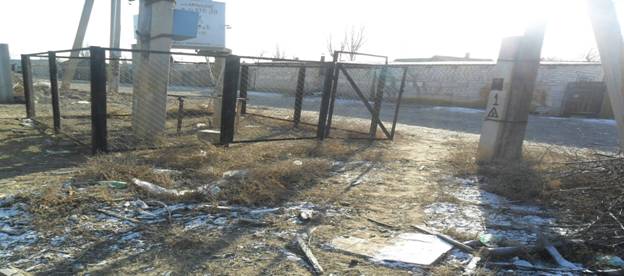
” Ecological problems in Protochnoye”
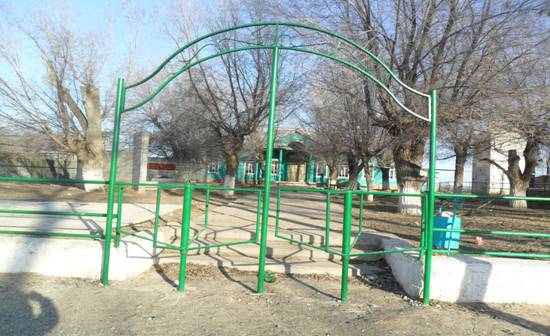
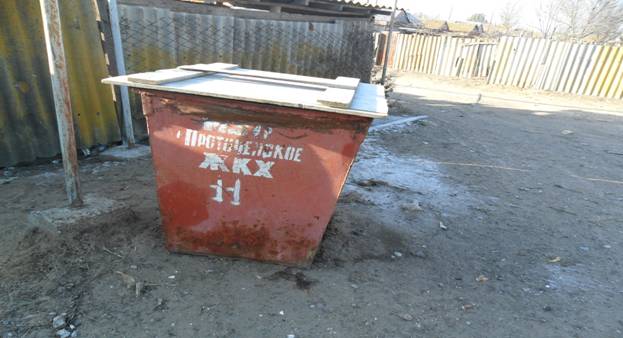
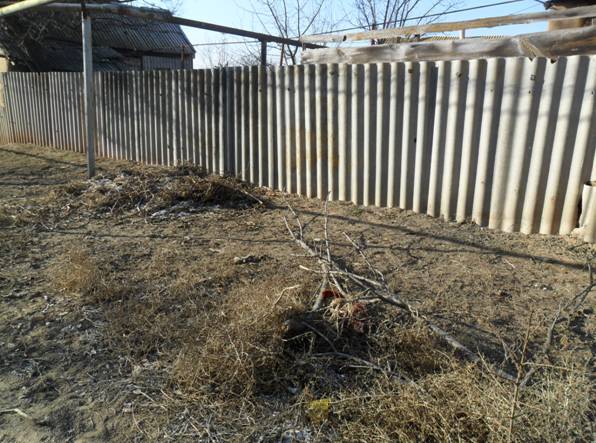
Ecological situation in Protochnoye becomes worse. Inhabitants put the problem of water supply sharply in local, region administrations, in the press. Sources of underground water are found not far from the main road. Authorities promise to give us clean and healthy water. But we need to have a water pipe repaired. Dirty water lakes can be seen in many places. The sewerage should be built in Protochnoje in the nearest future. Fertile soil has destroyed. Swamps have appeared. Birch groves have died. Trees can not grow.
We plant trees but we have no large parks in Protochnoye.
And one more munal workers try to
clean our streets, the victory Square every day and on holiday’s eve. And
what do they look like the next day after the holidays? – Trash is
everywhere; most part of waste comes from packaging! People should
care of their environment. There is no other way.
Slogan:”Keep Protochnoye tidy!”
7) Trash. At the end of 20 th century each person in the USA threw away
2 kg. of trash daily. You would fill 45000 trash trucks every day! A large
part of this waste comes from packaging. Some companies have started recycling projects. Everyone should try to throw away less. But it is not enough today.
Активизация творческой деятельности учащихся в процессе
представления газеты.
Учащиеся демонстрируют и обсуждают материалы газеты
« Our Environment is in Danger»
3 ученика представляют рубрики газеты:
- How long litter lasts
- Do you know…
- What to do?
Работа с лексикой по теме «Environmental problems с целью
дальнейшего включения лексического запаса для составления списка
экологических проблем.
На доске выписаны английские и русские словосочетания вразброс
Задание: Match the English word combinations with Russian.
- проблемы окружающей среды – environmental problems
- экологическая катастрофа - environmental disaster
- экологическая безопасность - environmental safety
-- акции в защиту окружающей среды - environmental actions
-- защита определенной среды - environmental protection
 -- экологическая система - environmental system
Cамостоятельная работа учащихся в тетрадях с целью сделать
выводы о проделанной работе на уроке.
Составление списка проблем окружающей среды.
На доске заголовок таблицы.
Задание: Write a list of serious environmental problems!
Учащиеся самостоятельно работают над составлением списка,
а затем зачитывают проблемы и вписывают их в таблицу на доске
The list of serious environmental problems could be continued.
What should be done: | We should… |
1) to lower harmful substances in the air? | 1) invent new types of cars, find out ways to make cool burn more clearly |
2) to stop the danger of environmental disaster? | 2) attract more public attention to environmental problems. |
3) to attract more public attention to environmental problems? | 3) take part in the environmental actions, there are many organizations which have worked out hundreds of projects to protect nature, for example. “Greenpeace,”Friends of Earth”, etc. |
4) to keep the streets of towns tidy and clean? | 4) put litter in the containers, plant trees and flowers. |
5) to solve the problem of communal waste in towns? | 5) clean streets and yards regularly, use less packaging, build recycling factories and recycle wastes. |
. Заключительная часть.
Подведение итогов урока, достигнутых результатов
Teacher:
So, in spite of everything, we know that the Earth is our common home.
All inhabitants – people, animals and birds need to live in peace and harmony. Let’s adopt the result of our lesson.
Pupils: - We’ve spoken about ecological problems in the world and in our
village;
- We’ve drawn the newspaper “Our Environment is in Danger”;
- We’ve repeated words and expressions on the theme;
- We’ve written the list of serious environmental problems, what
people should do.
- Now we say “no” or “yes” to these problems.
Учащиеся выходят с плакатами в 2 группы и зачитывают их.
Плакаты.
I. Say “no”:
1) Different wars
2) Battles against wildlife
3) Ignorant using of natural resources
4) Everything that threatens the Earth biosphere, threatens people,
threatens each person.
II. We say “yes”
1) Peaceful life
2) Love and responsibility for wildlife
3) New biological ways of agricultural development
4) Science and wisdom
5) Ecological culture.
We should:
Pick up litter
Use less paper, less packaging
Buy milk or juice in cartons, not in plastic bottles
Help communal workers to keep Protochnoje tidy
Pupil: We are satisfied with our work. We’ve learned much about
ecological problems from textbooks, newspapers, Internet. We think it
is very important to treat our environment carefully and do everything to
 live in harmony with our nature.
We
Учитель: I hope, the lesson was interesting and useful for you.
And I give you only good & excellent marks. Thank you.
ЛИТЕРАТУРА
1.Венедиктова деятельность учащихся на уроках
немецкого языка // Иностранные языки в школе.2002. №1.
2. Климентьева для чтения к учебному изданию “Счастливый английский-2”. Обнинск: Титул, 19с.
3.Лозневая экологии // Иностранные языки в школе. 2001.№1
4. Из опыта работы по проектной методике // Иностранные языки в школе.2002. № 1.
5.Полат проектов на уроках иностранного языка // Иностранные языки в школе.2000.№2,3.
6. Рабкесова окружающей среды // Иностранные языки в школе.2000.№6
7. Туркина над проектом при обучении английскому языку // Иностранные языки в школе. 2002.№3.
8. http:// *****/shkola/inostrannye – yazyki.
