

Партнерка на США и Канаду по недвижимости, выплаты в крипто
- 30% recurring commission
- Выплаты в USDT
- Вывод каждую неделю
- Комиссия до 5 лет за каждого referral
|
MOSCOW |
THE CAPITAL OF THE RUSSIAN FEDERATION |
Geography |
. |
Info |
It has a total area of |
1,100 |
square kms |
42 kms from the North to the South |
35 kms from the East to the West |
|
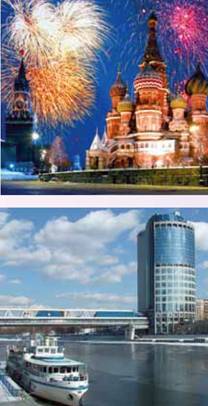
Moscow - the capital of Russia, and the center of the Moscow region - is located at a latitude of 55.55o North and 37.37o to the East of the Greenwich Meridian, in the center of the East-European Plain. Moscow lies at a height of 30-35 meters above the Moscow River, and about 150 meters |
above the sea level. |
The central and eastern parts of the city are flatter and lower, and a major part of the city's area is occupied by the valley of the Moscow River and its tributaries. |
Moscow is the largest among the |
biggest capitals. |
The Moscow climate is moderately continental. |
|

Average summer temperatures range from 15oC to 25oC |
Average winter temperatures range from -25oC (minimum) to 0oC (maximum) |
Autumn and spring temperatures vary between 0oC and 15oC |
|
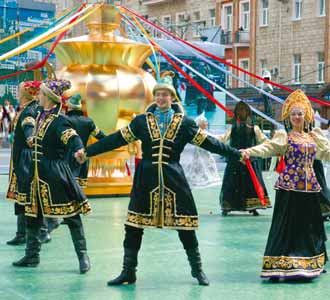
There are representatives of 160 nations and ethnic groups living in Moscow. These include Russians, Tatars, Jews, people from the Caucasus republics and many others. |
More than five million Muscovites work in industry, construction, scientific institutions, transport services sector as well as in catering services sector, educational and cultural institutions, health and social security, housing and social services and management. |
|
Moscow is one of the world's biggest megalopolises. Its population is more than 10 million people, together with its guests and visitors Moscow hosts daily about 17 million people. |
The Government |
The City Government |
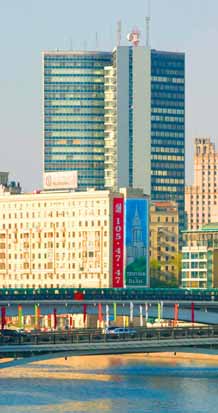
The City Government is, in accordance with the City Charter, the highest executive authority in Moscow. The highest ranking official in the City Government, as provided in the City Charter, is the Mayor, who appoints and removes other members of the City Government. |
The members of the City Government include: |
• The Mayor; • First Deputy Mayors, who are responsible for the primary spheres of activity of the City Government; • Deputy Mayors; • Head of the Office of the City Government; • Ministers • Prefects of the Administrative Regions, who are in charge of the City's regions. |
The Executive Office of the City Government comprises various departments, committees, directorates, inspectorates and their respective subsidiary organizations established pursuant to the City Charter. |
|
|

|
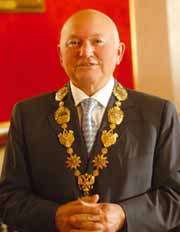
The Mayor of Moscow Mr. Yury Luzhkov was reelected directly by the Muscovites on December 7, 2003 for another term of 4 years. Within the limits set by Federal and City laws, the Mayor appoints the City Government, defines the authority of the various departments within the Executive Office of the Government and directs their activities. Pursuant to the City Charter, the Mayor may present legislative proposals (bills) to the City Parliament |
(City Duma) for its consideration. The Mayor also has the power to veto |
any legislation promulgated by the City Duma. |
At the head of Moscow since 1992, Mr. Yury Luzhkov is internation |
ally considered as one of the most successful mayors and experi |
enced politicians of the world. |
|
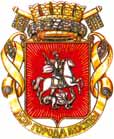
The Mayor's official sign |
The Moscow City Hall |
|
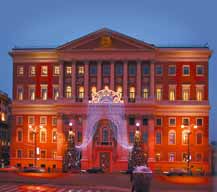
Moscow Russia |
The Mayor |
|

The City Duma |
The official sign of the Chairman of the Moscow City Duma |
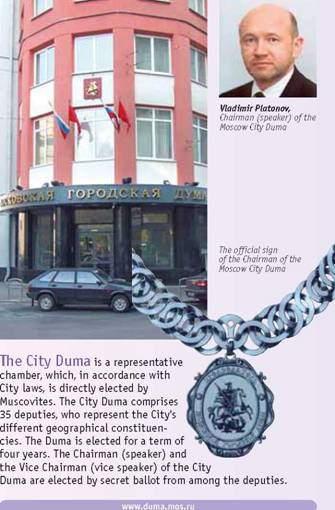
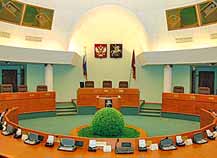
The City Duma is a representative chamber, which, in accordance with City laws, is directly elected by Muscovites. The City Duma comprises 35 deputies, who represent the City's different geographical constituencies. The Duma is elected for a term of four years. The Chairman (speaker) and |
|

|
|
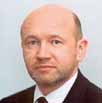
The City Duma is responsible for enacting the City's laws, approves the City's General Development Plan, establishes working procedure for Administrative Regions and Districts. |
The City Duma works in sessions, although it also has a number of working groups and committees. Its principal permanent committees include: the Budgetary and Finance Committee, the Committee on Economic Policy, the Social Policy Committee, the Housing Policy and Reforms Committee, the Committee on Public Utilities and Municipal Reforms, the Committee on Environmental Policy, the Committee on Security, the Committee on Legislation, the State Development and Self-Governance Committee and the Committee on the City Duma's Activities. |
Legislation may be initiated by the City Duma through its deputies and various committees and working groups, although most laws are initiated by the City Government and approved by the Mayor and then submitted to the City Duma for enactment. |
The City Duma has the power to vote on the performance of the City Government and can, in certain circumstances, pass motions of no confidence in relation to the whole of the City Government or particular officials, including the Mayor. |
|
Moscow Russia |
The City Duma |
|

The City is divided into 10 Main Administrative Regions |
|
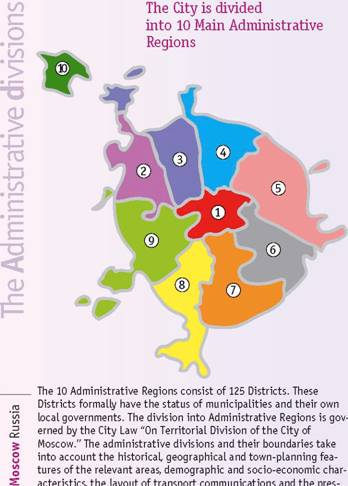
The 10 Administrative Regions consist of 125 Districts. These Districts formally have the status of municipalities and their own local governments. The division into Administrative Regions is governed by the City Law “On Territorial Division of the City of Moscow.” The administrative divisions and their boundaries take into account the historical, geographical and town-planning features of the relevant areas, demographic and socio-economic characteristics, the layout of transport communications and the presence of engineering infrastructure and the ability to regulate local matters in the interests of the population. |
|
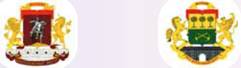
1. Tsentralny (Central) 6. Yugo-Vostochny (South-Eastern) |
|

2. Severo-Zapadny (North-Western) 7. Yuzhny (Southern) |
|
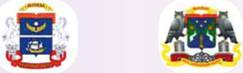
3. Severny (Northern) 8. Yugo-Zapadny (South-Western) |
The Administrative divisions |
|
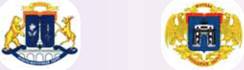
4. Severo-Vostochny (North-Eastern) 9. Zapadny (Western) |
|
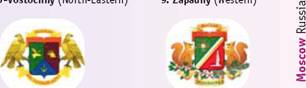
5. Vostochny (Eastern) 10. The City of Zelenograd |
History |
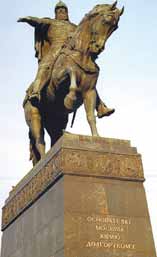
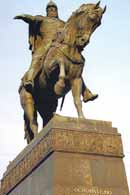
The first reference in the Chronicles to Moscow was made in 1147 during the reign of Prince Yury Dolgoruky. In reality, however, the area around the modern Moscow Kremlin had been inhabited before the XII century. The city occupied a central geographical position and was close to the major river |
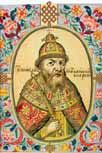
Prince Yuri Dolgoruky trade routes. Ivan (IV) the Terrible |
During his reign Ivan (IV) the Terrible (), the first ruler to be crowned 'Tsar' raised the international status of Moscow, which continued to grow, and by the middle of the XVI century, its population of 100,000 made it one of the largest cities in Europe. The main part of the town (the Kremlin) was enclosed by a brick wall. |
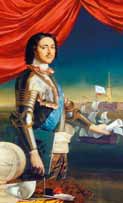
Hundred years later, Peter I - also known as Peter the Great, the Russian Tsar from 1682 and the Russian Emperor from 1721 played an exceptionally significant role in the history of Russia. Peter's reforms changed the whole of Russia, including Moscow. Though St. Petersburg, the city founded by Peter the Great, became the new capital of Russia in 1712, and a part of the Moscow population moved there, Moscow, however, remained the largest economic and cultural center of the country. Only 206 years later, in March 1918, the status of the country's capital returned back to Moscow. |
|
|
Peter I |
|
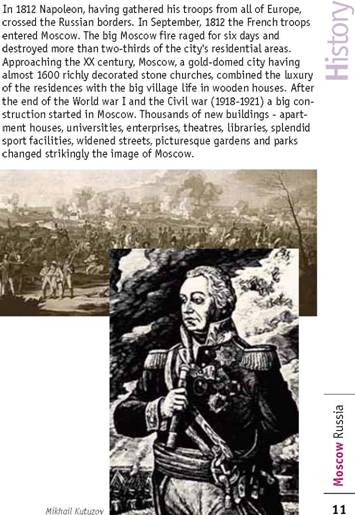
In 1812 Napoleon, having gathered his troops from all of Europe, crossed the Russian borders. In September, 1812 the French troops entered Moscow. The big Moscow fire raged for six days and destroyed more than two-thirds of the city's residential areas. Approaching the XX century, Moscow, a gold-domed city having almost 1600 richly decorated stone churches, combined the luxury of the residences with the big village life in wooden houses. After the end of the World war I and the Civil war () a big construction started in Moscow. Thousands of new buildings - apartment houses, universities, enterprises, theatres, libraries, splendid sport facilities, widened streets, picturesque gardens and parks changed strikingly the image of Moscow. |
|
11 |
Mikhail Kutuzov |
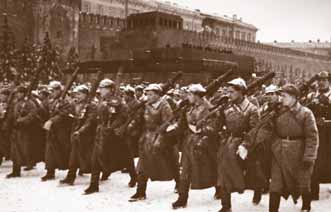
The war Parade on November 7, 1941 |
|
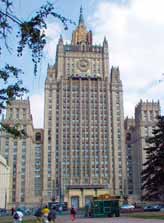
The German invasion in 1941 interrupted the peaceful life of the Muscovites, many of whom gave their lives to save the country. December 2006 marked the 65th anniversary of the heroic battle of Moscow kept in the thankful memory of the present generations as the turning point in the war towards the Great Victory of 1945. |
A huge work has been accomplished to make Moscow recover from the war destruction and enable the city to continue its peaceful development to what it is now one of the most attractive and interesting capitals on the globe and for so many people - the Muscovites above all - the best city the world over. |
|
ble of buildings with an architectural variety that reveals a long and fascinating history. |
The foundation of the Kremlin is attributed to Prince Yuri Dolgoruky, who built the first wooden fort on a hill in 1147. The word “kremlin” means |
|

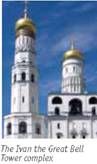
The Ivan the Great Bell Tower complex |
|
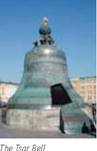
The Tsar Bell |
|
. |
“fortification” or |
Info |
“citadel” in Russian |
Moscow language. Kremlin As the fortress was 2,235enlarged and devel-meters of oped, the city of Moscow rapidly sprung up around it. Between wall |
andand 1340, the fortress was rebuilt with new walls and oak tow-towers |
ers, but due to the constant threat of fire damage, in 1366 it was |
ordered to construct a large white-stone wall around the fortress to protect the end of the XIV century, the fortress was filled with churches, monasteries and manors housing the Grand Prince's retainers and the local nobility. |
Address: Kremlin, Sobornaya Ploshchad, Kremlin, Moscow Metro: Alexandrovsky Sad/Biblioteka imini Lenina/Borovitskaya/Okhotny Ryad |
• Opens Fridays - Wednesdays from 10:00 a. m. to 5:00 p. m., and is closed on Thursdays |
Moscow Russia |
|

The Red Square |
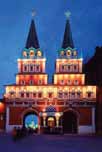
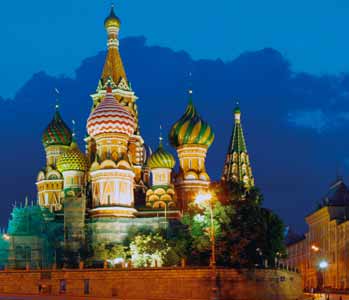
The Red Square is the main square of the Russian capital. Its history is inseparably linked with the history of the Kremlin and Moscow. According to Chronicles, the square took its shape in the late XV century, when Ivan III ordered that all wooden structures around the Kremlin, which were potential fire hazards, be pulled down and a marketplace be built instead. Later it received its current name, whose first meaning is not red, but beautiful, fair, and the best. |
Voskresenskye (Iverskye) Gate |
|
|
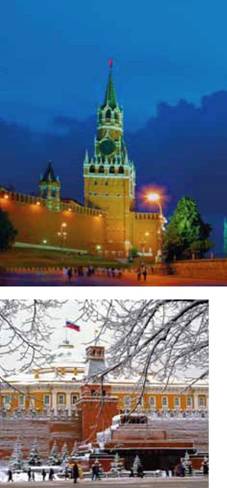
Lenin's Mausoleum |
|

|
Statue of Minin and Pozharsky |
|
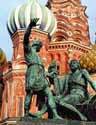
The Red Square witnessed many epochal historical events. In 1612, its bells rang out to meet the voluntary home guard rallied by Minin and Pozharsky, and two centuries later, they greeted Kutuzov's army, which liberated Moscow from Napoleon's troops. It witnessed the historic parade of 1941, when soldiers marched across the square and went from there straight to the war-fronts, and, of course, the memorable Victory Parade of 1945, when the Nazi flags were cast on the ground in front of the Kremlin walls. |
Moscow Russia |
The Red Square |
Address: 4 Krasnaya Ploshad, Kremlin, Moscow Metro: Ploshchad Revolutsii/Alexandrovsky Sad/Kitai Gorod |
• Wednesdays - Mondays from 11:00 a. m. to 5.30 p. m., closed Thursdays |
|

|
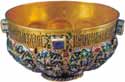
 Gold bowl belonged to the Tsar Alexei Mikhailovich
|
The Armoury Chamber is the oldest muse |
um in Russia. It is the treasure house of |
the Russian state, which has been formed |
during |
many cen |
turies. |
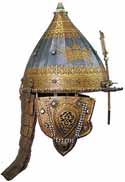
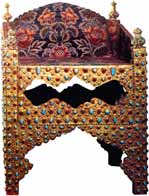
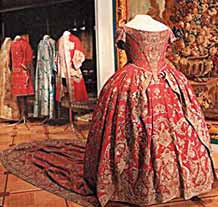
Here, one can see a unique and one of the world's richest collections of ancient state crown royal regalia, jewels, gems, icon covers, crosses, thrones, carriages, coronation robes and top clergy vestments, Faberge Royal Easter eggs, etc. Nothing is placed here by chance or that lacks artistic value. Almost each exhibit here is directly related to some major historical events or personalities in Russia. |
|
|
Address: Sobornaya Ploshad, Kremlin, Moscow Metro: Borovitskaya/Alexandrovsky Sad |
• Opens Fridays - Wednesdays from 10:00 a. m. to 5:00 p. m. (closed for lunch at |
12:00 a. m. - 2:00 p. m.), closed on Thursdays |
|

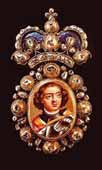
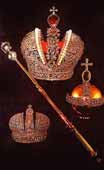
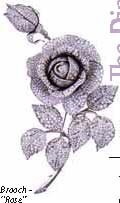
The Diamond Fund is a precious collection, most of which is made up of forearm-sized nuggets of gold. The centerpiece is Catherine the Great's French-made crown and sceptre. The crown is made of almost 5,000 diamonds. Her scepter contains the 190-carat Orlov Diamond. |
|

The Portrait of Peter the Great |
|
The Great, Minor ImperialCrowns, Sceptre and Orb |
|
|
Moscow Russia |
Address: Sobornaya Ploshad, Kremlin, Moscow Metro: Borovitskaya / Alexandrovsky Sad |
• Opens Friday - Wednesday 10:00 a. m. to 5:00 p. m. (closed for lunch 12:00 a. m. |
2:00 p. m.), closed on Thursdays |
|

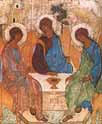
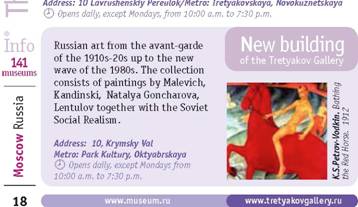
The State Tretyakov Gallery is the national treasury of Russian fine art |
and one of the greatest museums in the world. It is located in Zamoskvo-rechye, one of the oldest districts of Moscow, which is just a stone's throw from the Kremlin. The Gallery's collection consists entirely of Russian art and artists, who have made huge contributions to the history of Russian art. The collection contains more than 130,000 works of painting, sculpture and graphics, which have been created throughout the centuries by successive generations of Russian *****ssian art works, ranging the XI to the early XX century, are on display in the Gallery's historic building on Lavrushensky Pereulok. |
Andrei Rublyov |
Old Testament Trinity Moscow. 1420s |
|
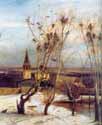
I. K.Savrasov |
Rooks arrived. 1871 |
|
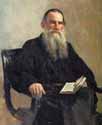
I. E.Repin |
Portrait of L. N.Tolstoy. 1887 |
|
• Opens daily, except Mondays, from 10:00 a. m. to 7:30 p. m. |
|
 The Tretyakov Picture Gallery
one of the largest collections |
of the word, a unique store |
house of invaluable art treas |
ures. Now, the collection totals |
more than 560,000 objects of foreign painting and plastics, graphic works, products of applied art, monuments of archeology and numismatics of different historical periods. The pride of the Museum is the Picture Gallery, where |
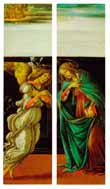
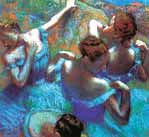
The Pushkin State Museum of Fine Arts is |
Moscow Russia |
The Pushkin Museum of Fine Arts |
|
Alessandro Botticelli |
The Annunciation, 1490 |
Rembrandt. Artaxerxes, Haman, and Esther |
|
|
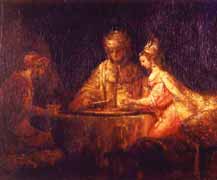
the masterpieces of Rembrandt, Rubens, Claude Monet, Van Gogh, Gauguin, Picasso are on display. The magnificent building of the Museum is right in the heart of Moscow in close proximity to the Temple of Christ the Savior, the Kremlin and the Moscow River. |
Edgar Degas. Blue Dancers, late 1890s |
Address: 12 and 14, Volkhonka street/ Metro: Kropotkinskaja |
|
 • Opens daily, except Mondays, from 10:00 a. m. to 7:00 p. m.
|

The Kuskovo Estate |
|
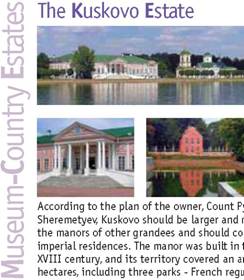
The Kuskovo Estate (or Palace) was created in full conformity with the tastes and rules of the Russian nobility life and art of XVIII century. It is the composite center of the “Kuskovo” ensemble, one of the earliest samples of summer country residences in Russia. |
According to the plan of the owner, Count Pyotr Borisovich Sheremetyev, Kuskovo should be larger and more beautiful than the manors of other grandees and should compare well with the imperial residences. The manor was built in the 30-90s of the XVIII century, and its territory covered an area of more than 300 hectares, including three parks - French regular, English landscape and Zaprudny - and a system of ponds and channels, small and big architectural park ensembles. |
The Arkhangelskoye Estate |
Arkhangelskoye is a remarkable memorial of the Russian art culture of the end of the XVIII and the beginning of XIX centuries. It is widely famous for the grand beauty of its Palace and Park ensemble and the magnificence of its various collections of paintings, drawings, sculpture, decorative applied arts and collection of rare books. The museum collection of sculpture (VII century b. c. beginning of the XX century) is based on the former Yusupov collec |
20 tion with the most important types and genres of plastic arts. |
|
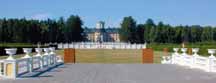
The Ostankino Palace |
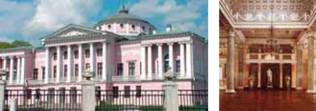
The Ostankino Museum is an excellent representative of the Russian culture of the end of the XVIII century. Originally, a wooden church of the Life-Giving Trinity was built on that place in the XVII by the owners of the mansion princes Cherkasskys. A stone brick-red cathedral trimmed with white fretted stone and colored tiles was erected there. In 1743, the mansion came into the possession of Count Sheremetyev one of the most educated aristocrats of the XVIII century. He was known for his great love for art, sciences, literature, and theater. Sheremetyev brought under the same roof a theater, a library, an art gallery, an armoury and scientific rooms. Famous architects I. Starov, |
V. Brenna, F. Kamporezi, and the serf architects - I. P. Argunov, |
A. F. Mironov, G. E. Dikushin - designed and built the Palace. The theater, stood in the center of this composition in the Palace. Performances here were usually followed by balls. After Sheremetyev |
|
Moscow Russia |
Museum-Country Estates |
died in 1809, life in Ostankino came to a standstill. In the end of the XIX century, the Palace with the picturesque park became a private museum. Nowadays, the Ostankinsky Palace is the only Russian and one of the few European theater buildings of the end of the XVIII century that has not been destroyed. The Palace's carved golden furniture, sculpture, porcelain, Western European painting, graphics and a collection of musical instruments are exhibited in the museum. Concerts of ancient chamber music, opera performances from the repertoire of the Sheremetyev's era still take place in the Ostankinsky Theater today. |
Address: 5 First Ostankinskaya Street/Metro: VDNKh |
• Opens Wednesday - Sunday 10:00 a. m. to 6:00 p. m. from May to September |
|

Churches |
Monasteries |
Convents |
As the spiritual home of the Russian Orthodox Church, Moscow boasts a fascinating religious history and an impressive legacy of ecclesiastical architecture. The church has always played a vital role in Russian society, and still does today. |
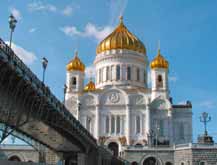
The Cathedral of Christ the Savior |
is a magnificent replica of the XIX century church designed by architect Konstantin Ton to commemorate the Russian victory over the French in the Napoleonic War. It was demolished on Stalin's orders in the 1930s, but rebuilt in the 1990s to mark the 850th foundation anniversary of Moscow. |
Danilov Monastery |
was built in the XIII century by Prince Daniil Moskovsky, the youngest son of Alexander Nevsky, and is believed to be the oldest monastery in Moscow. It was only in 1983, over 50 years after its closure, that the Danilov Monastery was returned to the Church and became the official residence of the Moscow Patriarch and the seat of the Holy Synod, which had previously been housed at the Trinity Monastery of |
22 St. Sergei, just outside Moscow. |
|
|
|
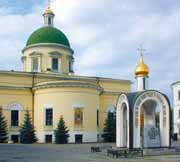
Andronikov Monastery |
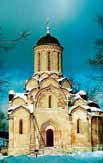
is a XIV century monastery that was built on the steep eastern bank of the Yauza River and was once the seminary of the famous Russian monk and icon painter, Andrei Rublyov. For those enticed by the Andrei Rublyov Museum, the collection is currently housed in various buildings in the monastery complex. |
The Novodevichy Convent |
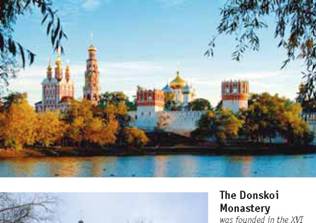
The New Nunnery (or Maiden) is one of the most beautiful Moscow convents. The XVI-XVII centuries complex of 15 buildings surrounded by golden domes, is one of the oldest religious complexes in Moscow and serves as graves for a few highly prominent public and famous cultural figures in the Russian history. |
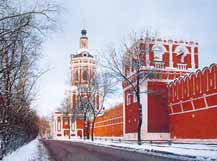
The Donskoi Monastery |
was founded in the XVI |
|
|
. |
Info |
532 |
Orthodox churches |
9 |
Monasteries and convents |
century by Boris Godunov in honor of the Donskaya Icon of the Mother of God, which was believed to have delivered Moscow from the repeated attacks of the Crimean Khanates in that century. |
Moscow Russia |
|
23 |
Architecture |
Discover the architectural treasure of the old Moscow. Walk down the picturesque streets, where XVII century manors and samples of the early XX century architecture stay side by side. Pay attention to the cultural heritage of the former Soviet Union and the most incredible and grandiose projects of the epoch: the Russian constructivism of the 1930s is still admired by architects of the world along with unique skyscrapers of Stalin baroque (1950s). Many curious revelations await you at every turn. And everyone finds and enjoys his/her personal Moscow: the village of Ivan the Terrible or the town of Peter the Great, the fine XIX or the rash XX centuries. |
|
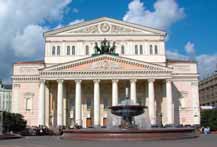
The Bolshoi Theater |
|
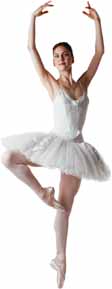 The Bolshoi Theater, a masterpiece of Russian classicism, crowns the Theater Square one of the most beautiful squares in Moscow. The building was constructed in 1824 by Russian architect Joseph Bove and restored after the fire of 1853 by architect Kavoss. The Bolshoi Theater earned world fame and popularity, thanks to the classical school of Russian ballet, whose founder was the world famous French choreographer, Marius Petipa, who worked in Russia at the time. Such ballets as The Swan Lake, The Nutcracker, The Sleeping Beauty, Romeo and Juliet, Spartacus, Don Quichote, Bayaderka and Carmen Suite have become the treasury of the Russian ballet art. Over 800 opera and ballet performances have been staged in the Bolshoi Theater since its foundation.
|
 In the 21st century, the theater continues to attract new lovers and admirers of ballet and opera, which are the pride of the Russian art and culture.
|

The Stanislavsky and Nemirovicyh-Danchenko Musical Theater |
Classical and modern operas, ballets and operettas are staged here. This theater may be less famous than the Bolshoi, but its performances are generally less expensive, and often, far superior to those of the Bolshoi. |
Moscow Russia |
|

Music Halls |
The Tchaikovsky Conservatory |
Rachmaninoff, Scriabin and Tchaikovsky are among the famous composers who had worked here. The acoustics of the magnificent Great Hall are superb, and portraits of the world's great composers hang above the high balcony. The adjacent Small Hall is usually reserved for chamber music concerts. |
|
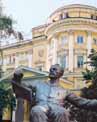
|

The Tchaikovsky Concert Hall |
The Tchaikovsky Concert Hall hosts regular concerts by the Russian State Symphony Orchestra and many visiting international orchestras, ensembles, choirs, soloists and conductors. |
|
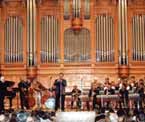
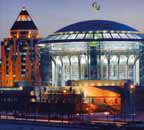
Moscow International Performance Arts Center |
Moscow International Performance Arts Center, also known as the Moscow International House of Music, opened its halls to performers and guests in March 2003. In December 2004, the biggest organ in Russia was installed in the Svetlanov Hall. Guests and performers of the House of Music are impressed by the graceful architecture of this venue. |
|
|

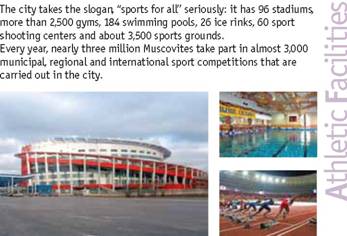
The city takes the slogan, “sports for all” seriously: it has 96 stadiums, more than 2,500 gyms, 184 swimming pools, 26 ice rinks, 60 sport shooting centers and about 3,500 sports grounds. Every year, nearly three million Muscovites take part in almost 3,000 municipal, regional and international sport competitions that are carried out in the city. |
|
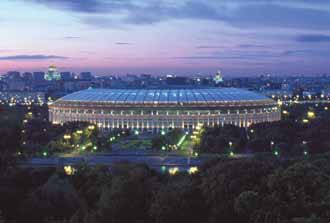
The Olympic Luzhniki Sports Complex hosted the Opening and Closing Ceremonies of the XXII Moscow Olympic Games in 1980. It can accommodate more than 80,000 people at the same time. |
|
Moscow Russia |
New Air Gateways of Moscow |
|
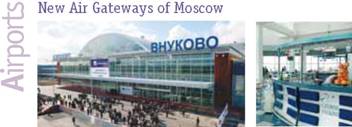
The Vnukovo Airport belongs to the City of Moscow and is located in its south-western outskirts, 28 kilometers from the city's center. It is connected with the city by the newly constructed speedy highway, the special railway connection and a “light metro” line. Today, a wide range of services is offered to both passengers and airlines, including round-the-world passenger, cargo, and business flights. These days, the airport is going through an active and ambitious growth phase. An all-encompassing Airport Renovation and Construction Plan, which is currently underway at the airport with the backing of the Moscow City Government, is expected to be completed in 2015. It is aimed at transforming the Vnukovo International Airport into a highly competitive international hub and a leading transit hub between Europe and Asia. |
|
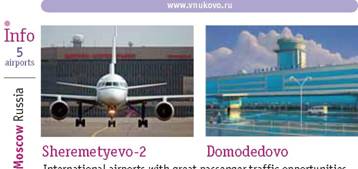
Sheremetyevo-2 Domodedovo |
International airports with great passenger traffic opportunities. |
|

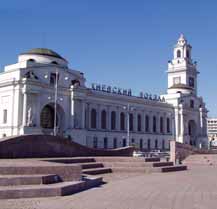
Railway Stations |
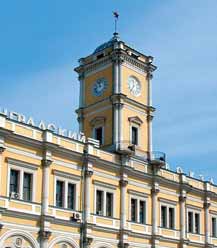
Moscow is served by nine major train stations, welcoming trains from |
St. Petersburg and Helsinki, Siberia, Central Asia, Southern Russia, |
Eastern Europe and the Baltic States. The city also receives visitors from all over Russia, Eastern Europe and the Baltic States at its central bus station, near the VDNKh Metro Station, and has various river terminals. |
Aurora. The train to St. Petersburg from the Leningradsky railway station |
Railway Stations |
|
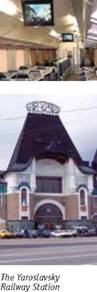
The YaroslavskyRailway Station |
|
|
. |
Info |
9 |
railway stations |
Moscow Russia |
29 |
Economy |
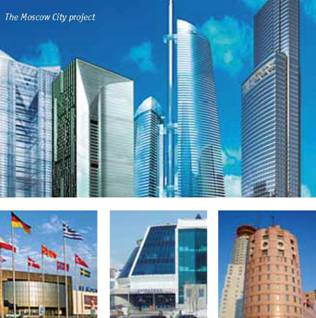
Today Moscow is an upcoming industrial megalopolis. The Moscow Government is doing its best for business development and attracting investments. Results are visible: apartment houses, sport facilities, business centers and malls are rising up all over the city. Foreign investments in Moscow made in 2006 - near 24 billion US dollars are still growing. In November 2006 Moscow was awarded at the World Fair in Munich, Germany, the first place in the world for its business and investment attractiveness and was named “the best city of the future”. More and more foreign companies are opening their representative offices in the city. In downtown, a huge commercial complex, the Moscow City project, with its own subway station, is opening its doors. To get there, one can use the modern gallery bridge over the Moscow River. There is foreseen a high-speed train service between the Sheremetyevo Airport and the commercial complex. |
|
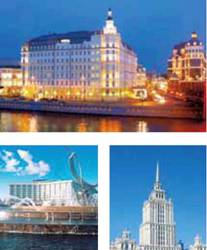
If you are to visit Moscow as a tourist or on business, or you are planning to meet your partners in Moscow and need accommodation, you can reserve a hotel of any level - from the tourist class to the five-star luxurious hotels. Moscow has hundreds of hotels. All hotels have their attractive peculiarities: for instance, such Moscow hotels as the legendary Metropol or the splendid Baltschug-Kempinski are situated at the very center of the city, near the Kremlin and other interested places. Other hotels such as Radisson Slavjanskaya and Ukraina are situated on the bank of the Moscow River, while Izmailovo Gamma-Delta is located in one of the most prestigious and ecologically clean areas of Moscow. Other Moscow hotels also have their own advantages. |
Baltschug-Kempinski ***** |
Stunning views of the Moskva River, and impeccable service in the very heart of Moscow. |
Hotels |
|
|
. |
Info |
148 |
hotels |
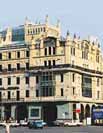
Metropol ***** |
The legendary Moscow's |
opulence and hospitality can be found at Metropol. Not surprisingly, over the years the Art Nouveau Hotel Metropol has housed both political figures and international celebrities alike |
Moscow Russia |
Radisson Slavjanskaya **** |
Ukraina *** |
|
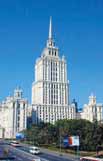
Marvel at the panoramic views and the combination of Stalinist architecture and Renaissance finery |
|

RussianCuisine |
Restaurants |
Foreigners usually associate the Russian cuisine with its most famous dishes and appetizers: smoked sturgeon (balyk), freshly-salted salmon, red, black or pink (white-fish) caviar, pickled mushrooms. And, of course, with the crystal-clear Russian vodka, which is a perfect accompaniment to these dishes. However, to get a complete picture of the richness of Russia's national cuisine one has to taste its traditional soups and hot dishes: bortsch (thick soup), pelmeny, famous pirozhky, not forgetting desserts and sweets (varenye, petshenye) and many other dishes. In fact, this richness in cuisine can help to explain one of Russia's many mysteries: the legendary warm hospitality of Russians in general. |
|
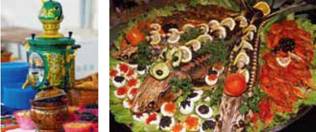
Experience Moscow's many international dining tables. With hundreds of restaurants, there is something to satisfy |
. |
everyone's taste - from the traditional Russian |
Info |
food to the delicacies of the Far East. |
6,000 |
restaurants |
The Russian people have always been gourmets. “The house is |
|
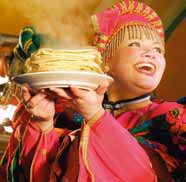
noted for its pies, not for its interior,” says a Russian proverb. |
32 |
|

** |
|
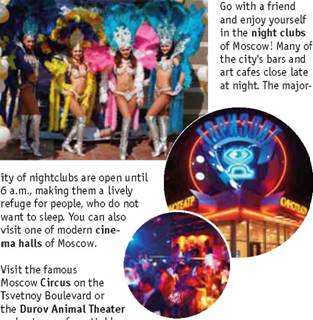
Go with a friend and enjoy yourself in the night clubs of Moscow! Many of the city's bars and art cafes close late at night. The major |
ity of nightclubs are open until 6 a. m., making them a lively refuge for people, who do not want to sleep. You can also visit one of modern cinema halls of Moscow. |
Visit the famous Moscow Circus on the Tsvetnoy Boulevard or the Durov Animal Theater and get an unforgettable impression. The Russian Circus is a unique phenomenon in the world's history of culture due to its genre varieties. |
|
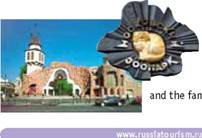
 The perfect day out for the kids! The Moscow Zoo boasts more than 5,000 rare and exotic animals and birds. Make sure you do not miss the monkey and cat houses and the fantastic aquariums!
|

Moscow Russia |
Entertainment |
|
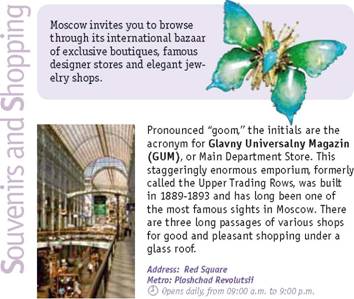
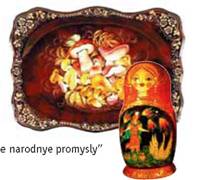
For good souvenir hunting, you can certainly head straight to the Stary (Old) Arbat. Stores here cater to tourists and the Moscow's expatriate community, so you can expect good selection and service, but prices are on the high end. Its individual outdoor vendors invariably charge much more than they should, so stick to the stores. However if you want to acquire a real piece of art from the traditional Russian culture you have to contact “Russkye narodnye promysly” (Russian craftsmen’s works). |
|
|

|
|

Luzhniki |
Metro |
Тransport |
The Moscow Metro |
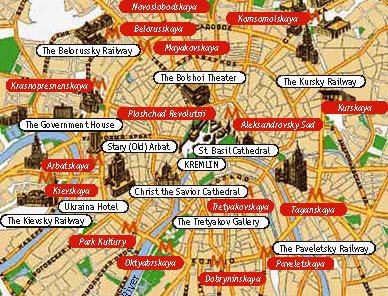
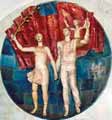
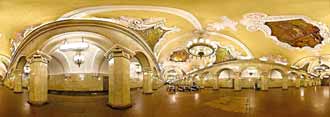
The Moscow Metro (Subway) was opened on May 15, 1935. The stations of the Moscow's subway system have often been called “the people's palaces” for their elegant designs, lavish and profuse use of marble, mosaics, sculptures and chandeliers. The best architects of Moscow worked on the metro project. Those wanting to get a glimpse of the best interiors of the Moscow Metro should take a look at some of the stations mentioned below (we recommend you to go to the Mayakovskaya, Arbatskaya, Belorusskaya, Kievskaya and Park Kultury stations). |
|
I Komsomolskaya Station |
|
 . nfo Moscow Metro
Public Transport |
System |
In Moscow all types of public transport are available: metro (subway), |
11 |
bus, trolleybus, tramway. Taxi, as in most countries, is a yellow car with |
lines |
checkers. There is also the so-called “marchroute taxis” - convenient |
172 |
stations minibuses circulating all over the capital and reaching its every corner. Moscow River Cruises. A two-hour |
|
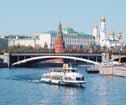
cruise on one of the boats along the Moscow River is truly a nice way to spend a hot summer day in the city. There is an open-air top deck and an enclosed bottom deck with a snack bar. You can embark and disembark from any of the docks along the way. |
36 |
|

|

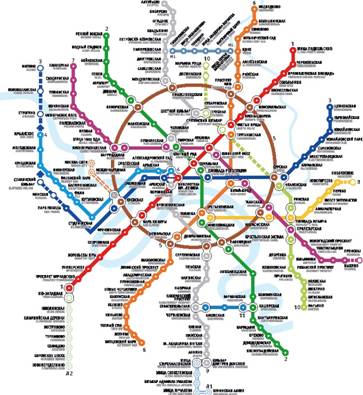
RAPID TRANSIT SYSTEMS OF MOSCOW |
9 |
|
Moscow Invites |
|
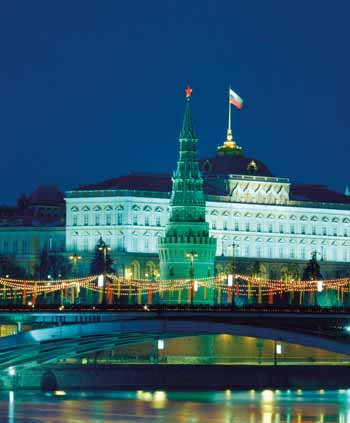
World wide known for its hospitality Moscow wholeheartedly opens its doors to all who want to know more about this unique city on the crossroads of human civilizations. Being the East of the West and the West of the East Moscow is the key to the Euro-Asian markets and cooperation. This is why so many people are interested in Moscow not only for tourism, but for business as well. It is here in |
38 Moscow where nothing is impossible, where the life is fascinating |
and attractive, where people are proud to live in, and a new human community emerged - that of the Muscovites, citizens and real dedicated friends of Moscow. Be a Muscovite, join Moscow, make it with all of us the best city the world over. Do not hesitate to ask for assistance. |
|
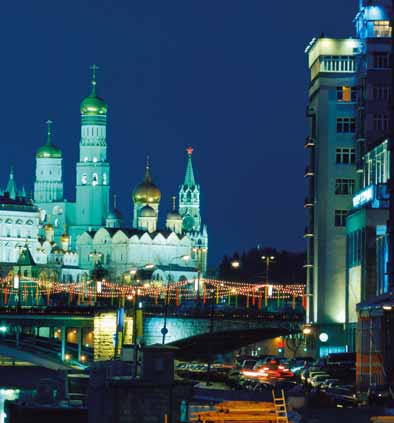
The Government of Moscow and its Department of International Relations are always at your service 39 |
Moscow Russia |
Contents |
3202834 |
Geography People The Government The Mayor The City Duma Administrative divisions History The Kremlin The Red Square The Armoury Chamber The Diamond Fund Collection The Tretyakov Picture Gallery The Pushkin Museum of Fine Arts Museum-Country Estates Churches, Monasteries, Convents Architecture Theaters Music Halls Athletic Facilities Airports Railway Stations Economy Hotels Russian Cuisine, Restaurants Entertainment Souvenirs and Shopping The Map of the Moscow centre Metro, Transport Rapid Transit Systems of Moscow Moscow Invites |
40 |
Peter I |
The Ivan the Great Bell Tower complex |
The Tsar Bell |
Voskresenskye (Iverskye) Gate |
Statue of Minin and Pozharsky Gold bowl belonged to the Tsar Alexei Mikhailovich |
The Portrait of Peter the Great |
The Great, Minor ImperialCrowns, Sceptre and Orb |
Andrei Rublyov |
Old Testament Trinity Moscow. 1420s |
I. K.Savrasov |
Rooks arrived. 1871 |
I. E.Repin |
Portrait of L. N.Tolstoy. 1887 |
Alessandro Botticelli |
The Annunciation, 1490 |
Rembrandt. Artaxerxes, Haman, and Esther |
Address: 12 and 14, Volkhonka street/ Metro: Kropotkinskaja |
The Donskoi Monastery |
was founded in the XVI |
The YaroslavskyRailway Station |
** |
I Komsomolskaya Station |
