


Партнерка на США и Канаду по недвижимости, выплаты в крипто
- 30% recurring commission
- Выплаты в USDT
- Вывод каждую неделю
- Комиссия до 5 лет за каждого referral
МИНИСТЕРСТВО ОБРАЗОВАНИЯ И НАУКИ РОССИЙСКОЙ ФЕДЕРАЦИИ
Федеральное государственное автономное образовательное
учреждение высшего профессионального образования
«ЮЖНЫЙ ФЕДЕРАЛЬНЫЙ УНИВЕРСИТЕТ»
Методические указания
по развитию навыков устной речи на английском языке
на семинарских занятиях по курсу
«Английский язык. Страноведение»
для студентов 4 и 5 курсов отделения «Туризм»
геолого-географического факультета ЮФУ
Ростов-на-Дону
2011
Методические указания разработаны старшим преподавателем кафедры англ. языка естественных факультетов
Ответственный рецензент доцент
Печатается в соответствии с решением кафедры английского языка естественных факультетов ЮФУ, протокол № от 2011 г.
Методическая записка
Данные методические указания предназначены для аудиторной работы студентов 4 и 5 курсов отделения «Туризм» на семинарских занятиях по курсу «Английский язык. Страноведение» и для самостоятельной подготовки к занятиям. Целью методических указаний является ознакомление студентов со структурой и содержанием курса «Страноведение» и с его содержанием, а также развитие навыков устной речи на английском языке по предложенным темам.
Курс «Страноведение» имеет модульную систему. Всего представлено 6 модулей:
1. «The Russian Federation»
2. «The USA»
3. «The U. K. »
4. «Canada»
5. «Australia»
6. «New Zealand»
Каждый модуль включает список новых слов по теме (Lexis), которые необходимы для снятия трудностей при понимании лекций на английском языке, и темы в вопросах для устного монологического высказывания (Questions) или презентаций студентов, которые являются планами семинарских занятий.
В данных методических указаниях также представлен раздел «Activities», в который включены различные виды тестов, заданий и квизов, которые предоставляют возможность узнать дополнительную информацию по страноведению, и повышают мотивацию студентов в изучении английского языка.
For 4 th-year-students
· Module 1
· «The Russian Federation»
· Module 2 «The United Kingdom of Great Britain and Northern Ireland»
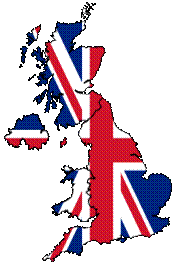
Module I “The RUSSIAN FEDERATION”
Lecture 1
Russia and the Russians
Lexis:
To emerge-появляться, возникать
Descendents - потомки
Byzantine - византийский
To disintegrate - распадаться
Successor (state)- преемник, наследник
Principality - княжество
Annexation - присоединение
Constituent - избиратель, составная часть
Dissolution - распад
GPD (Gross Domestic Product) - валовой продукт страны
Parity - равенство
Stockpile - запас, резерв
Clad sequentially - покрытый, одетый последовательно
Coniferous - хвойные
Migrants - переселенцы
Literacy - грамотность
Birth lag- отставание в рождаемости
Collapse - упадок, разрушение
Questions:
1. What kind of country is Russia? (General info).
2. Where is Russia located? What does it border on? (Geography)
3. What is the climate in the country like?(Climate)
4. How many ethnic groups live in the Russian Federation?(Population)
5. Do you find Russia an advanced economical and technological country in the world? Why? (Technology and science)
6. What are the Russians like? Name the main characteristics of the Russian people and symbols of the country.(Character, way of life, habits)
7. How can you characterize cultural life in Russia? (Culture)
8. What is the government consisting of? (Politics)
9. What is education in Russia provided by? (Education)
10. What outstanding figures of the country do you know? What are they famous for? (Which areas of life did they contribute to?)
Lecture 2
The history of the Russian Federation
Lexis:
Antiquity-древность, античность
Nomadic pastoralists-кочевник
Emporiums - рынок
To assimilate-приравнивать
Predecessor-предшественник
To assault-штурмовать
To inflict-причинять боль
Suzerainty-власть
Apostasy-отступничество
Indemnity-компенсация ущерба
Resentment-негодование, возмущение
Rivalry-соперничество
Vicious-злобный
To emancipate-освободить
Uprising-восстание
To abdicate - отречься от поста (трона)
Purge-очищение
Insurrection-мятеж, бунт
Ambush-засада
Expatriates-эмигрант
Faltering (economy)-ненадежная, неустойчивая
Stalemate - тупик
Questions:
1. Who settled Russia in prehistoric times?
2. What was the most powerful successor state before Kievan Rus?
3. When did the gathering of Russian lands happen?
4. Why was Ivan III famous in Russia at that time?
5. When did the Russian Empire appear?
6. What changes were introduced by Peter the Great?
7. What Russian tsars contributed greatly to the history of the country? (Paul I, Alexander I, Alexander II? Nikolay I)
8. What significant events in politics, economics technology took place in the soviet period in Russia?
9. What happened to Russia after the December 1991?
10. How can you characterize the modern period of the Russian history?
Lecture 3
Moscow and other Russian cities
Lexis:
Entire – весь, целый
Boreal - северный
Humid - влажный
Drastically - радикально
Vault-свод
Intricate-замысловатый, непростой
Spire-остроконечный купол
Wrought-iron-сварочная сталь
Ambience-окружение
To flock- стекаться, скапливаться
Ditch - ров
Creek-залив
Seizure-захват
Congregation-прихожане
Sepulcher-склеп, могила
worship-богослужение
relics-мощи
spit-отмель
How could you describe the following Russian cities?
1. Moscow
2. St. Petersburg
3. Novosibirsk
4. Nizhny Novgorod
5. Novgorod the Great
6. Vladivostok
7. Vladimir
8. Suzdal
9. Cities – heroes of World War II
10. Towns and cities of Rostov region
Лекция 4
Russian Heritage
Lexis:
Wonder-чудо
Renowned - прославленный
Macabre - мрачный
Intermingled - смешанный
Legacy - наследие
To brim- наполнять
Fiery - пламенный
Eerie - жуткий
Hissing - шипение
Terrain-местность
Traverse-пересекать
Chamois-серна
Roe deer - косуля
Sustenance-пропитание
Hibernation - спячка
Viper - гадюка
Shrine-храм
Inmate-обитатель
Ascension-подъем, восхождение
Weasel-ласка
Questions:
1. Do you think that Russia is an attractive tourist destination? Why?
2. What is Kamchatka famous for?
3. Why are the Caucasus Mountains popular with tourists?
4. What sights would you recommend visitors to see in Sochi?
5. Would you like to go to the Solovetsky Islands?
6. Do you think that Virgin Komi Forests are worth visiting? Why (not)?
7. What incredible lakes in Russia do you know?
8. Why is Lake Baikal famous all over the world?
9. What should tourists know about golden mountains of Altai?
10. What other amazing places in Russia have you been to/would you like to visit?
Module II “THE UNITED KINGDOM OF GREAT BRITAIN AND NORTHERN IRELAND”
Lecture 1
So different people
Lexis:
Haughty - надменный
Refugees - беженцы
Persecution - преследование
Residents - постоянные жители
Bowler - котелок
Courtesy - вежливость, учтивость
Appointment - встреча
To spit - плевать
Burb - отрыжка
To stare- пялиться, уставиться
To hug- обнимать
To boast- хвастаться
Queue - очередь
To adore- обожать, любить
To loiter - слоняться без дела
Some points to discuss:
1. Great Britain is a country of mixed race (the reasons, nations).
2. Things that come to people’s mind when they think of England or the English.
3. Some personal characteristics of British people.
4. The peculiar characteristic features of the British (queuing, snobbery, privacy)
5. The English are a nation of stay-at home.
6. National costumes.
7. Working in Britain.
8. Leisure and holidays in Britain.
9. Some famous Britons.
10. Some social tips (recommendations) for people going to Britain.
Lecture 2
The history and royalty
Lexis:
Invaders-захватчики
Picts –группа племен кельтского происхождения (в Шотландии)
Sovereign-суверенный на юго-западе Англии
Wessex – королевство
Witan-Витан, высший орган власти в древней Англии
William the Conqueror-Вильям - Завоеватель
English code- средневековый свод английских законов
Charter - грамота (вольностей)
To fetter-связывать, сковывать
Habeas corpus-предписание о предоставлении арестованного в суд
To dissuade- разубеждать
Mercenary-наемник
Tenure-срок владения
Allegiance - верность
Pivotal - центральное
Squabble - ссора из-за пустяков
Crown jewels- драгоценные камни королевских корон
Violence-насилие
To incarcerate-заключить в тюрьму
Extortion - вымогательство
To behead-обезглавить
Ravens-вороны
Yeomen Warders= Beefeaters
To burst into-ворваться в
Crimson-малиновый
To exile-изгонять
Hereditary - передача по наследству
Assent-согласие
Questions:
1. What is the difference between the names “Great Britain” and “The U. K.”?
2. How can you characterize prehistoric Britain? (Canute, Alfred)
3. What is Magna Carta? When was it adopted?
4. Who was the War of the Roses between? And the English Civil War?
5. What famous rulers of the country do you know? (Henry VIII, for example)
6. When did the English Civil War begin? Who was Oliver Cromwell?
7. What places in England are connected with royalty?
8. Why has the Tower of London always been a popular place in the country?
9. Where does the Queen live? What are her functions?
10. British Parliament nowadays.
Lecture 3
London and other British cities
Lexis:
Renaissance - возрождение
Core-ядро
Conurbation-большой город с пригородами
Expenditure - расходы, потребление средств
To slur- произносить небрежно
Iceni tribes - a British tribe that inhabited an area of Britain corresponding roughly to the modern-day county of Norfolk between the 1st century BC and the 1st century AD
Equity - справедливость, беспристрастность
Borough - район
Moldings - лепное украшение
Tenement-арендованное помещение, земля
To spew- извергать
Swath - просека
Volcanic crag- скала, обломочная порода
Unitary-единичный
Prominence-неровность, рельефность
Crucial - решающий, ключевой
Disruption - крушение, подрыв
Agglomeration - скопление
What do you know about these British cities?
1. London.
2. Edinburgh
3. Cardiff
4. Belfast
5. Birmingham
6. Leeds
7. Glasgow
8. Sheffield
9. Bradford
10. Liverpool
Lecture 4
British Heritage Sites
Lexis:
Vivacious-оживленный
Wonder-чудо
Circular-дуговой
Pinnacle-острая башня
Vault-свод
Rusticated-огрубленный
Juxtaposition-пристройка
To indulge - баловать
Ditch-ров
Contention-утверждение
To speculate-делать предположение
Sacred - священный
To postulate-обуславливать
Barrows, mounds-курганы
Hoax - обман
Speak on the following British heritage sites:
1. Bath
2. Stradford-upon-Avon
3. Chester
4. Durham
5. York
6. Oxford
7. Canterbury
8. Stonehenge
9. Loch Ness
10. Blaenavon
Lecture 5
Food in Great Britain
Lexis:
To accentuate-выделять
To facilitate-способствовать, продвигать
Batter-смесь
Gravy-подливка
Malt (vinegar)-солодовый (уксус)
Gammon - окорок
Eel - угорь (рыба), plaice-плотва, cod-треска, haddock-пикша
Parsley-петрушка
A bowl-миска
Ale-эль, пиво
Sponge-бисквит
Ginger-имбирь
Savoury - острый/ соленый
Offal - субпродукты
Suet-почечное, нутряное сало
Swede-брюква
Truffles-трюфеля
Custard-заварной крем
Game-дичь
Minced meet-фарш
Speak on the following topics:
1. British cuisine (its origin, general characteristics)
2. Traditional dishes.
3. Meal time.
4. Traditional drinks.
5. Desserts.
6. Food found in the U. K.
7. British cuisine nowadays (Asiatic influence).
8. Scottish famous dishes.
9. Some interesting dishes.
10. British eateries.
Lecture 6
Arts and culture in Great Britain
Lexis:
Overlap-совпадение
Elites-элита
Identifiable-опознаваемый
Vernacular-национальная
Mummer-лицедей
A hey-day-зенит, расцвет
Commitment-обязательство, передача
To donate-жертвовать, давать в дар
To decipher- расшифровать
To lurk-прятаться, оставаться незамеченным
Stunning-прелестный
Cartoon - (здесь) этюд для фрески
New Testament-Новый завет
Stalls - амфитеатр
Circle - бельэтаж
Upper circle - балкон
Pit - партер
Gallery - галерка
Scenery - декорации
Conductor-дирижер
Questions:
1. How would you characterize artistic and cultural life in the U. K.?
2. What does the earliest existing native literature include?
3. When was the theatre introduced in the country? How many British theatres do you know?
4. What museums are popular in the country?
5. Do you think that cinema in Britain is popular with people?
6. What can tourists see in British galleries?
7. Do the British love music?
8. What British kings and queens played an important role in promoting artistic and cultural life in Great Britain?
9. How many languages are spoken in the U. K.?
10. What kinds of sport (festivals) are popular with Britons?
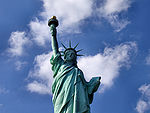
For 5th-year-students
· Module 3 «The Unites States of America»

· Module 4 «Canada»
· Module 5 «Australia»
· Module 6 «New Zealand»
Module III «THE UNITED STATES OF AMERICA»
Lecture 1
Americans and their country
Lexis:
Term - термин
Amerigo Vespucci - Америго Веспучи (мореплаватель)
Unanimous-единодушный
Amendment-поправка
Desert-пустыня
Arid-засушливый
Cliff-утес
Humid-влажный
Precipitation - осадки
To be subjected to - подвергаться чему-либо
Peninsula - полуостров
Shoreline - берег
Cattle - крупно рогатый скот
Chasm-бездна, глубокое ущелье
Ancestry-происхождение, предки
Munch-жевать
Whimsy-причуда
Questions:
1. What kind of country is the USA? What do you think of it?
2. When did the word “America” appear?
3. Is the climate in the USA similar to that of Russia?
4. What American states do you know? What are they noted for?
5. Why the USA is called “a melting pot”?
6. What can you tell us about famous people in the USA? How did they contribute to the country?
7. What is Ellis Island famous for?
8. Do you find any difference between an American and a European?
9. What are the symbols of the country?
10. What traditional American food do you know?
Lecture 2
Some facts from the US history
Lexis:
To partition - разделять
Treaty - договор
Lush - пышный
To christen- давать имя, окрестить
Ephemeral - недолговечный
To languish- слабеть
Convicts - осужденные, каторжники
To revolt- восставать
Rebellion-восстание
Surrender-подчиняться, сдаваться
Entities - организации
To reconcile- примирять
Per capita income-доход на душу населения
Abusive - оскорбительный
Infamy - позор
To curtail- сокращать
Amendment - поправка
Citizenship-гражданство
Foes - враги
Slavery-рабство
To secede- отделяться
Recovery-выздоровление
Contribution-вклад
Allies-союзники
Questions:
1. When was America first mentioned?
2. How many periods can the US history be divided into?
3. What people were the first to explore it and settle there?
4. What happened in 1776? How did the American Revolution differ from other revolutions?
5. What important events took place during reconstruction period from 1865 to1890?
6. What wars did the USA participate in?
7. Why is G. Washington so popular in the country?
8. What contribution did T. Jefferson make to the country’s history?
9. Who issued the Emancipation Proclamation?
10. Who was elected to the US presidency for unprecedented 4 terms? Why?
Lecture 3
Washington and other American cities
Lexis:
To hamper - препятствовать, затруднять
Harass - утомлять, изводить
Damp - влажный, сырой
To envision- представлять, воображать
Mall - аллея, усаженная деревьями
To anticipate- ожидать, предвидеть
Urgent - срочный
Enormous - огромный, безграничный
To be dedicated to - быть посвященным
Tomb - могила
To witness - быть свидетелем
Cornucopia-рог изобилия
To augment-увеличивать, прибавлять
Fanned by - обдуваемый
Exhilarating - веселый
How could you describe the following US cities?
1. Washington
2. New-York
3. Boston
4. Chicago
5. San-Francisco
6. Los Angeles
7. Philadelphia
8. Houston
9. Detroit
10. Jacksonville
Lecture 4
Amazing and unique places in the USA
Lexis:
Bridal veil - вуаль невесты
Horseshoe - подкова
To recede-отступать
Glacier - ледник
Valuable - ценный
Suspension bridge –подвесной мост
Honeymooners - молодожены
Gorge-ущелье
Exposed - обнажены (породы)
Collision-столкновение
Volcanic eruption - вулканическое извержение
Earthquakes - вулканы
Fine-grained granite-мелко-зернистый гранит
To loom - маячить
Species - виды (животных или растений)
Wilderness - дикая местность
Marsh-болото
Torch - факел
Centennial - столетие
Rectangular - прямоугольный
Speak on these places of interest:
1. Grand Canyon
2. The Niagara falls
3. Everglades National Park
4. Yellowstone National Park
5. Statue of Liberty
6. South Dakota with Rock Memorial of the 4 Presidents
7. Death Valley
8. Great Lakes
9. Monticello
10. Other places
Lecture 5
The US culture
Lexis:
Stark (contrast)- сильный
To contest - состязаться
Perception - восприятие
To condescend - важничать, снизойти
Contemporary- современный
To emerge - появляться
Audience- публика
Emphasis- акцент
Reputable-достойный уважения, признанный
Performances-представления
Slam - шум, критика
Foreseeable (future)- предсказуемый
Syncopation-синкопа (муз)
Hybridizing-поддающийся смешиванию
Genres-жанры
Questions:
1. What can you say about the US culture development and its sectors?
2. When did the US literature start developing?
3. How many periods in development of poetry can you remember?
4. What music genres can be found in the USA?
5. Do you think that dancing is popular in the USA nowadays? Why?
6. What styles does the US painting cover?
7. What is the US theatre based on?
8. How did the Hollywood’s history begin? What is the present of American cinematography?
9. What is popular culture like in the USA?
10. What kinds of sport (festivals) are popular with Americans?
Module IV Canada
Lecture
Canada. General info
Lexis:
To cede - передавать, уступать территорию
Accretion – разрастание
Vestige – след, остаток
Reliant on –полагающийся
Abundant – изобильный
Indigenous - местный
Viceroy – вице-король
Revenue - источник дохода
Contiguous-смежный
Estuary- устье, дельта
The maple leaf- кленовый лист
Creek - бухта, небольшой залив
To retrofit- усовершенствовать, модифицировать
Speak on the following topics:
1. Canada - general info.
2. The name of the country. Its origin.
3. The political set-up of the country.
4. Provinces and territories.
5. People in Canada.
6. The symbols of the country
7. The capital of Canada - Ottawa.
8. Toronto.
9. Montreal.
10. Quebec.
11. Other interesting information about the country.
Module V AUSTRALIA
Lecture 1
The country of people’s dreams
Lexis:
(Southern) hemisphere –полушарие
To commence-начинать(ся)
Indigenous-коренной, туземный
Sporadic-отдельный
Realm-королевство, область
Reverence-уважение
Sighting-обнаружение
Penal colony-штрафная колония
Punitive-карательный
Constellation-созвездие
Heave-поднятие
Amiable-дружелюбный, благожелательный
Scathing-едкий, злой
Outback-необжитые районы
Drought-засухи
Inspiration-вдохновение
Rugged - зубчатый, неровный
Species - виды
Marsupial-сумчатый
Growl-рычание
Vicious-норовистый
Scavenger-мусорщик, уборщик мусора
To foster (tourism)-способствовать
Questions:
1. What does “Australia” mean? What is the official name of the country?
2. What interesting facts from the history of Australia do you know?
3. How many colours does the Australian flag have?
4. What are the Australians like?
5. How many branches does the Australian government include?
6. What is the climate in the country influenced by?
7. What are the most common languages spoken in Australia?
8. What do you know about cultural traditions in the country?
9. What is Tasmania famous for?
10. What do you know about tourism in Australia as a sector of economy?
Lecture 2
Canberra and other Australian cities
Lexis:
Bush-куст, кустарник
Purpose-built - специально построенный
To commence - начинать
Corroborees- корробори, ритуальный танец аборигенов-австралийцев
Residents - жители
Iconic - канонический, традиционный
Sprawling - растянутый
Recognizable - узнаваемый
Alumni- воспитанник, бывший питомец
Gold rush - золотая лихорадка
Invasive - захватнический
Noxious - пагубный
Escarpment - откос
How can you describe the following Australian cities?
1. Sydney
2. Melbourne
3. Brisbane
4. Perth
5. Adelaide
6. Gold Coast
7. Canberra
8. Hobart
9. Cairns
10. Others
Module VI New Zealand
Lecture 1
So mysterious country
Lexis:
Indigenous - туземный
Distinct - четкий
Tribes - племена
Musket-мушкет
Treaty - договор
Origin-происхождение
Sea gull-чайка
Recession-упадок
Timber - древесина
Pulp - целлюлоза
Resurgence-возрождение
Allegiance - верность, преданность
Kinship-родство
Polynesian-полинезийский
Māori - маори
Questions:
1. How many names does New Zealand have? Who gave them?
2. What is New Zealand’s geography like?
3. Why do you think that the flora and the fauna of this country are different from others?
4. What place does the country occupy in life satisfaction and in overall prosperity in 2007?
5. Who is known as Pākehā? What nationalities live in New Zealand?
6. What is the government of the country comprised of?
7. Do you know any cultural traditions kept in New Zealand?
8. What places in New Zealand are popular with inbound tourists? Why?
9. What interesting facts about this country can you remember?
Lecture 2
“Cities and places of interest in New Zealand”
Lexis:
Concern - проблема
Tip - край, тонкий конец
Quarantine - карантин
Outlying areas - окрестности
Vibrant - яркий
Isthmus- перешеек
To abate - снижать (ся)
Apocryphal - недостоверный
Paragliding - полет на параплане
Cast adrift - брошенный на произвол судьбы
Endangered - находящиеся под угрозой исчезновения, вымирающий
To grab - захватывать
What do you know about the following places and cities in New Zealand?
1.Wellington
2.Auckland
3.Queenstown
4.Christchurch
5.Nelson
6.Milford Sound
7.Aoraki/Mount Cook National Park
8.Fiordland National Park
9.Egmont National Park
10. Tongariro National Park

§ Quizzes
§ Tests
§ Tasks
Module 2 «THE U. K. »
Lecture1 «So different people»
Quiz- What do you know about the UK?
Choose the correct answer:
1. The population of the UK is
a) 60,000,000
b) 70,000,000
c) 50,000,000
2. The total number of ethnic minorities in the UK is
a) 12,750,000
b) 6,750,000
c) 15,750,000
3. The total black population of the UK is
a) 1,200,000
b) 3,200,000
c) 5,200,000
4. The largest white minority group in the UK is
a) the French
b) the Italians
c) the Irish
5. The size of the British Asian community (including people of mixed White British and Asian British descent) is
a) 5,800.000
b) 3,800,000
c) 2,800,000
6. The fastest growing non-European group in the UK is
a) Mexicans
b) the Chinese
c) Indians
7. The number of Poles in the UK nowadays is
a) 200,000
b) 500,000
c) 1,000,000
8. The number of Polish babies born in the UK every month is
a) 200
b) 500
c) 1,000
9. The population of Greater London is
a) 3,500,000
b) 5,500,000
c) 7,500,000
10. The number of languages spoken in London schools is
a) 100
b) 200
c) 300
Task2 Discuss and list the advantages and disadvantages of the following in a multi cultural society such as the U. K.
Task3 Watch Video films из “Window on Britain”
· An introduction to Britain;
· Homes;
Lecture II the history and Royalty
Task 1 Look at the chart of some important events in the U. K. history and name the most significant periods and rulers in the country:
Dates in British History
43-408
Period of Roman Rule
832-60
Scots and Picts unite under Kenneth Macalpin to form what is to become the kingdom of Scotia.
871-899
Reign of Saxon king Alfred of Wessex, who forces Vikings invaders out of Wessex and resists further invasion.
1066
Norman Conquest of England following William the Conqueror’s victory at the Battle of Hastings.
1215
King John signs Magna Carta, to protect feudal rights against abuse.
1236
The term “parliament” is used officially for the first time to describe the gathering of feudal barons and representatives of counties headed by the King.
Black Death (bubonic plague) wipes out a third of England’s population
1381
Peasants’ revolt in England, three pole taxes
Wars of the Roses - name later given to political and dynastic troubles, involving claims of houses of Lancaster and York to English Crown.
English reformation: Henry VIII establishes the Church of England
1555
Muscovy Company
Reign of Elizabeth I - successful and competent
Plays of Shakespeare written
1649
Execution of Charles I - demanded by army leaders and radicals after the King’s defeat during the civil wars between the Crown and the Parliament
1694
Bank of England founded
American war of independence - Britain loses its colonies
Industrial revolution
1825
Stockton to Darlington railway built
1831
Michael Faraday discovers magneto-electricity
1776
Adam Smith’s Wealth of Nations written
Britain evolved in continental conflict to contain Napoleon’s expansionism
1807
Slave trade to British colonies abolished
1832
First Reform Act extends right to vote to men in certain economic categories
Reign of Victoria - at its close the British Empire has expanded to one-fifth of the world land mass and one quarter of the world population
1883
Bribery and other corrupt practices are made illegal at elections
1911
Parliament Act restricts powers of House of Lords
1928
All women over 21 win vote
1940
Battle of Britain, in which RAF Fighter Command prevents Nazi invasion of England during the Second World War
Task 2 the Royal Family quiz
Choose a), b) or c):
1. What is the surname of the Royal Family?
a) Buckingham
b) Windsor
c) Kensington
2. Which member of the Royal Family is next in line to the throne?
a) Prince Charles
b) Prince William
c) Prince Andrew
3. What’s the name of the Queen’s official residence in London?
a) the Tower of London
b) Buckingham Palace
c) Westminster Palace
4. How many people work full time in the Royal Household?
a) 245
b) 445
c) 645
5. Which member of the Royal Family died on 31st August 1997?
a) Lady Diana
b) The Queen Mother
c) Princess Margaret
6. Which sport do Prince Charles and his sons like to play?
a) Water polo
b) Golf
c) Polo
7. What is Prince Charles’s wife’s official title?
a) Princess of Cornwall
b) Queen of Cornwall
c) Duchess of Cornwall
8. Which of the following things does the Queen not have?
a) number plates on her cars
b) money in her handbag
c) a vote at general elections
Task 3 Aristocratic idioms and expressions.
Fill in the gaps with the following idioms using the correct tense form:
1. A princely sum 2. A right royal something 3. Castles in the air 4. Prince Charming 5. To be a drama queen 6. To be a little princess 7. To be a queen bee or the king of the castle 8. To be holding court 9. To be royal pain in the arse 10. To lord it over someone. |
A. Oh, don’t mind her. She complains about everything because her father’s the boss. She’s such_________.
B. The government is always trying to make the public believe in__________ just before an election-don’t be swayed by all the rhetoric.
C. It’s no big deal really, but you know what a______________ she can be.
D. Ever since she won 1st prize she’s been________________ the rest of us.
E. We left so honoured by the ___________welcome we got on our arrival.
F. She never comes when she says she will. She’ a___________sometimes.
G. After the concert, Mick Jagger was_____________ backstage with a group of female fans.
H. I inherited the “__________” of ₤25 when my uncle died. What shall i do with all that money?!?!?!
I. (S)he’s only been a week and (s)he’s already acting like__________.
J. Have you found your___________yet? Your “knight in shining armour’?
Lecture 5 Food in Great Britain.
Task 1 British Food Quiz
Choose a), b) or c):
1.Which of these do the British eat most of in Europe?
a) crisps and chocolate
b) fresh fruit and vegetables
c) sausages
2.What is the most popular food in Britain?
a) fish and chips
b) pizza
c) curry
3. What is “haggis”?
a) a cocktail made from whisky and fruit juice
b) a type of fish eaten in Scotland
c) a Scottish dish made from sheep’s stomach and innards
4. Stilton, cheddar and double gloucester are all kinds of:
a) apple
b) cake
c) cheese
5. What do most British have for breakfast?
a) toast and cereal
b) cappuccino and croissant
c) fried eggs and bacon
6. Who invented the sandwich and why?
a) the Earl of Sandwich - he wanted food which he could eat with one hand while gambling
b) Lord Sandwich - he wanted food which he could take for a picnic in the countryside
c) Queen Elizabeth - she wanted food which could be prepared quickly for quests
7. What is a “kebab”?
a) a type of pub
b) Turkish fast food
c) a hot drink
8. Which of the following ingredients would not be a possible ingredient of the
British pudding?
a) pig’s blood
b) chocolate
c) lettuce
9. Which of these do you find in a pub?
a) lager
b) cider
c) bitter
(trick question)
10. What is “chicken tikka masala’?
a) a type of salad
b) a type of Chinese food
c) a curry
11. How many vegetarians are there in the UK today?
a) 3-4 thousand
b) 300-400 thousand
c) 3-4 million
12. Where do people eat deep-fried chocolate bars?
a) Scotland
b) Northern Ireland
c) Wales
13. When are toffee apples eaten in the U. K.?
a) Christmas
b) Halloween
c) Easter
14. When did the first curry house open in Britain?
a) 1809
b) 1919
c) 1969
Task 2 Watch video film “Food” from “Window on Britain”.
Lecture 4 Arts and cultural life in Great Britain
Task 1. Watch video film "POP” from “Window on Britain”.
Task 2 . The teacher offers students one of the most interesting episodes from the British movies to watch, then they discuss it.
Task 3. Students listen to one of the popular songs in English (chosen by the teacher), then read the lyrics, discuss it. Or ask the students to bring their favourite songs in English.
Module II the USA
Lecture I “Americans and their country”
Task 1. Text “Some personal observation on American character” (see page 79 in “What it is like in the USA” by Natalia Tokareva and Victor Peppard, Москва, 1998)
Read the text and find 8 personal characteristics of an American
Task 2. Watch video from Oxford Press “The Websters”
Task 4. Quiz: Are you an expert on the USA?
Try this quiz and find out.
1. What is the capital of the USA?
a. Ottawa
b. Washington, D. C.
c. New York
2. What is the American flag called?
a. Union John
b. Union Jack
c. Stars and stripes
3. The cartoon symbol of the American government is…
a. Uncle Ben
b. Uncle Tom
c. Uncle Sam
4. What is the New York underground called?
a. the metro
b. the tube
c. the subway
5. When did Christopher Columbus discover America?
a. in 1492
b. in 1592
c. in 1392
6. What is the most expensive part of New York?
a. Long Island
b. Manhattan
c. Staten Island
7. What colour are the taxis in New York?
a. black
b. yellow
c. green
8. If you go to New York, you’ll see…
a. Big Ben
b. The Capitol
c. The Empire State Building
9. American people say…
a. biscuits
b. cookies
c. sweets
10. What is the home of the President?
a. the Capitol
b. the White House
c. the House of Representatives
11. What do American people call their police officers?
a. copper
b. cops
c. bobs
Task 5 Find information about one of the Us states. Write an abstract. Then imagine that you’re a travel guide, tell the other students why this state is worth visiting.
Lecture 2 The US history
Task 1 Look through the names of the US presidents. Which of them have you heard of? What contribution did they make to their country?
1)George Washington
2) John Adams
3) Thomas Jefferson
4) James Madison
5) James Monroe
6) John Quincy Adams
7) Andrew Jackson
8) Martin Van Buren
9) William Henry Harrison
10) John Tyler
11) James K. Polk
12) Zachary Taylor
13) Millard Fillmore
14) Franklin Pierce
15) James Buchanan
16) Abraham Lincoln
17) Andrew Johnson
18) Ulysses S. Grant
19) Rutherford B. Hayes
20) James A. Garfield
21) Chester Alan Arthur
22) Grover Cleveland
23) Benjamin Harrison
24) Grover Cleveland (second term)
25) William McKinley
26) Theodore Roosevelt
27) William Howard Taft
28) Woodrow Wilson
29) Warren G. Harding
30) Calvin Coolidge
31) Herbert Hoover
32) Franklin D. Roosevelt
33) Harry S. Truman
34) Dwight D. Eisenhower
35) John F. Kennedy
36) Lyndon Baines Johnson
37) Richard M. Nixon
38) Gerald R. Ford
39) James Earl Carter, Jr.
40) Ronald Wilson Reagan
41) George Bush
42) William Clinton
43) Barak Obama
Task 2 Quiz about the US presidents.
Choose a), b) or c):
Question 1
Why is the presidential election always held on a Tuesday?
A: Traditionally, people in rural America had to travel a long way to vote. If voting was on a Monday, they would have had to set out on a Sunday which would have interfered with worship.
B: On 30 April, 1789, George Washington took his oath of office as the first US president. It was a Tuesday, so the importance of the day stuck.
C: The US constitution was signed on a Tuesday.
Question 2
What is the minimum age for a candidate to run for president?
A: 25 B: 30 C: 35
Question 3
Which president of the US between 1945 and 2004 had the honour of having both the highest - and lowest - approval rating during the same term in office?
A: Jimmy Carter B: George W. Bush C: Harry Truman
Question 4
If the president is unable to serve, the vice-president will take over. If, however, the vice-president either dies or is incapacitated, who takes over then?
A: President pro tempore ("for a time") of the Senate
B: Speaker of the House of Representatives
C: Secretary of State
Question 5
Whose "doctrine" committed the US to use military action in the Middle East if its interests were threatened?
A: Woodrow Wilson B: Dwight D Eisenhower C: George Bush (senior)
Question 6
How many US presidents have been assassinated?
A: Two B: Three C: Four
Question 7
Which of these presidents was NOT impeached?
A: Richard Nixon B: Andrew Johnson C: Bill Clinton
Question 8
What is known as the "zero-year White House curse"?
A: Presidents elected during a "zero year" beginning with 1860 have not been re-elected
B: In 1930, 1940 and 1950, there were reported sightings of a ghost in the Oval Office
C: Beginning in 1840, and in each consecutive 20-year administration through to 1960, the incumbent president died in office
Question 9
Which is the only room in the 132-room White House dedicated to a single president?
A: A library B: A bedroom C: A room used for after-dinner entertainment
Question 10
Which of these packages is NOT among the perks of being president of the United States?
A: A masseur and a pet of choice
B: A salary of $390,000 per year and pension
C: A chef and an aeroplane
if (document. getElementById) { var div_step21 = "step21"; var my_disp = ""; if (typeof getVar!= "undefined") my_disp = getVar('step21_style'); if (my_disp. length == 0) { my_disp = "display:none"; } document. writeln('Answer'); } else { document. writeln('Answer'); }
Lecture 3 Washington and other American cities of the USA.
Task 1 Quiz “Nicknames of the cities”
Choose a) b) or c:
1. Boston, Massachusetts, is known as
a) Tea Town;
b) Bean Town;
c) Red Fox City;
2. Battle Greek, Michigan, is known as
a) Pancake City;
b) Waffle World;
c) Cereal City.
3. Jackson, Mississippi, is known as
a) Dixieville;
b) Chimneyville;
c) Jasmine Town.
4. Arkon, Ohio, is known as
a) Rubber City;
b) Plastic City;
c) Glue City.
5. New Orleans, Louisiana, is known as
a) Crescent City;
b) Margaritaville;
c) Bayou Central.
6. Detroit, Michigan, is known as
a) Tiger Town;
b) Superior City;
c) The Motor City.
7. International Falls, Minnesota, is known as
a) Chillyville;
b) Icebox of the Nation;
c) Snow City.
8. Birmingham, Alabama, is known as
a) Magic City;
b) Charm City;
c) Luck City.
9. Portland, Oregon, is known as
a) the City of Roses;
b) the City of Bridges;
c) Rain Town.
10. Chicago, Illinois, is known as
a) the University City;
b) the Windy City;
c) Pizza Town.
Module 5 Australia
Quiz 1 Australia
Learn about Australia; its land, animals, and people. Choose a) b) or c).
1) What is the capital of Australia?
a) Sydney b) Canberra c) Queensland
2) Which is not a native Australian animal?
a) koala b) kangaroo c) kiwi d) kookaburra
3) How many states are there in Australia?
a) 50 b) 27 c) 6
4) When does winter begin in Australia?
a) January b) March c) June d) September
5) Name the monolith in Central Australia
a) Uluru b) Allura c) Ayera d) Ularra
6) What language do Australians speak?
a) French b) Spanish c) Australian d) English
7) What do koalas eat?
a) People b) Gum Leaves c) Insects d) Grass
8) Native Australians are called.....
a) Indians b) Africans c) Aborigines d) Bualas
9) Where do most Australians live?
a) In the Centre b) In the North c) On the East Coast d) On the West Coast
10) What is Tasmania?
a) A Food b) An Animal c) A plant d) An Island
Quiz 2
Quiz - Australia and New Zealand
Which answer is correct?
1) How long is the Great Barrier Reef?
a) 1,600 kilometers
b) 2,300 kilometers
c) 3,000 kilometers
d) 800 kilometers
2) What is the biggest town in Australia?
a) Brisbane
b) Melbourne
c) Perth
d) Sydney
3) How many people live in Australia?
a) 10 million
b) 20 million
c) 30 million
d) 40 million
4) What is a famous landmark in Sydney?
a) Ayers Rock
b) Princess Theatre
c) Royal Australian Mint
d) the Opera house
quiz 3 choose a) b) or c:
1. Kangaroos and koalas are native ___ Australia.
a. on
b. at
c. to
2. The capital ___ Australia is Canberra.
a. in
b. of
c. at
3.
4. Australia exports a lot ___ wool.
a. of
b. for
c. at
5. Aboriginal people have lived ___ Australia for around 40,000 years.
a. at
b. on
c. in
6. The first white people came ___ Australia in 1788.
a. in
b. for
c. to
7. Popular sports ___ Australia are football and cricket.
a. for
b. on
c. in
8. The Great Barrier Reef is a popular tourist destination ___ Australia.
a. from
b. at
c. in
9. Australia is ___ the southern hemisphere.
a. in
b. on
c. at
10. The weather in the northern parts ___ Australia is warmer than in the south.
a. at
b. from
c. of
11. ___ Australian the word 'mate' means 'friend'.
a. In
b. From
c. For
Keys for the activity tests:
Module 2 “The U. K.”
the quiz “What do you know about the UK”
1. a; 2. b; 3. a; 4. c; 5. c; 6. b; 7.c; 8.c; 9. c; 10. c
the quiz “The royal quiz”
1. b; 2.a; 3. b; 4. c; 5. a; 6. c; 7. c; 8. a, b, c
the aristocratic idioms.
1.A princely sum - sarcastic
2.A right royal something
3.Castles in the air - воздушные замки
4.Prince Charming
5. to be a drama queen
6. to be a little princess ( a spoiled bread)
7. to be a queen bee or the king of the castle
8. to be holding court
9. to be royal pain in the arse (in the neck)
10. to lord it over someone.
1) 6; 2) 3; 3) 5; 4) 10; 5)2; 6) 9; 7) 8; 8) 1; 9) 7; 10) 4
the quiz “ Food in Great Britain”:
1) a; 2) c; 3) c; 4)c; 5.a; 6) a 7) b; 8) c; 9) a; b; c; 10) c;11)c 12)a; 13)b 14)Br-Am 15)a;
Модуль 3«The USA»
Keys to the quiz (about the US presidents)
1. The answer was A
The election has always been held on a Tuesday so it does not interfere with Sunday worship. It also falls in November because with America historically a predominantly agrarian society, lawmakers decided that was the most convenient month for rural workers to be able to travel to the polls.  2. The answer was C
Presidential contenders must be at least 35, according to the US constitution, article two, section two, paragraph five. Senate candidates must be at least 30 years of age. To run for the House of Representatives, a candidate must be at least 25. 3. The answer was C
President Truman had an 85% approval rating at the beginning of 1945, but that sank to a little over 30% in the wake of the Korean War and domestic problems. 4. The answer was B
The Speaker of the House is next in order of succession. 5. The answer was B
On 20 February, 1957, President Dwight D Eisenhower appeared before his nation to discuss the ongoing crisis in the Middle East and to win popular support for the Eisenhower Doctrine, a congressional bill that would authorize the deployment of US military forces to any Middle East nation seeking aid against Communist aggression. 6. The answer was C
Presidents Abraham Lincoln, James Garfield, William McKinley and John F Kennedy all died at the hands of assassins.
7. The answer was A
Andrew Johnson was impeached for removing his secretary of war against the will of Congress in 1868, as was Bill Clinton for perjury and obstruction of justice in 1998. Both, however, were subsequently acquitted. In 1974, articles of impeachment were drawn up against President Nixon, who resigned before formal proceedings could begin.
8. The answer was C
Beginning with the election of William Harrison in 1840, who died of pneumonia in 1841, all presidents elected in zero years died in office: Abraham Lincoln: elected 1860, assassinated 1865; James Garfield: elected 1880, assassinated 1881; William McKinley: elected 1900, assassinated 1901; Warren Harding: elected 1920, died from food poisoning 1923; Franklin Delano Roosevelt: re-elected 1940, died of a stroke 1945; John Kennedy: elected 1960, assassinated 1963. 9. The answer was B
The Lincoln Bedroom is the most often requested guest room for visitors to the White House. 10. The answer was A
The president is entitled to a $390,000 annual salary and a taxable pension on retirement. The president has a place in the country - Camp David, a personal plane - Air Force One, and a chef. Masseurs are not included in the package, nor are pets, although they are welcomed at the White House.
quiz “The nicknames of the US cities”
1) b; 2) c; 3)b; 4) a; 5 ) a; 6) c; 7) b; 8) a; 9) a; 10) b
Module 4 Australia
Quiz 1
1 Canberra, 2 kiwi,3 6. 4 June 5 Uluru 6 English 7 gum leaves 8 abori 9 on the west coast 10 island
quiz 2
1. 2,300 kilometer
2. Sydney
3. 20 million
4. the Opera house
Quiz 3
1) a 2)b 3)a 4)c 5)c 6)c 7) c 8) a 9) c 10) a
