Партнерка на США и Канаду по недвижимости, выплаты в крипто
- 30% recurring commission
- Выплаты в USDT
- Вывод каждую неделю
- Комиссия до 5 лет за каждого referral
ТЕМА: ТЕХНІКА Б/О: ВРУЧНУЮ, МЕХАНІЗОВАНИМ СПОСОБОМ, ЕЛЕКТРОННА СИСТЕМА ОБРОБКИ ДАНИХ
TOPIC: DATA PROCESING SYSTEMS: MANUAL, MRCHANICAL, ELECTRONIC
Vocabulary
1. source document - первинний документ; вихідний документ
Syn. basic document, business document, primary record
2. invoice – рахунок-фактура
a document issued by a seller to a buyer listing the goods or services supplied and stating the sum of money due
3. to call for – вимагати
4. handwritten - написаний від руки
5. journal - бухгалтерська книга, книга обліку, журнал обліку, гросбух
6. ledger - головна книга, гросбух
book-keeping: the principal book in which the commercial transactions of a company are recorded
7. office machine – офісне обладнання (копіювальна техніка)
8. labour-saving - що заощаджує працю; раціоналізаторський
9. device - пристрій; механізм, прилад
10. cash register - касовий апарат
a till with a keyboard that operates a mechanism for displaying and adding the amounts of cash received in individual sales
11. adding machine – арифмометр, лічильна машина
a mechanical device, operated manually or electrically, for adding and often subtracting, multiplying, and dividing
12. to handle – обходитися; мати справу з
13. division of labour розподіл праці
a system of organizing the manufacture of an article in a series of separate specialized operations, each of which is carried out by a different worker or group of workers
14. sales journal - журнал продаж (журнал обліку продажів в кредит)
Syn: sales day book, sold day book, journal of sales
15. purchases journal 1) = purchase day book 2) журнал закупок (журнал обліку закупок в кредит)
16. purchase day book - книга щоденного обліку закупок (книга первинного обліку учета покупок)
Syn: purchases journal, purchase journal
17. cash receipts journal - журнал надходження грошових коштів (журнал, в якому ведеться облік всіх надходжень грошових коштів, включаючи від покупців, боржників і т. п.)
18. cash receipts – надходження наявних коштів від реалізації; прибуток; касовий прибуток
19. cash payments journal - журнал грошових виплат (витрат) (журнал, в якому ведеться облік всіх грошових виплат, пов’язаних з оплатой рахунків постачальників, виплатой заробітної плати і т. п.)
Syn: cash disbursement journal
20. general journal – головний (загальний) журнал (для обліку всіх тих операцій, які не війшли в жоден з спеціальних журналів)
21. to reduce – зменшити
22. accounting machine - бухгалтерська машина; фактурна машина; табулятор;
accounting machine фактурна машина (пристрій для обробки алфавітно-цифровых документів (напр., рахунків, рахунково-платіжних документів, калькуляційних карт, будівельних кошторисів і т. п.), яка виконувала нескладні розрахунки (додавання, віднимання, множення, ділення, розрахунок відсотків і т. п.), при цьому результат обрабки автоматично друкується на друкарській машинці на папері і одночаснофіксуться на додатковому носії інформації (магнітній стрічці, перфострічці, перфокарті)
23. punched card or esp US punch card - перфокарта
(formerly) a card on which data can be coded in the form of punched holes. In computing, there were usually 80 columns and 12 rows, each column containing a pattern of holes representing one character Sometimes shortened to: card
24. tabulating machine табулятор, розрахунково-аналітична машина
25. payroll – платіжна відомість
Syn: pay sheet
26. to assign – призначати
27. ability – здатність, спроможність
28. behaviour – поведінка
29. to receive and store – отримувати та зберігати (інформацію)
30. bookkeeping machines - бухгалтерська машина
bookkeeping machine бухгалтерська машина (пристрій для бухгалтерських розрахунків та аналізу різноманітної статистичної інформації)
Syn: accounting machine
31. key-punch machine – клавішний перфоратор
key punch Also called: card punch a device having a keyboard that is operated manually to transfer data onto punched cards, paper tape, etc
32. record keeping – облік, ведення обліку (бухгалтерських книг)
33. application – застосування
34. accounts receivable скороч. A/cs. Rec.; a/c rec дебіторська заборгованість; кошти в розрахунках; рахунки до одержання; кредитори; рахунки кредиторів; поточна заборгованість (дебіторів)
35. accounts payable скороч. A/cs. Pay.; a/c pay кредиторська заборгованість; рахунки до сплати; борги; рахунки дебіторів; поточна заборгованість (кредиторам) ; грошові зобов'язання; дебітори
36. inventories матеріальні цінності; товарно-матеріальні запаси; запаси, матеріально-виробничі запаси; наявні товари
37. profit margin – розмір прибутку
38. to forecast – передбачити
39. inherent - властивий, притаманний
40. financial requirements – фінансові потреби
The term data processing includes the preparations of source documents (such as invoices and cheques) and the flow of the data contained in these documents through the major accounting steps of recording, classifying, and summarizing. A well-designed system produces an interrupted flow of all essential data needed by management for planning and controlling business operations. The processing of accounting data may be performed manually, mechanically, or electronically.
It is very important that an immediate record should be made of every financial transaction. To make it, a bookkeeper needs a document or form, such as an invoice or cheque. It does not matter if bookkeepers use mechanical or electronic equipment, the source document representing a single transaction is a basic element of the accounting process.
MANUAL DATA PROCESSING
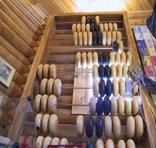
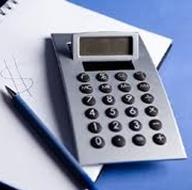
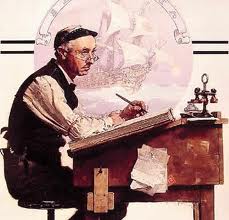
A lot of small businesses process accounting data manually. It calls for handwritten journals, ledgers, financial statements. But even in a small business with handwritten records the use of office machines and laboursaving devices such as cash registers, adding machines, desk calculators has become standard practice.
In a large business there may be hundreds and or even thousands of transactions every day. To handle a large volume of transactions rapidly and efficiently, it is helpful to group the transactions into like classes and to use a specialized journal for each class. It will reduce the amount of detailed recording work and will also permit a division of labour, since each special-purpose journal can be handled by a different employee. The great majority of transactions (perhaps 90 – 95%) usually fall into four types. These four types and the four corresponding special journals are as follows:
TYPES of TRANSACTION | NAME of SPECIAL JOURNAL |
Sales of merchandise on credit | Sales journal |
Purchase of merchandise on credit | Purchase journal |
Receipts of cash | Cash receipts journal |
Payments of cash | Cash payments journal |
In addition to these four special journals, a general journal will be used for recording transactions which do not fit into any of the above four types.
AUTOMATED DATA PROCESSING
Automated data processing (ADP) is a term used to describe the processing of data by automatic equipment, either mechanical or electronic, with manual activities reduced to minimum.
The mechanical data processing is getting out of date. A few years ago it was considered to be progressive, though. While mechanical data processing bookkeepers used accounting machines, punched cards, tabulating equipment.

ELECTRONIC DATA PROCESSING
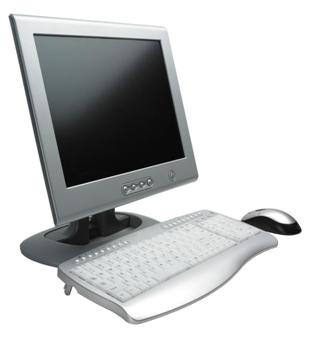
The term electronic data processing (EDP) is restricted to systems which process data by use of computers.
The first advantage of electronic data processing (EDP) is its incredible speed. The number of computations made by a computer is measured in millions per second. A second advantage of EDP is its ability to produce more information useful in the planning and control of business activities.
Elements of an EDP system. An electronic data processing system includes a computer and a number of peripheral equipment. The computer is the heart of the system; it performs the processing function which includes the storage of information, arithmetic computations, and control.
The other two major elements are (1) input devices which prepare and insert information into the computer and (2) output devices which transfer information out of the computer to the accountant or other user. Both input and output devices perform the function of translation. The machines used to feed information into a computer translate the data into the computer language; the output devices translate the processed data back into the language of written words.
Hardware and software. The machines and related equipment used in an EDP system are called hardware. All the other materials utilized in selecting, installing, and operating the system are called software.
Processing operations in the computer. The processing operations performed by a computer include storage of information, arithmetic manipulation of data and control. The computer receives and stores instructions and data; it calls this information from the memory or storage unit as required by the processing routine; it goes through arithmetic operations, makes comparisons of numbers, and takes the action necessary to produce the required output of information.
The term control describes the ability of the computer to guide itself through the processing operations utilizing detailed list of instructions concerning the work to be done.
A program is a series of steps planned to carry out a certain process, such as the preparation of a payroll. Each step in the program is a command or instruction to the computer. A program for payroll might be compared with a very detailed written set of instructions given to an inexperienced employee assigned to the payroll function in a manual accounting system. A most important attribute of the computer is its ability to receive and store a set of instructions which controls its behaviour.
The preparation of a computer program is a complicated and costly task. A company may employ its own programmers or may rely on outside organisations which specialize in such services.
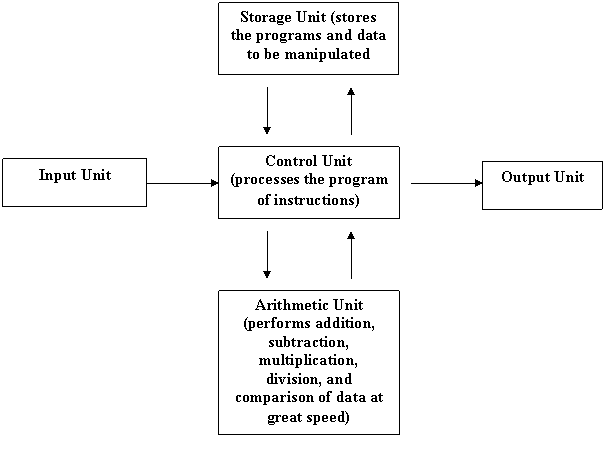

The relationship of the control unit, the arithmetic unit, the storage unit and the devices for input and output.
DIFFERENCES between MECHANICAL and ELECTRONIC DATA PROCESSING SYSTEMS
Mechanical data processing equipment such as electric calculators, bookkeeping machines, and key-punch machines was extremely slow when compared with electronic equipment. The processing of data in the electronic system is accomplished be electric impulses travelling through electronic circuits. Such equipment functions thousands of times faster than mechanical devices.
Another point of contrast is that the units of EDP system are interconnected so that the processing of data is a continuous operation from the point of reading input data to the point of printing the final result. On the other hand, a mechanical data processing system uses separate machines which do not communicate directly with each other. After each machine, such as a key punch, had performed its function, the output device (for example, punched cards) must be transported manually t another machines.
Despite the possibility of errors, electronic data processing makes possible a higher degree of accuracy and reliability than any other system of record keeping.
ACCOUNTING APPLICATIONS of the COMPUTER
The use of electronic data processing equipment is possible for virtually every phase of accounting operations. The most common application of the computer is to process large masses of accounting data relating to routine repetitive operations such as accounts receivable, accounts payable, inventories, and payrolls. Besides, due to computers it is possible to obtain answers to questions on profit margins on individual products, to forecast the profit possibilities inherent in alternative courses of actions, and to determine the future financial requirements far in advance.
Task 1: Determine the tense and voice form of the verbs in the following sentences.
1. The processing of accounting data at this enterprise is performed manually.
2. An electronic data processing system includes a computer and peripheral equipment.
3. Our company has employed two new programmers.
4. The manager wanted to know the future financial requirements.
5. The profit margins will be really great.
6. They discussed accounts receivable and accounts payable yesterday.
7. electric calculators, bookkeeping machines, and key-punch machines seem extremely slow nowadays.
8. Why have you not prepared the payroll?
9. The accountant has just finished preparing a payroll.
10. In a large business there are hundreds of transactions every day.
Task 2: Answer the questions:
1. What does the term “data processing” include?
2. What does a bookkeeper need to make an immediate record of every financial transaction?
3. What has become standard practice when processing accounting data even in a small business?
4. What helps to handle a large volume of transactions rapidly and efficiently?
5. What are four major types into which the great majority of transactions fall?
6. What are the four special journals in which the main types of transactions are recorded?
7. What is automated data processing?
8. What are the advantages of electronic data processing?
9. What are the elements of EDP system?
10. What is the function of input and output devices?
11. What do the processing operations performed by a computer include?
12. What is the difference between hardware and software?
13. What is a program? What can it be compared with?
14. What are the two main differences between mechanical and electronic data processing systems?
15. How do computers find their application in accounting?