Партнерка на США и Канаду по недвижимости, выплаты в крипто
- 30% recurring commission
- Выплаты в USDT
- Вывод каждую неделю
- Комиссия до 5 лет за каждого referral
Тексты для практической работы №6.3.
Номер задания соответствует порядковому номеру в журнале.
1. The Russian Presidential Academy of National Economy and Public Administration (RANEPA) was founded by presidential order on September 20, 2010. This foundation involved the merger of two previously existing academies: The Academy of National Economy (ANE), which was established in 1977, and the Russian Academy of Public Administration (RAGS), established in 1991. The merger also brought together 12 other state educational institutions.
2. Both of the merged academies had already earned reputations as leaders in training the nation's political elite. From the moment of its creation in 1977, ANE prided itself as the breeding grounds for future ministers. With the fall of the Soviet Union, ANE changed its strategic model from training members of the Nomenclatura to providing high-quality business education for a new generation of leaders by becoming an institute of higher education that offers all types of education services in the field of management. Meanwhile, RAGS has traditionally been a leader in training staff for state and municipal services.
3. I sincerely welcome you on this web-site that gives a snapshot of our university – Russian Presidential Academy of National Economy and Public Administration. We hope you will learn the key facts but equally we want you to feel our passion – passion to build a world-class humanities university.
4. RANEPA is an institution with an outstanding track record in academic excellence. Established in 2010 on the basis of the existing Governmental Academy of National Economy (established in 1977), RANEPA is set to become a top-tier educational and research center in Russia in the area of public policy and business administration.
5. We are proud to have contributed to professional and academic development of our numerous graduates. Among those are presidents of the post-Soviet countries, prime ministers and ministers, leading financiers and executives in the Russian industrial sectors. We are keen to keep close relationships with our graduates and are happy to see them contributing to the reforms and overall growth in Russia and elsewhere.
6. Our philosophy is to bring the best to the best. It has been our principle in the past and in the present and it will remain so in the future. We are committed to excel and as such we partner with leading universities around the world. The tradition of excellence in education and research is one of the areas we share with our valued partners. Looking forward, we at RANEPA are inspired to build a globally competitive university that has strong academic programs with the highest quality standards.
7. To align teaching at RANEPA with the global trends and requirements of internationally competitive education. To deliver globally competitive scientific research and expert support to the government.
8. The key competence field of RANEPA is management development in the broad context of global and national political, socio-economic, historic, legal, as well as cultural environments. Built on this broad humanitarian platform RANEPA focuses on three fundamental tasks: training of public officials, business education, and policy research.
Esko Aho is the Executive Vice-President for Corporate Relations and Responsibility at Nokia, where, since 2008, he has been heading the department charged with general management and public relations. As executive vice-president, Mr. Aho also handles surveillance of the company's global policies and is responsible for ensuring social responsibility. In 2009, he was promoted to the company's top echelon of management. Before coming to Nokia, Mr. Aho served in various positions in the Finnish government, including as a member of parliament starting in 1983 and as Prime Minister of Finland from 1991 to 1995. He is a Senior Fellow at the Mossavar-Rahmani Center for Business and Government at Harvard's Kennedy School. He has also been a member of the Nordic Council and the Finnish delegation to the European Council, and has been vice-chairman of the Finnish Olympic Committee and president of SITRA, a Finnish innovation fund. Mr. Aho earned his Masters in Social Science from the University of Helsinki in 1981. Sir Graeme Davies is Emeritus Vice-Chancellor at the University of London, where he served from October 2003 until August 2010. Before coming to the University of London, he held the position of Vice-Chancellor of the University of Glasgow and of the University of Liverpool from 1986 to 1991. He has also served as the Chief Executive of the Higher Education Funding Council. From 1978 to 1986 he was Professor of Metallurgy at the University of Sheffield after working in the Metallurgy and Materials Science Department at Cambridge University for 16 years, where he also taught at St. Catharine's College. He is a member of the Royal Academy of Engineering, the Royal Society of Edinburgh, and an honorary member of the Royal Society of New Zealand. He earned his PhD in Materials Science at the University of Auckland. Jean-Marc Rapp served as Rector of the University of Lausanne from 1999 to 2006, during which he also served as president of the Rectors' Conference of Swiss Universities. Since 2005 he has worked for the European University Association, becoming President of this organization from 2009 to 2012. In 1983 he earned his JD at the University of Lausanne and in 1985 received an LLM from the University of California, Berkeley, after which he practiced law in Lausanne and San Francisco. He also worked as a Substitute Judge of the Vaud Supreme Court from 1986 until 1993. In 1989 he began teaching commercial and contract law at the University of Lausanne, serving as the Dean of the Law Faculty from 1996 to 1998. Before his appointment as Rector, Mr. Rapp worked as an expert for the European Commission, advising on financial information and corporate law. He is now presiding Euresearch, the Swiss organization in charge of helping Swiss Universities and companies find international funding, and he is the Director of the CEDIDAC, the Center for Business Law of the University of Lausanne. Jozef Ritzen is chairman of Empower European Universities and professor of economics at Maastricht University, where he served as President of the University from 2003 to 2011. During his service as president, Maastricht University became one of the most well-known research institutions in the world, increasing twofold in size. Before this, he was Vice-President of the World Bank, heading the bank's Human Development Department. Prior to working at the World Bank, he served as the Minister of Education, Culture, and Science of The Netherlands. He has taught and conducted research at Nijmegen University and Erasmus University in The Netherlands, as well as at the University of California, Berkeley, and the University of Wisconsin, Madison. He is also a senior advisor at the Institute for the Study of Labour in Bonn, Germany. He received his PhD in Economics from the University of Rotterdam. Sir Paul is an Alderman of the City of London, President of the Chartered Institute of Marketing and the Association of MBAs, and the Chairman of Schroder Income Growth Fund PLC, the Enterprise Education Trust and St. Dunstan's College. He currently serves internationally as a director of Tempur-Sealy International Inc. in Kentucky and of Abraaj Capital in Dubai, as Chairman of the British-North American Committee and the British-Serbian Chamber of Commerce, and as a Special Adviser at Chatham House. Sylvester T. John is the Executive Chairman of Global Management Challenge USA, the world’s largest strategy and management (competition-based) simulation training platform; he also serves as Developmental Director at Walmart International. Previously with Walmart’s USA merchandising division, Sylvester managed the $600 million Cultured (sour cream, cottage cheese, refrigerated dips, and ricotta cheese) business within the Dairy department. Prior to Wal-Mart, he had a long career with the international development organization, Enactus, where he was a Divisional President and most recently served as head of their Office for Strategic Initiatives. While serving as President of Enactus’ 36-country multi-million dollar International Affiliate Division during , Sylvester led his team to increase the overall division revenue by 50%, active programs by 28%, active constituents by 60%, and country performance index from 3.5 to 4.0 on a 5.0 scale, all despite a 20% country reduction as a result of global network consolidation. In FYE 2008, while serving as founding head of the International Operations unit, Sylvester developed and rolled out worldwide systems, processes and online database management tools that now form the backbone of Enactus’ international operations. In 2001, as head of its Africa region, he established the continental program and developed it to where it now operates in 10 countries and continues to be the top performing region since 2004, based on annual comprehensive in-country performance evaluation by region. Sylvester graduated from the University of North Florida. Prior to joining Enactus he held the position of Human Resources Recruiter for United Parcel Service (UPS) North Florida, hiring employees for the company’s second largest hub; he later transferred to the UPS Marketing department as a Marketing Specialist. Sylvester serves on the advisory boards of University of North Florida’s (UNF) Coggin College of Business and Chief Marketing Officer Council. In February 2007 his Alma Mata, UNF, honored him with the Outstanding Alumnus of the Year award and also in May 2009 with one of their highest accolades, the Prime Osborne Distinguished Business Leader Award. Santiago Iñiguez de Onzoño has significant experience in management consulting and plays an active role in quality control and development of management education. He is the chairman of the Global Foundation for Management Education, the European Advisory Council of AACSB International, the International Advisory Board of the Association of MBAs, and the Awarding Body of the European Quality Improvement System. In addition to his service at RANEPA, he is also a member of the board of CENTRUM at Universidad Católica in Perú, both the Antai Business School at the Jiao Tong University and Renmin University Business School in China, Mazars University in France, and FGV-EASP Fundaçao Getulio Vargas in Brazil. The Financial Times named him “one of the most significant figures in promoting European business schools internationally." He has a JD from Complutense University in Madrid and an MBA from IE Business School. He also studied at Oxford University.24. About RANEPA: The Russian Presidential Academy of National Economy and Public Administration (RANEPA) is the largest of socioeconomic and humanities universities in Russia and Europe, rightly occupying the top tier of the national university ranking. It constitutes a multi-tier education, research and training system that embodies the life-long learning philosophy and offers a variety of education and training programs to serve the learning needs of civil servants, entrepreneurs, managers, financiers, and lawyers.
25. RANEPA’s Moscow campus includes 21 schools and departments. The total number of university students engaged in various forms of training, including regional campuses, equals more than 160 thousand, including more than 35 thousand full-time students. RANEPA has over years become a nationally recognized champion for policy research in such areas as macroeconomics, economic growth, budget policy, public sector management, foreign economic relations, corporate management, etc.
26. RANEPA is a major provider of consulting services to development projects and programs launched by the Administration of the President of the Russian Federation, Government of the Russian Federation, federal and regional executive authorities, corporations and civil society organizations.
27. Position Qualifications: Candidates must have a PhD degree in the relevant field or specialized area and work experience in educational or scientific organizations. A working knowledge of Russian would be an asset.
RANEPA has over years become a nationally recognized champion for policy research in such areas as macroeconomics, economic growth, budget policy, public sector management, foreign economic relations, corporate management, etc. This kind of research and advisory activities has made the contents of training programs more relevant and practical.30. RANEPA is the founder of the Gaidar Institute for economic policy, a leading Russian think-tank in the field of economic policy studies. Former Institute of Economy in Transition, it was founded in 1990 by a renowned Russian economist and former acting Prime-Minister Yegor Gaidar. The independent stand and high research standards have earned to the Institute the strong demand and reputation among the political and economic elites of Russia. The close partnership of the Academy and the Gaidar Institute allows talented researchers to share their experience with students and enrich the scientific potential of both institutions.
31. A network of international research laboratories has been created and is being developed under the direction of leading foreign scholars. Currently work is under way in the Laboratory for Empirical Studies for Financial Markets and the Laboratory for International Economics, which will soon be joined by the Laboratory for the Economics of Healthcare Reforms and the Laboratory for Political Demography and Macro-Sociological Dynamics. In collaboration with the Gaidar Institute of Economic Policy, the Academy has also created the Laboratory of Budgetary Stability and the Laboratory of Econometrics, which will begin work in September 2013.
32. For this activity the best Russian and foreign scientists in the field of economics and public policy have been recruited. The task of the experts is to develop recommendations for the Russian Government on best practices for promoting economic and social development until 2020. The Academy has become a co-organizer for updating Russia's Strategy for Social and Economic Development to 2020.
Сканы для выполнения распознавания текста.
Вариант 1
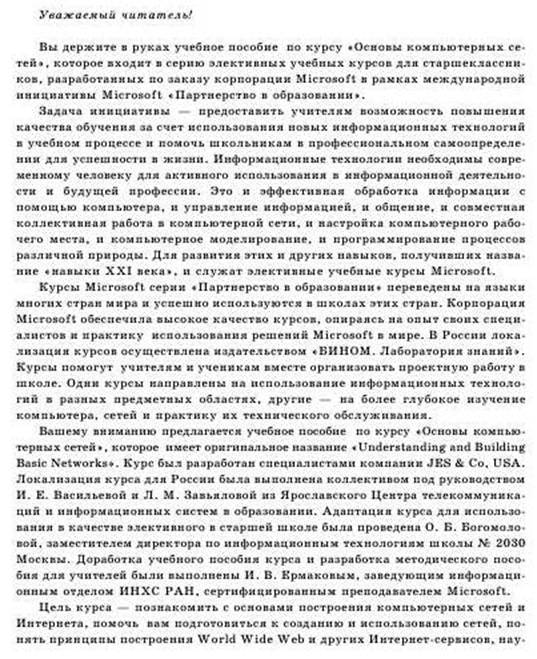
Вариант 2
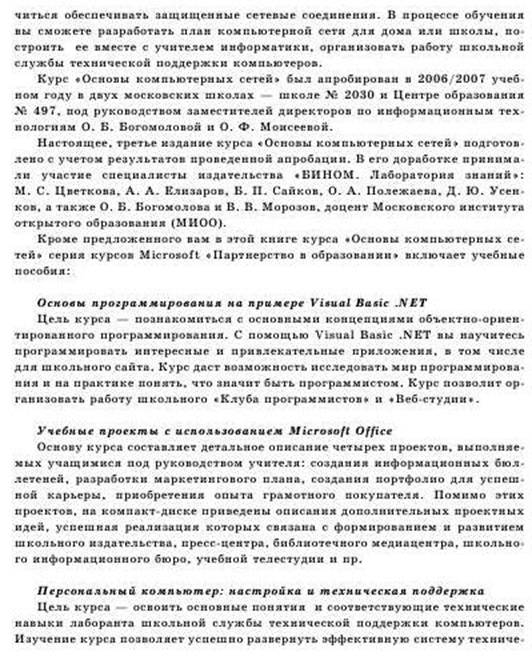
Вариант 3
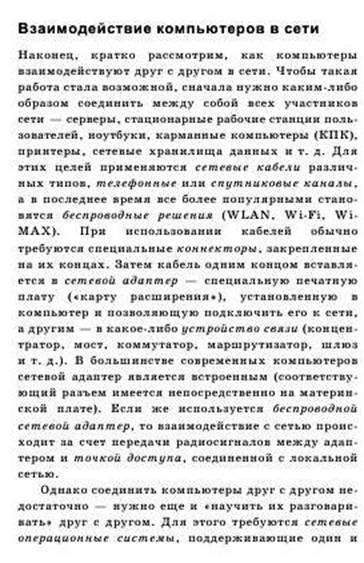
Вариант 4
Вариант 5
Вариант 6
Вариант 7
Вариант 8
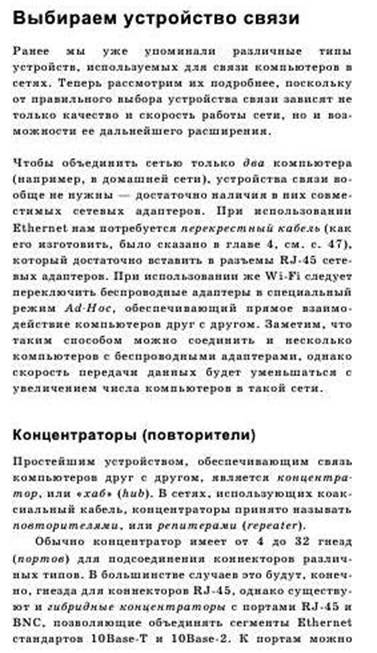
Вариант 9
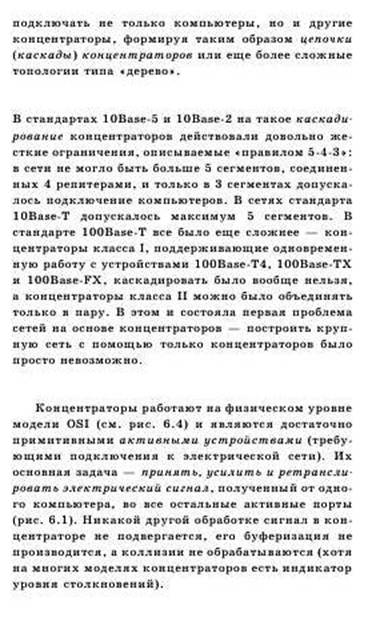
Вариант 10
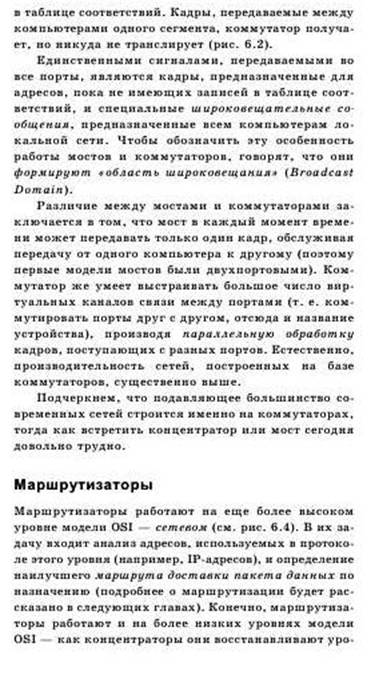
Вариант 11
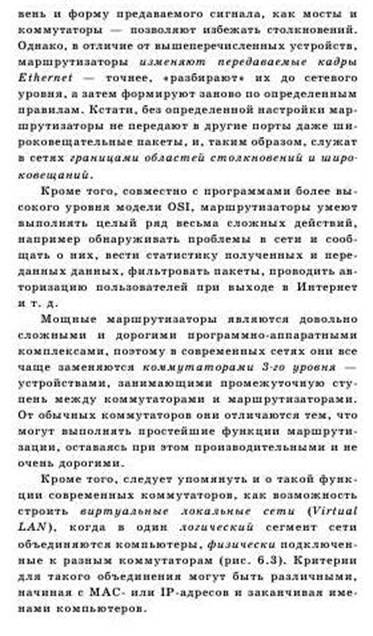
Вариант 12
Вариант 13
Вариант 14
Вариант 15
Вариант 16
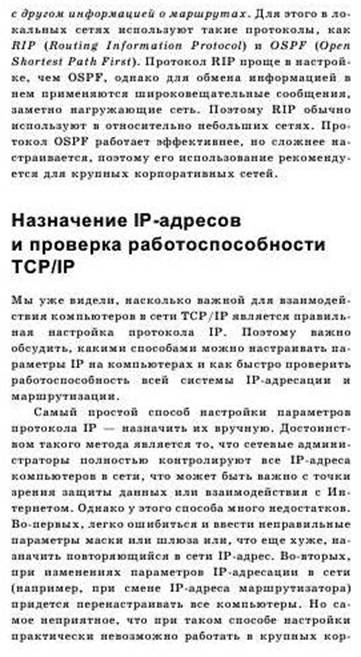
Вариант 17
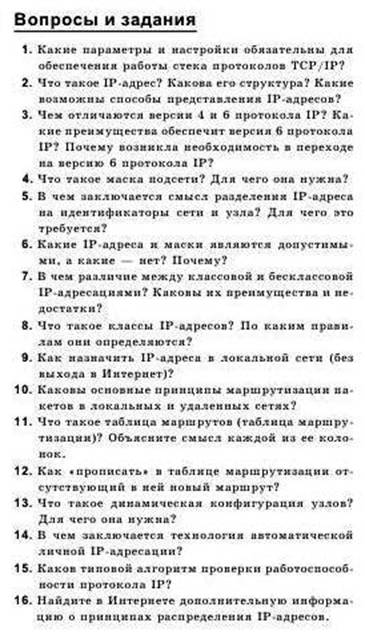
Вариант 18
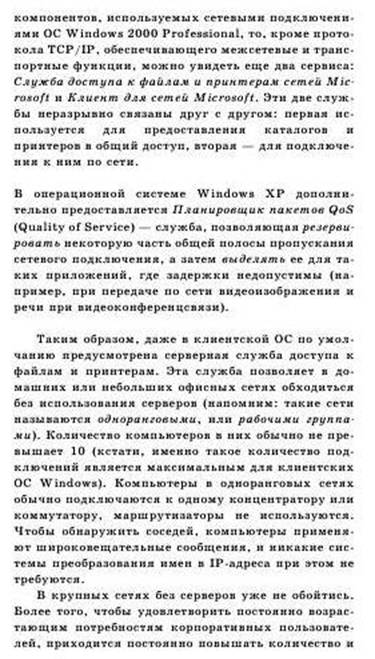
Вариант 19
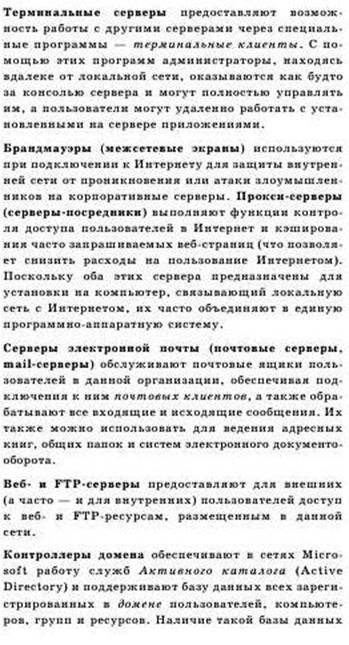
Вариант 20
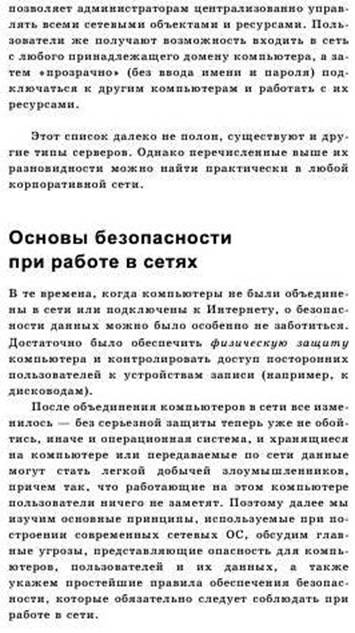
Вариант 21
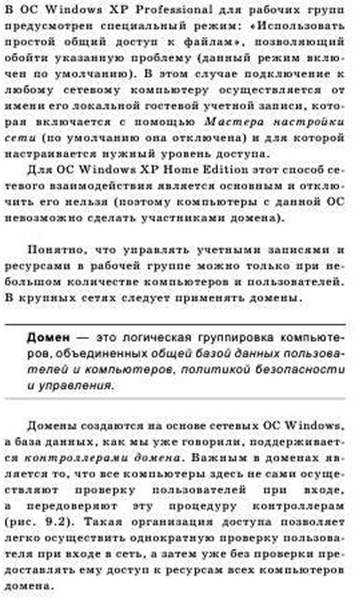
Вариант 22
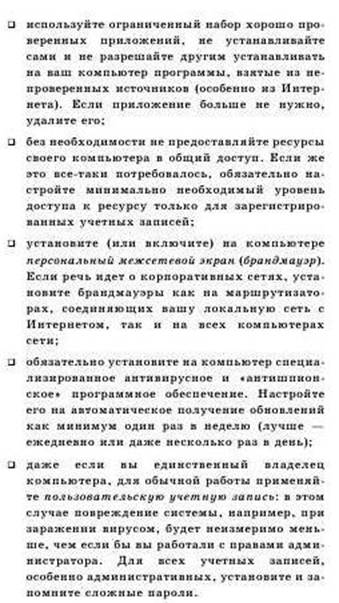
Вариант 23
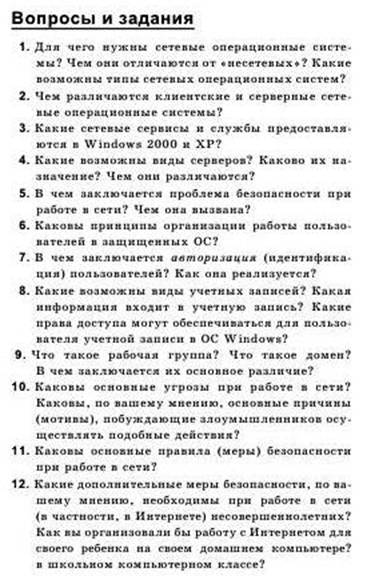
Вариант 24
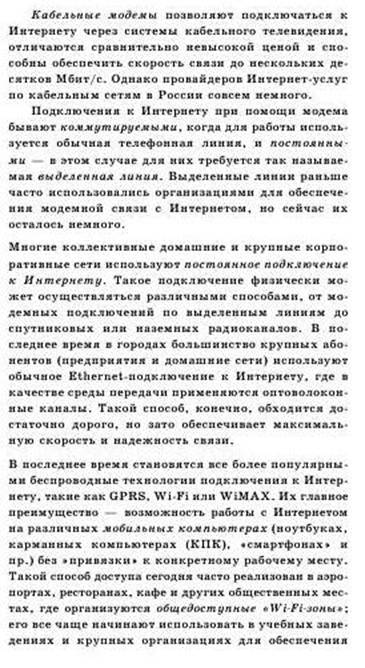
Вариант 25
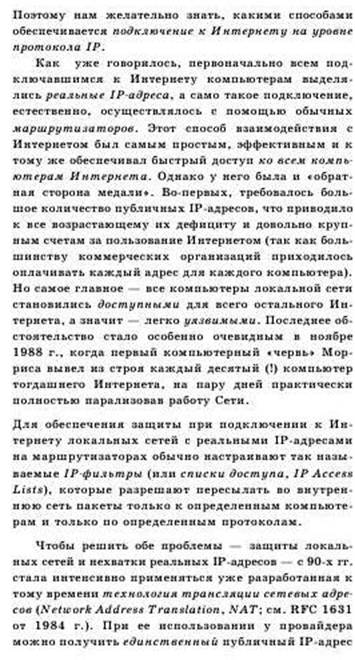
Вариант 26
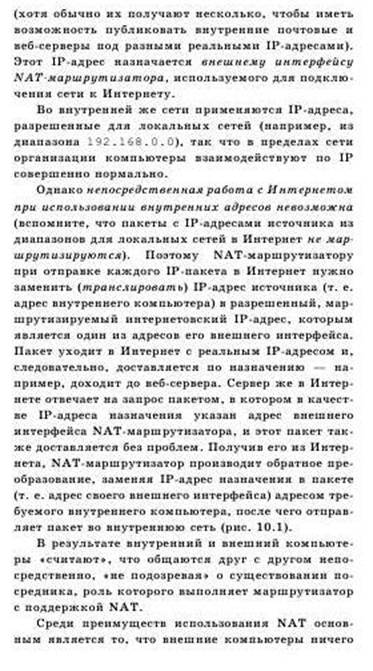
Вариант 27
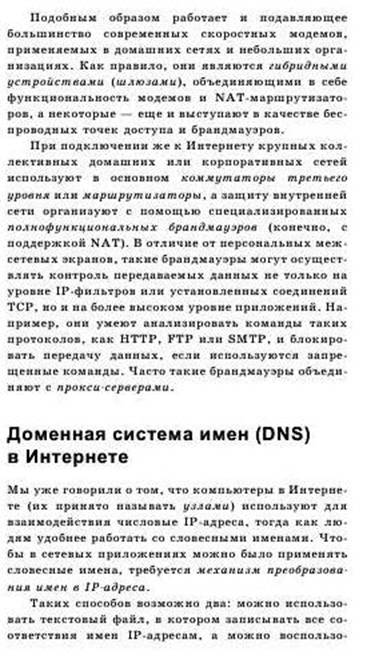
Вариант 28
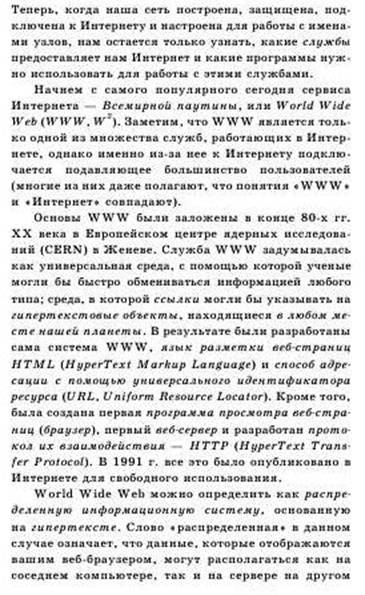
Вариант 29
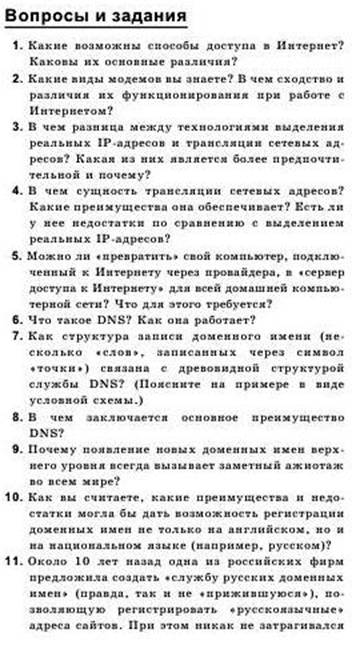
Вариант 30