


Партнерка на США и Канаду по недвижимости, выплаты в крипто
- 30% recurring commission
- Выплаты в USDT
- Вывод каждую неделю
- Комиссия до 5 лет за каждого referral
ГОСУДАРСТВЕННОЕ БЮДЖЕТНОЕ ОБЩЕОБРАЗОВАТЕЛЬНОЕ УЧРЕЖДЕНИЕ
ЛИЦЕЙ № 000 ОБРАЗОВАТЕЛЬНЫЙ КОМПЛЕКС «МАЛАЯ ОХТА»
ГОРОДА САНКТ-ПЕТЕРБУРГА
Учебно-методическое пособие
«ВОСПИТАНИЕ ТОЛЕРАНТНОСТИ УЧАЩИХСЯ МЛАДШЕЙ СТУПЕНИ ОБУЧЕНИЯ ПОСРЕДСТВОМ ПРОВЕДЕНИЯ ПРАЗДНИКОВ НАРОДОВ МИРА НА УРОКАХ АНГЛИЙСКОГО ЯЗЫКА»
Авторы: учителя английского языка
,
,
Санкт-Петербург,
2012 год
Содержание
1. Введение
2. Толерантность как модель психологического климата на уроках
английского языка
3. Масленица
4. Пасха
5. Рождество
6. Сабантуй
7. День Святого Патрика
8. Хэллоуин
9. Тедди-фан
10. День космонавтики
11. День Победы
12. Праздник «Восьмое марта»
13. Английские традиции
· Английское чаепитие
· Английский завтрак
· День Рождения друзей
14. День Святого Валентина
15. День смеха
16. День Рождения Санкт-Петербурга
17. Литература
18. Интернет-ресурсы
1. Введение
В настоящее время учителя иностранного языка, да и других предметов, отмечают, что всё большее количество детей не хотят учиться. Школьники приводят массу аргументов в поддержку этой тенденции, например, «Мне неинтересно в школе», «Мне не нужно учиться, я и так всё знаю», «Не хочу ходить в школу-там скучно», «Очень сложно и непонятно, хочу играть и гулять» и др.
Поэтому первоочередной задачей преподавателя как психолога является повышение мотивации к изучаемому предмету и к учёбе в общем понимании этого слова. Существует несколько приёмов, позволяющих заинтересовать учащихся, в том числе и проведение весёлых уроков или внеклассных мероприятий, в которых происходит изучение предмета в свободной и непринуждённой форме в компиляции с развитием обще учебных навыков и расширением кругозора. Немаловажным фактором при этом является воспитание толерантности у подрастающего поколения.
В учебно-методическом пособии «Воспитание толерантности учащихся младшей ступени обучения посредством проведения праздников народов мира на английском языке» представлены разработки шестнадцати уроков-праздников для учащихся младшей ступени обучения с пошаговой инструкцией по ходу мероприятий с целями и задачами, а также содержится раздел, посвящённый толерантности.
Авторы надеются, что материал пособия будет полезен учителям английского языка и студентам языковых ВУЗов.
С благодарностью, учителя английского языка,
и
2. Толерантность как модель психологического климата на уроках английского языка
Современное понимание толерантности неоднозначно в различных культурах. В английском языке, в соответствии с Оксфордским словарем, толерантность – это «готовность и способность без протеста воспринимать личность или вещь»; во французском – «уважение свободы другого, его образа мысли, поведения, политических и религиозных взглядов»; в арабском – «прощение, снисхождение, мягкость, сострадание».
В научной литературе толерантность рассматривается как уважение и признание равенства, отказ от доминирования и насилия, признание многомерности человеческой культуры, отказ от сведения многообразия к единообразию или к преобладанию какой-то одной точки зрения.
Толерантность предполагает готовность принять других такими, какие они есть, со всеми их недостатками и особенностями, и взаимодействовать с ними на основе согласия.
Да и что есть норма? Спор идёт веками. Всегда ли очевиден ответ?
Например, немецкий поэт и философ Шиллер отличался бо-о-ольшими странностями. Автор «Вильгельма Телля» мог творить, только если на столе лежали… гнилые яблоки. Может быть, как раз те самые, упавшие на голову Ньютона?
Кстати, Ньютон часто писал голым. Регулярно вместо яиц варил… часы. Мог пообедать несколько раз за день – забывал, что уже поел.
Впрочем, что же тут удивительного…
Жуковский, отец русской авиации, не редко разговаривал с птицами, узнавал как летать…
Немецкого поэта Шумена преследовали говорящие столы, он якобы видел звуки. А может, и правда видел. Музыка-то гениальная.
Стоит ли осуждать Ван Гога за то, что он ел краски и при том тюбиками.
Куда важнее то, что он писал ими.
При этом толерантность не должна ущемлять собственные интересы. Она является важным компонентом жизненной позиции зрелой личности, имеющей свои ценности и интересы и готовой, если потребуется, их защищать, но при этом одновременно с уважением относиться к позициям и ценностям других людей.
Не существует «лекала» толерантности, применимого везде и к каждому. По сути, наиболее важным критерием степени толерантности является субъективная оценка тех, кто ее проявляет и к кому проявляют, а здесь главную роль играет ответственность каждого вне зависимости от его должности, звания или уровня занимаемых ступеней на лестницах социального роста.
В школе необходимым фактором является создание психологического климата на уроках и переменах в рамках модели толерантного отношения друг к другу.
Вспоминается расхожая фраза! “Школа-борьба всех со всеми”.
Среди детей по отношению друг к другу можно услышать то, что они впитывают дома : “ Вас сюда никто не звал!”, «Где родился-там и сгодился!», и, даже, «Понаехали тут!”
О тех, кто настраивает детей против приезжих, неплохо сказал доктор Князькин; “А много ли в городе осталось тех «истинных Петербуржцев” - образованных, воспитанных, деликатных, любящих и знающих свой город? Никому не в обиду: я вижу вокруг и множество безынициативных ленивых ”урождённых”, и множество талантливых молодых провинциалов приумножающих славу нашего города или хотя бы не дающих городу зачахнуть. Эти люди приехали сюда работать, они полюбили город, трудятся в нём по 16-18 часов в сутки. Они и есть та самая” свежая кровь “, перелитая культурной столице”.
Порой для развития новых форм толерантности достаточно всего лишь прислушаться и присмотреться к детям, и их подскажет сама жизнь.
Однажды при прохождении темы «Одежда» на уроке английского языка девочка – таджичка спросила: « А как по-английски будет слово “шальвары”?» Тогда мы решили предложить ребятам дома нарисовать свои национальные костюмы и подписать названия предметов одежды на английском языке. Работы получились настолько яркими и интересными, что мы собрали их в альбом, где каждый мог оценить красоту и своего, и других национальных костюмов.
Однако ребята захотели продолжить эту работу. Тогда после прохождения темы «Еда» мы предложили нарисовать национальные блюда и подписать ингредиенты на английском языке. Некоторые учащиеся принесли не только рисунки, но и самостоятельно приготовленную пищу. Мы смогли продегустировать и душистый плов, и осетинский пирог, и галушки, и вареники. Гордости авторов не было предела. Лучшие рисунки и фотографии были помещены во второй раздел нашего альбома. Третий раздел был занят проектами о национальных праздниках. (Эта идея пришла после проведения Хэллоуина). Ребята описали Айран-Байрам, Ночь Ивана Купала, Рождество и др.
Из-за дефицита времени мы не можем провести все эти праздники в рамках урока, однако есть день, который их объединяет. Немногие знают, что 16 ноября уже более 15 лет в России и многих других странах отмечают Всемирный День Толерантности. К сожалению, этот праздник у нас не очень популярен.
В этот день мы предложили ребятам ролевые игры, различные конфликтные ситуации, разрешение которых требовало от них толерантного отношения друг к другу. Особенно им понравилось простое, на первый взгляд, упражнение «Кошка». Дети должны были с закрытыми глазами представить и описать кота. В итоге оказалось, что одинаковых животных нет, и бессмысленно сравнивать, у кого лучше. Таким образом, учащиеся смогли осознать, что мы можем выбирать разное, но это не значит, что кто-то лучше, а кто-то хуже.
Ребята единодушно решили, что толерантное отношение друг к другу необходимо не только 16 ноября, но и в течение всего года.
Конечно, в рамках одного мероприятия не научиться толерантности, но уже то, что ребята получили представление о своих правах и обязанностях, обратили внимание на то, что худой мир лучше доброй ссоры, что грубостью и силой не разрешить конфликт, поможет им строить свои отношения, исходя из принципа уважения к правам других людей, делая ставку на переговоры и сотрудничество…
И тогда 2012 станет не концом света, а годом толерантности, гармонии и счастья!
3. Масленица
Цели проведения урока:
Обучающая: Познакомить учащихся с традициями проведения
праздников на примере Масленицы
Развивающая: Развить навыки говорения в процессе творческого
общения учеников друг с другом и учителем при
проведении праздника
Воспитательная:
Активизировать у учащихся творческие способности
при подготовке и проведении праздника
Задачи урока:
1. Активизировать лексические единицы по теме «Времена года»
2. Отработать навыки ответов на вопросы в настоящем и прошедшем простых временах
3. Помочь учащимся развить навыки общения
4. Закрепить лексику по теме «Еда»
Оборудование: плакаты, рисунки, раздаточный материал, чучело масленицы, блины
Место проведения урока: класс, спортивный стадион у школы
Ход урока
1.Класс делится на две команды:” winter “ и ” spring”.По просьбе учителя дети называют все времена года и обсуждают погоду в каждом сезоне, затем желающие рассказывают стихотворения и поют песни. Р1:Spring is green. Summer is bright. Autumn is yellow. Winter is white. P2: Green for spring And blue for summer As the days go by: Gold for autumn, White for winter, Old year’s gone. Good bye! 2.Учитель задаёт команде “Winter”вопросы о погоде минувшей зимой. - Was it cold? - Was it windy? - What colour were the trees? - What colour was the ground? - What birds did you meet? Далее учитель предлагает вспомнить зимние месяцы и рассказать о них стихи. December dying sees the birth of the new year and all its birth. January comes with frost and snow, February brings us winds and blow. 3.Учитель задаёт команде «Spring» вопросы о природе весной. - Is it sunny? - Is it wet? - What colour are the trees? - What colour are the flowers? 4. Учитель предлагает вспомнить весенние месяцы и рассказать о них. March has winds and happy hours, April brings us sun and showers, Pretty is the month of May, It has flowers sweet and gay. По просьбе учителя команда «Winter» называет зимние праздники. (Новый год, Рождество, 23февраля). Команда «Spring» называет весенние праздники. (Женский день, День Победы) Учитель предлагает решить, зимний ли или весенний праздник Масленица. Дети делают вывод, что это праздник окончания зимы и начало весны. 5.В сопровождении учителя дети идут на улицу, сжигают заранее заготовленное чучело зимы, едят блины, водят хороводы и поют песню “Pancakes’’ There are nine pancakes On a little plate; I can eat one of them, And now there are eight, There are eight pancakes On a little plate; I can eat all of them, And now I wait 6. Дети возвращаются в класс и отвечают на вопросы учителя: -Do you like pancakes? -Who cooked pancakes yourself? -What are your pancakes with? P: With butter With jam With honey With meat With cabbage and eggs With fish With apples 7. В качестве домашнего задания детям предлагается написать небольшое сочинение о проведённом празднике и проиллюстрировать его. 4. Пасха Цели проведения урока: Обучающая: Познакомить учащихся с традициями проведения праздника Пасхи Развивающая: Развить у учащихся навыки чтения и говорения при подготовке и проведении праздника Воспитательная: Активизировать у учащихся творческие способности Задачи урока: 1. Закрепить лексику по теме «Еда» 2. Отработать навыки чтения 3. Развить навыки кратких и полных ответов на вопросы Оборудование: плакаты, рисунки, магнитола, CD-диск, доска, посуда, ингредиенты для приготовления пасхальных блюд Место проведения урока: кабинет английского языка Ход праздника: 1)Учитель рассказывает о празднике Пасха. Easter is always on Sunday. But it can come as early on March 22 or as late as April 25. The bells would ring, people would congratulate and kiss one another, go to each other houses and exchange gifts, including painted eggs. At Easter the Sun shines brightly. Let us have a talk about the weather this day. T: What season is it? - It is spring. T: Is it cold? - No, it is not. T: Is it cool? - Yes, it is. T: Is it raining? - No, it is not. T: Is it windy? - No it is not. T: What colour are the trees? - They are grey. T: What colour is the sky? -It is blue. 2)Учитель рассказывает о традиционных пасхальных блюдах. On that day people decorate eggs. Kulich is a tasty Easter loaf floured with sweet and raisins. Paskha is a ritual dish made from sour cream, sugar, eggs, raisins, butter and others. Дети делятся на две группы, и каждый из них получает свой собственный рецепт приготовления пасхи. Учитель раздаёт им набор продуктов и помогает в приготовлении пасхи. Recipe 1 Honey Paskha 1) Put some cottage cheese in the bowl. 2) Add some butter and mix them. 3) Take an egg and separate the white from yolk. 4) Add the yolk and mix. 5) Put some cream and mix. 6) Add some sugar. 7) Cut some raisins into slices and add them. 8) Wash and cut some apples into slices and add them. 9) Cut some walnuts into small pieces. 10) Put them on top. 11) Add some vanilla sugar. 12) Add some honey. 13) Decorate your Paskha with raspberries. Pecipe2 Chocolate Paskha 1) Put some cottage cheese in the bowl. 2) Add some butter and mix them. 3) Take an egg and separate the white from yolk. 4) Add the yolk and mix them. 5) Put some cream and mix them. 6) Add some sugar. 7) Cut some dried apricots into slices and add them. 8) Peel the banana and cut them into slices. 9) Put them on the top. 10) Cut some almond into small pieces and add them. 11) Add some vanilla sugar. 12) Decorate your Paskha with raspberries. 4) Далее дети угощают друг друга, пробуют Пасху и задают вопросы: P1- Is it delicious? P2- Yes, it is. P1- What fruit did you use? P2- We used apples. And you? P1- We used bananas. And what nuts did you use? P2- We used almond. P1- Is it delicious? P2- Yes, it is. 5)Дети достают пасхальные яйца и соревнуются, разбивая их друг о друга. 6) В качестве домашнего задания детям предлагается написать свой собственный рецепт приготовления пасхи и принести рисунок или её фотографию. 5.Рождество Цели: Обучающая: Формировать навыки говорения на английском языке Развивающая: Заинтересовать детей в изучении английского языка Воспитательная: Воспитать толерантность при выполнении заданий в необычной обстановке с выполнением разнообразных заданий. Задачи: 1. Активизировать лексический запас по теме “Рождество и Новый Год”. 2. Отработать навыки составления предложений в Present Simple. 3. Отработать навыки кратких и полных ответов на вопросы. Место проведения урока: три кабинета английского языка Оборудование: компьютер, мультимедийная установка, магнитофон, аудиозаписи, раздаточный материал. Ход урока We wish you a Merry Christmas В начале урока класс разделяют на три команды. Каждая команда получает сопроводительную карточку, в которой указан маршрут следования. Время прохождения каждой станции 10-12 минут. Каждая станция находится в отдельном кабинете и проводится одним учителем. 1. Станция «A letter to Santa» Учащиеся пишут письмо Санта Клаусу. Если они справляются с предложенной задачей, то Санта Клаус (переодетый ученик) дарит им указанные в письме предметы, доставая их из импровизированных носков. 2. Станция «Christmas words» Учащиеся расширяют лексический запас по теме «Рождество и Новый Год» и выполняют разнообразные весёлые задания, связанные с составлением, нахождением и чтением слов. Примеры таких заданий можно посмотреть в приложении 3. 3. Станция «Christmas is coming» Учащиеся просматривают презентацию и поют рождественские песни. 6. Сабантуй Цели: Обучающая: Познакомить учащихся с традициями проведения праздников народов России. обучения учеников друг с другом и учителем при проведении при проведения праздника. учеников друг к другу. «Указательные местоимения» и др. 2) Развивать у учащихся навыки общения. предложениях. Оборудование: плакаты, рисунки, магнитола, CD-диск, игрушки Место проведения урока: кабинет английского языка, игровая комната
1) Учитель предлагает начать праздник по традиции с уборки дома. Учитель даёт команды, а дети отрабатывают степени сравнения прилагательных Т:- heavy - heavier - the heaviest - light -lighter - the lightest b) Дети становятся друг против друга, берут по три шара и выполняют команды учителя. T:-this 7. День Святого Патрика Цели проведения урока: Обучающая: Познакомить учащихся с традициями проведения народных праздников в Ирландии. Развивающая: Развить разговорные навыки в процессе творческого общения учеников друг с другом и учителем при проведении праздника. Воспитательная: Активизировать у учащихся творческие способности при подготовке и проведении праздника. Задачи: 1) Активизировать лексику по теме «Внешность» 2) Закрепить лексику по теме «Еда» 3) Развить навыки ответов на вопросы и описания картинок Оборудование: плакаты, рисунки, раздаточный материал, шляпы, шарики, игрушки, угощение, CD-магнитола, CD с ирландской музыкой Место проведения: класс Ход праздника 1) Дети наряжаются в заранее заготовленные костюмы, соответствующие дню Святого Патрика: зеленые одежды, зеленые шляпы с зелеными волосами, прикрепляют эмблему праздника «Трилистник» и хором декламируют: There was a young woman from Clare Who woke up one day with green hair. She said, “It’s fantastic! I can honour St Patrick! It will be so funny and rare”. 2) Дети читают предложения, выведенные на экран, рассматривают фотографии и отвечают на вопросы учителя: Irish people in many countries celebrate this day. They wear green clothes, play Irish music, have parades and wear shamrock, the Irish emblem. T: When do people celebrate St. Patrick’s day? - On the 17th of March. T: What colour of clothes do they wear? - Green clothes. T: Do they play Irish music? - Yes, they do. In New York, where there are lots of Irish peoples, everything is green on this day: the food, the beer and people’s hair! T: What colour is the food, the beer and people’s hair? - It’s green. In Chicago, where there are lots of Irish people too, even the river is green. T: Is the river green in Chicago? 3) Далее на экране появляются фотографии праздника в разных городах, и дети описывают их. P1: People have parades and wear shamrock, the Irish emblem. P2: Cats, dogs and even hamsters wear green clothes this day. P3: People have green cakes, green apples and even green drinks this day. P4: People play and dance Irish music. 4) Дети оформляют заранее заготовленные поздравительные открытки своим друзьям, родителям и родственникам. Для помощи учащимся учитель выводит подобные открытки на экран. 5) Далее учитель организует праздничное шествие учащихся по школе, аналогичное тому, какое проводится в городах Ирландии. Участники парада, одетые во все зеленое, заходят в классы, угощают всех зелеными кексами, яблоками и др., дарят поздравительные открытки и эмблемы (трилистник) и танцуют под ирландскую музыку национальные танцы. Дети других классов усваивают простые движения под музыку и присоединяются к танцам. 6) В качестве домашнего задания учащимся предлагается провести праздник святого Патрика в своей семье или на даче. Результаты необходимо представить в виде презентации на флеш-карте или в виде рисунка с описанием праздника. 8. Хеллоуин Цели проведения урока: Обучающая: Познакомить учащихся с традициями Англии на примере праздника “Хэллоуин” Развивающая: Заинтересовать детей в изучении английского языка как средства для ознакомления с традициями англоязычных стран Воспитательная: Активизировать у учащихся творческие способности при подготовке и проведении праздника Задачи урока: 1. Активизировать лексику по темам: внешность, одежда, порядковые числительные, глаголы движения 2. Совершенствовать навыки ознакомительного чтения 3. Формировать навыки работы над презентацией в рамках текста 4. Отработать навыки ответов на вопросы Оборудование: 4 ноутбука, 3 флэш карты, мультимедийный проектор, аудиозаписи, презентация к уроку, раздаточный материал. Ход урока
9. Тедди-фан Цели:
Формировать навыки говорения на английском языке
Задачи: Активизировать лексический запас по темам глаголы движения, прилагательные, предлоги местоположения. Отработать навыки кратких и полных ответов на вопросы.Место проведения урока: 1. Два кабинета английского языка 2. Игровая комната Оборудование: магнитофон, аудиозаписи; плюшевые мишки, принесенные учениками из дома и из игровой комнаты; тарелки, вилки, салфетки. Ход урока В начале урока класс делят на три команды. 1 задание “Rhymes and chants about Teddy” Учитель рассказывает детям об истории праздника и торжествах в СПБ по случаю 110-летнего юбилея Тедди. Далее детям предлагается прочитать и инсценировать стихи и спать песни учебника “Spotlight ” P1: In my toy box I’ve got a Teddy bear, And a ballerina With long dark hair. P2: Teddy bear, teddy bear, Turn around! Teddy bear, teddy bear, Touch the ground! Teddy bear, teddy bear, Climb the stairs! Teddy bear, teddy bear, Say your prayers! Teddy bear, teddy bear, Turn off the lights! Teddy bear, teddy bear, Say: «Goodnight!” P3: Hello, I am Ted. I am a teddy bear. Look, my friends Are over there! That’s Dolly And Jack in his box And Pip the puppet- One of William is socks! 2 задание “on, in, under, next to, in front of, behind” В игровой в центре зала устанавливается коробка и рядом с ней стул. Дети, с мишкой в руках, проходят между коробкой и стулом и выполняют команды учителя: -Teddy bear is on the chair. -It’s under the chair. -It’s in front of the box. -It’s on the box. -It’s next to the chair. -It’s behind the chair. 3 задание “The Teddy bear’s favourite food” Дети описывают своих мишек: их цвет, размер, внешность и черты характера. P: My Teddy bear is big and brown. He has got two little ears and black eyes. He has got a fat body and small tail. He has got a small black nose and a big head. He is very kind. I love him. Учитель задает вопрос о мишках, и дети дают краткие ответы. Can he climb? Yes, he can. Can he swim? Yes, he can. Can he read? No, he can’t. Can he fly? No, he can’t. Далее учитель обсуждает, какую еду любят медведи. What’s his favorite food? -Fish -Honey -Raspberries. Ученики отвечают. В конце урока подводятся итоги, определяется команда-победитель, учащиеся получают угощение. 10. День космонавтики
Цели проведения урока: Обучающая: Познакомить учащихся с традициями проведения народных праздника, посвящённого достижениям исследования космоса и самолётостроения. Развивающая: Развить разговорные навыки общения на английском языке в процессе проведения и подготовки праздника. Воспитательная: Воспитать у учащихся гордость за достижения отечественной космонавтики. Задачи: 1) Отработать навыки употребления простого прошедшего времени. 2) Развить навыки чтения 3) Развить навыки диалогической речи.
Оборудование: Плакаты, рисунки, доска, мелки, домашние заготовки предметов, связанных с Космосом: ракеты, планеты и др. Место проведения: кабинет английского языка Ход проведения праздника. 1) Учитель кратко рассказывает детям об истории исследования космоса. T: The race to space began in 1957 with the satellite Sputnik1. Sputnik was less than one meter long, and was only in space for three weeks. Then, came the first man in space – Yuri Gagarin. His ship, Vostok1, flew round the Earth just once. On 20th July 1969 Apollo arrived on the moon. Neil Armstrong became the first man to walk on the moon. Today we continue to watch other planets and look for new life. 2) Учитель предлагает детям вспомнить и прочитать стихи по теме праздника. P1: I’m an airplane. Yes, I am! Just hear my motor go. I run it fast, Viv, viv, viv, I run it slow, Viv, viv, viv, I fly it high and low. P2: Satellite, satellite, The earth goes around the sun. Satellite, satellite, The moon goes around the earth. P3: Satellite, satellite, I have a little satellite: My little brother orbits me And pesters day and night. 3) Дети делятся на две группы, и учитель проводит викторину «Space Quiz». T: How much do you know about the Solar System? Try this quiz and find out. Which planet is the smallest?a) Venus b) Mars c) Pluto Which planet is the biggest?a) Saturn b) Jupiter c) Uranus Which planet is the hottest?a) Venus b) Mercury c) Earth Which planet is the coldesta) Saturn b) Neptune c) Pluto Which planet is the fastest?a) Venus b) Mercury c) Earth Which planet is the nearest to the Sun?a) Mars b) Venus c) Mercury Which planet has oceans and lots of water?a) Venus b) Mercury c) Earth What colour is Mars?a) red b) blue c) green Answer box c 3. a 5.b 7. c2. b 4. c 6.c 8. a 4. Дети читают текст об НЛО и раскрывают скобки. Susan Radcliff is a pilot and flies small planes. Two years ago she 0helped (help) to create a UFO in the sky. Many people 1_____ (think) it was a real UFO. Interviewer: Susan, why 2 ____ you ____ (do) it? Susan: I don’t believe in UFOs or aliens. I 3 _____ (want) to show that it’s easy to make a UFO. Interviewer: So how 4 ____ you ____ (do) it? Susan: Well, we had five small planes and we 5 ____ (put) blue lights on the bottom of the planes. Then we 6 _____ (fly) in a line with the blue lights on. Interviewer: 7 _____ a lot of people _____ (see) you? Susan: Yes, they did. We 8 ____ (look) like a giant spaceship! Then we 9 _____ (switch off) the lights so the UFO 10 _____ (disappear). Interviewer: What 11 _____ people _____ (do)? Susan: A lot of people 12 _____ (phone) the police. They 13 _____ (think) we were aliens! Interviewer: 14 _____ people _____ (laugh) about it later? No, they 15 _____ (not laugh). A lot of people were angry, but I think we proved our point. Answer box 1. thought 2. did you do 3. wanted 4. did you do 5. put 6. flew 7. Did a lot of people see 8. looked 9. switched off 10. disappear 11. did people do 12. phoned 13. thought 14. Did people laugh 15. didn’t laugh 5. В качестве домашнего задания детям предлагается нарисовать и описать космического пришельца. 11. День Победы Цели проведения праздника: Обучающая: Познакомить учащихся с историей войны и победы. Развивающая: Развить навыки монологических высказываний, аудирования и чтения. Воспитательная: Выработать в детях гордость за великую победу и людей, её принесших. Задачи урока: 1.Познакомить детей с лексикой о войне 2.Отработать навыки ответов на вопросы 3.Закрепить навыки употребления прошедшего времени Место проведения урока: кабинет английского языка Оборудование: 1. Игрушечные тапки, ружья, каски. 2. Медали, ордена, патроны, письма, фотографии военных лет, принесенные детьми. Ход праздника: 1.Урок начинается с минуты молчания в память о павших бойцах в период войны. 2.Девочки с георгиевскими ленточками и синими платочками выходят к доске и читают монтаж стихотворения Константина Симонова «Жди меня» в переводе Майка Манфорда. Wait for me, and I’ll come back! Wait with all you’ve got! Wait, when dreary yellow rains Tell you, you should not. Wait when snow is falling fast, Wait when summer’s hot, Wait when yesterdays are past, Others are forgotten. Wait, when from that far-off place, Letters don’t arrive. Wait, when those with whom you wait Doubt if I’m alive. Wait for me, and I’ll come back! Wait in patience yet When they tell you off by heart That you should forget. Even when my dearest ones Say that I am lost, Even when my friends give up, Sit and count the cost, Drink a glass of bitter wine To the fallen friend – Wait! And do not drink with them! Wait until the end! Wait for me, and I’ll come back! Dodging every fate! «What a bit of luck!» they’ll say, Those that did not wait. They will never understand How amidst the strife, By your waiting for me, dear, You had saved my life. How I made it, we shall know, Only you and I. You alone knew how to wait – We alone know why! 3.Мальчики с игрушечными автоматами и касками поочередно выходят к доске, показывают артефакты, хранящиеся с войны дома, и рассказывают (или читают) истории военных лет о своих родственниках или знакомых. P 1: Look at my picture. This is my grandfather Misha. In 1945 he went to the Far East to fight against the Japanese Nazis. He was wounded and sent to hospital. There he met Eugenia, a very beautiful young girl. During the war she worked as a nurse. Soon they got married. They are my grandparents. They are very happy together. I like them. P 2: This is the picture of my neighbor Oleg Andreevich. He fought many heroic battles and marched as far as Berlin. He was wounded. There are his medals for the battle of Stalingrad and Novorossiysk. He died 3 year ago but his feat is immortal. 4.Дети делятся на две группы и отвечают на вопросы викторины о войне, которые высвечиваются на экране. Учитель ведет счет. 1) What was the biggest tank battle of the Second World War? a) The Battle of Leningrad b) The Battle of Kursk c) The battle of Stalingrad 2) What is the nickname of the famous Russian rocket launcher? a) Marisha b) Irisha c) Natasha d) Katyusha 3) When did the Second World War start? a) In 1938 b) In 1939 c) In 1940 4) How long did the Siege of Leningrad last? a) 900 days b) 300 days c) 90 days 5) How many people lost their lives during the Second World War? a) 30 million b) 40 million c) More than 60 million 6) Who wrote the famous Leningrad symphony? a) Dmitri Shostakovich b) Sergei Prokofiev c) Sergei Lemeshev 7) How many years did the Second World War last? a) 5 years b) 6 years c) 7 year 8) How many atomic bombs were dropped on Japan? a) 1 b) 2 c) 3 9) What river does Stalingrad stand on? a) The Ural b) The Volga c) The Don 10) Where were the war trials held after the war? a) In Berlin b) In London c) In Nuremberg 5.Далее учитель разворачивает в классе «полевую кухню»: большую алюминиевую кастрюлю с кашей, заправленную луком и салом. Дети едят кашу и обсуждают ее вкус. P 1: Is it salty? P 2: Yes, it is. P 1: Is it tasty? P 2: Yes, it is. P 3: Is it hot? P 4: Yes, it is. P 3: Is it delicious? P 4: Yes, it is. P 5: Do you like it? P 6: Yes, I do. 6.Дети и учитель смотрят на экран, на котором снят салют в честь Победы. 7.В качестве домашнего задания детям предлагается нарисовать и описать празднование дня Победы в их семье (салют, застолье, развлечения). 12. Восьмое марта Цели проведения урока: Обучающая: Приблизить речевую деятельность учащихся к естественным нормам Развивающая: Развить у учащихся навыки общения Воспитательная: Воспитать внимание и уважение к женщине и матери Задачи урока: 1. Активизировать лексические единицы по теме «Внешность» 2. Отработать навыки письменной речи 3. Отработать навыки кратких и полных ответов на вопросы Оборудование: плакаты, рисунки, магнитола, CD-диск, доска Место проведения урока: класс Ход урока 1 В начале урока учитель включает музыку, и дети поют песню: My dear, dear Mummy, I love you very much. I want you to be happy On the eighth of March. Be happy, be happy, On the eighth of March! Be happy, be happy, On the eighth of March. 2 Учитель предлагает детям рассказать стихи о любви к маме. P1: I love my mother She is kind and she is gay. She reads me books And helps to play. P2: Mother is busy From morning till night To keep her family Happy and bright. P3:That is your mother. I agree she is fine. You love mine. 3Дети достают заранее приготовленные рисунки своих мам и по очереди описывают их. P1:this is my mummy. Her name is Kate. She is got blue eyes and fair hair. She is got big nose and small ears. She’s wearing red dress and brown shoes. She is beautiful. P2: This is my mummy. Her name is Lena. She’s got dark hair and green eyes. She’s got small nose and big mouth. She is nice and kind. 4.Далее дети оформляют поздравительные открытки, На которых изображения их мам, а также поздравления и пожелания. P: Dear mummy I wish you to be happy! I wish you to be healthy. I wish you to be beautiful. Your son Misha. 5. В качестве домашнего задания детям предлагается оформить поздравительную открытку бабушке, тёте или подруге. 13. Английские традиции · Английское чаепитие «5 o’clock» Цели проведения мероприятия: Обобщающая: Познакомить учащихся с многовековыми традициями английского чаепития Развивающая: Развитие науки общения за столом Воспитательная: Отработать правила этикета во время чаепития Задачи: 1)Отработать лексику по теме «Еда», «Посуда». 2)Развить навыки просмотрового чтения 3)Отработать навыки говорения Оборудование: Плакаты, рисунки, чайная посуда, набор продуктов для чаепития, электрический чайник. Место проведения: кабинет английского языка Ход мероприятия 1)Учитель рассказывает о традиционном пятичасовом чаепитие, устраиваемом по всей Британии еще с 1851 года. Детям предлагается рассказать стихи о чае. Some Tea Two little boys, Johnny and Sam, Sit down to have Some tea with jam. Drink and Eat Many, Many Take your seat, Drink your tea And eat your meat… Tea or Coffee One, Two, Three Let me see Who likes coffee And who likes tea. 2)Детям предлагается прочитать текст и ответить на вопросы. Tea Russian people like tea. English people like tea, too They drink a lot of tea. Some English families have two of three cups of tea at tea – time. English people drink tea out at cups, not out of glasses. English people like to have tea with milk pr cream, not with lime. They call tea with lemon «Russian tea». They British usually have scones, butter, marmalade, jam, sandwiches, apple pie, pudding or toasts with there tea. a) Do you like «English tea?» or «Russian tea?» b) Do you the English like toasts with butter or jam with their tea? c) What food do you like with your tea? 3)Перед тем, как приступить к чайной церемонии, учитель предлагает повторить правила поведения за столом Дети читают предложения и добавляют don’t если надо. a) Put you elbows on the table. b) Sit up straight! c) Take the biggest piece. d) Put the napkin on you lap. e) Talk with your mouth full f) Read you while eating. g) Live a spoon in a tea cup. h) Put your spoon on the saucer. 4) Учитель приглашает детей к столу, они пьют чай и разговаривают по – английски. 5)В качестве домашнего задания детям предлагается организовать пятичасовою чайную церемонию дома со своей семьей, порисовать или сфотографировать ее и описать по-английски. · Английский завтрак Цели проведения урока: Обучающая: Познакомить учащихся с особенностями традиционного английского завтрака. Развивающая: Отработать навыки поведения и общения за столом. Воспитательная: Обсудить здоровую и нездоровую пищу. Задачи: 1) Закрепить лексику по теме "Еда", "Посуда", "Кухня". 2) Отработать порядок слов в предложении. 3) Развить навыки чтения и разговора. Место проведения: кабинет английского языка. Оборудование: раздаточный материал, доска, мелки, посуда, продукты для завтрака. Ход мероприятия: 1) Детям предлагается вспомнить и рассказать стихи об английском завтраке. What the clock says The clock says, "Eight!", Quick, you`ll be late, Breakfast is ready, Master Teddy. Breakfast Get up, little Freddy, Breakfast is ready, Butter and cheese, All that you please. Milk and bread For little Fred Tea and Jam For brother Sam. 2) Дети читают с экрана текст и отвечают на вопросы учителя. The traditional English breakfast is a full meal. Some people begin their breakfast with cereal. They eat it with cold or warm milk. Then they have a plate of bacon and eggs, tomatoes, sausages and beans. Then they have a toast with butter and jam and some fruit or fruit juice. 3) T: Here are some combination. Try to find the pairs: Bacon Butter Bread and Chips Macaroni and Jelly Fish and Eggs Cake and Cheese Key: bacon and eggs; bread and butter; macaroni and cheese; fish and chips; cake and jelly. 4) T: What food of English breakfast is healthy? P1: I think cereal with milk is healthy. T: Yes, you are right. What else? P2: Bacon and eggs are healthy. P3: Tomatoes and fruit are healthy. T: Yes, you are right. and what food of English breakfast is unhealthy. 5) Детям предлагается шутливое упражнение "Making breakfast". Дети составляют предложения из набора слов в каждой строчке и записывают связный рассказ. Затем он зачитывается в классе. 6) Далее дети вмести с учителем садятся за стол и едят английский завтрак. Все разговоры ведутся только на английском языке. 7) В качестве домашнего задания детям предлагается нарисовать и описать свой завтрак и отметить здоровую и нездоровую еду в нем. · День Рождения
Цели проведения мероприятия: Обучающая: Заинтересовать учащихся в изучении английского языка для поздравления с днем рождения и общения за столом. Развивающая: Развить навыки говорения в процессе творческой подготовки и проведения мероприятия. Воспитательная: Воспитать в учащихся необходимость помнить и поздравлять друг друга в день рождения. Задачи: 1) Закрепить навыки чтения. 2) Отработать слова по теме «Еда», «Посуда», «Подарки». 3) Отработать навыки ответов на вопросы. Место проведения: кабинет английского языка. Оборудование: посуда, угощение, цветы, открытки. Ход мероприятия: 1) Учитель поздравляет всех детей, родившихся весной. T: Many happy returns of this day, my dear spring children! 2) Учитель предлагает детям спеть песенку в честь дня рождения их товарищей. T: Let us sing Happy Birthday to Masha, Max and Andy. Happy Birthday to you, Happy Birthday to you, Happy Birthday, dear (Masha) Happy Birthday to you! How old are you, How old are you, How old, dear (Masha) How old are you? May your Birthday be bright From morning till night! Here’s our wish for you May the whole day go right! I thank you, my dears, I thank you, my dears, I thank you, dear children, I thank you, my dears. I am (five) years old, I am (five) years old, I am (five) today, I am (five) years old I thank you, my dears, I thank you, my dears, I thank you, dear children, I thank you, my dears. 3) Дети поздравляют именинников и дарят им цветы, открытки и подарки. - Here `re the present for you. - Thank you, white rose! - What a sweet smell. 4) Далее дети в честь именинников показывают инсценировку «Mary`s Birthday Present». MARY’S BIRTHDAY PRESENT 1. It is Mary’s birthday. She is five years old. She is very happy. She puts on her new dress and goes for a walk. On the way she meets Little Red Hen. Mary says, “Good morning, Little Red Hem, it is my birthday to-day. I am five years old.” “I know,” says Little Red Hen”. I have a present for you.” “A present?” asks Mary. “What present?” “Here is a little white egg for you,” says Little Red Hen. “On, thank you very much,” says Mary. “It is a very nice egg.” And Mary walks away. 2. Very soon she meets Dun Cow. “Good morning, Dun Cow,” says Mary. “It’s my birthday to-day, I am five years old.” “Yes, I know,” says Dun Cow. “I have a present for you.” “A present?” asks Mary. “What present?” “Here is some milk for,” says Dun Cow. “Oh, thank you very much,” says Mary. “I like milk.” And Mary walks away. 3. Very soon she meets Farmer Brown. “Good morning, Farmer Brown,” says Mary. “It’s my birthday to-day, I am five years old.” “I know,” says Farmer Brown. “I have a present for you.” “A present?” ask Mary. “What present?” “Here is a nice black kitten for you,” says Farmer Brow. “Oh, thank you very much,” says Mary. “It is a kitten.” And Mary takes the kitten home. She is very happy. 5) Детям предлагается шутливое упражнение « The birthday party». Дети составляют предложения и записывают связный рассказ. Затем он зачитывается в классе. 6) Именинники признают одноклассников к столу, все пьют чай с угощением и разговаривают только по-английски. 7) В качестве домашнего задания детям предлагается нарисовать и описать свой день рождения в своей семье. 14. День Святого Валентина Цели проведения урока: Обучающая: Познакомить учащихся с праздником «День Святого Валентина» Развивающая: Развить навыки говорения в процессе творческого общения при проведении праздника. Воспитательная: Воспитание толерантного отношения друг к другу. Задачи: 1) Отработать навыки просмотрового чтения. 2) Закрепить навыки чтения с извлечением 3) Развить навыки кратких и полных ответов на вопросы. Оборудование: плакаты, рисунки, раздаточный материал, игрушки, валентинки, CD-магнитола, CD с музыкой Место проведения: класс Ход праздника: 1. Перед началом праздника учитель пишет на доске высказывание “Saint Valentine’s Day”. 2. T: Today we are going to have fun with you because now is the fourteenth of February and Saint Valentine’s Day. Today we’re going to read and know more about this holiday’ 3. Дети читают текст о празднике и отвечают на вопросы. St. Valentine's Day. Questions: - Who was Valentine by one of the legends? 4. Далее детям предлагаются следующие задания: 1. Red things game 2. Match the words with the definitions
3. Детям предлагают сделать валентинки, подписать их и подарить друг другу. Roses are red. 4. Find the words Vase, sweets, party, fourteen, friend, smile, present, rose, flower
5. Match the famous couples:
6. Далее дети играют в игру «Блеф-клуб». Выигрывает тот, кто оказывается прав поверив или не поверив. a) On St Patrick’s Day everything is yellow: the food, the drinks and even people’s clothes and hair. b) Penguins are birds, but they can’t fly. c) Kangaroos live in Africa. d) The Eiffel Tower is in Rome, Italy. e) Paris is the capital of Scotland. 6. В качестве домашнего задания детям предлагается сделать валентинку для своих родных 15. День смеха Цели проведения урока: Обучающая: Познакомить учащихся с неофициальным праздником, отмечаемым 1-го апреля. Развивающая: Развить навыки говорения в процессе творческого общения при проведении праздника. Воспитательная: Научить детей не обижаться на шутки. Задачи: 1) Отработать навыки просмотрового чтения. 2) Закрепить навыки чтения с извлечением 3) Развить навыки кратких и полных ответов на вопросы. Оборудование: плакаты, рисунки, раздаточный материал, игрушки, угощение, CD- магнитола, CD с музыкой Место проведения: класc Ход праздника: 1. Перед началом праздника учитель пишет на доске высказывание Марка Твена о первом апреля: “The first of April is the day we remember what we are the other 364 days of the year”. Mark Twain. 2. T: Today we are going to have fun with you because now is the first of April and as you know this day is called April Fool’s Day. We can’t say that it’s an official holiday but people all over the world like it very much and celebrate in their own way. 3. Дети читают текст о празднике и отвечают на вопросы. April Fool’s Day. The first of April is April Fool’s Day. Boys and girls in our country, in Great Britain, in America and in many other countries like it very much. This is a day when they have a lot of fun. They play jokes on other people: they write or draw something funny and place it on another boy or girl when they don’t see it. Or they say, “There is something black on your face”. When they can’t see anything black on their faces, the children who are playing the joke on them, say, “ April Fool!” Or they say, “ Boris, look, your right shoe is on your left foot!” Whey the boy looks at his feet and sees that he has the right shoe on the right foot, they all say, “ April Fool!” So they play different jokes. As you see the first of April is a day for fun. 1) When is April Fool’s Day? 2) Why do boys and girls like April Fool’s Day? 4. Далее детям предлагается прочитать и инсценировать короткие шутливые истории. a) Father: Are the tires on the car all right? Son: No, two of them are left. b) One day Pete came home from school and said: “ I was the only pupil today who could answer the teacher’s question.” “ Very nice, Pete. And what was the question?” “ The teacher asked who broke the toy in the classroom?” c) Lady: Is your Mamma’s hair grey? Little girl: I don’t know. She’s too tall for me to see the top of her head, and she never sits down. d) Mary: Mother, I don’t think the man upstairs likes Tommy play on his drum. Mother: Why? Mary: Well, he just gave Tommy a penknife and then asked him if he ever wondered what was inside the drum. e) Boy: Daddy, when I grow up I want to be an Arctic Explorer. Father: That’s fine, Bill. Boy: But want to go into training at once. Father: How so? Boy: Well, I want a dollar a day for ice-cream so I’ll get used to the cold. 5. Далее дети играют в игру «Блеф-клуб». Выигрывает тот, кто оказывается прав поверив или не поверив. a) On St Patrick’s Day everything is yellow: the food, the drinks and even people’s clothes and hair. b) Penguins are birds, but they can’t fly. c) Kangaroos live in Africa. d) The Eiffel Tower is in Rome, Italy. e) Paris is the capital of Scotland. 6. В качестве домашнего задания детям предлагается написать короткую шутку или анекдот и иллюстрировать его. 16. День Рождения Санкт-Петербурга Цели проведения урока: Обучающая: Познакомить учащихся со знаменитыми личностями, принесшими славу нашему городу Развивающая: Заинтересовать детей в изучении английского языка как средства описания нашего города Воспитательная: Привить любовь к родному городу и научить им гордиться Задачи урока: 1. Совершенствовать навыки говорения 2. Отработать навыки ответов на вопросы 3. Отработать навыки монологического высказывания 4. Развить навыки поискового чтения и чтения на понимание общего смысла текста 5. Отработать употребление форм глагола «быть» в настоящем и прошедшем простых временах 6. Отработать употребление оборотов there is/are и there was/were в утвердительной, вопросительной и отрицательной формах Оборудование: мультимедийный проектор, компьютер, аудиозаписи, видеоролики, презентация к уроку, зонтик с видами Санкт-Петербурга. Ход урока The lesson begins with the music of the hymn to Saint-Petersburg (The teacher says) Good morning, dear boys. Good morning, dear girls. I’m glad to see you. How are you? (Children answer: “Fine, thank you”). (The teacher says) Look at my umbrella! What’s this? (The children answer) It’s the Peter - and - Paul Fortress. (The teacher asks) Is it beautiful? (The children answer) Yes, it is. (The teacher asks) What’s this? (The children answer) It’s the Church of the Saviour on the Spilled Blood. (The teacher asks) Do you like it? (The children answer) Yes, we do. (The teacher asks) What’s this? (The children answer) It’s the river Neva. (The teacher asks) Is it magnificent? (The children answer) Yes, it is. (The teacher asks) Do you like it? (The children answer) Yes, we do. (The teacher asks) Are you happy to live in Saint-Petersburg? (The children answer) Yes, we are. (The teacher asks) So what is the topic of our lesson? (The children answer) We are happy to live in Saint-Petersburg (The teacher says) Today we’re going to have a very interesting….. (The boy in the poor man clothes and bast shoes comes into the classroom) (The teacher says) Oh, what a poor boy! What’s your name, my dear? (The pupil answers) I’m Mikhailo (The teacher asks) Where are you from? (The pupil answers) I’m from Kholmogori. (The teacher asks) Are you cold? (The pupil answers) Yes, I am. (The teacher asks) Are you hungry? (The pupil answers) Yes, I am. (The teacher asks) Why are you here? (The pupil answers) I want to study. (The teacher asks) Children? Who is he? (The children answer) He is Mikhailo Lomonosov. (The teacher says) Yes, you are right. Take your seat, Mikhailo. So let’s read about Mikhailo Lomonosov. Look at the screen. M. V.Lomonosov is a famous Russian scientist and famous Russian poet He studied and worked at Saint-Petersburg Academy of Sciences (Children look at the screen and read the information) (The teacher says) So today we are going to · have a talk about Saint-Petersburg · read the texts · do the exercises · answer the questions meet some famous people from Saint-Petersburg (The teacher says) So, come here, the famous person, please. (The pupil says) I’m cold and I’m hungry. I’m ill and poor. But I was rich and happy many years ago. I was married. My husband was a military man. We had a large house in Saint-Petersburg. But my husband died when I was 26. I gave all my money to poor people and went away. Now I’m a poor thing but all people help me. (The teacher asks) Who is she? (The children answer) She is Ksenya the Blessed (The teacher asks) Is she ill? (The children answer) Yes, she is. (The teacher asks) Is she cold? (The children answer) Yes, she is. (The teacher asks) Is she hungry? (The children answer) Yes, she is. (The teacher asks) Was she rich? (The children answer) Yes, she was. (The teacher asks) Did she give her money to poor people? (The children answer) Yes, she did. (The teacher asks) Is she a patron saint of Saint-Petersburg? (The children answer) Yes, she is. (The teacher says) So, let’s look at the screen and read the information about Ksenya the Blessed. (Slide 6) Ksenia the Blessed She is a patron saint of Saint-Petersburg. She was married, rich and happy. When she was 26 her husband died. She gave all her money to the poor people. They helped her with the food and home. (Children look at the screen and read the information) (The teacher asks) Was the information interesting? Did you learn anything new? (The children answer) Yes. (The teacher says) Now look at the screen again. Be very attentive, please. (The teacher asks) Who is he? (The children answer) He is Peter Tchaikovsky. (The teacher asks) What is he? (The children answer) He is a Russian composer. (The teacher asks) What did he compose? (The children answer) He composed «Eugene Onegin», «The Sleeping Beauty», «Swan Lake», «The Nutcracker» (The teacher asks) Where did he study? (The children answer) He studied at the conservatoire. (The teacher asks) Did he live in Saint-Petersburg? (The children answer) Yes, he did. (The teacher asks) Did he work in Saint-Petersburg? (The children answer) Yes, he did. (The teacher says) Well done! You are right! So look at the screen. (Children look at the screen and read the information) Peter Tchaikovsky lived, studied and worked in Saint-Petersburg. He composed «Eugene Onegin», «The Sleeping Beauty», «Swan Lake», «The Nutcracker» (The teacher says) Now let’s meet another famous person and try to guess who he is. (The pupil «Repin» comes to the blackboard). (The pupil says) Where are my paints? Where is my brush? Let’s go on! What colour is the Volga? Is it violet? No, no, may be blue? No, no, no, Oh! It’s purple…purple, of course! (The teacher asks) Who is he? (The children answer) He is Ilia Repin. (The teacher asks) What is he? (The children answer) He is a Russian artist. (The teacher asks) Did he live and work in Saint-Petersburg? (The children answer) Yes, he did. (The teacher asks) What picture is it? (The children answer) “The Barge Haulers on the Volga”. (The teacher says) You are right! So will you read about him? Look at the screen, please.
Ilia Repin is a famous Russian artist.’ He lived and worked in Saint-Petersburg. His famous picture is “Barge Haulers on the Volga”. He is the great master of portraits. (Children look at the screen and read the information) (The teacher says) You are great pupils! Now let’s watch a video clip, please. Try to guess the person there. (Children watch a video clip about Mendeleev) (The teacher asks) Who is he? (The children answer) He is Dmitri Mendeleev. (The teacher asks) What is he? (The children answer) He is a Russian chemist. (The teacher asks) What did he do? (The children answer) He created the Periodic Table of Elements (The teacher asks) Did he live in Saint-Petersburg? (The children answer) Yes, he did. (The teacher asks) Where did he work? (The children answer) He worked at Saint-Petersburg University. (The teacher asks) How long did he work there? (The children answer) For 23 years. (The teacher says) Well done! I’m pleased with you. So let’s look at the screen and read the information about D. Mendeleev. (Children look at the screen and read the information) Dmitri Mendeleev is a famous Russian chemist. He is the framer of the Periodic Table of Elements. He lived and worked in Saint-Petersburg. He was a professor of Saint-Petersburg University (The teacher says) Now let’s meet another famous e here, please. (Two pupils come to the blackboard, «Pavlov» and his assistant). (Child 1 says) Dear Doctor! Here is your dog. He loves you. He missed you. He is happy to see you! (Child 2 says) You are wrong! It’s incredible! It’s awful! It is only a dog! It is not a person. It can’t love. It can’t miss. It has got only re-fle-xes. Am I right? Yes! (The teacher asks) Who is he? (The children answer) He is Ivan Pavlov. (The teacher says) You are great pupils! Now let’s watch a video clip, please. Try to guess the person there. (Children watch a video clip about Mendeleev) (The teacher asks) Who is he? (The children answer) He is Dmitri Mendeleev. (The teacher asks) What is he? (The children answer) He is a Russian chemist. (The teacher asks) What did he do? (The children answer) He created the Periodic Table of Elements (The teacher asks) Did he live in Saint-Petersburg? (The children answer) Yes, he did. (The teacher asks) Where did he work? (The children answer) He worked at Saint-Petersburg University. (The teacher asks) How long did he work there? (The children answer) For 23 years. (The teacher says) Well done! I’m pleased with you. So let’s look at the screen and read the information about D. Mendeleev (Children look at the screen and read the information) Dmitri Mendeleev is a famous Russian chemist. He is the framer of the Periodic Table of Elements. He lived and worked in Saint-Petersburg. He was a professor of Saint-Petersburg University (The teacher says) You are great pupils! Now let’s watch a video clip, please. Try to guess the person there. (Children watch a video clip about Shostakhovich) (The teacher asks) Who is he? (The children answer) He is Dmitri Shostakhovich. (The teacher asks) What is he? (The children answer) He is a great composer. (The teacher asks) Where did he study? (The children answer) He studied at the conservatoire. (The teacher asks) Did he live in Leningrad in blocade? (The children answer) Yes, he did. (The teacher asks) What did he compose? (The children answer) He composed «Leningrad Symphony», «Lady Macbeth of Mtsensky District». (The teacher says) Well done! Let’s read about Dmitri Shostakovich. Look at the screen, please. (Children look at the screen and read the information) Dmitri Shostakovich is a Russian composer. He lived in Saint-Petersburg. He studied and worked in Saint - Petersburg. He composed “Leningrad Symphony”, “Lady Macbeth of Mtsensky District”. (The teacher says) Now let’s meet another famous person and try to guess who he is. Look at the screen, please. (Children watch a video clip about Hill) (The teacher asks) Who is he? (The children answer) He is Eduard Hill. (The teacher asks) What is he? (The children answer) He is a popular singer. (The teacher asks) Where does he live? (The children answer) He lives in Saint-Petersburg. (The teacher asks) What is his most popular song? (The children answer) “Tro-lo-lo”. (The teacher says) Well done! Let’s read about Eduard Hill. Look at the screen, please. (Children look at the screen and read the information) Eduard Hill is a famous singer. He studied at Leningrad conservatoire. He lives and works in Saint-Petersburg. People name him “Mister Tro-lo-lo” (The teacher says) Now let’s meet another famous e here, please. (The child says) I’m a professor of the university. I’m a lawyer. I have a wife and two daughters. I’m the first mayor of our city. I renamed Leningrad into Saint - Petersburg. I love our city. It’s the most beautiful in the world. (The teacher asks) Who is he? (The children answer) He is Anatoly Sobchak. (The teacher asks) What is he? (The children answer) He is the first mayor of Saint-Petersburg. (The teacher asks) Did he rename Leningrad into Saint-Petersburg? (The children answer) Yes, he did. (The teacher says) Well done! Let’s read about Anatoly Sobchak. Look at the screen, please (Children look at the screen and read the information) Anatoly Sobchak is a professor of Saint-Petersburg University. He is the first mayor of Saint-Petersburg. He renamed Leningrad into Saint-Petersburg. (The teacher says) Now let’s meet another famous e here, please. (The child says) I was born in Saint-Petersburg. I’ve got blond hair. I’m beautiful. I’m tall and pretty. I write books and act in movies. I’m not married and don’t want to do it. I’m a show woman. You can see me on TV every day. (The teacher asks) Who is she? (The children answer) She is Ksenia Sobchak. (The teacher asks) Who is her father? (The children answer) Anatoly Sobchak. (The teacher asks) Do you like her? (The children answer) Yes, we do. (The teacher asks) What is she? (The children answer) She is a show woman. (The teacher says) Well done! Let’s read about Ksenia Sobchak. Look at the screen, please. (Children look at the screen and read the information) Ksenia Sobchak is a popular show woman. She is a writer and an actress. She is a daughter of Anatoly Sobchak. (The teacher says) Thank you, children. I’m pleased with you. So let’s go for a walk along Zanevski prospect and brush up English grammar. Look at the screen, please. What is there near here on Zanevski prospect? (The children answer) There is the theatre “Buff”. (The teacher asks) What was there ten years ago? (The children answer) There was the cinema “Ohta”. (The teacher asks) What is there in Zanevskaya Square? (The children answer) There is Novocherkasskaya metro station. (The teacher asks) Was there Novocherkasskaya metro station fifty years ago? (The children answer) No, there wasn’t. (The teacher asks) Are there beautiful chestnuts trees on Shaumyana street? (The children answer) Yes, there are. (The teacher asks) Were there these trees forty years ago? (The children answer) No, there weren’t. (The teacher says) Well done! So look at the screen. You can see Nevsky prospect now and many years ago. Read the text and complete it with was/were or wasn’t/weren’t Nevsky Prospect ________very different many years ago. There ________lots of small shops and each shop sold different things. There ______any supermarkets and fast food restaurants. There ________many cars but there_______a lot of horses pulling carts. There ______any traffic lights. There ____a post office there. There _____some theatres and people went out for entertainment. (The teacher says) Well done! You are great pupils! Now let’s divide into two groups, read the questions and answer them. The group that will answer more questions will win! Now let’s start! - He was the Nobel laureate for Medicine - Ivan Pavlov - She is the patron of Saint-Petersburg - She is Ksenia the Blessed - His nickname is “Tro-lo-lo” - He is Eduard Hill - He was maestro of portrait - He is Ivan Repin - He carried experiments on dogs - He is Ivan Pavlov - He composed “Leningrad Symphony” - He is Dmitri Shostakhovich - He was born in Kholmogori - He composed the opera “Eugenie Onegin” - He is Peter Tchaikovsky - He was a mayor of Saint-Petersburg - Anatoly Sobchak - Her friend is Ksenia Borodina (The teacher says) Well done! You are excellent pupils! Your score is 5:5. Friendship has won! Now let’s see if you liked the lesson. If it is so draw a happy face on the ball, if not draw a sad face and put it in this box. (The teacher takes a box and comes to the pupils. Children draw faces and put them into the box) (The teacher says) Great! Now let’s look and count our happy and sad faces. Well done. (Children count faces) (The teacher says) Now I see you liked the lesson. It’s great! And you really worked hard and succeeded. You read, listened and, of course, spoke English! (The teacher says) Well done! Now it’s time for our home task. You should write five sentences about buildings on Zanevsky prospect now and some years ago. For example, about Ladozsky Railway Station, supermarket “OK’. Is it clear? (The children answer) Yes, it is. So, our lesson is over. Goodbye, dear girls. Goodbye, dear boys. Thank you for the lesson! Have a good day! 9. Литература 1. Английский язык 4 класс, , Афанасьева, Москва, «Просвещение» 2007 2. УМК «Spotlight» , Москва, «Просвещение», 2011 (авторы Вирджиния Эванс, Джэнни Дули, Надежда Быкова, Марина Поспелова) 2,3,4 кл. 3. Досуг для школьников с пользой и улыбкой. Праздники, игры, конкурсы , , 2009, ВКТ 4. Играй с пользой и умом. Игровые программы для младших школьников, , 2011, Феникс 10. Интернет-ресурсы 1.http://ua. bookfi. org/book/817104 2.http://vneklassa. narod. ru/ 3.http://pedsovet. org/component/option, com_mtree/task, viewlink/link_id,19095/Itemid,343/ 4.http://www. kartaspb. ru/index. php? v=1&pv=-0.207342605433019;-0.0233690836872785;100 5. elenapodchasska. narod. ru
Благодарим за внимание! Успехов в работе! |
 Обучающая
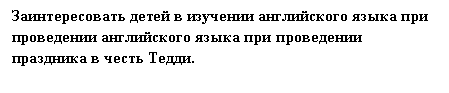 Развивающая:
 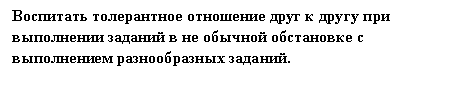 Воспитательная: