

Партнерка на США и Канаду по недвижимости, выплаты в крипто
- 30% recurring commission
- Выплаты в USDT
- Вывод каждую неделю
- Комиссия до 5 лет за каждого referral
Massachusetts Maritime Academy

Athletic Training Center
Emergency Action Plan
In the event of an emergency, each member of the Athletics Department Staff has a clear and defined role. The following information consists of the emergency action plan (EAP) for the Massachusetts Maritime Academy Athletics Department.
It is recommended that the staff Certified Athletic Trainers (ATC), athletic training students (ATS), coaches, administrators and other designated persons in the emergency action procedures review this plan annually so that they are prepared in the event of a medical emergency.
Massachusetts Maritime Academy
Athletic Training Center
Emergency Action Plan
Athletics Department Staff Signature Page
I,____________________________________ , am a member of the Massachusetts Maritime Academy Athletics Department and have read thoroughly the contents of the Site Specific Emergency Action Plan for the Massachusetts Maritime Academy Athletic Training Center and understand the contents as it relates to my role in the Athletics Department with respect to the EAP.
______________________________________________ ________________________
Signature Date
Please print and submit this page to the Athletics Department.
Table of Contents
I. Athletic Department Emergency Procedures..................................................................4
A. Emergency Personnel
B. Role of the Emergency Team Members
C. Emergency Equipment
D. Emergency Communication
E. Documentation and Reporting
F. Injury/Illnesses that Require Automatic Activation of EMS
G. Non-Life Threatening Injuries
H. Transportation of the Injured Student—Athlete
I. Emergency Care Facilities
J. Non-Traditional Practices/Contests
II. Site Specific EAP……………………………………………………………………………….9
III. Severe Weather………………………………………………………………………………11
IV. Away Contest Procedures…………………………………………………………………..12
V. Non-Athletic Injuries/Illnesses……………………………………………………………...13
Appendix A: Campus Map
Appendix B: Clean Harbors Athletic Center and Alumni Pool – Ground Level
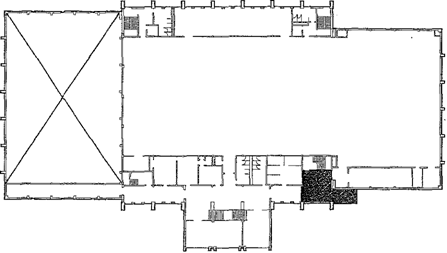
Appendix C: Clean Harbors Athletic Center Large and Small Gymnasiums – Second Level
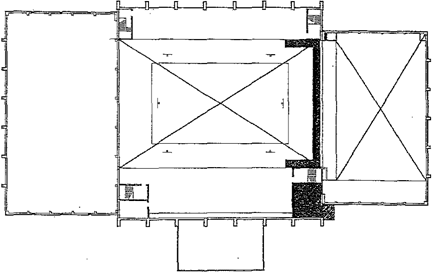
Appendix D: Clean Harbors Athletic Center Erg Alley and Press Box – Mezzanine Level
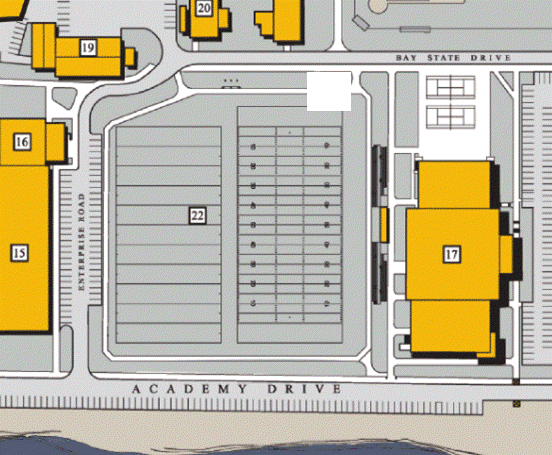
Appendix E: Clean Harbors Stadium - Football, Soccer, Lacrosse and Rugby
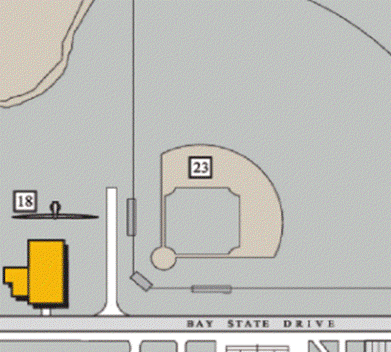
Appendix F: Commodore Hendy Field - Baseball
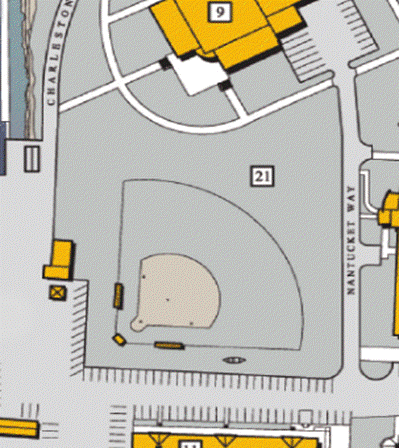
Appendix G: Alison Rollins Field – Softball
References
I. Athletic Department Emergency Procedures
A. Emergency Personnel
1. Staff Certified Athletic Trainers
2. Home Events Staff
3. Coaches
4. Athletic Training Students
5. Building Managers
6. Campus Public Safety
**All Emergency Personnel are required to maintain current CPR, First Aid and AED certification.
B. Role of the emergency team members
1. Immediate care of the athlete
a. Football games- Physician on scene will be primary caregiver to all emergency situations. EMS is present at all home football events. Physician will be assisted by ATC’s, EMS and any other first responders deemed necessary.
b. All other home events - ATC covering event will be primary caregiver for all emergency care situations. ATC will provide care until higher medical care arrives (i. e. Physician) or EMS arrives.
c. If no ATC is present then Head Coach and ATS will provide care until ATC, Campus Public Safety, EMS or higher medical care arrives.
2. Emergency equipment retrieval
The retrieval of AED, vacuum splints, spine board or other equipment deemed necessary from the side line of the contest or from the AT facility (non-contest injury) will be done by:
Person(s) responsible:
a. Home Events Staff
b. ATS
c. Coach
3. Activation of emergency medical system
a. From campus phone, dial 7-911
b. From personal phone, dial 508-726-0798
c. You may also dial 911
d. In a calm, clear and collected voice provide the following information:
Name and telephone number of caller
Number of injured
Condition of injured person(s)
Treatment given
Specific site
Directions to site
Answer any questions that might be asked. DO NOT hang up until told to!
Person(s) responsible:
a. Certified Athletic Trainer
b. Coach
c. Home Events staff
d. ATS
4. Direction of EMS to scene (including securing access to facilities)
At least one person should be sent to meet EMS and direct them to the site of the injury. Person sent should have working knowledge of all gates and locks and know best route to reach the injured person(s). Person sent should work in conjunction with Campus Public Safety.
Person(s) responsible:
a. Home Events staff
b. Coach
c. Campus Police
d. ATS
5. Crowd Control
Keep spectators and other athletes away from scene until injured athlete is safely removed from scene and the scene is safe for the contest/practice to resume.
Person(s) responsible:
a. Home Events Staff
b. Campus Public Safety
**An additional 1-2 people should be identified in advance to assume roles in the emergency plan i. e. assistant coach, contest management personnel and/or team captain.
C. Emergency Equipment
1. Automated External Defibrillator (AED)
Locations in Clean Harbors Athletic Center:
a. Athletic Training Center (2 units) - ground floor
b. Weight Room Entrance (1 unit) - ground floor, hanging from coach rack
c. Gymnasium Entrance (1 unit)) - 2nd floor
d. Alumni Pool (1 unit) - pool deck, adjacent to Coach’s locker room entrance
2. Vacuum splints, Extrication Collar, facemask removal tools, power screwdriver, CPR masks and other emergency equipment
Location:
a. Athletic Training Center inside Clean Harbors Athletic Center
b. Shall be available at all practices and games
3. Blood Borne Pathogen (BBP) Equipment and Supply
Certified Athletic Trainer and ATS will have on their person and in Medical kit the following supplies for the handling of Blood and Blood Borne Pathogens:
a. Gloves for protection of own person and persons around injured athlete
b. Sterile gauze pads
c. Assorted Band-aids
d. Wound cleaning solution for initial cleaning of injury and injury site recognition
e. Steri-strips for closure of wounds not requiring sutures or medical assistance
f. Cavicide for decontamination of blood contacted areas
g. Plastic bags for containment of bio-hazardous waste
4. ATC Medical Kit
a. ATC Medical Kit will be present on the sidelines for all home practice and events.
b. Emergency contact sheets for each athlete.
5. Team Travel Kits
mon supplies found in AT medical kits:
i. BBP supplies, tape and assorted first aid items
b. Emergency contact sheets for each athlete. These documents are sealed in an envelope and contain confidential information. The contact sheets are to be returned to the Athletic Training Center at the conclusion of the season for proper disposal.
D. Emergency Communication
1. Campus Public Safety Emergency Number from all campus phones:
X1025 (Preferred)
2. Campus Public Safety Emergency Cell Phone Number:
(508) 726-0798 (Preferred)
3. If no response from Campus Public Safety then dial 911~call will go to a regional dispatcher then to Bourne EMS.
4. Contact Numbers: Athletic Department staff members should carry the Athletic Department directory with them. This Directory is updated annually and available through the Athletics Department.
E. Injury/Illness that requires Activation of EMS
1. Loss of consciousness
2. Airway compromise, difficulty breathing or cessation of breathing
3. Loss of pulse
4. Severe bleeding that cannot be controlled
5. Anaphylactic Shock
6. Fracture or dislocation
7. Signs and symptoms of shock for any reason
8. Deterioration in any vital signs (HR, BP, respirations, skin color, skin temp, level of consciousness, response to pain, pupil reaction, movements)
9. Pain in spine and/or neurological symptoms in the extremities
10. Any other injury or illness that the nature or extent cannot be determined
F. Non-Life Threatening Injuries
A serious but not life threatening injury is one involving a fracture, dislocation, severe laceration or significant head or neck trauma. Ensure the athlete’s safety, DO NOT allow the athlete to move! Immediately notify the Staff Certified Athletic Trainer of the situation. In the absence of a Staff Athletic Trainer, contact MMA Campus Public Safety via campus phone or cell phone. Follow their advisement. Follow documentation procedure laid out in Section E, Documentation/Records/Reporting.
G. Transportation of Injured/Ill Student Athlete
1. Massachusetts Maritime Academy EMS personnel shall provide transport if available
a. If unavailable, dial 911 for Bourne EMS
2. ASDO shall be notified by radio and/or phone
3. Email the following individuals:
mandant of Cadets
b. Director of Health Services
c. Academy Medical Director
d. Head Athletic Trainer
4. Information shall include:
a. Your name
b. Date and location of injury
c. Nature of injury
d. Action taken
e. Scheduled follow-up if appropriate
** If necessary, athletes, students, spectators and/or other individuals sustaining an injury during an athletic event, will be transported via ambulance to Tobey Hospital in Wareham, MA, unless direct transport to a Trauma Care facility is warranted. During home contests, athletes who require transportation should be accompanied by a family member if possible.
H. Catastrophic Injury
Defined as an injury that is life or limb threatening, including paralysis
In the event of such an injury, the chain of command is as follows:
1. Activate EMS System
2. Contact Head Athletic Trainer
a. Contact Director of Athletics
b. Contact Commandant of Cadets
c. Contact Director of Health Services
3. If Head Athletic Trainer cannot be reached, leave message, then contact Director of Athletics
4. If Director of Athletics cannot be reached, contact Assistant Director of Athletics
5. Director of Athletics shall determine who will contact the injured cadet’s family based on the severity of the injury
I. Emergency Care Facilities
Tobey Hospital
43 High Street
Wareham, MA 02571
508-295-0880
Directions from Massachusetts Maritime Academy campus:
Start out going northeast on Academy Dr.
At the stoplight turn LEFT onto Main St.
Enter next roundabout and take the 3rd exit onto US-6 W/RT-28 N.
Turn slight left onto Sandwich Rd/US-6 W.
Turn sharp left onto Main St.
Take immediate right onto Tobey Hospital campus
J. Trauma Care Facilities
Rhode Island Hospital
593 Eddy St.
Providence, RI 02903
South Shore Hospital
59 Fogg Rd.
Weymouth, MA 02190
K. Non-Traditional Practices/Contests
Teams participating in a non-traditional season should follow the same guidelines as a regular season practice or game. The coach becomes the primary care giver, if the Certified Athletic Trainer is unavailable.
II. Site Specific EAP
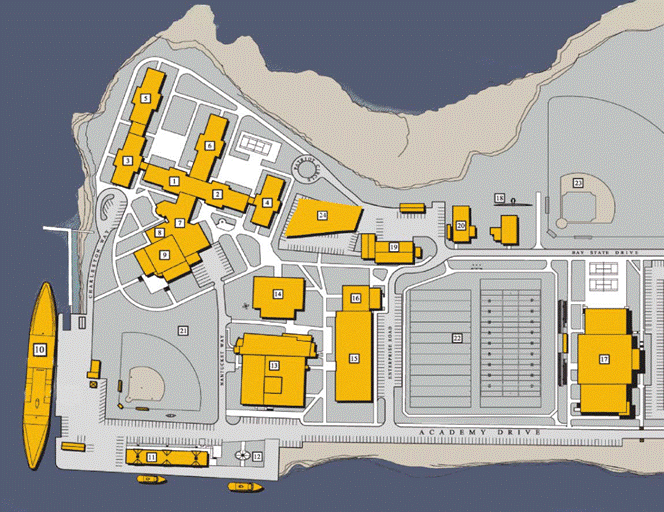
A. Clean Harbors Athletic Center (#17 on Campus Map and denoted by 5 point star Appendix A)
Located on the northeast side of Campus bordering Academy Drive, the Clean Harbors Athletic Center houses the majority of varsity sports at Massachusetts Maritime Academy as well as the Department of Athletics.
❖ Weight Room (Appendix B) Lower Level
a. The red emergency phone: is located on the back wall of the Nautilus Machine room.
b. A campus phone: located in the Athletic Training Center, in the athletics office and in the maintenance supervisor's office.
c. EMS access: from the main entrance of the Clean Harbors Athletic Center or through the entrance on the South side of the building.
d. The AED: is located in the Athletic Training Center.
❖ Large and Small gymnasiums (Appendix C) Second Level
. a. The red emergency phone: is located in the weight room on the back wall of the Nautilus Machine room.
b. A campus phone: located in the athletics office, in the Athletic
Training Center and in the maintenance supervisor's office..
c. EMS access: from the main entrance of the Clean Harbors Athletic
Center or through the entrance on the South side of the building.
d. The AED: is located in the Athletic Training Center.
❖ Erg Alley / Press Box (Appendix D) Third Level
. a. The red emergency phone: is located in the weight room on the back wall of the Nautilus Machine room.
b. A campus phone: located in the athletics office, in the Athletic
Training Center and in the maintenance supervisor's office.
c. EMS access: from the main entrance of the Clean Harbors Athletic Center or through the entrance on the South side of the building.
d. The AED: is located in the Athletic Training Center.
B. Alumni Pool: (Appendix B)
1. Lifeguards should take whatever actions are necessary to stabilize the situation and to minimize injury or danger to the participants. Lifeguards must give appropriate care to any injured person by following American Red Cross procedures and your emergency action plan. (Activate the emergency plan, enter water, perform appropriate rescue, bring victim to safety, remove victim from water and provide appropriate care as necessary.) If Athletic Training Staff is present, allow them to take over when appropriate after any water rescue.
2. Lifeguards are to remain with the victim until more qualified medical personnel have arrived and have taken over the situation. Never leave an injured person unattended! If Athletic Training Staff is present, allow them to take over when and if they deem appropriate.
3. Document the time and sequence of events on the Incident Report Form & Incident Chart. In the event of any serious incidents in which an injured person must be transported to a medical facility, immediately notify supervisor or next person in chain of command.
4. The emergency phone: is located on the wall of the pool deck next to the coach’s locker room.
5. A campus phone: located in the athletics office, in the Athletic
Training Center and in the maintenance supervisor's office.
6. EMS access: from the main entrance of the pool.
7. The Wall Mounted AED: is located on the pool deck next to the coach’s locker room.
C. Clean Harbors Stadium (#22 on Appendix A )
❖ Football/ Soccer/Lacrosse/Rugby Fields
a. A campus phone: located in the athletics office, in the Athletic
Training Center and in the maintenance supervisor's office.
b. EMS access: the gate (#1 Appendix H) off Bay State Drive on the west side of the stadium
c. The AED: is located in the Athletic Training Center.
modore Hendy Baseball Field (#23 on Appendix A)
a. A campus phone: located in the athletics office, in the Athletic
Training Center and in the maintenance supervisor's office.
b. EMS access: the gate (#1 Appendix I) off Bay State Drive next to the third base dugout
c. The AED: the portable AED is located in the Athletic Training Center.
E. Allison Rollins Softball Field (#21 on Appendix A)
a. A campus phone: located in the Mess Deck (#9 Appendix A) and
Blinn Hall (#11 Appendix A)
b. EMS access: the gate (#1 Appendix J) off Charleston Way next to the third base dugout
c. The AED: is located in Bresnahan Hall (#13 on Appendix A) in the
Public Safety Office.
III. Severe Weather
A. In the event of severe weather the Athletic Training Staff, Home Events Staff and the Officials will make a joint decision about the continuation or immediate stoppage of all Athletic competitions and/or practice.
B. In the event of possible severe weather the Staff Athletic Trainer and the Home Events will also be monitored from the Athletic Training facilities in the Clean Harbors Athletic Center.
C. Weather will be monitored in a number of ways. Weather patterns will be tracked using
the Internet and streaming radar views to monitor direction and speed of any
impending weather. The Athletic Training Staff has hand held lightning detectors that
will be monitored for local strikes. In person monitoring will also be done on the fields
that the competitions or practices will be held. If severe weather is forecast every
attempt will be made to notify the coaching staff and make them aware that the fields
may need to be cleared.
D. Safe Zones
1. Clean Harbors Stadium and Commodore Hendy Baseball Field
All of these fields will use the Clean Harbors Athletic Center as a place of shelter until the storm has passed and play can safely resume.
2. Allison Rollins Softball Field
This field will use either the Mess Deck or Blinn Hall as a place of shelter until the storm has passed and play can safely resume.
E. In the event of severe weather that includes thunder and lightning the "Hear it, Fear it, See it, Flee it" recommendations will be followed. The moment a "flash" or an actual lightning bolt is observed all athletic activities will be suspended. No practice or contest
can resume until 30 minutes has passed from the last visible sighting of lightning.
Lightning can happen in the absence of thunder but thunder cannot happen in the absence of lightning.
IV. Away Contest
When an injury/Illness occurs at an away contest:
A. If the injury/illness is not life threatening and the athlete was not evaluated by a
Certified Athletic Trainer at the away contest, then the Head Coach is responsible for notifying a Staff Athletic Trainer of the situation including the nature of the injury/illness, how and when injury/illness was sustained by either e-mail or phone call. The Head Coach is also responsible for advising the athlete to report to the Athletic Training Center as soon as possible for evaluation and treatment.
B. If injury/illness has been evaluated by a Certified Athletic Trainer, or person of higher medical credentials, and is deemed ok to travel home, the athlete will return with the team to MMA. The Head Coach is responsible for notifying a Staff Athletic Trainer of
the situation including the nature of the injury/illness, how and when injury/illness was sustained by either e-mail or phone call. The Head Coach is also responsible for advising the athlete to report to the Athletic Training Center as soon as possible for evaluation and treatment.
C. If the injury/illness has been evaluated by a Certified Athletic Trainer or higher medical authority and deemed emergent enough to be transported to the hospital then at least one coach, either the Head Coach or an Assistant Coach, must accompany the athlete to the hospital. The coach must remain with the athlete until the athletes' parents and/or designated emergency contact person arrives or the athlete is released from the hospital. The Head Coach is responsible for notifying the parents/designated emergency contact person as soon as the athlete is referred to the hospital and then keeping the parents/emergency contact person informed once the athlete has been evaluated and treated by the hospital. The Head Coach is also responsible for documenting the situation as laid out in the catastrophic section of the EAP and
notifying the Head Athletic Trainer by cell phone immediately.
V. Non-Athletic Emergencies
In case of an emergency that is not a consequence of participating in an athletic game or contest (i. e. students injured in the Athletic Center, cadets participating in intramurals, spectators/fans and event staff) the person in charge of the site or activity must first contact campus public safety. The Certified Athletic Trainer will act as a first aid provider if necessary.

Appendix A
Campus Map Massachusetts Maritime Academy
`Appendix B
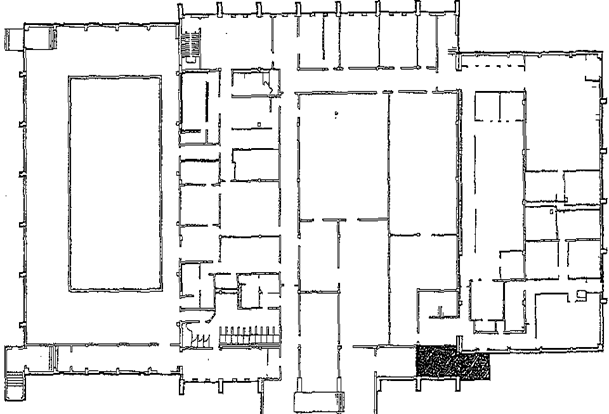



First Floor
Appendix C
 I
I

SECOND FLOOR

Appendix D
MEZZANINE LEVEL
Appendix E
 |
Appendix F

Appendix G

References
Center for Disease Control. CDC. org
National Athletic Trainers Association: Lightning Safety for Athletics and Recreation. JAT. 2000.
National Athletic Trainers Association: Emergency Planning in Athletics. JAT. 2002.
National Collegiate Athletic Association: Recommendations for Emergency Plan. 2003.
National Weather Service.
NCAA Sports Medicine Handbook.
