Партнерка на США и Канаду по недвижимости, выплаты в крипто
- 30% recurring commission
- Выплаты в USDT
- Вывод каждую неделю
- Комиссия до 5 лет за каждого referral
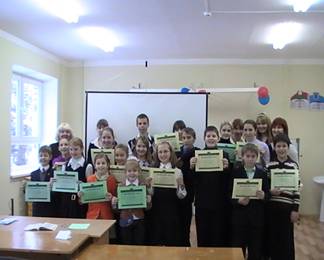
Фонетический фестиваль
для 3-11 классов
Учителя
Минск 2009
Фонетический фестиваль
Phonetic Festival
для 5-11 классов
Цели мероприятия:
1. Тренировать произносительные навыки.
2. Тренировать восприятие речи на слух.
3. Формировать навыки самостоятельной работы с фонетическим материалом стихотворений.
4. Формировать актерские навыки при исполнении стихов на английском языке.
Оборудование:
- английские газеты со статьями, посвященными английским и американским писателям;
- плакаты с изречениями известных английских и американских писателей.
Состав участников:
- участники (представители от каждого класса);
- члены жюри;
- ведущий.
Ход фестиваля
I. Начало фестиваля.
Организационный момент.
Ведущий: Good day, dear friends! Today you'll listen a lot of English poems. Let's begin with the 5th grade!
II. Проведение конкурса.
5 класс. (The 5th grade.)
Weather
When the weather is wet
We must not fret.
When the weather is cold,
We must not scold.
When the weather is warm,
We must not storm,
But be joyful together
Whatever the weather!
Ученик показывает карточку со звуком [б]. На этом звуке и построено все стихотворение.
6 класс. (The 6' grade.)
Peter Piper
Peter Piper picked a peck of pickled pepper
A peck of pickled pepper Peter Piper picked.
If Peter Piper picked a peck of pickled pepper
Where's the peck of pickled pepper Peter Piper picked?
Декламируя эту скороговорку, ученик должен правильно произносить звук [р].
7 класс. (The 7th grade.)
The golden sunset
(by Henry Longfellow)
The golden sea its mirror spreads
Beneath the golden skies
And but a narrow strip between
On land and shadows lies.
The cloud-like rocks,
the rock-like clouds
Dissolved in glory float,
And midway of the radiant flood,
Hangs silently the boat.
8 класс. (The 8th grade.)
Autumn fires
(by R. L. Stevenson)
In the other gardens,
And all up the vale,
From the autumn bonfires
See the smoke trail!
Pleasant summer's over
And all the summer flowers,
The red fire flazes,
The gray smoke towers.
Sing a song of seasons!
Something bright in all!
Flowers in the summer,
Fires in the fall!
Ученик может декламировать это стихотворение с ветками осенних листьев. Кроме того, читая данное стихотворение можно показывать рисунки осенней природы.
9 класс. (The 9th grade.)
Ведущий: The next pupil will recite a wonderful poem by George Byron.
She walks in beauty I.
She walks in Beauty, like the night
Of cloudless climes and starry skies
And all that's best of dark and bright
Meet in your aspect and her eyes:
Thus mellowed to that tender light
Which heaven to gaudy day denies.
One shade the more, one ray the less,
Had half impaired the nameless grace
Which waves in every rosen trees,
Or softly lightens o'er her face:
Where thoughts serenely sweet express,
How pure, how dear their dwelling place.
Необходимо добиться артистичного исполнения данного стихотворения. Читая данное стихотворение, ученик может показывать портреты прекрасных женщин, написанные художником Томасом Гейнсборо.
Ведущий: Byron was a very bright person. He enjoined great fame in his life-time. Being extremely popular among common people he was hated by his own class of aristocrats. He traveled abroad visiting Portugal, Spain, Albania, Greece, Turkey. In 1823 he went to Greece on invitation of his Greek friends. He took part in the struggle for national independence of Greece against the Turks. In 1824 he fell ill and died.
10 класс. (The 10th grade.)
Ведущий: And now Hiawatha! (А теперь встречайте Гайя-вату!)
Появляется ученик в костюме индейца. The song of Hiawatha
(Extract) I.
In the vale of Tawasentha In the green and silent valley By the pleasant water-courses, Dwelt he singer Nawa daha, Round about the Indian village Spread the meadows and corn-fields And beyond them stood the forest, Stood the groves of shining pine-trees, Green in the summer, white in winter, Ever sighing ever singing.
II.
And the pleasant water-courses,
You could trace them through the valley
By the rushing in the spring-time,
Be the alders in the summer
By the white fog in the autumn
By the black line in the winter
And beside them dwelt the singer
In the vale of Tawasentha,
In the green and silent valley.
III
There he sang of Hiawatha
Sang the song of Hiawatha,
Sang his wondrous birth and being,
How he prayed and how he fasted,
How he lived and toiled and suffered,
That the tribes of men might prosper,
That he might advance his people!
До и после выступления несколько человек бьют в барабаны.
Ведущий: The family traditions of heroism played a considerable role in the life of young Longfellow. At the age of 16 he wrote his first verses and stories. In 1826 he was sent to Europe to study foreign languages. He visited England, France, Spain and Germany. In 1829 he returned home and began teaching foreign languages.
Longfellow continued the fine tradition began by Washington Irving and Fenimore Cooper of describing the life of the Indian people.
In "The song of Hiawatha" Longfellow retells in beautiful poetic verse how the Indians lived many centuries ago.
11 класс. (The 11' grade.)
Ведущий: Now you'll hear the famous monologue from Shakespeare's comedy "As you like it".
All the world's a stage (Весь мир - театр)
All the world's a stage
And all the men and women
Merely players:
They have their exits and their entrances,
And one man in his time
Plays many parts,
His acts being seven ages.
At first the infant,
Mewling and puking in the nurse's arms.
And then the whining school-boy,
With his satchel And shining morning face,
Creeping like snail Unwillingly to school. And then the lover,
Sighing like furnace, with woeful ballad
Made to his mistress' eyebrow. Then a soldier,
Full of strange oaths, and bearded like the pard,
Gealous in honour, sudden and quick in quarrel
Seeking the bubble reputation
Even in the cannon's mouth.
And then the justice.
In fair round belly with good capon lin'd,
With eyes severe, and beard of formal cut,
Full of wise saws and modern instances;
And so he plays his part.
The sixth age shifts into the
Lean and slipper'd pantaloon,
With spectacles on nose and pouch on side,
His youthful hose well sav'd, a world too wide
For his shrunk shank; and his big manly voice,
Turning again toward childish treble, pipes
And whistles in his sound.
Last scene of all
That ends this strange
Eventful history,
Is second childishness and mere oblivion,
Sans teeth, sans eyes, sans taste, sans everything!
Этот монолог надо прочитать очень выразительно, показывая все роли, которые приходится играть человеку в течение всей жизни.
Ведущий: W. Shakespeare was the greatest and the best interpreter of human nature, the poet of the widest sympathies, of the most profound knowledge of mankind. Shakespeare wrote on an average a play every six months for nearly twenty years. It was human life that Shakespeare cared for.
Перед конкурсом было задание - найти выражения, вошедшие в английский язык из произведений У. Шекспира. Дети произносят выражение и дают перевод.
1)Every inch a king! - Король, король - от головы до ног!
2)Friends, Romans, country men, lend me your ears. - Друзья, сограждане, внемлите мне.
3)If music be the food of love, play on. - О музыка, ты пища для любви! Играйте же, любовь мою насытьте! (Из комедии «12-я ночь».)
4)Lord, what fools these mortals be! - Как безумен род людской! (Из пьесы «Сон в летнюю ночь».)
5)Something is rotten in the state of Denmark. - Подгнило что-то в датском королевстве, (Из пьесы «Гамлет».)
6) That way madness lies. - Но это путь к безумью. («Король Лир».)
7)Lay on, Mac'Duff. - Макдафф, начнем! (Из пьесы «Макбет».)
III. Итоги фестиваля.
Учащиеся, нашедшие и объяснившие известные выражения, получают призы - книги на английском языке.
В конце фестиваля жюри награждает каждого участника книгой на английском языке.
Фонетический фестиваль 3-11 классы.
|
|
|
|
|
|