


Партнерка на США и Канаду по недвижимости, выплаты в крипто
- 30% recurring commission
- Выплаты в USDT
- Вывод каждую неделю
- Комиссия до 5 лет за каждого referral
Сценарий мероприятия, посвященного Дню Рождения шотландского поэта Роберта Бернса
Цель мероприятия: познакомить учащихся с биографией и творчеством великого шотландского поэта Роберта Бернса.
Учитель: совместно с
Участники мероприятия: учащиеся 7б, в классов
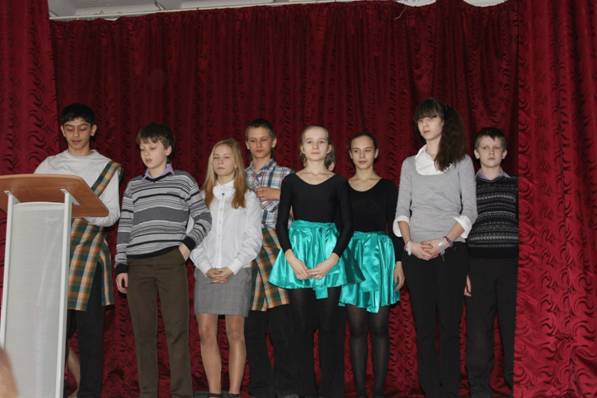
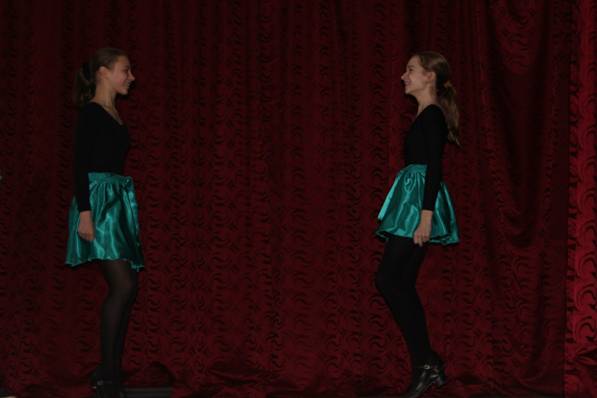
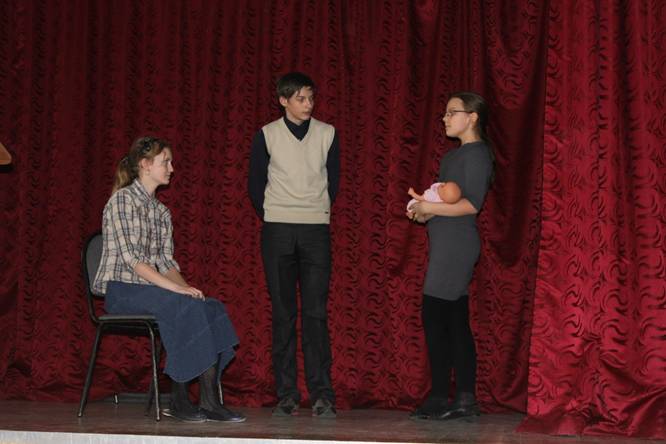
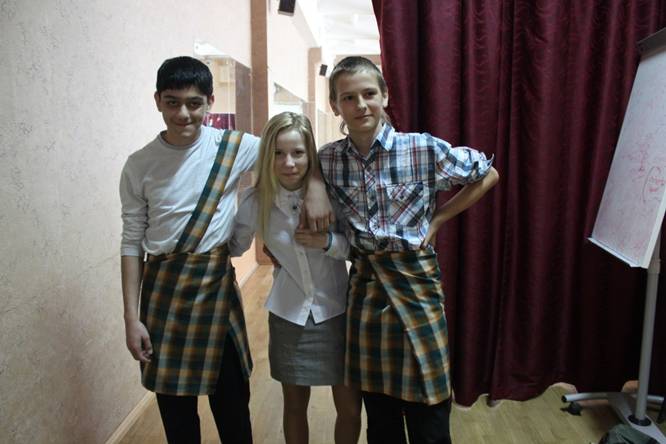
Compere 1: Dear girls and boys, thank you for coming to this party. I'm glad to see you here on the eve of his birthday, because as you know Robert Burns' birthday is usually celebrated in all English-speaking countries.
Compere 2: A celebration called Burns’ Night is held not only in Scotland and in many places of England, but also amongst British people living in other countries. The celebration usually takes the form of a supper (called Burns’ Supper) at which traditional dishes are eaten. The people are wearing their traditional costumes and some of Burns’ most popular poems are recited.
Ведущий 2: День рождения Роберта Бернса принято праздновать в форме ужина, так называемого Burn’s Supper, проводимого по определенному сценарию. Сначала - небольшое сценическое действо, со стихами, песнями и народными шотландскими танцами.
Ведущий 1: В этот день из гардероба достается национальный костюм шотландцев. Килт и рисунок ткани - шотландка - передается только по семейной линии и определяет принадлежность к тому или иному клану. Кланы берут свое начало с давних времен, когда только горцы были разделены на кланы-семьи. Принадлежность к тому или иному клану до сих пор является важной характеристикой шотландской семьи.
Ведущий 2: Застолье в день Бернса состоит исключительно из блюд шотландской кухни. Хагис традиционно готовится из мелко порубленного ливера барана с добавлением овсянки и специй. Вместе с хагисом на праздничный стол подаются вареный картофель и репа. На десерт знающая хозяйка приготовит кранихен - взбитые сливки с малиной и поджаренными овсяными хлопьями. И, конечно, на столе в этот день - знаменитый шотландский виски.
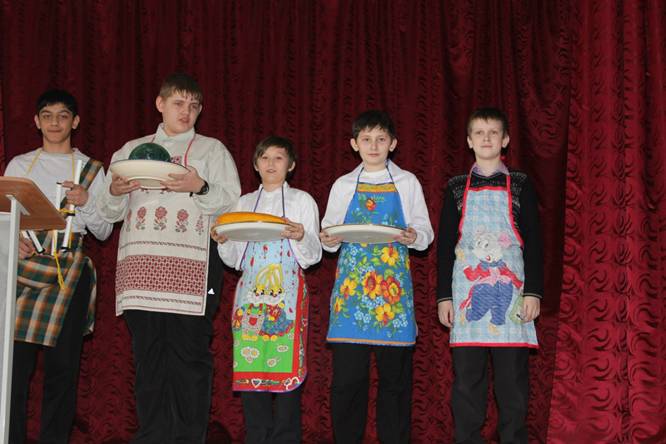
Выходит волынщик (звучит музыка волынки). За ним повар с поварятами (на блюде Хаггис, овощи.
Поварята:
Some hae meat and canna eat,
And some wad eat that want it,
But we hae meat and we can eat,
And sae the Lord be thank it.
У которых есть, что есть - те подчас не могут есть
А другие могут есть, да сидят без хлеба,
А у нас тут есть, что есть, да при этом есть, чем есть -
Значит нам благодарить остается небо.
Повар:
To a Haggis
Ye Pow’rs wha mak mankind you care,
And dish them out their bill o’fare
Auld Scotland wants nae skinking ware
That jaups in luggies
But, if ye wish her gratefu' pray’r
Gie her a 'Haggis'
Ода шотландскому пудингу Хаггис
Молю я Промысел небесный
И в будний день и в день воскресный
Нам не давай похлёбки пресной
Яви нам благость
И ниспошли родной чудесный
Горячий Хаггис
(ставят блюда на стол, уходят)
Ведущий: This poem about an old scottish dish was written by the worldfamous scottish poet Robert Burns. Today we are going to tell you about this great pearson and about Scotland, his native country.
Ведущий: The biggest city of Scotland Glasgow which lies on the river Clyde is the largest port of the country. But south-west of Glasgow lies the pleasant town of Ayr, notable as the homeland of Robert Burns. The great Scottish poet was born in Alloway, in Ayrshire, Scotland on the 25th of January, 1759.
Pupils:
В деревне парень был рожден,
Но день, когда родился он,
В календари не занесен.
Кому был нужен Робин?
Был он резвый паренек,
Резвый Робин, шустрый Робин,
Беспокойный паренек –
Резвый, шустрый Робин!
Pupils:
Robin was a rovin' Boy,
Rantin' rovin', rantin' rovin';
Robin was a rovin' Boy,
Rantin' rovin' Robin.
Woman: The night is so stormy. It is snowing. Somebody is knocking.
Husband: I'll open the door.
Burns' Mother (coming in): My dear neighbours! The storm has broken the roof of my house. May I spend this night at your place?
Woman: Oh, dear! You are welcome! Sit down, please. Let me have a look at your baby. What a handsome boy!
Husband: Hush! Somebody is knocking again. Who can it be? The snowstorm is so terrible!
Woman: Oh, a stranger may have lost his way. We can't leave anyone without help. Open the door, my dear.
Gypsy (entering the room): Hello! How are you? I'm cold and wet. May I warm myself in your house?
Woman: Of course, my dear Sarah. She is a Gypsy. She can tell fortunes.
Gypsy: What a nice baby! Let me see his hand. Oh, this boy won't be a fool. He'll be famous! He will glorify his family and country.
Woman:
She said who lives will see the proof,
This handsome boy will not be fool,
I think we'll call him Robin
He'll have misfortunes great and small,
But always a heart above them all:
He'll be a credit till us all,
We'll all be proud of' Robin.
Pupils:
Разжав младенческий кулак,
Гадалка говорила так:
- Мальчишка будет не дурак.
Пускай зовется Робин.
Немало ждет его обид,
Но сердцем всё он победит.
Парнишка будет знаменит,
Семью прославит Робин.
Compere 1: It happened so. There were 7 children in the family and Robert was the eldest one. His father was a poor farmer but he tried to give his children the best education he could.
Pupils: In 1765 Robert was sent to school, but his school days did not last long because his teacher soon got another job and left. Then Burns' father persuaded some neighbours to hire a young man as a teacher for their children. This young man was John Murdoch. He was very clever and gave his pupils a good knowledge of English. They read Shakespeare, Milton and other most important writers of the 16th — 18th centuries.
Compere 2: Robert's childhood and adolescence were not happy. Being the eldest in the family Robert had to begin working on the farm at a very early age. At 13 he worked in the field on a par with grown-ups. Thus he wrote many poems about it.
Ведущий : All great poets began to write poems when they fell in love with girls. The same thing happened to Robert Burns. He devoted many poems to this wonderful feeling.
Pupils:
A Red, Red Rose
О my Luve's like a red, red rose,
That's newly sprung in June;
O my Luve's like the melodie
That's sweetly play'd in tune.-
As fair art thou, my bonie lass,
So deep in luve am I;
And I will luve thee still, my Dear,
Till a' the seas gang dry.-
Till a' the seas gang dry, my Dear,
And the rocks melt wi' the sun:
I will luve thee still, my Dear,
While the sands o' life shall run.-
And fare thee weel, my only Luve!
And fare thee weel, a while!
And I will come again, my Luve,
Tho' it were ten thousand mile! '-
Любовь
Любовь, как роза, роза красная.
Цветет в моем саду.
Любовь моя — как песенка,
С которой в путь иду…
Сильнее красоты твоей
Моя любовь одна.
Она с тобой, пока моря
Не высохнут до дна.
Не высохнут моря, мой друг,
Не рушится гранит,
Не остановится песок,
А он, как жизнь, бежит...
Будь счастлива, моя любовь,
Прощай и не грусти.
Вернусь к тебе, хоть целый свет
Пришлось бы мне пройти!
Шотландский танец.
Pupils: Robert made several trips around the country and saw beautiful landscapes and lakes of the Highlands. He visited some historical places, which made a great impression on him.
Pupils:
"My Heart's in the Highlands"
My Heart's in the Highlands, my heart is
not here;
My heart's in the Highlands a chasing the
deer;
Chasing the wild deer, and following the
roe;
My heart's in the Highlands, wherever
I go.-
Farewell to the Highlands, farewell to the
North;
The birth-place of Valour, the country of
Worth:
Wherever I wander, wherever I rove,
The hills of the Highlands for ever I love.-
Farewell to the mountains high cover'd with
snow;
Farewell to the straths and green vallies
below:
Farewell to the forests and wild-hanging
woods;
Farewell to the torrents and loud-pouring
floods.-
My heart's in the Highlands, my heart is
not here;
My heart's in the Highlands a chasing the
deer;
Chasing the wild deer, and following the
roe;
My heart's in the Highlands, wherever
I go.-
В горах мое сердце... Доныне я там.
По следу оленя лечу по скалам.
Гоню я оленя, пугаю козу.
В горах мое сердце, а сам я внизу.
Прощай, моя родина! Север, прощай,—
Отечество славы и доблести край.
По белому свету судьбою гоним,
Навеки останусь я сыном твоим!
Прощайте, вершины под кровлей
снегов,
Прощайте, долины и скаты лугов,
Прощайте, поникшие в бездну леса,
Прощайте, потоков лесных голоса.
В горах мое сердце... Доныне я там.
По следу оленя лечу по скалам.
Гоню я оленя, пугаю козу.
В горах мое сердце, а сам я внизу!
Ведущий : You know that Robert Burns died in 1796. After his death his poems were translated into almost every language. In Russia six of his poems were translated for the first time by Mikhailov in 1856. Shchepkina-Kupernick, Bagritsky and other poets translated Burns' poems, too.
Ведущий : But the best translations were made by Marshak. Thanks to Marshak's translations we have come to know and love Robert Burns. We know that the Scottish national anthem "Auld Lang Syne" composed by Robert Burns is often sung at parties or meetings of friends all over the world.
Compere 3: And I think that today we shall honour the memory of the great bard of Scotland by singing his song.
Robin was a rovin' Boy,
Rantin' rovin', rantin' rovin';
Robin was a rovin' Boy,
Rantin' rovin' Robin.
В горах мое сердце... Доныне я там.
По следу оленя лечу по скалам.
Гоню я оленя, пугаю козу.
В горах мое сердце, а сам я внизу.
Прощай, моя родина! Север, прощай,—
Отечество славы и доблести край.
По белому свету судьбою гоним,
Навеки останусь я сыном твоим!
Прощайте, вершины под кровлей
снегов,
Прощайте, долины и скаты лугов,
Прощайте, поникшие в бездну леса,
Прощайте, потоков лесных голоса.
В горах мое сердце... Доныне я там.
По следу оленя лечу по скалам.
Гоню я оленя, пугаю козу.
В горах мое сердце, а сам я внизу!
