


Партнерка на США и Канаду по недвижимости, выплаты в крипто
- 30% recurring commission
- Выплаты в USDT
- Вывод каждую неделю
- Комиссия до 5 лет за каждого referral
Учитель английского языка
МБОУ Школа №62
Урок английского языка по УМК Spotlight по теме «Spotlight on Russia : National pride». 6-й класс
Цели и задачи урока
- Обучающие:
- освоить в разных контекстах во всех видах речевой деятельности, новые лексические единицы по теме «Национальная гордость»
давать и запрашивать информацию биографического характера научить составлять высказывание об известном человеке; создать условия для совершенствования языковых и речевых навыков в ситуации речевого общения по теме « Национальная гордость»
- развивать умения во всех видах речевой деятельности; развивать воображение при моделировании ситуации общения; развивать социокультурную компетенцию; развивать познавательные интересы за рамками урока.
- воспитывать культуру общения и поведения на уроке; воспитывать интерес и уважение к событиям в прошлом.
Задачи:
- научить искать, сообщать и запрашивать информацию о знаменитых людях; описывать портреты и род деятельности известных людей; понимать новые слова и уметь их использовать в высказывании о изученной теме; выделять основную мысль частей текста; высказывать свое мнение и уметь аргументировать его; работать самостоятельно и в парах; уметь собирать информацию и писать тезисы по данному плану
Ожидаемые учебные результаты
Личностные:
формирование культуры и норм поведения;
формирование уважения к разным людям и роду их деятельности;
формирование творческих способностей.
Метапредметные:
формирование и развитие ИКТ компетентности;
формирование целеполагания;
формирование навыка планирования и регуляции своей деятельности;
формирование умений анализа и общения(высказывание своего мнения и его аргументирование)
Предметные:
развитие умений монологической речи по теме «Национальная гордость»
развитие умений ознакомительного чтения(умения выделять основную мысль);
расширение словарного запаса по теме;
идентификация форм Past Simple в тексте и практика их использования в ситуации учебного диалога на основе прочитанного;
развитие умений аудирования (извлечение основной и запрашиваемой информацией);
развитие умения собирать информацию и писать тезисы по данному плану.
ХОД УРОКА
1.Организационный момент
-Good morning, boys and girls!
-How are you?
-Who’s absent today?
2. Актуализация нового материала
Просмотр портретов и фотографий выдающихся людей и определение темы урока и целей
Whom can you see in the picture?
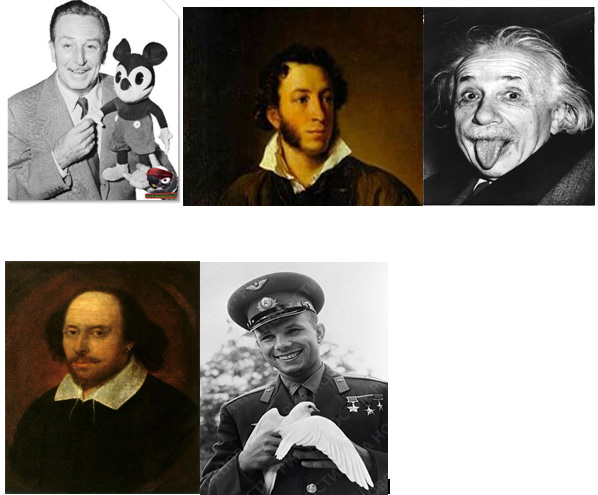
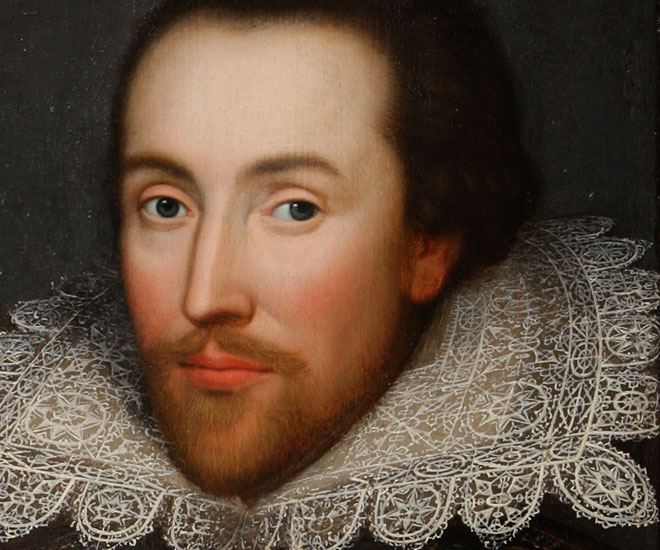

Обращение к субъектному опыту учащихся:
– Before we start I want you to give some ideas on the topic of the lesson. Let us look at the screen and answer to the questions :
– Whom can you see in the picture?
– Why are they famous?
– What do you expect to talk about at the lesson?
(на доске записано словосочетание.) national pride - национальная гордость.
- Open the magazine Spotlight on Russia at the end of your books, page 9.Who can you see in the picture? (Alexander Pushkin).
-Read the unit title. (national pride ) How is it related to the poet?(All people in our country are proud of this poet.)
(Учитель читает предисловие к статье и объясняет, что все перечисленные поэты являются национальной гордостью своих стран).
- Let’s listen to some of their poems. I’d like you to get an idea how beautiful the poems are.
http://www. archive. org/download/sammlung_gedichte_014_1312_librivox/deutschegedichte014_05_erlkoenig_hok_128kb. mp3
https://youtu. be/D9RvXs4WYIo
http://fonoteka. tmdt. ru/roliki/vospzarsk/zimutr128.MP3
http://www. chistylist. ru/stihotvorenie/zimnee-utro/pushkin-a-s
(Учащиеся слушают аудиозаписи стихотворений указанных поэтов на английском, немецком, русском и татарском языках. Затем ученики называют произведения этих авторов, которые они читали.)
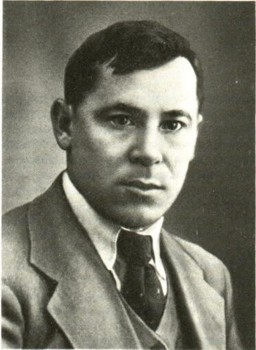
-Today we’re going to read and talk about Alexander Pushkin and Musa Jalil.(Учитель делит класс на две группы и задает задания по группам I группа-, II группа – М. Джалиль.)
3. Работа с текстом в журнале Spotlight on Russia( ) и с текстом о Мусе Джалиле.
-Read the articles and answer the questions.( на доске записаны вопросы).
-Where was Alexander Pushkin born? - Where was Mussa Jalil born?
-Who taught him about Russian folktales? - When did Mussa Jalil move to Kazan?
-What did he like doing as a child? - When was he send to Moabit Prison?
-How old was Pushkin when he died? - How old was Mussa Jalil when he died?
4. Применение изученного:
Идентификация форм Past Simple в тексте и практика их использования в ситуации учебного диалога на основе прочитанного
Underline and name all past forms in the text. In pairs use them to ask and answer questions
6. Закрепление
Используя прочитанный текст предлагается заполнить таблицу в форме factfile. According to the text make notes to the headings.
Name:_________________________
Date of birth:___________________
Place of birth:____________________
Early years:______________________
Later years:________________________
Famous for________________________
Date of death:_____________________
7. Домашнее задание: воспользуйтесь энциклопедиями, для того, чтобы собрать информацию (70-80 слов) о выбранном из перового файла или другом известном человеке и приготовьте презентацию. Make a presentation, write a short biography article (70-80 words) about famous person and present to the class.
8. Подведение итогов. Рефлексия
– Did you like the lesson?
– Continue my phrase :”I have learned….”
– What was difficult for you?
– What was interesting for you?
Mussa Jalil (February 15, 1906 – August 25, 1944) was a Soviet Tatar poet and resistance fighter. He is the only poet of the Soviet Union who was simultaneously awarded the Hero of the Soviet Union award for his resistance fighting. Musa Jalil was born in Mustafino, a village in Orenburg Governorate, in the family of Junkman. He graduated from Husainiya Madrasa in Orenburg. In 1920, the Tatar ASSR was established and Kazan became its capital. In 1922, Musa, along with other Tatar poets, moved to Kazan. During 1925 and 1926, Jalil became an instructor of Orsk. In 1931, Jalil graduated from the literature faculty of Moscow University. Until 1932, he was a chief editor of the Tatar children's magazine Little Octobrist. After Nazi Germany's invasion of the Soviet Union in June 1941, Jalil volunteered for the Red Army. Graduating political commissar courses, he arrived at the Volkhov Front and became a war correspondent in the Otvaga newspaper. In June 1942, during the Lyuban Offensive Operation, Jalil’ s unit was encircled; when his unit tried to run a blockade he became seriously wounded, shell-shocked, and captured. In late 1942, the Nazis started forming national legions. The Nazis tried preparing the legionnaires for action against the Red Army. Mussa Jalil joined the Wehrmacht propaganda unit for the legion under the false name of Gumeroff. Jalil 's group set out to wreck the Nazi plans, to convince the men to use the weapons they would be supplied with against the Nazis themselves. On 10 August 1943, he was arrested with his comrades by the Gestapo and sent to Moabit Prison in Berlin. He and his group of 12 were sentenced to death on 12 February 1944 and guillotined at Plцtzensee Prison, Berlin, on August 25. His body was never recovered afterwards.
Then Tatar writers and the Tatarstan department of state security proved Jalil’s underground work against the Nazis and his death. In 1953, The Moabit Notebooks were published in Kazan and the Russian translation also was published in Literaturnaya Gazeta. Musa Jalil was awarded the star of the Hero of the Soviet Union in 1956 and Literature Lenin Prize in 1957 for The Moabit Notebooks.
Red chamomile(Красная ромашка, Кызыл ромашка)
The gleam highlighted glade
And woke up chamomiles
Smiled, pulled exchanged glances
Among themselves.
Dawn washed their clean
Dew sweet scented
So they swing
They enjoy
Suddenly started daisies
Turned to her friend.
This girl not was
As all white flowers.
All daisies, as daisies
Wear white shirt
Everything -- the snow, it is one
As if the blood was red.
The whole glade was crowded: --
Why have you changed?
Where you got this color?
But my friend answered them:
Here's what came out thing.
At night the battle was in full swing here,
And shoulder to shoulder with me
There was a fighter-a hero.
He became enemies to fight
He was alone, and there are fifteen of them.
He punched them, did not retreat,
Only in the morning was wounded.
The blood from the wound flowed,
I'm blood washed. ( by Akmetzanova Alsu, by Irek Khabibullin)
