

Партнерка на США и Канаду по недвижимости, выплаты в крипто
- 30% recurring commission
- Выплаты в USDT
- Вывод каждую неделю
- Комиссия до 5 лет за каждого referral
1
Вы услышите четыре коротких диалога, обозначенных А, B, C и D. Определите, где происходит каждый из этих диалогов. Используйте каждое место действия из списка 1–5 только один раз. В задании есть одно лишнее место действия. Вы услышите запись дважды. Занесите свои ответы в таблицу.
1. In the cinema
2. In an internet cafe
3. In a classroom
4. At home
5. On a street
Диалог | A | B | C | D |
Место действия |
2
вы услышите пять высказываний. Установите соответствие между высказываниями каждого говорящего A–E и утверждениями, данными в списке 1–6. Используйте каждое утверждение из списка 1–6 только один раз. В задании есть одно лишнее утверждение. вы услышите запись дважды. Занесите свои ответы в таблицу.
The speaker talks about
1. his/her typical day off.
2. a disagreement with a friend.
3. the most popular sports.
4. the local sports centre.
5. healthy eating habits.
6. doing sports at home.
Говорящий | A | B | C | D | E |
Утверждение |
3
вы услышите разговор двух друзей. выберите цифру 1, 2 или 3, соответствующую выбранному вами варианту ответа. вы услышите запись дважды.
Tom’s birthday is in
1) summer.
2) winter.
3) spring.
4
вы услышите разговор двух друзей. выберите цифру 1, 2 или 3, соответствующую выбранному вами варианту ответа. вы услышите запись дважды.
Monica gave Tom
1) a box of sweets.
2) a pair of sunglasses.
3) a baseball cap.
4)
5
вы услышите разговор двух друзей. выберите цифру 1, 2 или 3, соответствующую выбранному вами варианту ответа. вы услышите запись дважды.
Tom’s sister is
1) older than Tom.
2) exactly the same age.
3) younger than Tom.
6
вы услышите разговор двух друзей. выберите цифру 1, 2 или 3, соответствующую выбранному вами варианту ответа. вы услышите запись дважды.
Next year Tom is going
1) to start university.
2) to continue school.
3) to start working.
7
вы услышите разговор двух друзей. выберите цифру 1, 2 или 3, соответствующую выбранному вами варианту ответа. вы услышите запись дважды.
Нажмите кнопку 3009.mp3, чтобы прослушать запись.
Tom’s mother works as
1) an artist.
2) a driver.
3) an economist.
8
вы услышите разговор двух друзей. выберите цифру 1, 2 или 3, соответствующую выбранному вами варианту ответа. вы услышите запись дважды.
The birthday cake for Tom has been made by
1) a professional cook.
2) his mother.
3) his grandmother.
9
Прочитайте тексты и установите соответствие между текстами А–G и заголовками 1–8. В ответ запишите цифры, в порядке, соответствующем буквам. Используйте каждую цифру только один раз. В задании есть один лишний заголовок.
1. The symbols of London
2. Means of travelling
3. World record holder
4. A sweet in the street
5. On the road
6. A healthy but difficult choice
7. An unusual hobby
8. Conflict over roads
A. The British are enthusiastic about mobility. They think that the ability to travel far and frequently is their right. People can spend up to two or three hours commuting to London or another big city and arrive back at their homes in the countryside only late in the evening. They put up with the long journey because they want their families to avoid the unhealthy lifestyle of big cities.
B. Most journeys to work are made by private road transport. It leads to the pollution so familiar to many big cities, and to traffic jams. Congestion is especially high in Britain because the British do not welcome the idea of building new roads. They don’t like living close to them. Each proposal to build a new road is criticised so it’s not easy to improve the road situation.
C. Perhaps because the trains were the first means of transport in Britain many people still have a romantic outlook on them. Thousands of train-lovers spend a lot of time looking for information about trains, especially old steam engines. Many enthusiasts spend their free time restoring and repairing old trains. They even earn some money by offering rides to tourists.
D. It is possible to travel between any two towns or cities by either road or rail. In some parts of the country there is a very good rail network but most commercially successful trains run between London and the largest cities in the modern European standards British trains are not fast. Coach services are generally even slower than trains but are much cheaper. It explains why they are still in use.
E. Britain is one of the few countries in Europe where double-decker buses are a common sight. Although single-deckers have been in use since 1960s, London still has many double-deckers in operation. They are world-famous, an image associated with the city. Another London icon is the black taxi. Normally, these traditional taxis cannot be hired by phone. You simply have to find one on the street.
F. In 1953, most schoolchildren walked to school. For this reason, school crossing patrols were introduced. This ‘patrol’ consists of an adult wearing a bright waterproof coat and carrying a stick with a circle on top of it, which reads ‘STOP’. Armed with this ‘lollipop’, the adult walks out into the middle of the road, stops the traffic and allows the children to cross.
G. On 9 January 2013, the London Underground (or the Tube) celebrated 150 years since the first underground journey. It is both the world's oldest underground railway and the oldest rapid transit system. It was also the first underground railway to operate electric trains. The Underground has 268 stations and 400 km of track, making it the longest metro system in the world by route length.
Текст | A | B | C | D | E | F | G |
Заголовок |
10
The Moneyless Man
For most of us it seems that money makes the world go round. However, not for Mark Boyle who has turned his life into a radical experiment.
Mark Boyle was born in 1979 in Ireland and moved to Great Britain after getting a degree in Business. He set up his own business in Bristol. For six years Mark Boyle managed two organic food companies which made him a good profit.
However, in 2008, he decided to give up earning money. He vowed to live without cash, credit cards, or any other form of finance.
Mark Boyle began to realise that many of the world’s problems are just symptoms of a deeper problem. He thought that money gave people the illusion of independence.
Mark sold his house and started preparing himself for his new life. He posted an advert on a website asking for a tent, a caravan (a vehicle for living or travelling) or any other type of a house. Soon an old lady gave him a caravan for free. At least he then had a roof over his head!
After that, with his pockets empty, Mark was ready to go. He didn't even carry keys as he decided to trust the world a bit more and not lock his caravan. On November 28th (International Buy Nothing Day 2008), he became the Moneyless Man for one whole year.
Everything was different from then on. Mark lived in his caravan on an organic farm where he worked as a volunteer three days a week. In return he got a piece of land to live on and grow his own vegetables. His food was cooked on a stove, and he washed in a shower made from a plastic bag hanging from a tree, and warmed by the sun.
Even breakfast was different. With no morning coffee to brew, Mark had to find an alternative drink to start the day with. So he drank herbal teas, sometimes with some fresh lemon verbena that he could find near the caravan. «It's all very good for you: iron, calcium, anti-oxidants,» Mark said.
Food was the first thing to consider. Mark discovered that there were four ways to find it: looking for wild food, growing his own food, bartering (exchanging his grown food for something else), and using loads of waste food from shops.
Public interest in his project was divided. While a huge number of people supported him, there was criticism of him, particularly on Internet forums.
“People are either very positive about what I'm doing or very negative; I think it's about 70 percent/30 percent. It's funny, if you don't have a massive plasma TV these days, people think you are an extremist,” Mark said.
People tend to ask Mark what he learnt from a year of a moneyless life. “What have I learned? That friendship, not money, is real security,” he answers.
Mark's remarkable journey is described in his new book “The Moneyless Man”, which shows in a detailed way the challenges he faced on the road to his new world.
Mark’s business in Bristol was successful.
1) True
2) False
3) Not stated
4)
11
Mark bought an expensive caravan for his new life.
1) True
2) False
3) Not stated
12
Mark’s family approved of his moneyless project.
1) True
2) False
3) Not stated
13
Mark got money for his work on the organic farm.
1) True
2) False
3) Not stated
14
Koalas are more active at night than at daytime.
1) True
2) False
3) Not stated
15
Mark got food from different sources.
1) True
2) False
3) Not stated
16
People’s attitudes towards Mark’s project were different.
1) True
2) False
3) Not stated
17
Some of Mark’s fans want to repeat his experiment.
1) True
2) False
3) Not stated
18
Прочитайте приведённый ниже текст. Преобразуйте слово, напечатанное заглавными буквами в скобках так, чтобы оно грамматически соответствовало содержанию текста. Заполните пропуск полученным словом.
Jane liked going to the park with her mum. One day when they were there, she said, “There is so much rubbish on the ground.” They looked around. There were old __________________(BOX), waste paper and cans on the ground. Several benches __________________(BREAK). “You are right,” her mum said. “I wish people __________________(CARE) about the environment more.” “I do care about it but I __________________(NOT/KNOW) what I can do to help the park,” said Jane. Jane and her mum went home. In the evening she painted a picture of the park. At the top of the picture she __________________(WRITE) “PLEASE KEEP ME CLEAN”. The next day Jane and her mum went to the park __________________(EARLY) than usual. Jane taped her picture onto a big rubbish bin and started picking up rubbish. Some children ran over to see what was going on. They decided to help Jane. Soon all the rubbish was in the bags.
“Good job,” Jane said, “We __________________(CLEAN) half of the park. If we come and complete the other part tomorrow, the whole park __________________(BE) clean and tidy. I hope people won’t throw __________________(THEY) rubbish here any more.”
«Jane liked going to the park with her mum. One day when they were there, she said, “There is so much rubbish on the ground.” They looked around. There were old __________________(BOX), waste paper and cans on the ground.»
19
Прочитайте приведённый ниже текст. Преобразуйте слово, напечатанное заглавными буквами в скобках так, чтобы оно грамматически соответствовало содержанию текста. Заполните пропуск полученным словом.
«Several benches __________________(BREAK).»
20
Прочитайте приведённый ниже текст. Преобразуйте слово, напечатанное заглавными буквами в скобках так, чтобы оно грамматически соответствовало содержанию текста. Заполните пропуск полученным словом.
«“You are right,” her mum said. “I wish people __________________(CARE) about the environment more.”»
21
Прочитайте приведённый ниже текст. Преобразуйте слово, напечатанное заглавными буквами в скобках так, чтобы оно грамматически соответствовало содержанию текста. Заполните пропуск полученным словом.
«“I do care about it but I __________________(NOT/KNOW) what I can do to help the park,” said Jane.»
22
Прочитайте приведённый ниже текст. Преобразуйте слово, напечатанное заглавными буквами в скобках так, чтобы оно грамматически соответствовало содержанию текста. Заполните пропуск полученным словом.
«Jane and her mum went home. In the evening she painted a picture of the park. At the top of the picture she __________________(WRITE) “PLEASE KEEP ME CLEAN”.»
23
Прочитайте приведённый ниже текст. Преобразуйте слово, напечатанное заглавными буквами в скобках так, чтобы оно грамматически соответствовало содержанию текста. Заполните пропуск полученным словом.
«The next day Jane and her mum went to the park __________________(EARLY) than usual. Jane taped her picture onto a big rubbish bin and started picking up rubbish.»
24
Прочитайте приведённый ниже текст. Преобразуйте слово, напечатанное заглавными буквами в скобках так, чтобы оно грамматически соответствовало содержанию текста. Заполните пропуск полученным словом.
«Some children ran over to see what was going on. They decided to help Jane. Soon all the rubbish was in the bags.
“Good job,” Jane said, “We __________________(CLEAN) half of the park.»
25
Прочитайте приведённый ниже текст. Преобразуйте слово, напечатанное заглавными буквами в скобках так, чтобы оно грамматически соответствовало содержанию текста. Заполните пропуск полученным словом.
«If we come and complete the other part tomorrow, the whole park __________________(BE) clean and tidy.»
26
Прочитайте приведённый ниже текст. Преобразуйте слово, напечатанное заглавными буквами в скобках так, чтобы оно грамматически соответствовало содержанию текста. Заполните пропуск полученным словом.
«I hope people won’t throw __________________(THEY) rubbish here any more.”»
27
Прочитайте приведённый ниже текст. Преобразуйте слово, напечатанное заглавными буквами в скобках так, чтобы оно грамматически соответствовало содержанию текста. Заполните пропуск полученным словом.
«People are afraid of lots of things. There are many __________________(DIFFER) kinds of fears called phobias.»
People are afraid of lots of things. There are many __________________(DIFFER) kinds of fears called phobias. They affect at least a quarter of the __________________(TRADITION). POPULATE The __________________ treatment for people with strong phobias is some kind of therapy. In most cases it doesn’t work but doctors still believe that phobias can be cured. __________________(RECENT) they have discovered a drug which can help people to overcome their phobias. It doesn’t work for everybody but when it does, it is very __________________(EFFECT). People, who take the pill feel much better – most of their fears __________________(APPEAR).
28
Прочитайте приведённый ниже текст. Преобразуйте слово, напечатанное заглавными буквами в скобках так, чтобы оно грамматически соответствовало содержанию текста. Заполните пропуск полученным словом.
«They affect at least a quarter of the __________________(POPULATE).»
29
Прочитайте приведённый ниже текст. Преобразуйте слово, напечатанное заглавными буквами в скобках так, чтобы оно грамматически соответствовало содержанию текста. Заполните пропуск полученным словом.
«The __________________(TRADITION) treatment for people with strong phobias is some kind of therapy. In most cases it doesn’t work but doctors still believe that phobias can be cured.»
30
Прочитайте приведённый ниже текст. Преобразуйте слово, напечатанное заглавными буквами в скобках так, чтобы оно грамматически соответствовало содержанию текста. Заполните пропуск полученным словом.
«__________________(RECENT) they have discovered a drug which can help people to overcome their phobias.»
31
Прочитайте приведённый ниже текст. Преобразуйте слово, напечатанное заглавными буквами в скобках так, чтобы оно грамматически соответствовало содержанию текста. Заполните пропуск полученным словом.
«It doesn’t work for everybody but when it does, it is very __________________(EFFECT).»
32
Прочитайте приведённый ниже текст. Преобразуйте слово, напечатанное заглавными буквами в скобках так, чтобы оно грамматически соответствовало содержанию текста. Заполните пропуск полученным словом.
«People, who take the pill feel much better — most of their fears __________________(APPEAR).»
33
You have 30 minutes to do this task. You have received a letter from your English-speaking pen friend, Ann.
…Oh, my friend is so charming! Everybody in the class is ready to help her. But, you know, I sometimes think she’s just using people to get what she wants… …What kind of person is your best friend? When and where did you meet? How do you spend time together?… |
Write her a letter and answer her 3 questions. Write 100–120 words. Remember the rules of letter writing.
34
Task 1
Give a talk about your home town.
Remember to say:
- what the place you live in is famous for;
- what season is the best for visiting your home town, why;
- whether your home town has any environmental problems, what they are.
You have to talk for 1.5?2 minutes. The examiner will listen until you have finished. Then he/she will ask you some questions.
35
Task 2 (2–3 minutes)
You play the part of a student in an international language school. The course is about to finish and you want to make a PowerPoint presentation about your group. You need to take some photos in class but you don’t have a camera. On campus you see your classmate Barbara/Bob who has a very good camera.
· Ask your classmate to lend you her/his camera.
· Answer your classmate’s questions about your school day in Russia.
· Answer the questions about how young people in your city/town keep fit.
· Reject the invitation to go to the cafeteria. Give an excuse.
You begin the conversation. The examiner will play the part of your classmate.
Remember to:
- mention all the four aspects of the task;
- take an active part in the conversation and be polite.
.36
You are going to give a talk about the place where you live. You will have to start in 1.5 minutes and will speak for not more than 2 minutes.
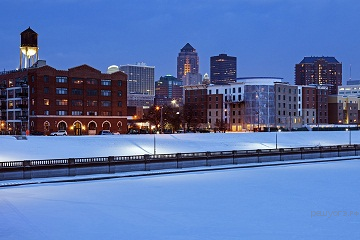
Remember to say:
• what your city, town or village is famous for;
• what your favourite place in your city, town or village is, and why you like it;
• whether you are going to stay in your city, town or village after leaving school or move to another place, and why.
You have to talk continuously.
