

Партнерка на США и Канаду по недвижимости, выплаты в крипто
- 30% recurring commission
- Выплаты в USDT
- Вывод каждую неделю
- Комиссия до 5 лет за каждого referral
ШКОЛА-ВУЗ
«СОВРЕМЕННОЕ ОБРАЗОВАНИЕ»
A look at russian history. the Romanovs
A LOOK AT RUSSIAN HISTORY.
THE ROMANOVS
Учебное пособие для английского клуба
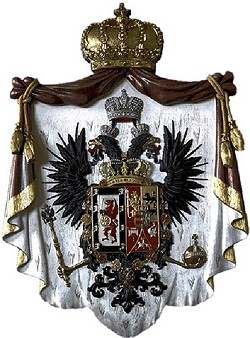
ГЛАВА II.
КЛУБ 2
Москва
2016
Анита Стар. A Look at Russian History. The Romanovs. Учебное пособие для английского клуба
М.: Школа-ВУЗ «Современное образование», 2016 г., … с.
ГЛАВА 2.
КЛУБ 2
Содержание
Предисловие ……
Part 1. Речевая зарядка (Warming up). Фонетика. Грамматика (Phonetics.
Grammar)………………..
Exercises…………………………………………………………………………
Part 2. Устная и письменная речь (Oral and Written Speech)……………………
Text 1. Tsar Aleksey Mikhailovich ……………………….…..
Vocabulary for Understanding and Expression………………………………….
Exercises……………………………………………………………………
Text 2. More Details about Tsar Aleksey …………………………………………………
Exercises…………………………………………………………………………
Part 3. Аудио и видео понимание (Audio and Visual Comprehension)………..
Aleksey Mikhailovich Romanov ………………..……………………………... Exercises…………………………………………………………………………
Part 4. Ролевая игра. Поем и учимся (Studying through Singing)
Lyrics of the song “Singing in the Rain”……………………………………..
Exercises………………………………………………………………………..…
Story ……………………………………………………………………….
Приложение. The Beginners’ Part …
ПРЕДИСЛОВИЕ
Данное учебное пособие предназначено для работы клуба английского языка Школы-ВУЗа «Современное образование».
Пособие составлено на основе текстов на исторические темы, отражает весь период правления в России династии Романовых: царствования Михаила Фёдоровича, Алексея Михайловича, Фёдора Алексеевича, царевны Софьи, Пётра I, Екатерины I, Анны Иоанновны, Анны Леопольдовны, Елизаветы Петровны, Пётра III, Екатерины Великой, Павла I, Александра I, Николая I, Александра II, Александра III, Николая II.
Пособие составлено согласно основным положениям концепции Школы-ВУЗа «Современное образование» - комплексному методу обучения и личностно-деятельностному подходу, в основе которых находится классическое образование XX века и технологии века XXI.
Пособие состоит из 15 глав, каждая предназначена для проведения одного клуба.
Структура главы. В каждой главе (клубе) – четыре части и приложение, предназначенное для учащихся уровня elementary и low intermeliate.
I. Фонетика. Грамматика. (Phonetics. Grammar)
II. Устная и письменная речь (Oral and Written Speech)
III. Аудио и видео понимание (Audio and Visual Comprehension)
IV. Ролевая игра. Поем и учимся (Studying through Singing) Приложение. The Beginners' Part
Каждая глава (клуб) рассчитана на 80 минут учебного времени, которые распределяются следующим образом:
Part 1 – ~ 10’
Part 2 – ~ 40’
Parts 3, 4 – ~ 20’
Вступление (организация клуба), заключение – ~ 10’
Методические пояснения
Часть I. Речевая зарядка (Warming up). Фонетика. Грамматика
(Phonetics. Grammar)
Фонетика отрабатывается с помощью имитационных возможностей ученика. При постоянном использовании имитационных упражнений в качестве речевой разминки, зарядки произношение значительно улучшается.
Прорабатываемая в нижеследующих материалах грамматика представляет из себя «усеченный» вариант так называемой практической грамматики, «усеченной» до самого необходимого уровня коммуникативного общения.
Клуб собирает учеников разных уровней подготовки. Вышеназванный подход дает возможность ученику со средним (и выше среднего) уровнем подготовки «отшлифовать» данную грамматику, а ученику начального и ниже среднего уровня подготовки - учиться владеть материалом на доступной ему скорости и с помощью доступных ему видов работы. При работе с данными упражнениями включаются имитационные возможности ученика и его оперативная память.
Многократное повторение предложений в разных формах деятельности подключает также долговременную память. В результате мы получаем развитие вышеназванных возможностей человека (имитация, оперативная и долговременная память), а также «автоматизацию» необходимых языковых явлений (в данном случае - грамматических).
Предлагаемые в упражнениях предложения связаны по смыслу.
Часть II. Устная и письменная речь (Oral and Written Speech)
Из огромного «набора» приемов и способов работы в области развития устной и письменной речи мы выбрали следующие:
– работа с текстом на уровне репродуктивных (базовых) упражнений: чтение текста, «разбор лексики» на уровне перевода, вопросы-ответы по тексту, воспроизведение текста письменно;
– работа с текстом на уровне продуктивных («креативных») упражнений: ознакомительное чтение, воспроизведение его основных положений, обсуждение.
Часть III. Аудио и видео понимание (Audio and Video Comprehension)
В данную часть мы поместили упражнения повышенного уровня сложности, на переводческую догадку: учащиеся просматривают видео эпизод и рассказывают (на английском или на русском / группы elementary, low intermediate/) о том, что поняли. В пособие помещен печатный текст видео эпизода. Текст предназначен учителю для подготовки к занятию.
Часть IV. Ролевая игра. Поем и учимся (Studying through Singing)
Песня предлагается как образец культурного кода англоговорящего мира. Соответственно, в данном учебном пособии помещён следующий учебный материал:
– слова песни;
– информация о песне и её исполнителях, ее месте в культурной жизни мира.
К песням прилагаются аудио и видеозаписи.
Песня знакомит ученика с музыкальной классикой и способствует созданию позитивной обстановки в клубе.
Приложение. The Beginners' Part. Предназначено для уровня elementary и low intermediate. По существу равняется части II и проходится одновременно с другими группами клуба в течение 40’.
Part I. Речевая зарядка (Warming up). Фонетика. Грамматика (Phonetics. Grammar)
Фонетика (Phonetics)
Today I got up early in the morning. I washed my face and hands and brushed my teeth. I had breakfast at 8 o’clock. Then I went to school. I came to school in time. I came to school at 15 minutes past 9. The classes began at 9.30.
Грамматика (Grammar)
English Tenses, Conditionals, Comparisons
Yesterday I went to bed at ten o’clock. Today I got up at 7 o’clock in the morning. After I washed my face and hands and brushed my teeth. I am seldom hungry in the morning, but my Mom always makes me have some porridge and a cup of tea. Today I came to school earlier than usual. I came to school at 9 o’clock sharp. The security and one of the teachers always meet us at the entrance. I went to the fourth floor where we usually have our English classes. Nobody was there. I waited a few minutes and then my English teacher came. He unlocked the door of the sound laboratory and I took my usual seat there.
Exercises
a) listening and choral reading with visual support on the screen;
b) other variants.
Part II. Устная и письменная речь (Oral and Written Speech)
Text 1. Tsar Aleksey Mikhailovich
1645–1676
Aleksey Mikhailovich Romanov was the second Russian tsar of the house of Romanov. Aleksey was surrounded by servants and nurses. He then came under the charge of a tutor, a boyar named Boris Ivanovich Morozov, who exerted great influence over his pupil for the next 30 years. At the age of five he learned to read, and at the age of seven he knew how to write. He was clever and quick-witted.
Aleksey received some formal education, but it was limited to practical subjects needed to conduct the affairs of the state. He was taught history, geography, mathematics and natural sciences, as well as military and foreign affairs.
Aleksey Mikhailovich was also encouraged to read a wide range of books, including classical works by Plato, Aristotle and Pythagoras, medical books, and works on astrology and occult arts. He even tried to write verses and left notes about the Polish War. He liked to philosophize and was a passionate hunter.
Vocabulary for understanding and expression
1) to surround | окружать |
2) to come under the charge of a tutor | попасть под руководство учителя/наставника |
3) to exert great influence over his pupil | оказывать большое влияние на своего ученика |
4) quick-witted | сообразительный, находчивый |
5) to conduct the affairs of the state | осуществлять государственное управление |
6) foreign affairs | иностранные дела |
7) to encourage | поощрать, стимулировать, |
8) to write verses | сочинять стихи |
Exercises
a) reading the text aloud (in chorus, in chain…) and making sure you know every word of it;
b) making questions as it is indicated in the following text
Aleksey Romanov (who) was (was he) the second Russian tsar of the house of Romanov. Aleksey (who) was (was he) surrounded by servants and nurses (by whom). His tutor was (was he) a boyar named Boris Morozov. Morozov (who) had (did he/had he) great influence over his pupil. At the ageof five (what age) Aleksey (who) learnt (did he) to read, and at the age of seven he knew (did he) how to write. Aleksey (who) was (was he) clever and quick-witted.
c) making questions to text 1 using the following words: who, what, when, where;
d) reproducing the story close to the text;
e) giving the gist of the text in writing;
f) other variants.
Text 2. More Details about Tsar Aleksey
Tsar Aleksey came to power in the country which was different from the country his father had. There were no destruction, no wars. Russia was now stable and rich.
The young tsar was handsome, clever and educated to be the ruler of the country. His education began at the age of six. After learning the alphabet he learnt to read stories from the Bible. At the age of seven he was given: a set of weapons (swards, a bow and arrows), musical instruments and maps.
Aleksey’s personal doctor, an Englishman, called Samuel Collins, liked his patient very much. “The emperor is handsome and strongly built. He has fair hair and doesn’t shave his beard. He is tall with noble bearing. He can be cruel when angry and he is devoted. One can name him among the kindest and wisest rulers.”
Aleksey’s greatest love was hunting with falcons (соколы). He had about 3000 falcons, each of which he knew by name.
Exercises
а)reading text 2 in 2-5 minutes’ time;
b)preparing to give the gist of it;
preparing to talk the text over; other variants.Part III. Аудио и видео понимание (Audio and Visual Comprehension)
4' 11”
Aleksey Mikhailovich Romanov
23.35’ – 27.46’
Aleksey Mikhailvovich, Michael’s oldest son and heir, was as young as his father had been when he ascended to the throne. But the country he inherited had been utterly transformed. Famine, civil war and destruction no longer stalked the land. Russia was now stable and prosperous.
The new ruler of this reinvigorated state Tsar Aleksey was handsome, intelligent, virile, and devote. Ahead laid great victories and bloody revolts, remarkable achievements and fatal mistakes. Aleksey Mikhailovich was destined to become one of Russia’s most controversial rulers. The young tsar was not overawed by his new responsibility. It was a role he was prepared for since early childhood. His education had begun at the age of six. After learning the alphabet, he was taught to read using stories from the Bible. The prince’s household included 20 stewards, 6 teachers, and 18 musicians as well as bodyguards, acrobats and jesters. When Aleksey was 7 he was given a set of miniature weapons – an arquebus, a bow and arrows, swards, amour made in Germany and musical instruments, maps and engravings from Western Europe.
Aleksey’s chief tutor was a nobleman named Boris Morozov. He encouraged his pupil to broaden his outlook and he introduced him to Western culture. Many Europeans were invited to the tsar’s court including interpreters, diplomats, and scholars. Aleksey’s personal doctor, an Englishman named Samuel Collins admired his patient greatly. “The emperor is handsome and strongly built. He has fair hair and doesn’t shave his beard. He’s tall with noble bearing. He can be cruel when angry but he is mostly kind and gentle. He has an excellent memory and he is devoted. One can name him among the kindest and wisest rulers. But for the cloud of advisors and noblemen who surround him and turn his good intentions to evil”.
During the first years of his reign, Aleksey pursued many passions. Much of his time was spent visiting remote monasteries to perform acts of worship. He also collected rare and exotic birds, kept an elk farm and experimented with new agricultural techniques. He tried to grow melons, almonds, cotton, grapes but without doubt his greatest love was hunting with his falcons. The tsar owned no fewer than 3000 falcons, each of which, it was said, he knew by name. The household included 100 falconers of varied rank, paid between 6 and 60 roubles a year, not including bonuses. All were members of the Department of Secret Affairs which handled the tsar’s amusements and private business. The head falconer Afanasy Matyushkin was Aleksey’s close friend.
Exercises
a) watching the episodes and getting ready to say what they are about;
b) other variants.
Part IV. Ролевая игра. Поем и учимся (Studying through Singing)
Singing in the Rain
I'm singing in the rain
Just singing in the rain,
What a glorious feeling,
And I'm happy again.
I'm laughing at clouds
So dark, up above,
The sun's in my heart
And I'm ready for love.
Let the stormy clouds chase.
Everyone from the place,
Come on with the rain
I have a smile on my face.
I'll walk down the lane
With a happy refrain
Just singing, singing in the rain.
Dancing in the rain.
I'm happy again.
I'm singing and dancing in the rain.
Dancing and singing in the rain.
Exercises
a) listening to the song with visual support on the screen;
b) reciting the lyrics of the song;
с) singing the song with visual support on the screen;
d) other variants.
Story
The American musical comedy emerged in turn of the twentieth century. The plot was the frame for songs, dances, routines and humorous episodes. Those elements were the most important thing in American musical comedy. The greatest revolution in the American musical theatre came in 1927 that distinguished musical play from musical comedy. Then came complete integration of song, humor and production into a single artistic entity. “Singing in the Rain” was regarded as the best movie musical ever made starring American actors and singers such as Kelly, Donald O'Connor and Debbie Reynolds.
Приложение. The Beginners’ Part
Tsar Aleksey Mikhailovich
1645–1676
Aleksey Mikhailovich Romanov was the second Russian tsar of the house of Romanov. His tutor was a boyar named Boris Ivanovich Morozov. At the age of five Aleksey learnt to read, and at the age of seven he knew how to write.
Aleksey received some formal education. He was taught history, geography, mathematics and natural sciences, as well as military and foreign affairs. Aleksey Mikhailovich read various books, including medical books. He even tried to write verses. He liked to philosophize and was a passionate hunter.
Vocabulary for understanding and expression
1) a tutor | учитель/наставник |
2).foreign affairs | иностранные дела |
3) various | различный |
4) to write verses | сочинять стихи |
5) to philosophize | философствовать |
6) a passionate hunter | страстный охотник |
Exercises
a) reading the text aloud (in chorus, in chain…) and making sure you know every word of it;
b) making questions as it is indicated in the following text:
Aleksey Mikhailovich Romanov (who) was (was he) the second Russian tsar of the house of Romanov. His (whose) tutor (who) was (was he) a boyar named Boris Ivanovich Morozov . At the age of five (what age) Aleksey learnt (did he) to read and at the age of seven (what age) he knew (did he) how to write.
c) making questions to the text using the following words: who, what, when, where;
d) reproducing the story close to the text;
e) giving the gist of the text in writing;
f) other variants.
