


Партнерка на США и Канаду по недвижимости, выплаты в крипто
- 30% recurring commission
- Выплаты в USDT
- Вывод каждую неделю
- Комиссия до 5 лет за каждого referral
Кафедра Иностранных языков
Материалы промежуточной аттестации для студентов заочной формы обучения направления подготовки 25.05.05. специализации
25.05.05 _02 Организация использования воздушного пространства
Дисциплина – «Разговорный английский язык»
Семестр – 5
Вид отчетности: контрольная работа, зачет с оценкой
Методические указания по выполнению контрольной работы
Контрольная работа является одной из форм контроля знаний, умений и навыков обучающихся по дисциплине «Разговорный английский язык».
Контрольная работа выполняется по учебно-методическому пособию Разговорный английский язык. Контрольная работа для студентов заочной формы обучения по направлению подготовки 161000.62 – Аэронавигация : учеб.-метод. пособие / сост. , . – Ульяновск : УВАУ ГА(И), 2013. – 64 с.
В 5 семестре выполняется один из одиннадцати вариантов первой или второй части контрольной работы (Part I, Part II) по рекомендации преподавателя.
Для успешного выполнения заданий, предложенных в контрольной работе, необходимо знать лексический материал и самостоятельно изучить темы дисциплины по учебным пособиям:
1. Козлова, для авиационных специалистов : [учебное пособие] / , – М.: ГОУ «Учебно-методический центр по образованию на железнодорожном транспорте», 2007. – 344 с.
2. Разговорный английский язык : учебно.-метод. пособие / сост. , . – Ульяновск : УВАУ ГА (И), 2012. – 68 с.
3. Разговорный английский язык: учеб.- метод. пособие / сост. , . – Ульяновск : УИ ГА, 2016. – 48 с.
4. Разговорный английский язык: практикум / сост. . - Ульяновск: УИ ГА, 2017. – 59 с.
5. Ellis, S. English for Aviation for Pilots and Air Traffic Controllers, Includes CD-ROM & Audio CD [электронный ресурс] / S. Ellis, T. Gerighty. – Oxford, University Press, 2008. – p. 96.
6. Emery, H. Aviation English. For ICAO Compliance + 2 CD-Rom [электронный ресурс] / H. Emery, A. Roberts; with R. Goodman & L. Harrison. – Oxford, UK: Macmillan Publishers Limited, 2008. – p. 128.
7. Kozlova G. A. The World of Aviation English / G. A. Kozlova, A. M. Kozlova. – М.: Воздушный транспорт, 2007. – 224 с.
Контрольная работа выполняется письменно в тетрадях и предоставляется на факультет безотрывных форм обучения до проведения зачета с оценкой.
Типовые задания для выполнения контрольной работы
Read the text and translate the passage in bold.
There are four working languages in ICAO – English, French, Spanish and Russian. But all meetings, conferences and assemblies are conducted in English and then all materials are translated into other languages. For this purpose ICAO has a special “Language and Publications Branch” with four sections.
The most urgent problem in aviation is safety. The progress in safety is achieved by intensive efforts in various spheres – engineering sciences, meteorology, psychology, medicine, economics and “last but not least” the English language. Insufficient English language proficiency often results in accidents and incidents. Concern over the role of language in airline accidents brought real actions. So in March 2003 ICAO adopted Amendments to ICAO Annexes 1, 6, 10 and 11. These Amendments make clear and extend language requirements. In addition, they contain new more strict requirements for language testing.
Additional standards in Annex 10 demand to adhere more closely to standard phraseology in all air-ground exchanges and to use plain language when phraseology is not sufficient. Phraseology alone is unable to cover all of the potential situations, particularly in critical or emergency situations. Therefore the PELA (Proficiency in English Language) test examines use of both ATC phraseology and plain English.
Answer the following questions.
How many working languages are there in ICAO? In what language does the ICAO conduct meetings, conferences and assemblies? How is the progress in safety achieved? Why is English language so important in solving safety problems? What are ICAO real actions for improving English language proficiency? Will you describe the Amendments to ICAO Annexes adopted in 2003? What do additional standards demand? Can phraseology alone cover the entire potential situation in the air? Why (not)? What are the PELA test requirements today?
Read the text again and decide if the following statements are true or false. If the statement is false correct it.
1. English is an only working language in ICAO.
2. Poor English language proficiency may result in accidents and incidents.
3. ICAO can’t do anything with language problems in aviation.
4. Phraseology alone is able to cover all of the potential situations in flight.
5. PELA test examines both ATC phraseology and plain English.
a) Study the words in the box and translate them into Russian.
breakdown | confusion | instructions | cause | recommendations |
fluency | idiomatic | miscommunication | complexity | callsign |
b) Use the words from the box to complete the following text.
Recent reports showed that _____1_____ is a factor in over 70% of operational errors. Several factors increased the possibility of communication_____2_____. The most important was the ____3____ of the instructions. A lack of fluency in English can cause ____4____ both because of mispronunciation and misunderstanding. But too much ____5_____ can also be a dangerous thing. Any ____6____ language or inappropriate plain English can ____7____ misunderstanding. Also ____8____ spoken too quickly can be very difficult to understand. The report made the following _____9____ for further improvements in ATC communication:
- keep instructions short; speak slowly; ask when not sure about a piece of information; include the full ____10_____ when giving an instruction or reading back; when talking to pilots / controllers who don’t speak native English break up the message into its individual words by using short pauses.
c) Write 8-10 sentences about the importance of English knowledge for aviation personnel using the words from the box.
5. a) Study the following discourse markers and translate them into Russian.
1. additionally | 8. however | 15. furthermore |
2. although | 9. in conclusion | 16. therefore |
3. as a result | 10. moreover | 17. to begin (start) with |
4. broadly speaking | 11. nevertheless | 18. with this in mind |
5. certainly | 12. on the one hand | 19. whereas |
6. consequently | 13. on the other hand | 20. while |
7. despite (in spite of ) | 14. on the whole | 21. to sum up |
b) Write an essay in 15-20 complex sentences on one of the following issues using the given discourse markers.
1. Pilots have been flying safely for years – they don’t need to learn English.
2. Radiotelephony phraseology isn’t enough to communicate with pilot /ATC.
3. A Russian controller speaking to a Russian pilot at a Russian airport doesn’t need to know English.
Типовые задания для проведения зачета с оценкой
1. Опишите предложенную картинку по изученной теме.
2. Ответьте на вопросы экзаменатора по тематике курса.
1. Describe the suggested picture1.
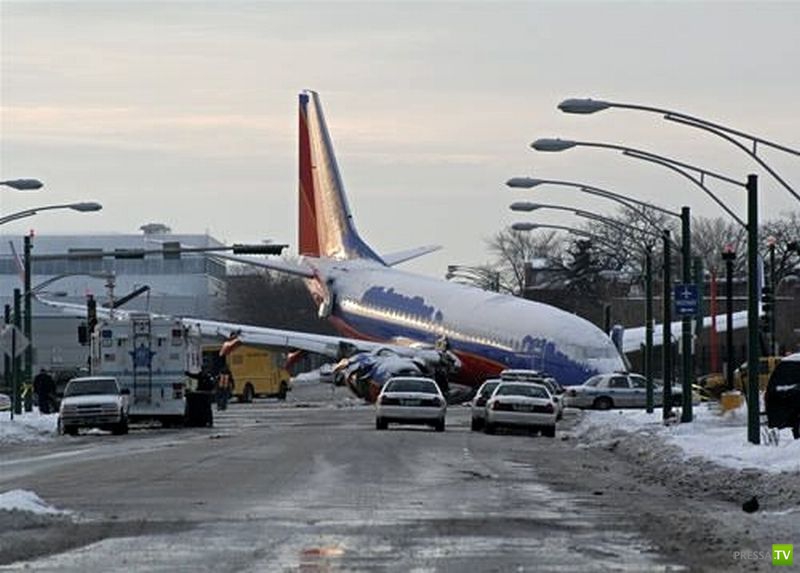
2. Answer the teacher’s questions.
Вопросы для подготовки к зачету с оценкой
Тема 1. Англоговорящий мир
1. What parts of speech do you know? Define a noun / a verb / a pronoun / an adjective / an adverb / a conjunction / a preposition / an article / an interjection.
2. What is the purpose of different parts of speech? How can you distinguish them from each other?
3. What is word formation? What ways of word formation do you know? Can you give any examples?
4. What is abbreviation / acronym? What abbreviations / acronyms are used in the field of Plain / Aviation English?
5. Define conversion / compounding / affixation.
6. Why is English considered to be an international language? / Why is English considered to be an international language of Aviation?
7. What spheres of life is English most widely used in? Why has English become an international language of aviation?
8. How many groups do people who learn English fall into? What are they? Which group do you belong to?
Тема 2. Профессиональный уровень английского языка
9. What levels of language proficiency has ICAO established?
10. What is English language training for pilots and ATCs focused on? Why?
11. What ground incidents caused by miscommunication do you know? / What is runway incursion? What runway incursion incidents caused by miscommunication can you tell us about?
12. What do you know about language proficiency requirements? / What are the six areas of linguistic description in the ICAO rating scale? / What communication skills should pilots / ATCs possess to ensure effective interaction? Speak on pronunciation / vocabulary /grammar / fluency / interaction / comprehension.
13. What are the reasons for pilot-controller misperception? What are the recommendations to exclude miscommunication problems?
14. What are the areas of miscommunication?
15. What are the non-native speakers' main linguistic problems? / What main linguistic / non-linguistic problems do ATCOs/pilots encounter? Speak on each of them.
16. What are the recommendations for pilot - ATC communication improvement? / What do you think native English speaking controllers and pilots can do to be more understandable to the aviation community?
17. What are the main recommendations for pilots and controllers in the use of Plain English, Aviation English, RT?
Тема 3. Работа и карьера
18. What jobs connected with aviation do you know? / What privileges and responsibilities does an ATCO/a pilot have? / Speak on the duties and responsibilities of an air traffic controller / a purser / a flight attendant / a pilot / a marshaller / a maintenance engineer / a security officer / a shuttle bus driver / a co-pilot
19. What is the main goal of aviation personnel? How does aviation personnel work together to ensure the safety of air travel?
20. Why do you think each ATC monitors a certain amount of air space? / What does airline pilots’ job involve (before takeoff / during the flight / on landing)? / How do the ATC personnel work together to ensure the safety of air travel? / How many pilots are there in the cockpit? What does it depend on? Are their responsibilities different or similar? Compare.
21. Why is it important for an ATCO/a pilot to remain calm in stressful situations?
Тема 4. Здоровье и медицина. Медицинская помощь на борту
22. What are the most common in-flight medical emergencies? What problems can lead to medical situations on board? What can be done to prevent them? What is the leading cause of in-flight deaths? / What are the main causes of injuries on board the aircraft?
23. What do you know about medical assistance to passengers, medical equipment, medical staff and ground services?
24. What is infectious disease? What infectious diseases do you know? How can they be transmitted? What is done to prevent the spread of contagious diseases?
25. What special training do you think pilots/ATCs should receive to deal with medical emergencies? Why?
26. What is first aid and what kind of information should you give when you call for help? What are the main rules of administering first aid? What is the difference between signs and symptoms? How can a language barrier affect the ability to assess the seriousness of a medical condition?
27. What are the ATC’s actions if pilots have a sick passenger on board and request help? / What are pilots’ actions if there is a sick passenger on board?
28. What causes stress? How can stress be minimized at work?
29. What professional diseases (potential health risks) may an a/an ATC/pilot have? How can these risks be decreased?
30. What is MedLink? Who is that company staffed by and how does it work?
31. Do you think language proficiency can influence the consequences of a medical situation on board?
Тема 5. Погода. Климат. Природные катаклизмы
32. What hazardous meteorological phenomena do you know? How does severe or adverse weather impact an air controller’s job / a pilot’s job?
33. How can volcanic ash / lightning / icing / standing water / turbulence / microburst be dangerous for flight operation?
34. What weather forecasts and reports do you know? What information do they provide?
35. What is bird strike? How does the size of the bird influence the severity of damage? What danger can birds bring to planes? What can bird strike cause at high altitudes? What phases of flight does the majority of bird collisions occur?
36. How do aircraft emissions affect the environment? What are the ways to protect the atmosphere?
37. What weather forecasts and reports do you know? / What types of forecasts/reports are regularly used in aviation? What information do they provide?
38. What incidents and accidents caused by meteorological hazards can you tell about? / What measures are taken to prevent incidents/accidents caused by various meteorological phenomena?
39. What effect can earthquake have on the local environment and flight operations? / What effect can flooding have on the local environment and flight operations? / What are the causes and possible effects of hurricanes?
40. What is volcanic ash? What should ATCOs do if pilots report encountering volcanic ash to Air Traffic Control? / What should pilots do if they encounter volcanic eruption?
41. What is global warming? What can be done to stop global warming?
Тема 6. Транспорт. Путешествие.
42. What is air-rage? / What are the main causes of air rage? / How to restrain an aggressive passenger? What restraining equipment do you know? / Should cabin crew be trained to deal with air-rage incidents? Why? / Why not? / How should a person behave during the journey?
43. What dangerous goods do you know? / What items are not allowed to be taken on board the plane?
44. What classes are they assigned depending on their predominant hazard?
45. What are the regulations of dangerous goods transportation? / What should be done to minimize the risk associated with dangerous goods transportation?
46. What flammable materials do you know? How can they be dangerous during the flight? / What risk does the carriage of dangerous goods involve?
47. What parts of an aircraft can fire be discovered in? What is the common cause of fires on board?
48. What equipment is available on board to cope with fire?
49. What are pilots/ATCs responsibilities in case of on-board fire?
50. What does the evacuation procedure involve? / What things are necessary for the evacuation procedure?
Тема 7. Современные технологии.
51. How has computerization influenced the aviation?
52. What do you know about Datalink communication system? What are its advantages/disadvantages?
53. What do you know about the new technique for screening passengers before boarding the plane? Why is it necessary?
54. What kinds of modern technology can solve the problems of pilot-ATC communication? Why do you think so?
55. What do you think the future of aviation is?
56. What innovations connected with your future job do you know? What are they used for?
57. What do you know about new technology to minimize aviation impact on the environment? / What have advances made in combustor technology resulted in?
58. What is the difference between the glass cockpit and the conventional one?
59. What is fly-by-wire system? What are its advantages and disadvantages?
60. How has computerization influenced the aviation? Why do you think the fly-by-wire system has been developed?
По вопросам, каcающимся изучения дисциплины, обращаться на кафедру Иностранных языков
Телефон: 8(8422)39-81-71;
e-mail: *****@***ru
1 Режим доступа: http://www. pressa. tv/uploads/posts/2011-12/1324411576_crazy_accidents_13.jpg
