

Партнерка на США и Канаду по недвижимости, выплаты в крипто
- 30% recurring commission
- Выплаты в USDT
- Вывод каждую неделю
- Комиссия до 5 лет за каждого referral
At the same time, the value of the 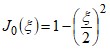 function in this case is 0.9975, i. e. very close to unity.
Consequently, for small values of  the frequency spectrum of the oscillations essentially consists of the fundamental frequency
  and the frequencies
  (in the case of polyharmonic excitation) and
  (in the case of periodic excitation of vibrations of the Fourier series).
The increase in the amplitudes of free oscillations of bar in modes far from parametric resonance is estimated using equation:
| (34) |
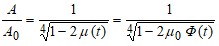 .
.With the value  this ratio is
  .
.
Results and Discussion
Bridge structures for strength, stability and reliability must satisfy the conditions of uninterrupted and safe passage of trains with the maximum permissible axle loads and speeds depending on the class of tracks. The carrying capacity of the railway and the service life of artificial structures primarily depend on the operational category of the structure and the dynamic state (from dynamic stability, to the condition that dangerous vibrations do not appear and dangerous resonance of the amplitude of the oscillations).
The design of the span is made according to the conditions of strength, rigidity, dynamic stability with optimization of the design solution for the minimum cost of the entire life cycle. The tasks of optimizing the costs of maintaining the railway infrastructure require new approaches to managing reliability, risks, and the cost of the life cycle using the methodology for ensuring reliability, availability, maintainability and safety. The account of the dynamic stability of bridge structures is especially important at the initial stage of design development in the design, calculation and design, when the cost of making changes is minimal. This will make it possible to reduce the cost of the entire life cycle of bridge facilities, taking into account the repair work, while ensuring high reliability and the required level of safety for uninterrupted traffic.
There is a relationship between the degree of damage (wear, loss of bearing capacity) of structures and the dynamic state (deviation of the vibration indices from the normative values). Based on the application of the decomposition method for studying the vibrations of bar elements of latticed trusses of bridges, the possibility of a theoretical estimation of the growth indices of their amplitudes under the action of the dynamic load in the form of concentrated forces is investigated. These indices turn out to be high, even taking into account the small values of the excitation coefficients м and the limited time for finding the force load on the structure  The nature of the interaction of forced and parametric oscillations of bar elements in resonance modes is also estimated. This factor has no significant effect on the system.
Conclusions
The authors of the article have taken into account the mutual influencing general and local vibrations of the span structure in assessing the dynamic stability of lattice trusses. The spectrum of parametric oscillations of lattice truss rods under conditions of remoteness from the regions of dynamic instability is investigated. Practical limitation of the frequency spectrum near the value of the carrier frequency equal to the frequency of free oscillations taking into account the effect of longitudinal forces is obtained, as well as the relatively small influence of parametric oscillations in regions remote from living parametric resonance.
Conclusions and further research prospects:
1. The author has clearly demonstrated the effectiveness of the application of the decomposition method for solving similar problems.
2. A methodology for the theoretical estimation of indicators characterizing the increase in the amplitudes of parametric oscillations and the rod elements of lattice trusses of bridges under the action of a dynamic load in the form of concentrated forces is developed.
3. It was proved that there is no explicit interaction of forced and parametric oscillations of the bar elements of lattice truss bridges in resonance modes with each other.
4. Taking into account the dynamic stability analysis presented by the authors, it is recommended to update the current standards for railway metal bridges with latticed trusses.
5. Development of recommendations and technical solutions to increase the dynamic stability and service life of the bridge structures of railway bridges at high speeds of railway transport.
Reference Indejkin A. V. Parametricheskie kolebanija sterzhnevyh jelementov stroitel'nyh konstrukcij pri dejstvii stacionarnyh i podvizhnyh dinamicheskih nagruzok [Parametric oscillations of rod elements of building structures under the action of stationary and dynamic dynamic loads]. Izvestija PGUPS. 2014. No. 2. Pp. 84–92. (rus) Solovyov S. Aerodinamicheskaya ustoichivost bolsheprolyotnyh stroeniy [Aerodynamic stability of the long-span bridges]. Transport of the Russian Federation. Journal of Science, Practice, Economics. 2016. №5(66). Pp. 47-50 (rus) Bolotin V. V. Dinamicheskaja ustojchivost' uprugih system [Dynamic stability of elastic systems]. Moscow: Gosudarstvennoe izdatel'stvo tehniko-teoreticheskoj literatury, 1956. 595 p. (rus) Indejkin A. V., Fedotova I. A. The rod elements oscillations of the railway truss bridge in the conditions of high-speed motion of the load. Proceedings of the third european conference on structural dynamics: Eurodyn`96. Florence, Italy, 1996. Pp. 783–789. Moiseev N. N. Asimptoticheskie metody nelinejnoj mehaniki [Asymptotic methods of nonlinear mechanics]. Moscow: Nauka, 1969. 345 p. Alfutov N. A. Osnovy rascheta na ustojchivost' uprugih system [Basics of calculating the stability of elastic systems]. Moscow: Mashinostroenie, 1978. 312 p. (rus) Panovko Ja. G., Gubanova I. I. Ustojchivost' i kolebanija uprugih sistem. Sovremennye koncepcii, paradoksy i oshibki, 4th ed. [Stability and oscillations of elastic systems. Modern concepts, paradoxes and mistakes, 4th ed.]. Moscow: Nauka, 1987. 352 p. (rus) Cigler G. Osnovy teorii ustojchivosti konstrukcij [Fundamentals of the theory of structural stability]. Moscow: Mir, 1971. 192 p. Beljaev N. M. Ustojchivost' prizmaticheskih sterzhnej pod dejstviem peremennyh prodol'nyh sil [Stability of prismatic rods under the influence of variable longitudinal forces]. Inzhenernye sooruzhenija i stroitel'naja mehanika. Leningrad, 1924. Pp. 149–167. (rus) Chelomej V. N. Dinamicheskaja ustojchivost' aviacionnyh konstrukcij [Dynamic Stability of Aviation Structures]. Moscow: Aeroflot, 1939. (rus) Brucknall I. New Eurocode requirements for design in high speed railway bridges. Structures for High-Speed Railway Transportation, IABSE Symposium. Antwerp, 2003. Vol. 87. Guo W.-W., Xia H., Li H.-L., Zhang T. Dynamic analysis of a new type of railway steel-concrete composite trussed bridge under running trains excitation. Zhendong yu Chongji/Journal of Vibration and Shock. 2012. Vol. 31(4). Pp. 128–133. Ding Y., An Y., Wang C. Field monitoring of the train-induced hanger vibration in a high-speed railway steel arch bridge. Smart Structures and Systems. 2003. Vol. 17(6). Pp. 1107–1127. Ding Y.-L., Zhao H.-W., Deng L., Li A.-Q., Wang M.-Y. Early warning of abnormal train-induced vibrations for a steel-truss arch railway bridge: case study // Journal of Bridge Engineering. 2017. Vol. 22(11). Article no. 05017011. Sheng X.-W., Zheng W.-Q., He T., Shen Q.-C. Analysis of train-bridge coupling vibration of main bridge of Rongjiang river bridge on Xiamen-Shenzhen Railway. Bridge Construction. 2017. Vol. 47(2). Pp. 66–71. Xia H., De Roeck G., Zhang N., Maeck J., Experiment analysis of a high-speed railway bridge under Thalys trains. Journal of Sound and Vibration. 2003. No. 268. Pp. 103–113. Xia H., Zhang N., De Roeck G. Dynamic analysis of high speed railway bridge under articulated puter and Structures. 2002. No. 81. Pp. 2467–2478. Martнnez-Rodrigo M. D., Lavado J., Museros P. Dynamic performance of existing high-speed railway bridges under resonant conditions retrofitted with fluid viscous dampers. Engineering Structures. 2010. Vol. 32(3). Pp. 808–828. Shin J.-R., An Y.-K., Sohn H., Yun C.-B. Vibration reduction of high-speed railway bridges by adding size-adjusted vehicles. Engineering Structures. 2010. Vol. 32(9). Pp. 2839–2849. Rocha J. M., Henriques A. A., Calзada R., Rцnnquist A. Efficient methodology for the probabilistic safety assessment of high-speed railway bridges. Engineering Structures. 2015. Vol. 101. Pp. 138–149. Nan Hu, Gong-Lian Dai, Bin Yan, Ke Liu Recent development of design and construction of medium and long span high-speed railway bridges in China. Engineering Structures. 2014. Vol. 74. Pp. 233–241. Mellat P., Andersson A., Pettersson L., Karoumi R. Dynamic behaviour of a short span soil–steel composite bridge for high-speed railways – Field measurements and FE-analysis. Engineering Structures. 2014. Vol. 69. Pp. 49–61. Radestrцm S., Ьlker-Kaustell M., Andersson A., Tell V., Karoumi R. Application of fluid viscous dampers to mitigate vibrations of high-speed railway bridges. International Journal of Rail Transportation. 2017. Vol. 5. No. 1.Pp. 47–62. Cantero D., Arvidsson T., Obrien E., Karoumi R. Train–track–bridge modelling and review of parameters. Structure and Infrastructure Engineering. 2016. Vol. 12. No. 9. Pp. 1051–1064. Svedholm C., Zangeneh A., Pacoste C., Franзois S., Karoumi R. Vibration of damped uniform beams with general end conditions under moving loads. Engineering Structures. 2016. Vol. 126. Pp. 40–52. Cantero D., Ьlker-Kaustell M., Karoumi R. Time-frequency analysis of railway bridge response in forced vibration. Mechanical Systems and Signal Processing. 2016. Vol. 76-77. Pp. 518–530. Cantero D., Karoumi R. Numerical evaluation of the mid-span assumption in the calculation of total load effects in railway bridges. Engineering Structures. 2016. Vol. 107. Pp. 1–8. Andersson A., Karoumi R. Dynamics of railway bridges, analysis and verification by field tests. EVACES’15, 6th International Conference on Experimental Vibration Analysis for Civil Engineering Structures. 2015. Vol. 24. Pp. 12. EN 1991-2 (2003) (English): Eurocode 1: Actions on structures - Part 2: Traffic loads on bridges [Authority: The European Union Per Regulation 305/2011, Directive 98/34/EC, Directive 2004/18/EC] EN 1991-1-1 (2002) (English): Eurocode 1: Actions on structures - Part 1-1: General actions - Densities, self-weight, imposed loads for buildings [Authority: The European Union Per Regulation 305/2011, Directive 98/34/EC, Directive 2004/18/EC] | Литература Параметрические колебания стержневых элементов строительных конструкций при действии стационарных и подвижных динамирческих нагрузок // Известия ПГУПС. 2014. № 2. С. 84–92. Аэродинамическая устойчивость большепролетных мостов // Транспорт Российской Федерации. Журнал о науке, практике, экономике. - 2016. - №5 (66). - С. 47-50. Динамическая устойчивость упругих систем. М.: Гос. издательство технико-теоретической литературы, 1956. 595 с. Indejkin A. V., Fedotova I. A. The rod elements oscillations of the railway truss bridge in the conditions of high-speed motion of the load // Proceedings of the third european conference on structural dynamics: Eurodyn`96. Florence, Italy, 1996. Pp. 783–789. Асимптотические методы нелинейной механики. М.: Наука, 1969. 345 с. Основы расчета на устойчивость упругих систем. М.: Машиностроение, 1978. 312 с. , Устойчивость и колебания упругих систем. Современные концепции, парадоксы и ошибки. 4 изд. М.: Наука, 1987. 352 с. сновы теории устойчивости конструкции. М.: Мир, 1971. 192 с. Устойчивость призматических стержней под действием переменных продольных сил // Инженерные сооружения и строительная механика. Л., 1924. С. 149–167. Динамическая устойчивость авиационных конструкций. М.: Аэрофлот, 1939. Brucknall I. New Eurocode requirements for design in high speed railway bridges // Structures for High-Speed Railway Transportation, IABSE Symposium. Antwerp, 2003. Vol. 87. Guo W.-W., Xia H., Li H.-L., Zhang T. Dynamic analysis of a new type of railway steel-concrete composite trussed bridge under running trains excitation // Zhendong yu Chongji/Journal of Vibration and Shock. 2012. Vol. 31(4). Pp. 128–133. Ding Y., An Y., Wang C. Field monitoring of the train-induced hanger vibration in a high-speed railway steel arch bridge // Smart Structures and Systems. 2003. Vol. 17(6). Pp. 1107–1127. Ding Y.-L., Zhao H.-W., Deng L., Li A.-Q., Wang M.-Y. Early warning of abnormal train-induced vibrations for a steel-truss arch railway bridge: case study // Journal of Bridge Engineering. 2017. Vol. 22(11). Article no. 05017011. Sheng X.-W., Zheng W.-Q., He T., Shen Q.-C. Analysis of train-bridge coupling vibration of main bridge of Rongjiang River Bridge on Xiamen-Shenzhen Railway // Bridge Construction. 2017. Vol. 47(2). Pp. 66–71. Xia H., De Roeck G., Zhang N., Maeck J., Experiment analysis of a high-speed railway bridge under Thalys trains // Journal of Sound and Vibration. 2003. № 000.Pp. 103–113. Xia H., Zhang N., De Roeck G. Dynamic analysis of high speed railway bridge under articulated trains // Computer and Structures. 2002. № 81. Pp. 2467–2478. Martнnez-Rodrigo M. D., Lavado J., Museros P. Dynamic performance of existing high-speed railway bridges under resonant conditions retrofitted with fluid viscous dampers // Engineering Structures. 2010. Vol. 32(3). Pp. 808–828. Shin J.-R., An Y.-K., Sohn H., Yun C.-B. Vibration reduction of high-speed railway bridges by adding size-adjusted vehicles // Engineering Structures. 2010. Vol. 32(9), Pp. 2839–2849. Rocha J. M., Henriques A. A., Calзada R., Rцnnquist A. Efficient methodology for the probabilistic safety assessment of high-speed railway bridges // Engineering Structures. 2015. Vol. 101. Pp. 138–149. Hu N., Dai G.-L., Yan B., Liu K. Recent development of design and construction of medium and long span high-speed railway bridges in China // Engineering Structures. 2014. Vol. 74. Pp. 233–241. Mellat P., Andersson A., Pettersson L., Karoumi R. Dynamic behaviour of a short span soil–steel composite bridge for high-speed railways – Field measurements and FE-analysis // Engineering Structures. 2014. Vol. 69. Pp. 49–61. Radestrцm S., Ьlker-Kaustell M., Andersson A., Tell V., Karoumi R. Application of fluid viscous dampers to mitigate vibrations of high-speed railway bridges // International Journal of Rail Transportation. 2017. Vol. 5. № 1. Pp. 47–62. Cantero D., Arvidsson T., Obrien E., Karoumi R. Train–track–bridge modelling and review of parameters // Structure and Infrastructure Engineering. 2016. Vol. 12. № 9. Pp. 1051–1064. Svedholm C., Zangeneh A., Pacoste C., Franзois S., Karoumi R. Vibration of damped uniform beams with general end conditions under moving loads // Engineering Structures. 2016. Vol. 126. Pp. 40–52. Cantero D., Ьlker-Kaustell M., Karoumi R. Time-frequency analysis of railway bridge response in forced vibration // Mechanical Systems and Signal Processing. 2016. Vol. 76–77. Pp. 518–530. Cantero D., Karoumi R. Numerical evaluation of the mid-span assumption in the calculation of total load effects in railway bridges // Engineering Structures. 2016. Vol. 107. Pp. 1–8. Andersson A., Karoumi R. Dynamics of railway bridges, analysis and verification by field tests // EVACES’15, 6th International Conference on Experimental Vibration Analysis for Civil Engineering Structures. 2015. Vol. 24. Pp. 12. EN 1991-2 (2003) (English): Eurocode 1: Actions on structures - Part 2: Traffic loads on bridges [Authority: The European Union Per Regulation 305/2011, Directive 98/34/EC, Directive 2004/18/EC] EN 1991-1-1 (2002) (English): Eurocode 1: Actions on structures - Part 1-1: General actions - Densities, self-weight, imposed loads for buildings [Authority: The European Union Per Regulation 305/2011, Directive 98/34/EC, Directive 2004/18/EC] |
Andrey Indeykin, +7(812)457-82-49; andrey. *****@***ru Sergei Chizhov, +7(921)793-53-21; *****@***ru Ekaterina Shestakova, +7(921)094-51-06; *****@***com Anatoly Antonyuk, +7(999)025-18-33; *****@***ru Sergey Evtukov, +7(911)258-85-55; s. *****@***ru Nikolay Kulagin, +7(812)316-20-22; *****@***ru Vladimir Karpov, +7(911)710-59-38; *****@***spbgasu. ru Dmitriy Golitsynsky, +7(812)457-82-69; *****@***ru | Андрей Викторович Индейкин, +7(812)457-82-49; Сергей Владимирович Чижов, +7(921)793-53-21; Екатерина Борисовна Шестакова, +7(921)094-51-06; Анатолий Анатольевич Антонюк, +7(999)025-18-33; Сергей Аркадьевич Евтюков, +7(911)258-85-55; эл. почта: s. *****@***ru Николай Иванович Кулагин, +7(812)316-20-22; эл. почта: *****@***ru Владимир Васильевич Карпов, +7(911)710-59-38; Дмитрий Михайлович Голицынский, +7(8124578269; эл. почта: *****@***ru |
© Indeykin I. A.,Chizhov S. V.,Shestakova E. B.,Antonyuk A. A.,Evtukov E. S.,Kulagin K. N.,
Karpov V. V.,Golitsynsky G. D.,2017

|
Из за большого объема этот материал размещен на нескольких страницах:
1 2 3 4 |
