


Партнерка на США и Канаду по недвижимости, выплаты в крипто
- 30% recurring commission
- Выплаты в USDT
- Вывод каждую неделю
- Комиссия до 5 лет за каждого referral
Fauna
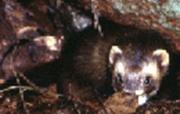
Vertebrate animals include over 1,300 species of 7 classes - 2.7 % of global diversity. Birds, mammals and Cyclostomata represent 7.6%, 7 % and 40 % of world diversity, respectively. Northern Caucasus, South of Siberia and South of Far East are especially rich in these species (fig. 8). These regions are noted for high fauna endemism for being refugiums of Glacial period. Rare and almost extinct species according to the Russian Red Book (1988) is up to 197 (~15 %).
Mammalia are the best-known fauna group in Russia representing about 7 % of this class world diversity. The order of Rodentia is the richest. The highest species diversity is specific of the Northern Caucasus, southern Siberia and southern Far East. About 23 % of mammal species are included in the Red Book. 11 species are represented only by their subspecies and isolated populations. Another 64 mammal species and subspecies will be included into the second edition of the Red Book. About 90 mammal species (33 %) of the country belong to those threatened in Central and Western Europe and the world over (39 species
|

or 14 %, above all whales and Pantera-like big cats). Some species being endangered in the Western Europe like brown bear (Ursus arctos) and wolf (Canis lupus) are widespread in Russia. 61 % of Russian mammal species diversity (excluding the whale-like) and about 60 % of species from the Russian Red Book are represented on protected areas.
The most endangered are Pinnipedia (Odobenidae and Phocidae families) and Ungulata (Artiodactila), only 40% of which is represented in protected areas. Approximately 50 land mammal species are subject to hunting, mainly Ungulata species and about 20 fur animal species.
Russian seas and inland waters are populated or visited during migrations by 56 species of sea mammals including 40 cetaceans, 15 pinnipeds, and sea otter (Mustelidae). About 50% of sea mammals are included in the Russian Red Book, the IUCN Red List, annexed lists of CITES and Bonn Convention. The Okhotsk-Korean population of the gray whale (Eschrichtius gibbosus) appears to be on the verge of extinction numbering not more than 100 animals. Their summertime habitats are in close proximity to oil extraction sites on the north-east Sakhalin shelf (international project "Sakhalin-2").
Aves fauna (732 species) and makes up to 7.6 % of this class world diversity (fig. 9). The largest number (515 species) are nesting birds including 27 that nest only in Russia. The most numerous are Passeriformes, Charadriiformes and Anseriformes. About 9 % of bird species are registered in the Red Book. About 9 % of bird species are considered rare in the region (mostly representatives of Falconiformes) and 30 species are included in the IUCN Red List. Among them, there are species attributed to EN and VU categories (Pelecanus crispus, Ciconia boyciana, Crus leucogeranus, etc.). Among nesting birds, 83 % of species are found on zapovedniks' areas and a among rare species - 60 %. The worst is the status of Anseriformes of in tundra, forest tundra and steppe zones and several Gruiformes. Anas, Anser and Galliformes - are the sport hunting objects.
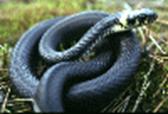 Reptile fauna (75 species) - approximately 1.2 % of global diversity. The richest species diversity is observed on the South of Far East and in Northern and Western Caucasus. About 15 % of species refer to the category of rare and under extinction on a national level, 4 % are recorded in the IUCN Red List. Over a half of reptile species are represented in zapovedniks, including all tortoise species (Testudines) and about 30 % of Squamata registered in the Red Book. The second edition of the Red Data Book of Russia will include 21 more reptile species. Economic significance of most species is associated with their commercial value on the world market of wild animals. Tortoise and snake groups being a subject of the world market of wild animals are threatened.
|
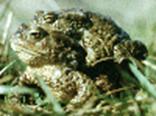 Amphibian fauna is only 0.6 % of global diversity (27 species). About 15 % of the species are recorded in the Red Book. 3 species are under threat in the European region - Triturus vittatus, Bufo calamita, and Pelodytes caucasicus. Almost all amphibian species (96 %) are encountered on protected areas. 8 more amphibian species will be included to the second edition of the Red Book.
Pisces fauna. Fish fauna comprises 268 fresh-water, semimigrating and migrating species (sea\fresh-waters) and no less than 400 species observed in coastal waters - 2 % of this class global diversity in total. Fresh-water fauna is indicative of a high per cent of endemic species. The Lake Baikal basin ranks first in endemics. The highest species diversity is specific of Baikal and the Amur basin. The Red Book lists 9 taxons (~4.5 % of inland waters fauna), one species of which - Acipenser sturio - is registered in the IUCN Red List (status EN). Sakhalin sturgeon and white salmon are also recorded in the International Red List with the EV status. As a whole, almost 8.5 % of fresh-water, semimigrating and migrating species are endangered on a regional level. The second edition of the Red Book will include 44 more fish mercial fishing plays an important role in the country's economics. Sturgeons, salmons and a number of perches and carps are an object of fisheries.
A class of Cyclostomata - 8 species (1 species from the Myxine and 7 species from Petromyzontidae family), - 40 % of this group global diversity. Three species are endangered on a regional level, Ukrainian lamprey (Lampetra mariae) is recorded in the IUCN Red List (VU status). All lampreys living in European Russia need legal protection. Four Cyclostomata species would be included in the second edition of the Red Book. Caspian (Caspiomyzon) and river (Lampetra fluviatilis) lampreys are of commercial value.
Invertebrate animals. No official and trustworthy information on invertebrate animal fauna of Russia is available except general evaluations of the Invertebrate studies of the former USSR. Recently there occurred a constant increase of species from 96,000 to 106,000 as a result of new discoveries. Rough approximations give 130,000 - 150,000 species (insects - 97 %) or about 10 % of global diversity. Only 49 rare and extinct species are represented in the Red Book (1983) - 0.033 % of their total number.
|
Red Book of the Russian Federation
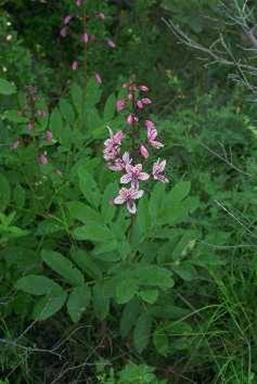 Red Book of the Russian Federation rare and endangered species and Red Books of RF regions as key elements of the biodiversity conservation. It is kept by the State Committee for Environmental protection. Currently a broader lists of rare and endangered animal species have been compiled to be included in the new edition of the Russian Federation Red Book. It includes 155 invertebrate, 4 Cyclostomata, 39 fish, 8 amphibian, 221 reptile, 123 bird, and 65 mammal species. Some of animal species are represented on the levels of subspecies or individual populations. 18 Russian Federation subjects have regional Red now lists of rare and endangered plant and animal species have been prepared and approved in 39 subjects, lists of rare plants - in 6 subjects and a list of rare animals in 1 RF region.
МЛЕКОПИТАЮЩИЕ – Mammalia
ДАУРСКИЙ ЕЖ (Mesechinus dauuricus)
РУССКАЯ ВЫХУХОЛЬ (Desmana moschata)
ЯПОНСКАЯ МОГЕРА (Mogera wogura)
ГИГАНТСКАЯ БУРОЗУБКА (Sorex mirabilis)
МАЛЫЙ ПОДКОВОНОС (Rhinolophus hipposideros)
ПОДКОВОНОС МЕГЕЛИ (Rhinolophus mehelyi)
БОЛЬШОЙ ПОДКОВОНОС (Rhinolophus ferrumequinum)
ОСТРОУХАЯ НОЧНИЦА (Myotis blythi)
ТРЕХЦВЕТНАЯ НОЧНИЦА (Myotis emarginatus)
ГИГАНТСКАЯ ВЕЧЕРНИЦА (Nyctalus lasiopterus)
ОБЫКНОВЕННЫЙ ДЛИННОКРЫЛ (Miniopterus schreibersi)
ТАРБАГАН (МОНГОЛЬСКИЙ СУРОК) (Marmota sibirica)
ПРИБАЙКАЛЬСКИЙ ЧЕРНОШАПОЧНЫЙ СУРОК (Marmota camtschatica)
РЕЧНОЙ БОБР, западносибирский подвид (Castor fiber)
РЕЧНОЙ БОБР, тувинский подвид (Castor fiber)
ГИГАНТСКИЙ СЛЕПЫШ (Spalax giganteus)
МАНЬЧЖУРСКИЙ ЦОКОР (Myospalax psilurus)
|
ЖЕЛТАЯ ПЕСТРУШКА (Eolagurus luteus)
МЕДНОВСКИЙ ГОЛУБОЙ ПЕСЕЦ (Alopex lagopus)
КРАСНЫЙ ВОЛК (Cuon alpinus)
БЕЛЫЙ МЕДВЕДЬ (Ursus maritimus)
СОЛОНГОЙ забайкальский (Mustela altaica)
АМУРСКИЙ СТЕПНОЙ ХОРЬ (Mustela eversmanni)
КАВКАЗСКАЯ ЕВРОПЕЙСКАЯ НОРКА (Mustela lutreola)

|
Из за большого объема этот материал размещен на нескольких страницах:
1 2 3 4 5 6 7 |
