


Партнерка на США и Канаду по недвижимости, выплаты в крипто
- 30% recurring commission
- Выплаты в USDT
- Вывод каждую неделю
- Комиссия до 5 лет за каждого referral
Системные исследования теории перевода можно распространить на такие известные системные закономерности как целостность и аддитивность. «Поскольку абсолютная целостность и абсолютная аддитивность не более чем абстракция, то реальные системы находятся в смысле этих категорий где-то в промежуточной точке на оси целостность аддитивность» [3, с. 103].
Как у Качалы [3, с. 105], так и у Гарбовского [4, глава 3], речь в частности идет о категориях иерархичности и коммуникативности, только у первого они рассматриваются в общем виде, а у второго применительно к теории перевода. С точки зрения теории перевода можно было бы более подробно обратиться и к другим системным категориям, но хотелось бы как в этом, так и в других случаях привлечь для этого соответствующий математический инструмент, что мы и попробовали сделать в данной статье. Будем надеяться, что реализация этой идеи дело ближайшего будущего.
СПИСОК ЛИТЕРАТУРЫ
1. О русской поэзии: Анализы, интерпретации, характеристики. СПб.: Азбука, 2001. 480 с.
2. Основы общей теории перевода (лингвистические проблемы): Для ин"~тов и фак. иностр. яз. Учеб. пособие. М.: Высш. шк., 1983. 303 с.
3. Основы теории систем и системного анализа: Учебное пособие для вузов. М.: Горячая линия Телеком, 2007. 216 с.
4. Теория перевода: Учебник. М.: Изд-во Моск. ун-та, 2007. 544 с.
5. Введение в современную математику. М.: Наука, 1965. 376 с.
6. Лингво-семиотический анализ поэтического текста при переводе (на материале немецких и польских переводов И. Бродского) // Автореф. дисс...канд. филол. наук. М.: МГУ, 2008. 25 с.
7. Золотые сечения, процессы самоорганизации и эволюции систем: Введение в общую теорию гармонии систем. Изд. 2-е. М.: КомКнига, 2006. 264 с.
8. , Симметрия в науке и искусстве, 3-е изд. (Серия «Математика и механика»). М.-Ижевск: Ин-т компьютерных исследований, 2004. 560 с.
9. Введение в кибернетику. М.: ИЛ, 1959. 432 с.
10. Биркгофф Г. Математика и психология. М.: Сов. радио, 1977. 96 с.
11. Bense M. Einfurung in die informationstheoretische Asthetik. Hamburg, 1969.
12. Birkhoff G. D. Aestethic measure. Cambridge, Mass., Harward University Press, 1933.
13. , Последовательности типа Фибоначчи: теория и прикладные аспекты. СПб: Лань, 2017. 516 с.
14. Избранная лирика (на немецком языке). М.: Прогресс, 1980. 504 с.
15. Сочинения. Т. 1. М.: Худож. лит., 1970. 768 с.
16. збранные стихотворения. Новосибирск: Издатель, 1998. 352 с.
17. Интуиция как семиотический образ (на примере переводов поэзии). В кн.: Концепции современного естествознания. Новосибирск: МАН ЦНЗ ХЛ, 2000. 117 с.
18. Математика эйдоса золотого сечения. В кн.: Химический дизайн. Метаязыки в науке и рефлексия естествознания. Новосибирск: Chem Lab. NCD, 2003. С. 24-60.
19. Бог Нахтигаль: немецкая и австрийская поэзия двух веков в переводах А. Карельского (1936-1993). М.: Медиум, 1993. 128 с.
20. Золотое перо. Немецкая, австрийская и швейцарская поэзия в русских переводах 1812 1970 гг. (На русском и немецком языках). М.: Прогресс, 1974. 736 с.
21. Золотое сечение. Австрийская поэзия XIX XX вв. в русских переводах. Сборник на нем. и рус. языках / Сост. , . М.: Радуга, 1988. 814 c.
22. збранные переводы. В 2-х томах. М.: Худож. лит., 1977. 414+383 с.
23. Гейне Генрих. Избранные сочинения: Пер. с нем. М.: Худож. лит., 1989. 702 с. (Б-ка классики. Зарубеж. Лит-ра).
24. ирика: Сборник / Сост. и предисл. . М.: Прогресс, 1981. 517 с. На нем. яз.
25. Heinrich Heine. Buch der Lieder. Hamburg, 2012.
26. На полном скаку и другие произведения немецких и австрийских писателей в переводах Альберта Карельского. М.: Центр книги Рудомино, 2016. 704 с. (Серия «Мастера художественного перевода»).
27. Энтропийные и другие системные закономерности: Вопросы управления сложными системами. М.: Наука, 2003. 428 с.
, доктор технических наук, профессор кафедры математического обеспечения и применения ЭВМ Санк-Петербургского государственного электотехнического университета («ЛЭТИ») им. . Основное направление научных исследований – планирование эксперимента, актуарная математика и теория риска, математическая теория гармонии. Имеет более 130 публикаций, в том числе четыре монографии. E-mail: *****@***ru
System harmony of a translation of poetic texts
Yu. D. GRIGORIEV
St.-Petersburg State Electrotechnical University, 5, prof. A. Popov ulitsa St.-Petersburg, 197376, Russian Federation, D. Sc. (Eng.), professor. Е-mail: *****@***ru
For the example of analysis of poetic text while translating from German the system characteristics of translation as process of mapping of one character system on another, namely the word-per-word translation on translation are considered. They are by accuracy and poetic license factors called. On the basis of the technique of the translations analysis suggested by Gasparov the concept of system harmony functions is introduced. It generates along with known constants of a golden section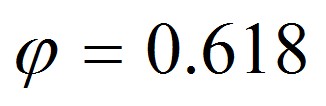 and
and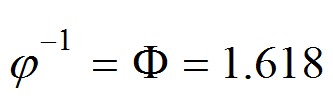 two other harmonious constants,
 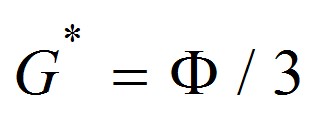 and
and 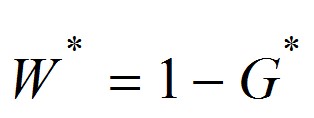 , that characterize the system properties of translation. Categorematic words count in the word-per-word translation and translation as a principle of a technique basis is taken. The methodological difficulties of using this a technique meanwhile are noted. The 36 translations of 24 poems of known German poets are considered. They are Goethe, Heine, Storm, Lenau, Rilke, Eichendorf, Merike, Fontane and George Poems in translations of the largest translator, eminent germanist A. Karelsky and the known poet-translator W. Levik are presented. For comparison with them from the system point of view the translations of the author of this article are given also. On the basis of an analysis that has been done the conclusion is drawn that the system laws of translation arise substantially without dependence from aesthetic level of translation They characterise not so much this level, how many specificity of a translation problem as such. It is noticed that the greatest deviations of translation from system laws in short poems are observed. The class of poems with equal numbers of categorematic words in the word-per-word translation and in translation for especially is notable. It is noticed that double system harmony in this case can be observed.
Keywords: poetic accuracy and licence factors, categorematic words, system approach, self-organizing system, system-organize constants, measure of aesthetics, function of system harmony, stylemetric analysis, double system harmony, Gasparov's generalised factors
DOI: 10.17212/1814-1196-2016-2-70-89
REFERENCES
1. Gasparov M. L. O russkoj poesii: Analisy, interpretatsii, kharakteristiki [On a Russian poetry: Analyses, interpretations, characteristics]. Saint-Petresburg, Azbuka Publ., 2001, 480 p.
2. Fedorov A. V. Osnovy obtschej teorii perevoda (lingvisticheskie problemy). Dlya institutov i fakultetov inostrannykh yazikov. Uchebnoe posobie. [Basis of the general theory of translation (linguistic problems): For institutes and faculties of foreign languages. The manual]. Moscow, Visshaya shkola Publ, 1983. 303 p.
3. Kachala V. V. Osnovy teorii sistem i sistemnogo analiza. Uchebnoe posobie dlya vuzov [Foundations of the systems theory and the system analysis: Manual for high schools]. Мoscow, Goryachya liniya Publ, 2007. 216 p.
4. Garbovsky N. K. Teoriya perevoda. Uchebnik [Theory of translation. Textbook]. Мoscow, MGU Publ., 2007. 544 p.
5. Shikhanovich Yu. A. Vvedenie v sovremennuyu matematiku [An Introduction to modern mathematics]. Moscov, Nauka Publ. 1965. 376 p.
6. Rjapina T. V. Lingvo-semioticheskij analiz poeticheskogo teksta pri perevode (na materiale nemetskikh I poljskikh perevodov I. Brodskogo) [Lingvo-semiotics analysis of the poetic text by translating (on a material of German and Polish translations of I. Brodsky). Author's abstract of dissertation. Moscow, MGU Publ, 2008. 25 p.
7. Soroko E. M. Zolotye secheniya, protsessy samoorganizatsii i evolutsii system: Vvedenie v obtschuyu teriyu garmonii sistem [Golden sections, processes of self-organising and evolution of systems: Introduction to the general of harmony theory of systems]. Moscow, Komkniga Publ., 2006. 264 p.
8. Shubnikov A. V, Koptsik V. A. Simmetriyav nauke I iskusstve (Seriya “Matematika i mekhanika”) [Symmetry at science and art (Series «Mathematics and mechanics»). Moscow, Izhevsk: Institute of computer researches Publ., 2004. 560 p.
9. Ashby W. R. An Introduction to cybernetics. London, Charman and Hall LTD, 1956.
10.Birkhoff G. Matematika I psikhologiya [Matematicsa and psychology]. Moscow, Sov. Radio Publ. 1977. 96 p.
11. Bense M. Einfurung in die informationstheoretische Asthetik. Hamburg, 1969.
12. Birkhoff G. D. Aestethic measure. Cambridge, Mass., Harward University Press, 1933.
13. Grigoriev Yu. D., Martynenko G. Ya. Posledovateljnosti tipa Fibonacci: teoriya i prikladnye aspekty [Sequences of Fibonacci’s type: theory and applied aspects]. St. Petersburg, Lanj Publ., 2017. 516 p.
14. Goethe I. V. Izbrannaya lirika (na nemetskom yazike) [Selected lyrics (in German)]. Moscow, Progress Publ, 1980. 504 p.
15. Lermontov M. Yu. Sochineniya. Tom 1 [Works. V. 1]. Moscow: Khudozh. Lit., Publ., 1970. 768 p.
16. Ivanov K. Izbrannye stikhotvoreniya [Selected poems]. Novosibirsk: Izdatelj Publ., 1998. 352 p.
17. Kutolin S. A. Intuitsiya kak semioticheskij obraz (na primere perevodov poezii) [Intuition as a semiotics image (on an example of poetry translations). In book.: Concepts of modern natural sciences. Novosibirsk: Chem Lab. NCD Publ, 2000. 117 p.
18. Grigoriev Yu. D. Matematika ejdosa zolotogo secheniya [Mathematics of a golden section eidos. In book: Chemical design. Metalanguages in a science and natural sciences reflexion. Novosibirsk: Chem Lab. NCD Publ, 2003. pp. 24-60.
19. Bog Nakhtigalj. Nemetskaya I avstrijskaya poeziya dvukh vekov v perevodakh A. Kareljskogo (1936-1993) [God Nachtigall. German and Austrian poetry of two centuries in A. Karelsky's (1936-1993) translations]. Moscow, Medium Publ., 1993. 128 p.
20. Zolotoe pero. Nemetskaja, avstrijskaya i shvejtsarskaya poeziya v russkikh perevodakh 1812 1970 gg. (Na russkom I nemetskom yazykakh) [Gold pen. German, Austrian and Swiss poetry in Russian translations 1812 1970 (In Russian and German languages). Moscow, Progress Publ., 1974. 736 p.
21. Zolotoe sechenie/. Avstrijskaya poeziya 19-20 vv. V russkikh perevodakh. Sbornik na nem. i rus. yazykakh. Sost. V. V. Veber, D. S. Davlianidze [Golden section. Austrian poetry of XIX - XX centuries in Russian translations. The collection in German and Russian languages. Authors are V. V. Veber, D. S. Davlianidze. Moscow, Raduga Publ., 1988. 814 p.
22. Levik W. Izbrannye perevody. V 2 tomakh [Selected translations. In 2 volumes]. Moscow, Khudozh. Lit. Publ., 1977. 414+383 pp.
23. Heine Henry. Izbrannye sochineniya. Per. s nem. [Selected works. Transl from German]. Moscow, Khudozh. Lit. Publ., 1989. 702 p. (Classics library. “The foreign literature”).
24. Rilke R. Lirika. Sbornik / Sost. i pred. A. V. Karelskogo [Lirika: Collection. Author and A. V. Karelsky's preface. Moscow, Progress Publ., 1981. 517 p. (In German).
25. Heinrich Heine. Buch der Lieder. Hamburg, 2012.
26. Na polnom skaku I drugie proizvedeniya nemetskikh I avstrijskokh pisatelej v perevodakh A. Kareljskogo [On full jump and other works of German and Austrian writers in Albert Karelsky's translation]. Moscow, Center of the book Rudomino Publ., 2016. 704 p. (Series «Masters of a literary translation»).
27. Prangishvili I. V. Entropijnye i drugie sistemnye zakonomernosti. Voprosy upravleniya slozhnymi sistemami [Entropic and other system laws: control questions by complex systems]. Moscow, Nauka Publ., 2003. 428 p.
ISSN 1814-1196, http://journals. nstu. ru/vestnik
science bulletin of the NSTU
Vol. 65, No 1, 2018, pp. 70–89
* Статья получена 09 января 2018 г.

|
Из за большого объема этот материал размещен на нескольких страницах:
1 2 3 4 5 6 7 8 9 |
