


Партнерка на США и Канаду по недвижимости, выплаты в крипто
- 30% recurring commission
- Выплаты в USDT
- Вывод каждую неделю
- Комиссия до 5 лет за каждого referral

ПЕТЕРБУРГСКИЕ ДИПЛОМАТИЧЕСКИЕ КОНФЕРЕНЦИИ

Сборник научных статей и материалов
международной конференции
«Гуманитарная дипломатия, сотрудничество, взаимодействие»
26-27 ноября 2012 года
(вып.2)
 |

 |
 |
САНКТ-ПЕТЕРБУРГ
2012
РОССИЙСКО-БЕЛОРУССКИЙ КРУГЛЫЙ СТОЛ «ИНТЕЛЛЕКТУАЛЬНЫЕ РЕСУРСЫ ИНТЕГРАЦИИ»
РОО «МОЛОДЕЖНАЯ ПАЛАТА САНКТ-ПЕТЕРБУРГА»
DIPLO SCIENCE 2012
(вып. 2)
Санкт-Петербург
Издательство «Астерион»
2012
УДК 328.18
ББК 60
Д 32
Редакционная коллегия:
(Россия, Санкт-Петербург)
(Россия, Санкт-Петербург)
(Россия, Екатеринбург)
(Украина, г. Одесса)
(Беларусь, г. Минск)
(Россия, г. Москва)
Diplo science 2012 (вып. 2): Cб. науч. тр./ Под ред. , // Отв. ред. С.Н. Бородулин.
СПб.:Изд-во «Астерион», 201с.
ISBN
В состав сборника научных статей «Diplo science 2012» включены исследования по актуальным вопросам развития гуманитарной дипломатии, сотрудничества, взаимодействия. Исследуются различные практические аспекты, связанные с расширением сегментов международной гуманитарной деятельности, применением новых концептуальных подходов, укреплением взаимосвязи и взаимодействия уполномоченных органов в сфере международной гуманитарной деятельности и областях дипломатического, правового, гуманитарного, экстренного реагирования.
Сборник адресован специалистам в области гуманитарной дипломатии, работникам неправительственных и правозащитных организаций, научным работникам, молодежным лидерам, заинтересованным в гуманитарном взаимодействии, представителям деловых кругов.
ISBN
© Коллектив авторов, 2012
© Издательство «Астерион»
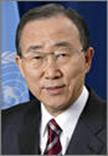 Из послания Генерального секретаря ООН
Пан Ги Муна
по случаю Дня прав человека
Правами человека обладают все люди без исключения. Вместе с тем если мы не знаем этих прав, не требуем их уважения и не отстаиваем свои и чужие права, то они превращаются лишь в пустые формулировки документа, принятого десятилетия назад.
Многие люди, которые стремились отстаивать свои законные чаяния, поддерживали связь друг с другом через социальные сети. Ушли в прошлое те времена, когда репрессивные правительства могли полностью контролировать потоки информации. Сегодня, руководствуясь принятыми ими обязательствами соблюдать права на свободу собраний и выражение мнений, правительства не должны блокировать доступ к интернету и различным социальным сетям в качестве метода предупреждения критики и общественных дебатов.
Мы знаем, что в мире по-прежнему существует слишком много репрессий и слишком много безнаказанности, и до сих пор слишком много людей страдает от бесправия.
Вместе с тем сейчас, начаты процессы новых демократических преобразований, приняты новые шаги для привлечения к ответственности виновных в совершении военных преступлений и преступлений против человечности, на новый уровень вышли понимание и пропаганда самих прав.
Перед лицом предстоящих испытаний я предлагаю черпать вдохновение в примере правозащитников и непреходящем значении Всеобщей декларации и бросить все силы на борьбу за защиту идеалов и чаяний, понятных каждой культуре и каждому человеку.
Из послания Генерального секретаря ООН
Пан Ги Муна
к Дню ООН
Сейчас, когда неумолимо приближается 2015 год, на который намечено достижение целей в области развития, сформулированных в Декларации тысячелетия, мы должны активизировать наши усилия по достижению всех поставленных в ней жизнеспасительных целей. Мы должны сформулировать масштабную и практичную повестку дня в области развития на период после 2015 года. При этом мы должны и далее бороться с нетерпимостью, защищать людей, оказавшихся в ситуациях конфликта, и добиваться установления прочного мира.
Организация Объединенных Наций — это не только место для проведения дипломатических раутов. В Организации Объединенных Наций работают миротворцы, которые занимаются разоружением воюющих сторон, медицинские работники, доставляющие лекарства, сотрудники по оказанию чрезвычайной помощи беженцам и эксперты по правам человека, которые оказывают помощь в отправлении правосудия.
В процессе выполнения этой глобальной миссии мы пользуемся поддержкой бесчисленного количества друзей и сторонников. Неправительственные организации, ученые, научные работники, меценаты, религиозные лидеры, представители деловых кругов и заинтересованные граждане имеют ключевое значение для успеха нашей деятельности. Ни один руководитель, страна или учреждение не в состоянии сделать все. Вместе с тем каждый из нас может внести свой вклад и сделать что-то.
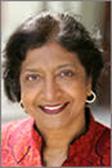
Из Заявления Верховного комиссара ООН по правам человека, госпожи Нави Пиллэй, по случаю Дня прав человека: 10 декабря, 2011 г.
2011 год оказался уникальным с точки зрения защиты прав человека.
Год, когда одно слово, воплотившее в себе крушение всех надежд доведенного до нищеты молодого человека из далекой тунисской провинции, отозвалось гулким эхом и в один миг зазвучало оглушительным крещендо.
Тем самым словом, стартовым позывом, стало слово «достоинство».
В Тунисе и Каире, Бенгази и Деръа, а позже, хотя и в совершенно ином контексте, в Мадриде, Нью-Йорке, Лондоне, Сантьяго и других городах, миллионы людей из всех слоев общества мобилизовались, чтобы выступить со своими требованиями относительно человеческого достоинства.
Они смахнули пыль с обещаний, изложенных в Всеобщей декларации прав человека, и потребовали "свободу от страха и свободу от нужды", сформулировав таким образом сжатый вариант всех гражданских, политических, социально-экономических и культурных прав, содержащихся в Декларации.
Они напомнили в равной степени и правительствам, и международным организациям, что здравоохранение, образование, жилье, и доступ к правосудию, являются не товаром, доступным лишь немногим, а правами, гарантированными каждому, везде и без дискриминации.
В 2011 году изменилась сама идея «власти». В течение этого необыкновенного года власть принадлежала не только могучим учреждениям, разместившимся в облицованных мрамором зданиях, но всё в большей степени – обычным мужчинам, женщинам и даже детям, отважно вставшим на защиту своих прав. На Ближнем Востоке и в Северной Африке многие тысячи людей заплатили своими жизнями, и десятки тысяч получили ранения, находились в осаде, под пытками, были задержаны, и терпели угрозы, но их вновь обретенная решимость отстаивать свои права означает, что они больше не желают мириться с несправедливостью.
Идеи этого внезапного глобального пробуждения были распространены, в первую очередь, не спутниками крупных СМИ-концернов, не на конференциях или какими-то другими традиционными средствами - хотя все это сыграло свою роль, - но стремительной и неудержимой волной социальных сетей и Интернета.
Сегодня, как и в прошлом, цензура и финансовые факторы, а также доступ, определяют, будут ли протесты и подавление протестов освещены по телевизору или опубликованы в газетах по всему миру. Но где бы, подобное ни происходило, теперь можно гарантировать, что информация об этом попадет в Twitter, будет размещена в сети Facebook, показана на YouTube и загружена в Интернет в других вариантах. Правительства больше не обладают монополией на распространение информации и на ограничение того, что говорится.
В День прав человека 2011 года я призываю всех и везде присоединиться к кампании в Интернете и социальных сетях, которые организовал мой офис, чтобы помочь как можно большему числу людей узнать, потребовать и защищать свои права. Это кампания должна продолжаться до тех пор, пока продолжаются нарушения прав человека
.
Уважаемым участникам международной конференции
«Гуманитарная дипломатия, сотрудничество, взаимодействие»
и
круглого стола
«Россия и Беларусь: построение единого рынка труда»!
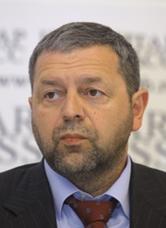 Построение единого рынка труда, повышение трудовой мобильности населения являются неотъемлемыми условиями формирования единого экономического и гуманитарного пространства, к которому стремятся Российская Федерация, Республика Беларусь и Республика Казахстан. Трудовая миграция в рамках единого экономического пространства имеет – среди прочих – одно крайне важное свойство: формирует прочные экономические, социальные и политические связи между нашими странами – базис для дальнейшей интеграции.
Делая первые шаги по построению единого экономического пространства «от Лиссабона до Владивостока», важно помнить, что миграция внутри этого пространства должна быть контролируемой и цивилизованной. Для этого необходимо вырабатывать единые подходы в сферах труда, занятости, стандартов профессионального образования. Важен контроль и учет миграционных потоков, выстраивание общих балансов трудовых ресурсов и координированное прогнозирование развития рынков труда наших стран. Поэтому площадки для диалога и сотрудничества между странами Таможенного союза, подобные данной Конференции, крайне важны и ценны.
В условиях построения единого рынка труда и интенсификации трудовой мобильности населения внутри Таможенного союза необходимо сообща противодействовать нелегальной трудовой миграции из третьих стран, влекущей за собой опасные социальные и экономические последствия и ущемляющей интересы граждан России, Белоруссии и Казахстана, а также контролировать соблюдение прав трудовых мигрантов в рамках Союзного государства. К сожалению, в этой сфере нередки нарушения: от несвоевременной выплаты заработной платы до незаконного увольнения и опасных для жизни нарушений правил охраны труда, а также недопустимых условий труда.
Огромный вклад в дело построения не только единого, но гуманного и цивилизованного рынка труда и общества в целом вносит Российский Красный крест, который, пользуясь случаем, я хочу поздравить с 145-летием деятельности.
Еще раз хочу отметить, что, только тесно сотрудничая, вырабатывая единые технологии и подходы к управлению человеческим капиталом, обмениваясь информацией, поддерживая диалог, мы сможем выстроить единое экономическое и гуманитарное пространство на территории России, Белоруссии и Казахстана.
С уважением и пожеланиями успехов в работе конференции
Председатель Комитета
по труду и занятости населения Санкт-Петербурга,
д. э.н.
Уважаемые гости и участники Международной конференции «Гуманитарная дипломатия, сотрудничество, взаимодействие»!
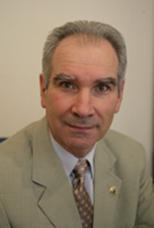 От имени многотысячного коллектива профессорско-преподавательского состава и студентов Международного гуманитарного университета (Одесса, Украина) рад приветствовать Вас, деятелей гуманитарного движения, чей интеллектуальный потенциал, воля и общественная деятельность созидают и активно приближают новый, более человечный и совершенный мир бытия людей. Наша конференция как мощная площадка постановки и обсуждения актуальных проблем современного гуманитарного развития высвечивает широкий спектр вопросов, адресуемых современному государству и его институтам, субъектам гражданского общества и политики, представителям научной общественности и бизнеса. Оптимизм вызывает широкое представительство на нашей конференции субъектов гуманитарного процесса из Российской Федерации, Республики Беларусь, Украины, Новой Зеландии, что следует рассматривать как залог последующего распространения и упрочения идей и разработок нашего форума в социальной практике.
Коллективу Международного гуманитарного университета идейно близки декларируемые в программе конференции подходы и принципы, которые в своей деятельности мы стремимся поддерживать и реализовывать в утверждении современного университета как мощного хранителя и генератора Совести, Культуры и Человечности. Надеемся, что почетная возможность принятия конференции в следующем, 2013 году, будет предоставлена нашему университету, действующему в городе Одессе, широко известном своими традициями в развитии человеческого общения и взаимопонимания между народами.
Желаю гостям и участникам конференции смелых идей, креативных решений и плодотворной работы на благо дальнейшей гуманизации современного общества!
С искренним уважением,
Сопредседатель Оргкомитета международной конференции «Гуманитарная дипломатия, сотрудничество, взаимодействие», ректор Международного гуманитарного университета (г. Одесса, Украина), доктор юридических наук, профессор, заслуженный деятель науки и техники Украины, член-корреспондент Национальной академии правовых наук Украины,
.
Предисловие
Петербургские дипломатические конференции – становятся все более узнаваемым брендом российско – белорусского круглого стола «Интеллектуальные ресурсы интеграции».
Под этим брендом, осуществляется выпуск сборников научных статей «DIPLO SCIENCE», в которых, отражается содержание пленарных докладов, итоговых выступлений и презентаций участников очередной прошедшей конференции.
26-27 ноября 2012 года, в г. Санкт-Петербурге, состоялась международная конференция «Гуманитарная дипломатия, сотрудничество, взаимодействие» направленная на освоение и творческое осмысление дипломатического наследия в сфере международной гуманитарной деятельности и гуманитарного наследия Санкт-Петербурга.
В связи с этим, конференция была приурочена, с одной стороны, к 145-летнему юбилею Российского Красного креста и памяти «гуманитарных дипломатов» Санкт-Грибоедова, , .
С другой стороны, к проведению в 2012 году тематических дней ООН «World Humanitarian Day», «International Day of United Nations Peacekeepers», «World Science Day for Peace and Development».
В подготовку отдельных мероприятий конференции внесли свой вклад Комитет по труду и занятости населения Санкт - Петербурга, Управление информации, стран СНГ и регионов РФ Комитета по внешним связям Санкт-Петербурга, РОО «Молодежная палата Санкт-Петербурга», ученые и преподаватели ведущих университетов Санкт-Петербурга, Екатеринбурга, Одессы (Украина).
Благодаря зарубежным участникам конференции из Германии, Новой Зеландии и Швеции, конференция получает свое продолжение в реализации совместных международных проектов, среди которых нужно выделить проекты по созданию Международного Виртуального Гуманитарного Кластера и Гуманитарных технологических парков.
Конференция была организована с целью дальнейшего развития научного, информационного взаимодействия и просвещения в области международной гуманитарной деятельности, дипломатического, демократического и гуманитарного реагирования.
Материалы новой конференции вошли в предлагаемый вниманию читателей второй сборник научных статей «DIPLO SCIENCE 2012».
Выражаем признательность и благодарность за поддержку конференции и издательского проекта «DIPLO SCIENCE 2012» всем участникам и партнерам конференции, а также, авторам научных статей и материалов.
Редколлегия.
Greg Simons
The Dangerous Facade of Western Humanitarian Diplomacy in 21st Century Armed Conflict
Introduction
Currently the West is living in a grey zone, partly the result of definition and partly the result of their actions. It is neither war nor is it peace. It is a world of great uncertainty and stress, stability seems to be something from our past. The Global War On Terrorism and more lately, the Arab Spring have highlighted a number of contradictions and dilemmas in the way that the West engages in ‘pro-active’ foreign policy. This is especially evident in the Middle East and North Africa. A first point to clarify, though, is to define what is exactly meant by ‘the West,’ which I use to denote the countries that are able to project hard and soft power on a global scale and define themselves as belonging to the liberal democracy camp. In effect, this includes countries such as the United States and larger members of the European Union (such as France and the United Kingdom).
One of the major problems facing the publics’ perception and understanding of the issues and boundaries of war and peace is a great deficit of transparency in these issues. This is very apparent in the nature of defining these elements, and in the political process itself. A great deal of attention is spent on perception management of different audiences in order to harness the power of manufactured public opinion in order to lend legitimacy and credibility to actions that do not deserve such (Bennett et al, 2007; Creel, 2010; DiMaggio, 2009; Simons, 2011 (b); Simons, 2010). It is said that an informed public provides vitality to democracy through informed and well considered decision making. However, what if this may not be the desired state of being? In this case, it could be argued that a misinformed (deceived) public are a useful and malleable tool that can be used to justify the otherwise unjustifiable. Critical thinking and plurality of debate on critical foreign policy issues, such as military intervention in humanitarian wars has been plummeting.
It is all a matter of definition
The importance of the lesson, in the sphere of definition, is that it is not a matter of what you say, but how you describe it that matters. This is what makes the use of branding, slogans and catch phrases such a potentially powerful tool (Herman & Chomsky, 2002; Shabo, 2008). Especially if this is used within the context of deception and ‘non-constructive’ politics, which often has narrow short term goals and long-term negative consequences. Definition can be used to try and throw a smokescreen on the real as opposed to the publicly proclaimed reasons and policy.
What began, according to George Bush’s infamous words as the Crusade Against Terrorism, quickly evolved into the less contentious Global War On Terrorism and is now in some quarters the almost meaningless Overseas Contingency Operation. Does this adequately define what is being done around the globe according to these slogans? The instinct is to say no, as this is providing a smokescreen to justify actions that go well beyond the scope of the proclaimed dimensions of the conflict and in to other areas and tasks that are more difficult to justify from a legal and ethical consideration.
An illustration of this is the rapidly expanding drone programme, which has come under scrutiny from the United Nations. An assumption that needs to be made for the use of drones, for instance in Pakistan, is that there is a sense of legitimacy (legal or moral for example) to empower their use. From the US perspective there are arguments such as American exceptionalism or that the US is the World’s Policeman, to safeguard democracy and justice. Both of these are self-appointed and do not stand up well to critical scrutiny. With regards to American exceptionalism, when one makes an exception the rule is broken and its legitimacy is lost. Additionally, why should the US be granted this status in the first instance, what are the special circumstances that warrant issuing carte blanche for one country to act in contradiction to international norms and conventions?
Turning to the notion of the US as the World’s Policeman, this implies that actions should not be in its own narrow set of interests, but for the greater international good and such values as democracy, liberty and so forth. However, historically and continuing to the present day, the US has supported some of the worst dictatorships and corrupt regimes the world has seen. The interests that it pursues are very narrow, and certainly not in the interest of the local community being ‘assisted’, let alone the international community. This is especially apparent in the penchant for regime change. The false and misleading pretences that led to the Iraq War in 2003 and its subsequent occupation as well as selectively applying the UN mandate on Libya to attack Gaddafi’s forces in order to permit the insurgents to prevail. One of the tenants of Just War according to the 1992 Catechism of the Roman Catholic Church, the results of the war should not be worse than the conditions before it.
As is patently obvious from the post-war conditions in Iraq (after 2003) and Libya (after 2011), the average citizen is much worse off than under the conditions of dictatorship. Human security in these areas is, to put it diplomatically, haphazard at best. These ‘liberated’ areas now begin to serve as breeding grounds for discontent and insurgency beyond the national borders too. Mali has begun to feel the effects of ‘democratisation’ in Libya with the flow of weapons and radicalised insurgents over its borders, they are also moving to Syria, the current focus of regime change. In my opinion, democracy is a more complicated process than merely going to war against a named dictator and beating them with overwhelming military force, perhaps going as far as to organise a quick show trial before the execution (not all get this far), choosing and installing a government that is likely to be compliant with your demands, and then announcing success in democratic transformation.
An interesting pattern that is emerging though are the positions being taken by the newly ‘democratised’ territories, especially Iraq and Afghanistan, with regard to the political leaderships’ publicly stated positions to their ‘liberators’. Iranian influence has increased significantly, it took a US-led invasion and occupation to end a long standing enmity between Iraq and Iran, after all the bitter Iran-Iraq War was not that long ago. Iraq has also supplied oil to Syria in defiance of the various international sanctions that have been imposed. Hamid Karzai, the President of Afghanistan, is very critical of the actions of ISAF troops in the country and the long list of scandals committed by US troops there – burning Korans, killing of civilians either accidentally or intentionally (which imply the commission of war crimes). Other more general and not country specific terms are also used within the sphere of creating imprecise definitions.
Among the terms/notions that are currently in vogue as a mechanism for ‘legitimising’ intervention and interference in another country’s domestic affairs are democratic peace and the Responsibility to Protect (R2P). The idea of democratic peace is an often bandied term that can be used to justify democratisation (which may be in turn linked to regime change) revolves around the notion that democratic countries do not go to war against each other, following from this, therefore the more countries that are democratic there shall be less conflict. This ignores the rather inconvenient fact that if one looks at the initiators of many of the wars in the 21st century so far, they are so-called democratic countries attacking authoritarian regimes in order to force democracy upon them with the use of military force. How can this be adequately explained? The point is that it cannot, not logically at least.
If we examine the notion of R2P, this is difficult to justify as well. It is an extremely vague concept, and is open to being defined by those actors that possess superior military force. Responsibility to Protect, whose responsibility, to protect whom from what, in what form is this protection to be realised physically? These all remain undefined, until the moment that interests of the militarily powerful coalesce. The above represent simplistic and catchy ‘solutions’ to complex problems, which are intended to excite and direct the public than contribute meaningfully to resolving significant problems.
A recent lecture reminded me, in a negative sense, the state of debate and critical think that currently exist in the West. It was a presentation on war and peace in the 21st century, by a distinguished scholar. Certainly his talk was one of the more balanced and nuanced that I have heard in a while. But he raised the issue of R2P, urging that Syria demonstrated all of the necessary preconditions to intervene, and which had been present in Libya previously (Simons, 2011 (a)). Several factors are ignored here though, firstly, probably one of the leading reasons for the current lack of open military action against Syria is the fact that Syria’s air and coastal defences are modern and likely to inflict significant damage to an invading force. Libya in this regard was a paper tiger, which was understood by NATO, hence the open military attack. Secondly, if the West and its proxies stopped supplying and stoking the conflict, there would be no continued loss of civilians. Turkey is providing refuge to insurgents and terrorists, supplying anti-armour and anti-air weapons, Qatar and Saudi Arabia providing weapons, logistics, money and buying defectors, US and others have their secret service and intelligence services actively working in Syria, Germany has a spy ship that is intercepting Syrian military signal traffic and relaying them to the insurgents. Hardly what one can term as being a neutral position.
Creating brands to get their way
Branding provides an interesting and at times persuasive mechanism to camouflage one’s activities and intentions. Their effect is to provide mental short-cuts to understanding certain objects, people and events. Just the mere invocation of the name can be enough for the complete meaning and context to flow automatically. Unlike catch phrases and slogans that are designed to excite the imagination and stir the mind to an intended form of action, brands are used to provide the context and background to understanding people, events and objects in a narrow and pre-determined manner.
As has been given above, the GWOT has been an excuse and a rallying call for many actions that would otherwise be deemed as being dubious. There has been a very concerted use of branding when labelling the stated enemy. News stories are filled with the deeds and words of Taliban and al Qaeda, in addition to a distinct absence of clear definition and justification for the labelling of individuals with such brands, it also has the effect of adding to the reputation and status of the actual organisations. Looking at the drone campaigns in Pakistan, numerous news reports speak of various numbers of Taliban suspects being killed in drone strikes. What is a Taliban suspect? There are no independent sources on the ground to confirm whether this is accurate or not. According to the West, democracy and rule of law are paramount values. So, following from this, does a Taliban suspect not deserve the right to a fair trial rather than a summary and somewhat arbitrary execution? To discuss further the use of branding to add credence or the appearance of legitimacy to actions and events that are in fact devoid of such, one needs look no further than the abysmal level and standard of reporting on Syria. The Western press is full of quotes from the Syrian Observatory and human rights activists, without stating the interests or agenda of these groups. A human rights activist is unlikely to be a neutral and reliable source of objective information. But the words sounds nice, after all who opposes the notion of that beautiful value of human rights? These elements are designed to create a very skewed view and perception of the physical world, and an environment that does not encourage critical or independent thinking.
Double Standards in Waging War in the GWOT
The US is projecting and attempting to maintain the narrative as a bastion of freedom, helping the world’s oppressed in the capacity as the world’s policeman (Snow, 2003). People from around the world are bombarded constantly with such value associations as democracy, human rights, press freedom and a global promoter of these values. They are the ‘good guys’ that seek to deliver to the world the freedoms enjoyed by Americans. Mass media and journalism within the West, and being the declared fourth estate, are utterly ailing in their duty to provide the public with an objective picture and understanding of this current conflict (Bennett et al, 2007; Thussu & Freedman, 2003; Zelizer & Allan, 2002).
However, this thin veneer is rapidly getting thinner with time and events. Police handling of the Occupy Movements (both of the protesters and the journalists trying to cover them), plus the Patriot Act and the current Public Trespass Bill (http://www. /house-passes-trespass-bill-that-makes-protests-illegal/) that would severely restrict Americans’ right to protest, demonstrate a disdain for protections that are described in the Constitution. However, the disdain and disregard for human rights, democracy, freedom of the press and so forth, is multiplied many fold when dealing with their occupation and attacks on the civil populations of other countries.
The frame is constantly repeated and reinforced in the mass media that the United States and its military are a force for good in the world, they are selfless in their global efforts of ‘democratisation’ and ‘liberation’. The results of these efforts vividly witnessed in regions such as the Middle East and Central Asia. Since the GWOT was declared there have been a stream of events that have contradicted the force of good in the world frame – Guantanamo Bay, Abu Ghraib, Haditha, the infamous execution of a prisoner in a Mosque in Iraq, Bagram Airbase, the Kill Team in Afghanistan, deaths of civilians in night raids, shooting of a Quran in Iraq, the recent burning of Qurans in Afghanistan and now the atrocity of 11 March 2012 in Afghanistan. Surely, this should be enough to dent the façade?
To date there has been remarkably little in the way of accountability. A prime example of this being the ridiculous sentence imposed upon the sole defendant found guilty of the Haditha atrocity of 24 unarmed men, women and children in 2005. Frank Wuterich was given a general discharge under honourable conditions and completed his service and avoided the three month sentence after a plea bargain (http://www. bbc. co. uk/news/world-us-canada). Needless to say, if he had committed this atrocity in the United States he would have likely been sentenced to death in a number of different ways, depending upon what state he committed the crime in.
Following conversations about this ludicrous sentence on the social media site Linked-In, there were plenty defending him and the so-called sentence. The basic line of reasoning being that only the military are in a position to judge those who have seen combat, no civilian could possibly understand what they have been through. I would argue that this is a flawed assumption. The notions of law and justice rest upon the idea of upholding the norms and values of society. Is the slaughter of 24 unarmed civilians an acceptable form of behaviour in the US? The obvious answer is no. Following from this point, should other men who have been subjected to the same combat conditions and numbing of senses to what is normal and acceptable behaviour be the best judges? Once more, I would say no. Otherwise, using their logic, police would make the best investigators and judges of allegations of misconduct in the police, which is why there is a move away from this form of peer investigation and judgement. The underlying empathy and conflict of interest in doing so far outweighs and discredits the expectation for a fair and just investigation and trial. Haditha and its aftermath merely serve of reminders of this basic matter of fact.
George Bernard Shaw was credited with the quote, “one can say anything, in the wrong key nothing.” This is certainly shaping up to be the case in the latest case of a long list of American atrocities in countries that they have occupied. What is known from the preliminary information given, a United States Army Staff Sergeant left his military base at about 0300 on the 11 March 2012. He systematically went from house to house and killed at least 16 civilians, of which nine were children and three women, while they slept and attempted to burn some of the bodies (http://www. /2012/03/12/world/asia/afghanistan-civilians-killed-american-soldier-held. html). This came in the wake of a Quran burning by US soldiers in February and urinating on the bodies of dead Taliban fighters.
How has NATO and the US reacted to this latest atrocity committed by US service personnel? If the statement of NATO forces spokesman Captain Justin Brockhoff is anything to go by, it is with either incompetence or deceit. His message was “there was a shooting incident Sunday in which multiple Afghan civilians were wounded. No one was killed. […] the wounded Afghans are receiving care at NATO medical facilities. He says U. S. forces are investigating the shooting in cooperation with Afghan authorities” (http://www. /news/2012/mar/11/nato-us-troop-detained-over-shooting-afghans/). On the very same day, the New York Times was carrying a detailed story about those who had been murdered.

|
Из за большого объема этот материал размещен на нескольких страницах:
1 2 3 4 5 6 7 8 9 10 11 12 |
