


Партнерка на США и Канаду по недвижимости, выплаты в крипто
- 30% recurring commission
- Выплаты в USDT
- Вывод каждую неделю
- Комиссия до 5 лет за каждого referral
The most interesting places in the village are a fairy-house “Teremok” and the Church of the Holy Spirit. A lot of tourists from different countries visit this beautiful Russian village.
III. Послетекстовые задания:
1) Самостоятельная работа в режиме поискового чтения (время выполнения 10 минут)
Цель задания: формирование навыка поиска информации.
Найдите и выпишите из текста словосочетания, соответствующие следующим фразам:
Известен благодаря Центру русского народного прикладного искусства
Наблюдала как они делают различные поделки
Талантливые крестьянские дети
Организовала мастерские для изготовления изделий прикладного искусства
Волшебный домик «Теремок»
2) Контроль понимания текста.
Отметьте утверждения, которые соответствуют содержанию текста (T), а какие нет(F):
r The Smolensk region is famous for Matryoshka dolls.(T\F)
r The Center of Russian National Applied Arts was created in London. (T\F)
r Maria Tenisheva liked to talk with peasants. (T\F)
r She organized the museum of culture. (T\F)
r They produced a lot of things in Russian national traditions. (T\F)
r The fairy-house “Teremok” is situated in Moscow. (T\F)
3) Интерактивная часть урока. Подберите подписи к картинкам.
 | |
| |

|
Unit 2. Museum of Smolensk Flax
I. Фонетическая разминка.
(Цель задания: формирование произносительного навыка)
Прослушайте стихотворение и повторите его за преподавателем:
Rain, Rain go away,
Come again another day.
Little children want to play.
Rain, Rain go away!
II. Работа с текстом.
Предтекстовые задания:
1) Ознакомьтесь с лексическими единицами по тексту
“Museum of Smolensk Flax”.
Цель задания: формирование лексического навыка по теме урока.
Vocabulary:
flax – лён;
cultivation – возделывание;
to spin – прясть;
spinning-wheel – прялка;
powerful – мощный;
craft – ремесло;
richly and vividly – богато и ярко;
unique – уникальный;
exhibit – экспонат;
to reveal – раскрывать;
folk art – народное искусство;
to admire – восхищаться;
soul – душа;
colorful – красочный;
2) Просмотрите текст и найдите ответ на вопрос.
Цель задания: Формирование компетенций в области просмотрового чтения.
What Smolensk land is famous for?
3) Найдите предложения с новыми лексическими единицами, выпишите их и дайте им русский эквивалент.
4) Определите, какая пословица выражает содержание текста:
Ремесло пить-есть не просит, а хлеб приносит.
Ремеслу везде почет.
Не учи безделью, а учи рукоделью!
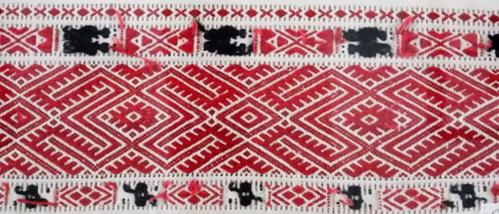
Museum of Smolensk Flax
Smolensk land is famous for flax cultivation. In ancient times people spun it by hand, then - on the spinning-wheel, now - on powerful automatic machines. In ancient Russian city Smolensk there is famous museum "Smolensk flax". The history of flax is richly and vividly presented here. In this museum you can see many unique exhibits such as: table and wall decorations made of flax, sarafans and blouses, different beautiful towels decorated in folk style. All these things reveal the colorful world of folk art. The guests of the city come to the museum and admire the unique exhibits which demonstrate the beautiful and creative soul of the Russian nation. Besides visitors can try how to spin flax on an old spinning-wheel and the guide will show them how to make a doll in a national costume. It`s important to point out that children of different ages enjoy visiting this place and here they learn a lot from the history of their hometown.
III. Послетекстовые задания:
1) Самостоятельная работа (время выполнения 10 минут). Найдите и выпишите из текста словосочетания, соответствующие следующим фразам.
Цель задания: формирование компетенций в области поискового чтения.
· лён
· возделывание
· прясть
· древний
· прялка
· ремесло
· экспонат
· раскрывать
· народное искусство
2) Контроль понимания текста.
Отметьте утверждения, которые соответствуют содержанию текста (True), а какие нет(False):
r In ancient Russian city Rostov there is famous museum "Smolensk flax". (T\F)
r Smolensk land is famous for corn cultivation. (T\F)
r In ancient times people spun flax by hand (T\F)
r All the exhibits demonstrate the beautiful and creative soul of the Russian nation. (T\F)
r Visitors of this museum can try how to made clay toys. (T\F)
r Children of different ages enjoy visiting this place. (T\F)
3) Интерактивная ролевая игра: интервью между американским туристом и русским студентом.
Цель задания: формирование компетенций в области диалогической устной речи.
Используйте следующие разговорные фразы: I wonder …, To my mind …, In my opinion …, Can you tell me …, Thank you for your answers …, It is not a secret …, I was glad to help you….
Tourist: What is the name of the city where the museum is situated?
Student:.....
Tourist: What exhibits can you see in this museum?
Student: ….
Tourist: What can you say about the history of spinning the flax?
Student: …
Tourist: What do visitors of "Smolensk Flax" can try to do?
Student: …
Tourist: Do children of different ages enjoy visiting this place?
Student: ...
Ø Видеофрагменты для просмотра материала по теме занятия:
http://www. museum. ru/m2318
http://www. visitsmolensk. ru/chto-posmotret/muzei/muzej-smolenskij-len/
Unit 3. Russian Folk Crafts
I. Работа с текстом.
Предтекстовые задания:
1) Ознакомьтесь с лексическими единицами по тексту “Russian Folk Crafts”
Цель задания: формирование лексического навыка по теме урока.
Vocabulary:
folk – народный;
craft – ремесло;
unique – уникальный;
shawl – платок;
clay – глина;
be known all over the world – быть известным во всём мире;
as well as – также как;
wooden – деревянный;
peasant – крестьянская;
village –деревня;
fabric – ткань;
to tear – разорвать;
straw – солома;
to fall apart – развалиться;
to carve – вырезать.
2) Просмотрите текст и найдите ответ на вопрос.
Цель задания: формирование компетенций в области просмотрового чтения.
What Smolensk land is famous for?
3) Найдите предложения с новыми лексическими единицами, выпишите их и дайте им русский эквивалент.
Russian Folk Crafts
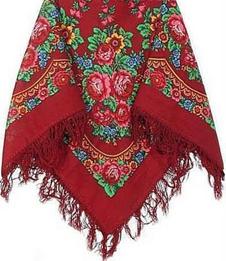
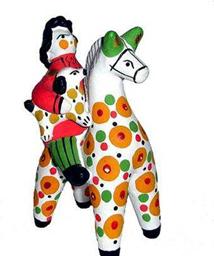 Russia is famous for traditional unique crafts. Painted boxes of Palekh, coloured shawls of Pavlov Posad, clay toys of Dymkovo, laces of Vologda are known all over the world. The names of Gzhel and Khokhloma are the symbols of Russia as well as matryoshkas and samovars. Wooden toys are known in Russia since the 17th century. The legend is that the first toy was made in a poor peasant family in a small Russian village. A mother was trying to make toys for her kids. She made a doll from a fabric but her kids tore it. She made a new one out of straw but it soon fell apart. Finally she carved a wooden toy for her children. That toy was their favorite one and since that time all this folk crafts items have become very popular Russian souvenirs.
II. Послетекстовые задания:
1) Самостоятельная работа (время выполнения 10 минут).
Найдите и выпишите из текста словосочетания, соответствующие следующим фразам.
Цель задания: формирование компетенций в области поискового чтения.
· народный
· ремесло
· платок
· глина
· деревянный
· солома
2) Контроль понимания текста.
Отметьте утверждения, которые соответствуют содержанию текста (True), а какие нет (False):
r Russia is famous for traditional unique crafts. (T\F)
r Wooden toys are known in Russia since the 9th century. (T\F)
r The names of Gzhel and Khokhloma are the symbols of Russia. (T\F)
r The legend is that the first toy was made in a rich family. (T\F)
r First of all, the mother made a doll from an iron. (T\F)
r Crafts items have become very popular Russian souvenirs. (T\F)
3) Интерактивная ролевая игра: беседа американского туриста с русским студентом.
Цель задания: формирование компетенций в области диалогической устной речи.
Используйте следующие разговорные фразы:
I wonder …, To my mind …, In my opinion …, Can you tell me …, Thank you for your answers …
Tourist: What is Russia famous for?
Student:.....
Tourist: What Russian crafts do you know?
Student: ….
Tourist: Where the first toy was made?

|
Из за большого объема этот материал размещен на нескольких страницах:
1 2 3 4 5 |
