


Партнерка на США и Канаду по недвижимости, выплаты в крипто
- 30% recurring commission
- Выплаты в USDT
- Вывод каждую неделю
- Комиссия до 5 лет за каждого referral
Student: …
Tourist: What is the legend says?
Student: …
Tourist: Do folk crafts items have become very popular Russian souvenirs?
Unit 4. Gzhel, the Russian porcelain
I. Работа с текстом.
Предтекстовые задания:
1) Ознакомьтесь с лексическими единицами по тексту “Gzhel”.
Цель задания: формирование лексического навыка по теме урока.
Vocabulary
gzhel – гжель;
picturesque – живописная;
a true cradle – подлинная родина;
porcelain – фарфор;
ceramic production – производство керамики;
pottery – гончарное искусство;
a craftsmаn – мастер;
white clay – белая глина;
household crockery, brick and roof tiles - бытовая посуда, кирпичные и кровельные плитки;
items - пункты;
samovars – самовары;
candlesticks – подсвечники;
statuettes – статуэтки;
popularity –популярность;
mother nature herself created this area for – сама мать-природа создала это место для…
2) Просмотрите текст и найдите ответ на вопрос.
Цель задания: формирование компетенций в области просмотрового чтения.
What do the art-lovers want to get for their collections?
3) Найдите предложения с новыми лексическими единицами, выпишите их и дайте им русский эквивалент.
Gzhel, the Russian porcelain
The Motherland of Traditional Russian Porcelain. Gzhel, a picturesque village 60 kilometers away from Moscow. It is known as one of the oldest and largest centers of china production in Russia, a true cradle of Russian ceramics. Gzhel is also the word for traditional Russian blue and white porcelain produced there since the 19th century - the region is famous for it.
The History of Russian Ceramics. Gzhel’s ceramic production has a long history. The first pottery appeared here in the 14th century. Ceramics seem to be something Mother Nature herself created this area for: craftsmen could not find a better place than this, with its rich and beautiful woods, crystal clear rivers and white clay.
 Modern Production. Gzhel produces tea, coffee and dinner sets, samovars, vases, candlesticks, clocks, lamps, statuettes and figurines of more than 2500 varieties. Gzhel porcelain enjoys far-reaching popularity both in Russia and other countries. It is one of the symbols of Russian culture. Many people spend a lot of money to collect different Gzhel items.
II. Послетекстовые задания:
1) Самостоятельная работа (время выполнения 10 минут).
Найдите и выпишите из текста словосочетания, соответствующие следующим фразам.
Цель задания: формирование компетенций в области поискового чтения.
· живописный уголок;
· бело-голубой фарфор;
· богата прекрасными лесами;
· родная страна;
· за пределами России;
· любители искусства;
· символ русской культуры.
2) Контроль понимания текста.
Отметьте утверждения, которые соответствуют содержанию текста (True), а какие нет(False):
· Gzhel is a material for plates, cups, samovars. (T\F)
· Gzhel is a traditional blue and white porcelain of Russia. (T\F)
· Gzhel appeared in the 15 th century. (T\F)
· People produce more than 2500 varieties of crockery. (T\F)
· Almost nobody wants to get gzhel things to his collection. (T\F)
3) Интерактивная ролевая игра: интервью между американским туристом и русским студентом.
Цель задания: формирование компетенций в области диалогической устной речи.
Используйте следующие разговорные фразы:
I wonder …, To my mind …, In my opinion …, Can you tell me …, Thank you for your answers …, It is not a secret …, I was glad to help you….
Tourist: What is the name of the place where the producing of gzhel began?
Student:.....
Tourist: What special colors are used in art of gzhel?
Student: ….
Tourist: What can you say about the history of this art?
Student: …
Tourist: What things does the gzhel factory produce?
Student: …
Tourist: Is this art still popular in the world?
Student: …
Unit 5. Russian Matryoshka
I. Фонетическая разминка.
Цель задания: формирование произносительного навыка.
На ярмарке, лучшим подарком была игрушка. Продавцы зазывали покупателей веселыми песенками. Прочитайте и переведите песенку продавца игрушек:
Toys, toys, toys.
Who will buy my toys?
Some for girls, some for boys.
Toys, toys, toys!
II. Работа с текстом.
Предтекстовые задания:
1) Ознакомьтесь с лексическими единицами по тексту “Russian Matryoshka”.
Цель задания: формирование лексического навыка по теме урока.
Vocabulary:
a matryoshka - матрешка;
a symbol - символ;
wooden - деревянный;
a sarafan – сарафан;
watercolor, gouache and tempera – акварель, гуашь, и темпера;
a hero of Russian fairy tales – герой русских народных сказок;
a soul – душа.
2) Просмотрите текст и найдите ответ на вопрос:
How is the Russian matryoshka made?
3) Найдите предложение с новыми лексическими единицами, выпишите их и дайте им русский эквивалент.
Russian Matryoshka
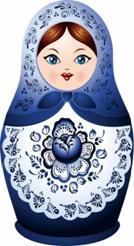
It's difficult to find a symbol of Russia more popular than the traditional Russian matryoshka. The matryoshka doll - the wooden decorated toy "with a secret" - is known even in many other countries.
How is the Russian matryoshka made? The production of matryoshka begins with the smallest doll which is placed inside all other dolls. The number of dolls could be from two to sixty, the classic variant is five dolls. When all the dolls are ready, they are covered with special glue and then the master paints its face and the dress in the Russian folk style “sarafan”. Old Russian traditions of making matryoshka-dolls are still very popular. In some villages, these dolls are hand-made acccording to this technology even nowadays. They are painted with watercolor, gouache and tempera. There are matryoshka dolls in the form of the heroes of Russian fairy tales. The Russian doll matryoshka is the most popular souvenir in the world.
III. Послетекстовые задания:
1) Самостоятельная работа в режиме поискового чтения(время выполнения 10 минут)
Цель задания: формирование навыка поиска информации.
 Найдите и выпишите из текста словосочетания, соответствующие следующим фразам:
· символ России;
· Русская матрешка;
· игрушка с секретом;
· несколько веков назад;
· состоит из пяти кукол;
· в некоторых деревнях;
· матрешки ручной работы;
· герои русских сказок.
2) Контроль понимания текста.
Отметьте утверждения, которые соответствуют содержанию текста (True), а какие нет (False):
r Matryoshka is a symbol of Russia. (T\F)
r The doll is made of iron. (T\F)
r The dolls have square forms. (T\F)
r The doll's clothes consists of a sarafan. (T\F)
r Usually, one big matryoshka consists of five dolls. (T\F)
r All the wooden dolls are hand-made in Russia. (T\F)
3) Интерактивная ролевая игра: интервью между журналистом английского журнала и русским студентом. Ответьте на вопросы журналиста с помощью текста.
Цель задания: развитие компетенции в области диалогической устной речи.
Используйте следующие разговорные фразы:
I wonder …, To my mind …, In my opinion …, Can you tell me …, Thank you for your answers …, It is not a secret …, I was glad to help you….
Journalist: What is the most popular symbol of Russia?
Student:.....
Journalist: How is the Russian matryoshka made?
Student: ….
Journalist: How are the dolls decorated?
Student: …
Journalist: Some centures ago, matryoshka dolls were hand-made. Can we find hand-made the doll nowadays?
Student: …
Journalist: Are these matryoshka-dolls still popular?
Student: …
Рекомендуемый видеофрагмент по теме урока:
Russian Dolls - Words of the World:
http://www. /watch? v=z7LjWTxHPNA
Unit 6. The Legend about Pocahontas
I. Фонетическая разминка.
Цель задания: формирование произносительного навыка.
Прочитайте и переведите стихотворение про бабочку, которая беззаботно порхает в высоком синем небе:
Butterfly, butterfly,
Where do you fly?
So quick, so high
In the blue blue sky.
II. Работа с текстом.
Предтекстовые задания:
1) Ознакомьтесь с лексическими единицами по тексту “ The Legend about Pocahontas ”.
Цель задания: формирование лексического навыка по теме урока.
Vocabulary:
indian tribe – племя индейцев;
indian chief – вождь индейского племени;
to keep peace – сохранять мир;
english settlement – поселение англичан;
to become friends – подружиться;
to become a Christian – перейти в христианскую веру;
to fall in love – влюбиться;
to marry – выйти замуж;
a popular symbol of friendship – популярный символ дружбы.
2) Просмотрите текст и найдите ответ на вопрос:
Why did all people love Pocahontas?
3) Найдите предложение с новыми лексическими единицами, выпишите их и дайте их русский эквивалент.
The Legend about Pocahontas
The legend about Indian Princess Pocahontas is very famous all over the world. She was the daughter of an Indian chief. She was very beautiful and kind. All people and even animals loved her. She loved nature and could speak with animals and birds. The birds in the forest sang her wonderful songs.

|
Из за большого объема этот материал размещен на нескольких страницах:
1 2 3 4 5 |
