


The total length of the Tunnel is about fifty kilometers. Thirty-seven kilometers of the line are under the waters of the English Channel. The electric trains run every three minutes during peak hours, providing the carrying capacity of 4,000 vehicles per hour in both directions.
A typical passenger shuttle consists of twenty-six wagons. A half of them are double-deck carriages for carrying cars of average size. Thirteen single-deck wagons are used for transporting buses and vans. Freight shuttles consist of twenty-five single-deck wagons. Each of them is capable of carrying a vehicle weighing up to forty-four tons. Two electric locomotives are coupled in front and at the rear of each shuttle.
The time of crossing the Tunnel is thirty-five minutes, about an hour less than by ferry. Passengers and drivers remain in their vehicles. The gauge of the tunnel railway is standard that is why the tunnel can be used for international passenger and freight trains.
Notes: *running tunnel – железнодорожный тоннель
**service tunnel – служебный тоннель
***cross-passage – поперечный переход
2. Ответьте на общие вопросы в соответствии с содержанием текста
1. Was the first design of the Channel Tunnel proposed in 1851?
2. Had only two projects been considered before the actual tunneling began?
3. Did the construction proceed very quickly?
4. Are double-track railway lines laid down in the running tunnels?
5. Is there a roadway inside the service tunnel?
6. Do the electric trains operate in the Channel Tunnel?
7. Does a typical passenger shuttle consist of 26 wagons?
8. Is the time of crossing the Channel Tunnel 30 minutes?
9. Are two electric locomotives coupled in front and at the rear of each shuttle?
10. Can the Tunnel be used for international passenger and freight trains?
3. Образуйте от глаголов данных в скобках, Participle II. Полученные причастия переведите на русский язык.
Model: a (to write) article – a written article – написанная статья.
1) a locomotive (to power) by electricity; 2) a (to delay) flight; 3) a (to break) engine; 4) a report (to type) in duplicate; 5) a (to carry out) plan; 6) a (to suspend) bridge; 7) a contract (to sign) by 2 companies; 8) mistakes (to make) in calculations; 9) the (to develop) countries; 10) railway tickets (to sell) yesterday.
4. Напишите по образцу.
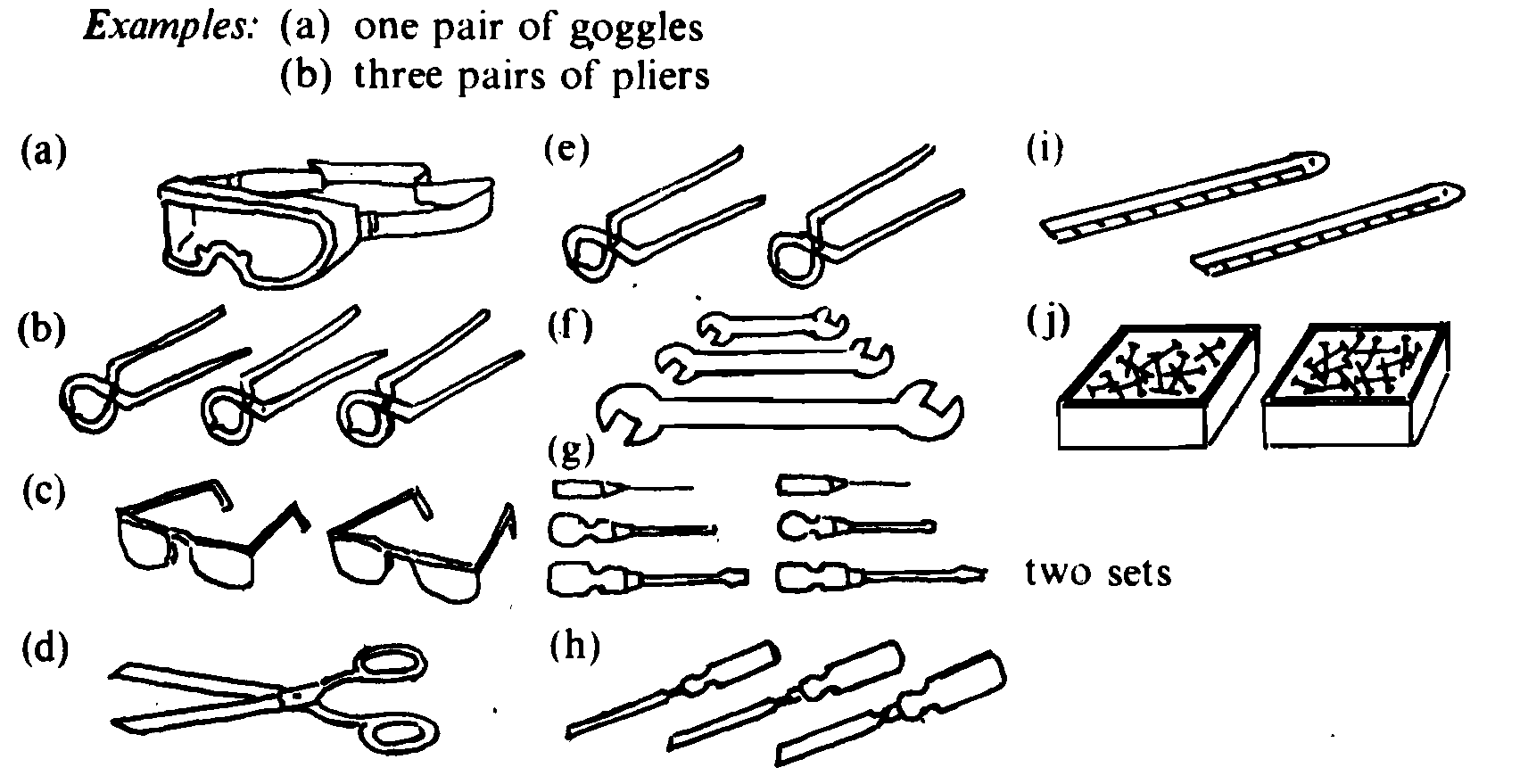
5. Дополните предложения.

ЗАДАНИЕ № 5
1.Переведите следующие слова.
responsibility, simultaneously, earthworks, partial, inseparable, intermediate, desirable; permanent way, stabilization of embankments.
2. Переведите предложения, обращая внимание на различные функции глагола to do.
1. I do half an hour exercises every morning. 2. Do be careful! 3. What time do the banks in Britain close? 4. We asked them to pack the glass and china for us, but they did it very badly. 5. She does a lot of work for charity. 6. Don’t be silly! 7. Do stop making that noise! 8. It looks easy, but it does need quite a bit of practice. 9. How long does it take you to get to work? 10. She thinks I don’t love her, but I do love her! 11. The doctor didn’t recommend me to take these pills too often. 12. There wasn’t much time for shopping, but
I did buy a couple of blouses. 13. I don’t understand the sentence.
3. Прочтите текст и составьте к нему план пересказа.
STONEBLOWER FOR PNEUMATIC BALLAST INJECTION
The Stone blower is a revolutionary machine developed specifically as an alternative to traditional tamping methods for the restoration of track’s vertical and lateral alignment.
The machine utilizes a process, which pneumatically injects ballast under the tie to achieve rack positioning to an accuracy of 1.0 mm. The result is a smooth track surface, which is immediately available for unrestricted line speeds. The Stone blower is the culmination of many years of research and development by Harsco Track Technologies in cooperation with Rail track and British Rail Research. The machine has undergone extensive testing to meet demanding requirements and has demonstrated the ability to significantly extend the time required between track maintenance cycles.
4. Переведите предложения на русский язык
Основными компонентами железнодорожного полотна являются рельсы, шпалы и балласт.
Рельсы удерживаются на шпалах. Шпалы укладываются на балласт. Рельсы соединяются друг с другом с помощью рельсовых скреплений. Стандартные рельсовые плети свариваются и образуют бесстыковой путь. В настоящее время бесстыковой путь широко используется на многих высокоскоростных магистралях. Такой путь обеспечивает более комфортное движение. Существует два основных типа шпал: деревянные шпалы и бетонные шпалы. Деревянные шпалы обрабатываются креозотом, который предотвращает их гниение. Балласт может состоять из щебня, песка, гравия и некоторых других материалов. Существует также без балластный путь или путь на плитах. Расстояние между рельсами называется шириной колеи. Ширина колеи на Российских железных дорогах составляет 1520мм. Для содержания и ремонта железнодорожного пути используются современные путевые машины.
ЗАДАНИЕ № 6
1. Выберите в следующих предложениях модальный глаголы: can, to be able to.
1. Jack has traveled much. He … speak three languages. 2. Tom … drive but he hasn’t
got a car. 3. Ask Val about your problem. He should … help you. 4. You… see a nice park from our bedroom window. 5. I …sleep very well recently. 6. Bob … stand on his head but he can’t do it now. 7. Tom won’t … come to see you tomorrow. 8. I can’t understand Helen. I’ve never … understand her. 9. Martin … pass his finals successfully.10. You …get something to drink from this vending machine. 11. My secretary … book us on a first-class sleeper to Paris. 12. I think I … meet the Trade Union representatives next Tuesday.
2. Practice the reading of the following words and word combinations:
drainage, lubrication, moisture, finally, significantly, intimate, frequent, man-hours, comparable, budget, specifically; track stabilization, presence and absence of excess moisture, measuring drainage, false economy.
3 You are to copy the words and memorize their meanings.
to lubricate – смазывать, увлажнять,
lubrication – смазка, замасливание;
roadbed – балластная призма (постель);
track structure, permanent way – верхнее строение пути;
to accept the load – воспринимать нагрузку.
to neglect – пренебрегать, игнорировать;
moisture – влага, влажность;
to recall - вспоминать;
measure – мера, измерение,
to measure – измерять;
a unit – единица, единица измерения;
an item – пункт, любой из перечисленных предметов, статья, вопрос на повестке дня);
to hide – прятать, скрывать.
4. Translate the following sentences from English into Russian.
1. The government has neglected socializing industry. 2. The speaker neglected mentioning all those who had helped elect him. 3. In dry weather start to water your vegetables before the earth loses too much moisture. 4. The lawyer asked the witness to try to recall as much about the accident as possible. 5. I recall that on at least one occasion I saw him taking money from the safe. 6. We’ll have to measure the bed to make sure it fits in this room. 7. We need to know the exact size. Centimeters seem to be the best measure.
8. The dollar is the standard unit of money in the USA. 9. There is an item about the robbery on page seven. 10. His house was burgled and a few items of jewelry were taken.
11. I took the items off the trolley, one by one. 12. He hides his real feelings under that big
smile. 13. I tried to hide my anxiety from the rest of the family by pretending that everything was normal. 14. She hid her inability to read all through her schooling.
5. Translate the following sentences into English. Do it in written form.
1. Мне нечего скрывать; вы можете задавать мне любые вопросы. 2. Не пренебрегайте правилами безопасности 3. Влага очень важна для вашей кожи. 4. Я помню, встреча прошла хорошо. 5. Час – это единица измерения времени. 6. Семья -
ячейка общества.
6. Прочтите и переведите текст.
THE IMPORTANCE OF DRAINAGE IN PRODUCING STABLE TRACK
Neglecting drainage has been used as a ‘convenient’ way of saving maintenance money, but poor drainage creates a lubricating effect in ballast. Many factors come into play in any discussion of track stabilization, but the most elementary and probably the most important one is the presence or absence of excess moisture in and around the track roadbed. In a word, drainage.
The old sayings and rules about the importance of track drainage are known by everybody. “The first rule of good track maintenance is drainage, the second rule is more drainage, and the third rule is even more drainage”. We also understand that the basic function of track structure is to accept the loads imposed on rail by rolling stock and to transmit those loads from rail to tie plate, to tie, to ballast and finally to sub grade.
Two of the basic elements of good track structure – ballast and sub grade – are affected significantly by poor drainage. Too much moisture decreases the strength of the roadbed’s foundation, creating a lot of maintenance problems.
Many recall the days when track maintenance was carried out manually and a foreman had intimate knowledge of local drainage situations and was able to make small, frequent corrections to keep a high-quality drainage system functional. Now, the situation has changed completely: much attention is paid to reballasting, retailing, track upgrading.
These track maintenance works are being modernized. But as for drainage maintenance, it is often neglected.
We have problems measuring drainage. We enjoy using units such as miles of rails laid per day, man-hours per tie installed, or miles of track upgraded per hour when discussing track maintenance, yet there is no comparable, convenient measure of drainage.

|
Из за большого объема этот материал размещен на нескольких страницах:
1 2 3 4 5 6 7 8 |
