


Партнерка на США и Канаду по недвижимости, выплаты в крипто
- 30% recurring commission
- Выплаты в USDT
- Вывод каждую неделю
- Комиссия до 5 лет за каждого referral
7. Why do we call Zhukovsky the founder of aerodynamics?
8. When did he die?
Упражнение 3. Закончите предложения.
1. Zhukovsky was born in …
2. He was sent into the Moscow gymnasium in …
3. He graduated from the Moscow University in …
3. Zhukovsky accepted the post of physics teacher in …
4. He was offered to be a teacher of mathematics in …
5. The first scientific work of the scientist appeared in …
7. The Central Aero – Hydrodynamic Institute was founded in …
8. N. E. Zhukovsky died in …
Упражнение 4. Запомните слова и выражения.
theoretical, experience, aerodynamics, natural sciences, to pay a great deal of attention, education, science, scientist, department, to graduate, research, fluid kinematics, to be interested in, contribution, to fly, development, air – mechanics, to investigate, propeller, theory, scientific work, trajectory, wing lift |
Упражнение 5. Приготовьте устное сообщение на тему «Биография ». Работайте в группах.
1.3 Моя учёба
Урок 1.3.7
Распорядок дня студента
Упражнение 1. Прочтите и переведите текст.
My Working Day
On weekdays the alarm clock wakes me up at 6.30 and my working day begins. I am not an early riser, that is why it is very difficult for me to get out of bed, especially in winter. I switch on my tape recorder and do my morning exercises. Then I go to the bathroom, take a warm shower, clean my teeth and shave. After that I go to my bedroom to get dressed. Usually my mother makes breakfast for me. But when she is away on business or just does not have to get up early, I make breakfast myself. While having breakfast, I listen to the latest news on the radio. I leave the house atand go to the nearest underground station. Last year I tried to enter the Moscow University. But unfortunately I failed my entrance examinations. So I thought I should work somewhere. It was not easy for me to find a job, but I managed to get a position of a secretary in a small business company. They agreed to take me because I had studied typewriting, computing and business organization at school. And besides, I passed my English school – leaving exam with an excellent mark.
It takes me an hour and a half to get to work. But I do not want to waste my time on the train. I have got a small cassette player and I listen to different texts and dialogues. Sometimes I read a book and retell it silently. If I come across an interesting expression I try to memorize it. I also write some English words on flashcards and learn them.
I usually arrive at work at 10 minutes to nine though my working day begins at 9 sharp. There are always some fax messages to translate from English into Russian. Sometimes my boss wants me to write a letter to our business partners abroad. There are also a lot of phone calls which I have to answer.
At 1 o’clock in the afternoon we have lunch. We usually have lunch in a small cafe just round the corner. At 2 o’clock we come back to work. And we work hard till 5.
During the working day we also have several short coffee breaks. But sometimes we have no time for them.
I come back home at about 7 o’clock in the evening. My parents are usually at home, waiting for me. We have dinner together. Then we sit in the living room, drink tea, watch TV or just talk.
Occasionally I have to stay at work till 6 or even 7 o’clock in the evening. When we have a lot of things to do we go to work on Saturdays. So by the end of the week I get very tired. All I can do on Sundays is to sleep, watch television, listen to music and read something in English.
Упражнение 2. Ответьте на вопросы, опираясь на текст.
1. Do you get up early? Is it easy for you to get up early?
2. Do you wake up yourself or does an alarm clock wake you up?
3. Do you do morning exercises?
4. Which do you prefer: a hot or a cold shower in the morning?
5. How long does it take you to get dressed?
6. What do you usually have for breakfast?
7. When do you usually leave the house?
8. Do you study? Where do you study?
9. What do you usually do on your way to work?
10. Where do you usually have lunch?
11. What time do you come home?
12. How do you spend your evenings?
13. What time do you usually go to bed?
***
Обратите внимание на обозначение времени!
Если минутная стрелка находится в правой части циферблата – используется предлог past.
It’s ten past eleven. Десять минут двенадцатого.
It’s a quarter past eleven. Четверть двенадцатого.
It’s half past eleven. Половина двенадцатого.
Если минутная стрелка находится в левой части циферблата - используется предлог to.
It’s ten to twelve. Без десяти двенадцать.
It’s a quarter to twelve. Без четверти двенадцать.
It’s twenty minutes to twelve. Без двадцати минут двенадцать.
It’s eleven sharp. Ровно двенадцать.
Время до полудня обозначается a.m, а после полудня p.m.
10 a. m. – Десять часов утра.
6 p. m. – Шесть часов вечера.
___________________
Упражнение 3. Скажите по – английски время:
А) 8.05, 8.10, 8.15, 8.20, 8.25, 8.30, 8.35, 8.45, 8.50, 8.55, 9.00
В) 1. без двадцати двенадцать;
2. без четверти три;
3. половина пятого;
4. четверть седьмого;
5. десять минут второго;
6. ровно двенадцать часов.
Упражнение 4. Запомните следующие слова и выражения.
To be an early riser – рано вставать
especially – особенно
to do morning exercises – делать утреннюю зарядку
to get dressed – одеваться
unfortunately – к сожалению
to fail – не сдать, провалить
entrance examinations – вступительные экзамены
a position of a secretary – место секретаря
typewriting – машинопись
computing – работа на компьютере
besides – к тому же, кроме того
business organization – делопроизводство
excellent – отличный
to waste time – терять время
to retell – пересказать
to memorize – запомнить
a flashcard – карточка
a fax message – сообщение по факсу
a partner – партнёр
abroad – за границей
a break – перерыв
experience – опыт
Упражнение 5. Опишите друг другу свой утренний распорядок с опорой на текст. Используйте новую лексику. Работайте в парах.
Упражнение 6. Расскажите о своём обычном рабочем дне в колледже, используя план на рисунке 1.
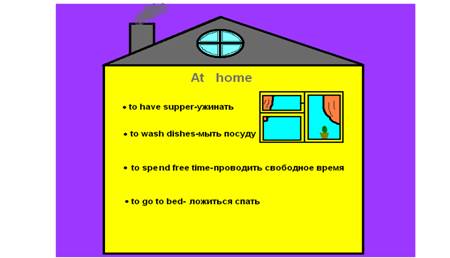
Упражнение 7. Расскажите, как вы обычно проводите вечернее время, используя план на рисунке 2.
Рисунок 1
Рисунок 2
Урок 1.3.8
Учёба в колледже. Расписание уроков. Учебные предметы.
Упражнение 1. Ответьте на вопросы.
1. When did you leave school?
2. Where do you study now?
3. How did you pass your entrance exams?
4. Are you a full – time or a part – time student?
5. What year are you in?
6. What is your future profession?
7. What are your favourite subjects?
8. When do your classes begin?
9. How many classes do you have a day?
10. Do you study hard?
11. When do you have session?
12. Do you like to study?
Упражнение 2. Расскажите,
1. когда вы сдавали вступительные экзамены в колледж;
2. какие отметки вы получили;
3. как вы добираетесь до колледжа;
4. о распорядке дня в колледже;
5. о режиме работы библиотеки (столовой).
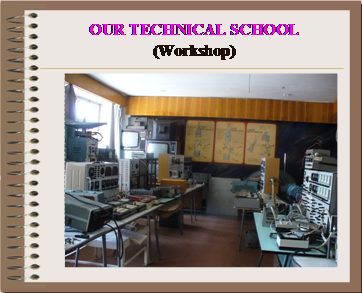
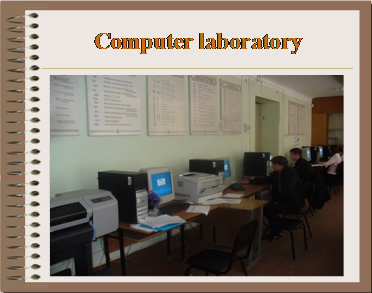
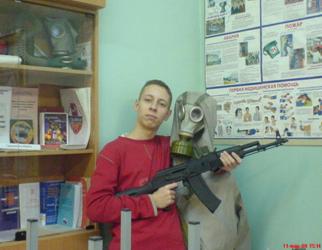
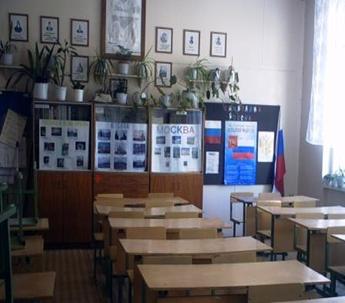
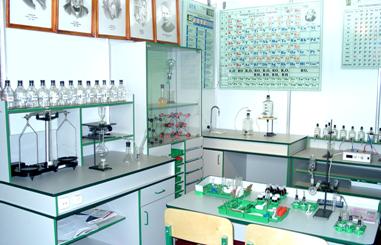
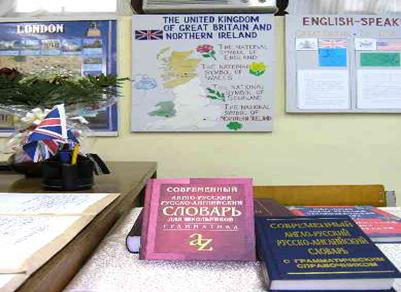
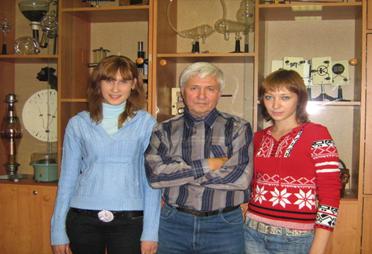
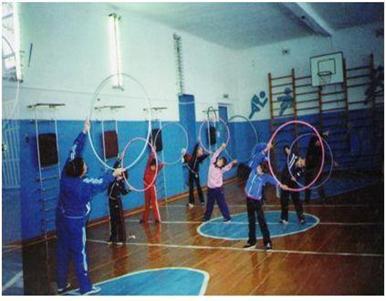
Упражнение 3. Опишите письменно свой любимый кабинет, опираясь на фотографии. Используйте конструкции there is , there are. Работайте в группах.
ОБЖ
История
Русский язык и литература 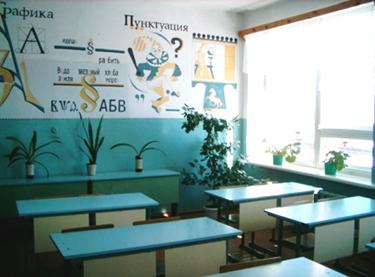
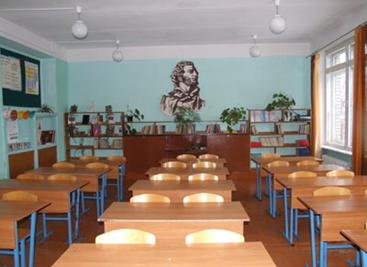
Математика
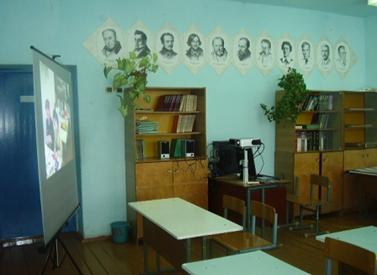
Химия
Английский язык
Физика
Физкультура
Упражнение 4. Прочтите и переведите текст.
When you enter the hall of your college you can see the time-table on the wall. There are always many students standing near the time-table and looking for the number of the rooms where they must go to.
Our classes begin at 9 o’ clock in the morning. We have six or eight hours a day with a lunch break.
Our time-table includes obligatory and optional subjects. In the first year all the students of the technical and specialized schools study the same general educational subjects. They are Russian, literature, a foreign language (English, German or French), sciences (physics, mathematics, chemistry), social sciences. We get physical training. The students also begin to study specialized subjects. They are either technical drawing or anatomy and biology, or electronics and strength of materials, or psychology or others.
We have lectures, practice (tutorials) and do laboratory works.
The time-table includes subjects, the names of the teachers, time and numbers of the rooms for each day of the week.
Near the time-table there is an advertisement board advertising running meetings, socials, clubs and society sittings.
We don't go to the college on Sundays. It is a day of.
Упражнение 5. Выпишите из текста слова, обозначающие
а) названия предметов, которые вы изучаете;
б) дни недели;
в) названия внеклассных мероприятий.
Отработайте их произношение.
Упражнение 6. Ответьте на вопросы.
1. Where is the time-table at your college? 2. When do your classes begin, and when are they over? 3. What subjects does your time-table include? 4. What does the time-table show? 5. What does an advertisement board run?
Упражнение 7. Переведите диалог.
The three L's
Characters: Mr. Watson, Jack, his grandson.
Scene: At home.
Mr. Watson: Well, Jack, what did you learn at college this afternoon?
Jack: We didn't learn anything this afternoon. We saw a TV programme.
Mr. Watson: What! Television at college!
Jack: Yes, we've just got a television set, a big one. We're going to see programmes three times a week.
Mr. Watson: We had to work at college when I was a boy. That was a long time ago. Things changed now. It was the three R's in those days.
Jack: Three R's! What are they?
Mr. Watson: Don't you know what the three R's are? Reading, writing and arithmetic, of course.
Jack: Oh, we do those as well. But I like the wireless lessons and now the television programmеs.
Mr. Watson: Yes, I'm sure, you do. It's the three L's today, not the three R's.
Jack: The three L's?
Mr. Watson: Yes, the three L's - listen, look and be lazy.
Упражнение 8. Ответьте на вопросы.
1. Did Jack do anything at college? 2. What did Mr. Watson learn at college? 3. What are the three R's? 4. What are the three L's?
Упражнение 9. Посмотрите на данное ниже расписание.
- Перерисуйте расписание в тетрадь и заполните пустые клетки названиями предметов, которые вы изучаете в колледже;
- Прочтите расписание на каждый день недели;
- Назовите предметы, которые вам нравятся больше всего;
- Назовите предметы, по которым вы занимаетесь в кружках, студенческом научном обществе или секциях.
Time | Monday | Tuesday | Wednesday | Thursday | Friday |
9.00 – 10.35 | History | Mathematics | Special Subject | History | |
10.45 – 12.10 | Physics | Special Subject | Chemistry | ||
13.05 – 14.35 | Special Subject | Chemistry | English | Special Subject | |
14.45 – 16.20 | Russian | Literature | Physics |
Упражнение 10. Заполните графы своего расписания, в котором указаны: Day, Subject, Teacher, Time, Room.
Урок 1.3.9
Система образования в России. Конструкция “to be going to”. Предлоги времени.
Планирование рабочего дня.
Обратите внимание!
I am going to read this book. Я прочитаю этy книгу. I was going to read this book when you came. Я собирался прочитать эту книгу, когда вы пришли. He is going to do this work. Он сделает эту работу. They are going to speak to the engineer. Они поговорят с инженером. |
Is your friend going to see this film? Yes, he(she) is. He (she) is going to see this film. (No, he (she) is not going to see this film.)
Are you going to ask him (her) about it? Yes, I am. I am going to ask him (her) about it. (No, I am not. I am not going to ask him (her) about it.)
Are your friends going to come skiing with you? Yes, they are. They are going to come skiing with us. (No, they are not. They are not going to come skiing with us.)
Were you going to read it yesterday? Yes, I was. I was going to read it yesterday. (No, I was not. I was not going to read it yesterday.)
Was your brother going to read it? Yes, he was. He was
going to read it.
Were your friends going to read it? No, they were not. They were not going
to read it.
Оборот to be going to , как и глаголы shall и will , является показателем будущего времени.
Оборот to be going to можно также перевести на русский язык
как собираться (сделать что-нибудь). Например: She is going to be a doctor.
После оборота to be going to не следует употреблять глаголы to go и to come.
_________________
Упражнение 1. Раскройте скобки и употребите конструкцию to be going + инфинитив.
- What you (to do) with that vase, Mary?
- I (to put) it on the radio, John.
- Don’t do that, give it me.
- What you (to do) with it?
- I (to put) it here, in front of the window.
- Be careful! Do not drop it! Put it here, on this shelf.
- There we are! It is a lovely vase.
- Those flowers are lovely too.
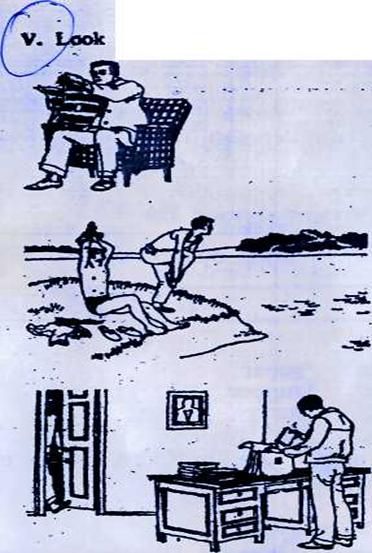
Упражнение 2. Посмотрите на картинки и ответьте на вопросы к тексту.
1) Is the man going to read?
2) Is he going to read or to write?
3) Is he going to read a newspaper?
4) What is he going to read?
1) Are the boys going to swim?
2) Are they going to swim far?
3) Where are they going to swim?
4) Are they going to swim across the river?
5) What are they going to do?
1) What was Sokolov going to do when Stogov came in?
2) What was he going to take?
3) Where was he going to put them?
4) Were Sokolov and Stogov going to study together?
5) Were they going to read books together?
6) What were they going to do?
Предлоги времени
1. after - после (after dinner – после обеда);
- через (after a week – через неделю);
2. before - до (before ten o’clock – до десяти часов);
- перед (before the war – перед войной);
- к (by 3 o’clock – к трём часам);
4. during - во время (during my holidays – во время моих каникул);
5. for - в течение (for two hours – в течение двух часов);
- на (for a week – на неделю);
6. from … till - от (с) … до (from 1990 till 1999);
7. in - в (in 1998);
- через (in a month - через месяц);
8. on - в (определённый день), (on Monday);
9. since - с (since1994 – c 1994г.);
10. at - в (at 9 o’clock – в 9 часов).
Упражнение 3. Вставьте подходящие предлоги.
1. The banks close…7 o’clock … the evening.
2. He usually leaves home early … the morning and comes back late … night.
3. He became famous only …his death.
4. The play begins … half past seven.
5. We arrived … London … the 13th … April and left … Oxford only … June.
6. Shakespeare died … 1616.
e, see you … Tuesday!
8. Alice goes to the swimming-pool … every Saturday.
9. Bob is going to play tennis … next Sunday.
10. I’m going to visit my friends … the end … September.
11. … last summer we spent our holiday in France.
12. I hope you feel better … the time you get this letter.
13. She lived in that house … 1985 … 1988.
14. Mrs. Jackson lived in England … three years.
15. I haven’t seen her … Monday.
16. Chris’s gone, but he’ll return … an hour.
17. She got married … the age … 19.
18. The train starts … 8.50, so you’d better be … the station … time.
Упражнение 4. Приготовьте устное сообщение на тему “Как я планирую свой рабочий день”, используя конструкцию to be going + инфинитив и предлоги времени.
Упражнение 5. Прочтите и переведите текст.
Education in Russia
In the Russian Federation the school education is compulsory. Pupils begin to go to school at the age of six or seven. When they complete the 9th form they can either continue to study at school for 2 years, or go to professional schools where they study not only main subjects, but are able to learn some professions. When school pupils leave school they can try to continue their education at institutes or universities.
There are many types of schools in Russia: specialized, polytechnical, musical, art and others. Nowadays some new types of schools appeared: gymnasiums and colleges. Citizens of Russia have the right to education which is guaranteed by the Constitution. The public educational system in our country incorporates pre-school, general school, specialized secondary and higher education.
Pre-schools consist of kindergartens and crèches. Children there learn reading, writing and arithmetic. But pre-school education isn’t compulsory - children can get it at home.
Compulsory education is for children from 6 (7) to 17 years of age. There are various types of schools: general secondary schools, schools specializing in a certain subject, high schools, lyceum and so on. Tuition in most of them is free of charge, but some new types of schools are free-paying. The term of study at a general secondary school is 11 years and consists of primary, middle and upper stages.
After the 9th form pupils have to take examinations. Also they have a choice between entering the 10th grade of a general secondary school and entering a specialized secondary or vocational school.

|
Из за большого объема этот материал размещен на нескольких страницах:
1 2 3 4 5 6 7 8 9 |
