


Партнерка на США и Канаду по недвижимости, выплаты в крипто
- 30% recurring commission
- Выплаты в USDT
- Вывод каждую неделю
- Комиссия до 5 лет за каждого referral
7. «Доцент» докладывает о постановке обучения переводу в Московском институте иностранных языков, проблемах, пожеланиях, вносит конкретные предложения.
7 . «ст. преп.» рассказывает о постановке обучения переводу в МГЛУ.
8. Далее студенты вкратце представляют свои научные работы, рассказывают о предполагаемых результатах, используемых материалах, дополнительных пожеланиях по тематике дискуссии (501 гр.: ; ; ; ; ); (502 гр. , ; ; ; )
9. «проф.» ; «акад.» подводят итог работы, высказывают соображения по компоновке заключительного доклада о работе секции.
10. Секретарь г-жа ; г-жа дают рекомендации относительно времяпрепровождения делегатов и сопровождающих их мужей (или жен), по вопросам безопасности в Москве, сообщает о запланированных экскурсиях для членов семей участников конференции, дает рекомендации по организации питания и.т.д.
11. Быть готовым к неподготовленному выступлению (метод KISS) _ кто - не скажу (см. файл об импровизации)!
· Майндмэпы (интеллектуальные карты)
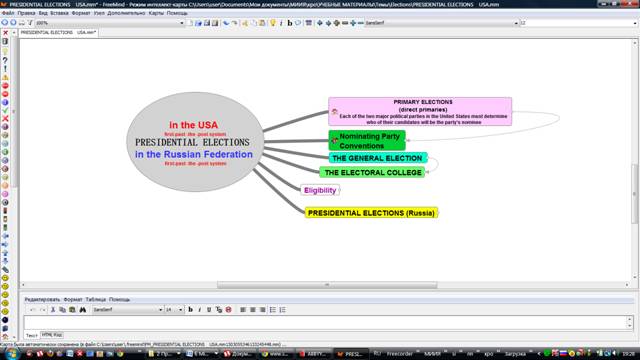
Образец (карта показана в свернутом вид, разворачивается в процессе занятия)
6. Формы и содержание промежуточной и текущей аттестации по дисциплине
6.1. Промежуточная аттестация
Зачет (9 семестр)
Задания студентам предлагаются на карточках.
Card 1
1. Landmarks of the mass media history. Define the notion. Give the time-line of qualitative and quantitative MM development. Characterize the 7 forms of MM.
2. Discussion
Card 2
1. Sketch an outline of digital media and their use (movies, Internet, video-games, blogs, recordings, RSS feeds, podcasts).
2. Discussion
Card 3
1. Speak on the print media – their ancient and modern history, types (broadsheet, tabloids, Berliner, middle (up, down)-market, media partners, the world of press).
2. Discussion
Card 4
1. Describe parts of a newspaper and forms of publications. Speak on the social and political role of print media. Characterize the print medium (or media) you use.
2. Discussion
Card 5
1. Speak on the news-gathering and publishing practices (breach of privacy, libel, paparazzi, types of news, political correctness, gossip and glitterati, gagging the press, etc.)
2. Discussion
Card 6
Radio and TV: programs (the TV diet - give examples); broadcasters (describe respective functions); footage: the sound bite, photo opportunity, recordings, interviews; participants: talking heads (their looks), audience, guests, contestants, TV personnel, etc.)
2. Discussion
Card 7
1. Give the notion of multimedia; multimedia opportunities in contemporary world; what is information society? Is information society a civil society? How virtual reality interacts with the reality as such?
2. Discussion
Card 8
1. Contemporary radio and TV: ratings and zapping; problems: violence, information wars, banality, dissipation. How ratings influence the TV and radio diet? What would you do to rectify the situation?
2. Discussion
Card 9
1. Elections in civil society: what are they needed for? Do they have a direct bearing on people’s lives? What electoral systems do you know: proportional (e.g. party-list proportional); majoritarian (e.g. first-past-the-post), mixed (e.g. majoritarian-proportional); describe (in general) the corresponding electoral systems in the Russian Federation, US, UK.
2. Discussion
Card 10
1. Give the general scheme of a presidential campaign in the USA: mechanisms of nomination, general elections and the Electoral College. Explain the notions of the campaign trail, platforms, whistlestop tours, spin doctors, etc.
2. Discussion
Card 11
1. Fair and unfair elections: manifestation of sleaze factor, bimbos, dirty tricks, ballot stuffing, digging for dirt, smear campaigns, etc. Importance of fund-raising, shadow interests, interference, etc. Electoral fraud.
2. Discussion
Card 12
1. Polls and ratings in elections. Can they turn the tide if counterfeited? Are surveys and opinion polls useful at all? Describe the polling procedures and types of polls.
2. Discussion
Card 13
1. Describe voting procedures: casting one’s vote (polling station, registration of electors, surveillance of order, secret voting, etc.), counting the election results, getting elected).
2. Discussion
Card 14
1. Parliament and parliamentary government. Absolute majorities and hung parliaments. Political coalitions and horse-trading, grassroots support and votes of confidence. Discharge of the incumbents. Governments. Honeymoons, lame ducks and the political wilderness.
2. Discussion
Card 15
1. Speak on undemocratic regimes, how to identify them, if any. Toppling governments. Social unrest. Dissidence. Rioting and looting. Repressive measures.
2. Discussion
Card 16
1. Visual, plastic and performing arts. The PreRaphaelites and the Itinerants.
2. Discussion
Card 17
1. History and composition of the Bible. Illustrious Bible translators in Russia. The God’s Prayer and Nicene Creed (325).
2. Discussion
Card 18
1. The Sermon of the Mount (as part of the human heritage). The Beatitudes, their meaning.
2. Discussion
Card 19
1. Give a notion of the deadly sins. Explain their meaning. In what the Orthodox Church concept differs from that of the Western Churches?
2. Discussion
Card 20
1.Speak on the PreRaphaelite Brotherhood, its history, artistic contribution, give your own impressions about their paintings, describe your favourite PreRaphaelite tableau.
2. Discussion
Card 21
1.Speak on the Russian Peredvizhnic Brotherhood, its history, artistic contribution, give your own impressions about their paintings, describe your favourite Itinerant tableau.
2. Discussion
Card 22
1. Give a comparative picture of PreRaphaelite and the Peredvizhnic Brotherhoods. What are the common features, if any, and distinctions? Could the PreRaphaelite works be deemed as having influenced the Peredvizhnics as they had the French Impressionists?
6.2. Итоговая аттестация (10 семестр)
Card #1
1. Mass media: landmarks of history.
2. Panel members at a conference, their respective roles.
3. Discussion.
Card #2
1. Parts of a newspaper.
2. The content and preparation of the welcome speech at a conference (e.g. conference on environment protection or any other).
3. Discussion.
Card #3
1. Print media: types, partners, ladies and gentlemen of the press.
2. Сold-calling techniques.
3. Discussion.
Card #4
1. News-gathering practices, gagging the press in repressive countries.
2. Principal landmarks of the Bible history.
3. Discussion.
Card #5
1. Radio and TV: programmes and broadcasters, the sound bite and the photo opportunity.
2. Personal letter-writing etiquette
3. Discussion
Card #6
1. Radio and TV: the TV diet, multimedia and virtual reality.
2. Business letter-writing: types of letters, formats, ethics.
3. Discussion.
Card #7
1. Radio and TV: ratings , zapping and TV violence.
2. Speak on role of religion in modern Western societies.
3. Discussion.
Card #8
1. Elections: campaign trail, platforms, whistlestop tours and spin doctors.
2. What are “seven capital sins”, explain and comment.
3. Discussion.
Card #9
1. Elections: mechanisms of nomination.
2. Speak on the biblical Ten Commandments and explain their relevance in modern ethics.
3. Discussion.
Card #10
1. Manifestation of sleaze factor in elections, bimbos, dirty tricks.
2. Speak on the evangelical Beatitudes, give your notion of them.
3. Discussion.
Card #11
1. Polls and ratings in elections.
2. Give your idea of the American cultural values.
3. Discussion.
Card #12
1. Elections: mechanisms of nomination.
2. Speak on the Russian cultural values.
3. Discussion.
Card #13
1. Manifestation of sleaze factor in elections, bimbos, dirty tricks.
2. Speak on Western political correctness.
3. Discussion.
Card #14
1. Parliaments. Political coalitions, grassroots support and votes of confidence.
2. Speak on political correctness in Russia.
3. Discussion.
Card #15
1. Typical Topic s and answers at a job interview. Elements of body language.
2. Speak on the The European Convention for the Protection of Human Rights and Fundamental Freedoms and the European Court oа Human Rights.
3. Discussion.
Card #16
1.Speak on social unrest, dissidence and repression.
2.Social networks, notions, organization.
3.Discussion.
Card #17
1. Visual, plastic and performing arts. The PreRaphaelites and Itinerants.
2. Explain functional difference of the European Union, Council of Europe and the European Court of Human Rights.
3. Discussion.
Card #18
1. Advertising and advertisements as a means of communication.
2. Good and bad usage in public speech.
3. Discussion.
Card #19
1. Describe a typical office job environment.
2. The 6 typical job interview questions and possible advantageous answers.
3. Discussion.
Card #20
1. Speak on electoral fraud. Discharge of the incumbents. Governments.
2. Non-verbal language in public speech. Useful and disadvantageous gestures in public speech.

|
Из за большого объема этот материал размещен на нескольких страницах:
1 2 3 4 5 6 7 8 9 10 11 12 13 |
