


17. Brown, H. Scientific Organisations in Seventeenth Century France, . New York, 1967
18. Buck A. La contribution humaniste à la formation de l’esprit scientifique, dans Sciences de la Renaissance. Paris, 1973
19. Buck A. La polémique humaniste contre les sciences, dans Sciences de la Renaissance. Paris, 1973
20. Candolle, A. The Influence of Religion on the Development of the Sciences (1885) in Cohen I. B. (ed.) Puritanism and the Rise of Modern Science. New Brunswick and London, 1990
21. Cartwright N. How the Laws of Physics Lie. Oxford, 1983
22. Daston L. Attention and the Values of Nature in the Enlightenment. The Moral Authority of Nature. Chicago, 2004
23. Daston L., Park K. Wonders and the order of Nature, New-York, 1998
24. Duane H. Roller D. Did Bacon Know Gilbert's De Magnete? Isis, Vol. 44, No. 1/2 (Jun., 1953)
25. Eamon W. Paheau F. The Accademia Segreta of Girolamo Ruscelli, Isis, Vol. 75, No. 2 (Jun., 1984)
26. Farrington B. Francis Bacon. Philosopher of Industrial Science. London, 1951
27. Feyerabend P. K. Classical Empiricism in Problems of Empiricism, Cambridge, 1981
28. Flocon A. Les artistes du XVI siècle et la fabrique du corps humain, dans Sciences de la Renaissance. Paris, 1973
29. Frank R. G. Jr. Harvey and the Oxford Physiologists. Berkeley, 1980
30. Fraser A. King Charles II. London, 1979
31. Gibson R. W. Francis Bacon, A Bibliography of His Works and of Baconiana to the year 1750. Oxford, 1950
32. Gribbin J. The Fellowship. Woodstock & New York, 2007
33. Gough J. W. The Superlative Prodigall. Bristol: J. W. Arrowsmith, 1932
34. Grmek M. Le chaudron de Médée. Institut Sunthélabo, 1997
35. Helden van A. The Invention of the Telescope, Transactions of the American Philosophical Society, Vol. 67, No.
36. Hill C. Intellectual Origins of the English Revolution. Oxford, 1965
37. Hill C. William Harvey and the Idea of Monarchy, Past & Present, No. 27 (Apr., 1964)
38. Hoppen K. T. The Nature of the Early Royal Society: Part I, The British Journal for the History of Science, Vol. 9, No. 1 (Mar., 1976), pp. 1-24
39. Hume D. The History of England, Indianapolis, Volume VI, Based on edition of 1778
40. Hunter M. Science and the Shape of Orthodoxy. Woodbridge, 1995
41. Hunter M. & Wood P. B. Towards Solomon's House: Rival Strategies for Reforming the Early Royal Society. History of Science, Vol. 24
42. Jones, R. F. Ancients and Moderns. A Study of the Rise of the Scientific Movement in Seventeenth-Century England. St. Louis, 1961
43. Kealey T. The Economic Laws of Scientific Research. London, 1996
44. Koyré A. L’apport scientifique de la Renaissance. Études d’histoire de la pensée scientifique. Paris, 1966
45. Koyré A. A l’Aube de la science classique. Paris: Hermann & Cie, 1939
46. Koyré A. Du monde clos à l’univers infini. Paris, 1973
47. Kuhn, T. The Copernican Revolution. Cambridge, 2002
48. Kuhn T. S. Mathematical vs. Experimental Traditions in the Development of Physical Science. Journal of Interdisciplinary History, Vol. 7, No. 1 (Summer, 1976)
49. Leary J. E. Jr. Francis Bacon and the Politics of Science. Iowa, 1994
50. Mason S. F. The Scientific Revolution and the Protestant Reformation (1953) in Cohen I. B. (ed.) Puritanism and the Rise of Modern Science. New Brunswick and London, 1990
51. McKie D. The Origins and Foundation of the Royal Society of London, Notes and Records of the Royal Society of London, Vol. 15 (Jul., 1960), pp. 1-37
52. Merton R. K. Science, Technology and Society in Seventeenth Century England, Osiris, Vol. IV, pt. 2, pp. 360-632. Bruges: St. Catherine Press, 1938
53. Middleton W. E.K. What Did Charles II Call the Fellows of the Royal Society? Notes and Records of the Royal Society of London, Vol. 32, No. 1 (Jul., 1977)
54. Moran B. T. (ed.) Patronage and institutions. Science, Technology, And Medicine at the European court . The Boydell Press, 1991
55. Nardi B. Significato del motto «Provando e riprovando» in Celebrazione della Accademia del Cimento nel Tricentenario della Fondazione, Domus Galilæana, Pisa, 1958
56. Nicholson M. English Almanacs and the ‘New Astronomy’. Annals of science, Vol.4, January 15, 1939, No 1
57. Nuttall G. F. The Holy Spirit in Puritan Faith and Experience. Oxford, 1947
58. Panofsky E. Artist, scientist, Genius: Notes on the Renaissance-Dämmerung in The Renaissance: Six Essays by Wallace K. Ferguson and others. New York, 1962
59. Pelseneer J. Gilbert, Bacon, Galilée, Képler, Harvey et Descartes: Leurs relations. Isis, Vol. 17 No.1 (1932)
60. Randall J. H. The School of Padua and The Emergence of Modern Science. Padova, 1966
61. Rosen G. Left-Wing Puritanism and Science (1944) in Cohen I. B. (ed.) Puritanism and the Rise of Modern Science. New Brunswick and London, 1990
62. Rossi P. Francis Bacon. From Magic to Science. London, 1968
63. Rupert Hall A. Ballistics in the Seventeenth century. Cambridge,1952
64. Sciences de la Renaissance. Paris : J. Vrin, 1973
65. Shapin S. The House of Experiment in Seventeenth-Century England, Isis, Vol. 79, (Sep., 1988)
66. Shapin S., & Schaffer S. Leviathan and the Air-Pump. Princeton University Press, 1985
67. Shapiro B. John Wilkins . An Intellectual Biography. Berkeley and Los Angelos, 1969
68. Syfret R. H. The origins of the Royal Society, Notes and Records of the Royal Society of London, Vol. 5, No. 2 (Apr., 1948), pp. 75-137
69. Voltaire. Lettres philosophiques in Oeuvres V. 1, P., 1834
70. Weber M. The Protestant Ethic and the Spirit of Capitalism. Los Angeles, 2002
71. Webster C. The Great Instauration. Science, Medicine and Reform . Oxford, 2002
72. Webster C. Richard Towneley, the Towneley Group, and Seventeenth-Century Science. Transactions of the Historic Society of Lancashire and Cheshire,
73. Westman R. S. The Melanchthon Circle, Rheticus, and the Wittenberg Interpretation of the Copernican Theory. Isis, Vol. 66, No. 2 (Jun., 1975)
74. Worrall J. Does Science Discredit Religion? in Contemporary Debates on Philosophy of Religion. Oxford, 2004
Иллюстрации
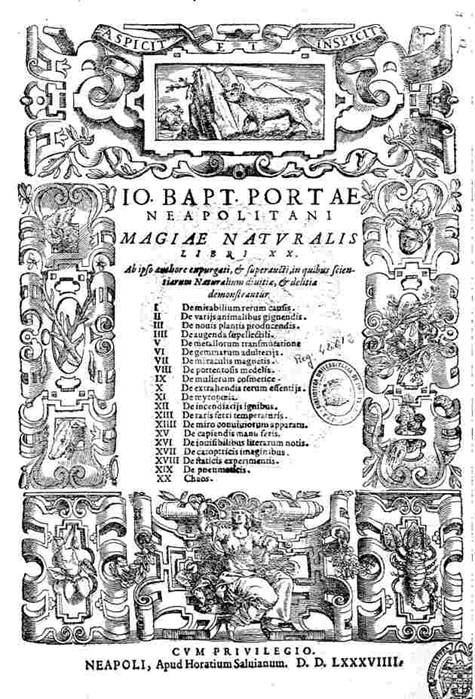
Илл.1
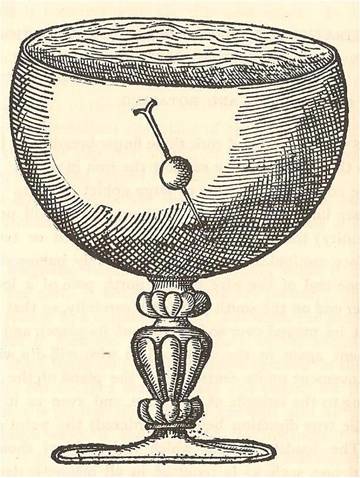
Илл.2
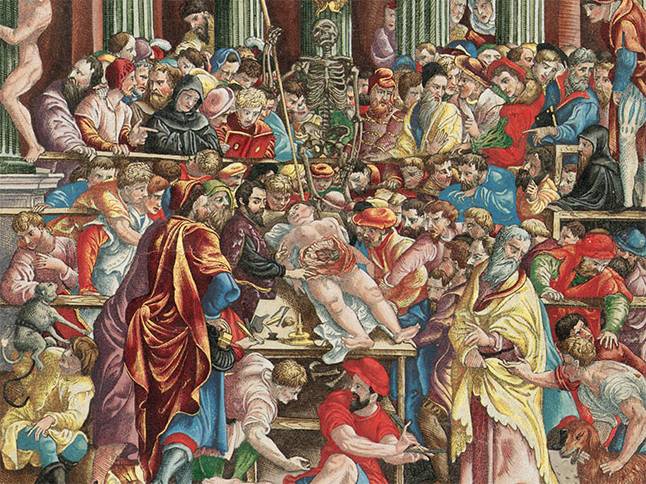
Илл.3
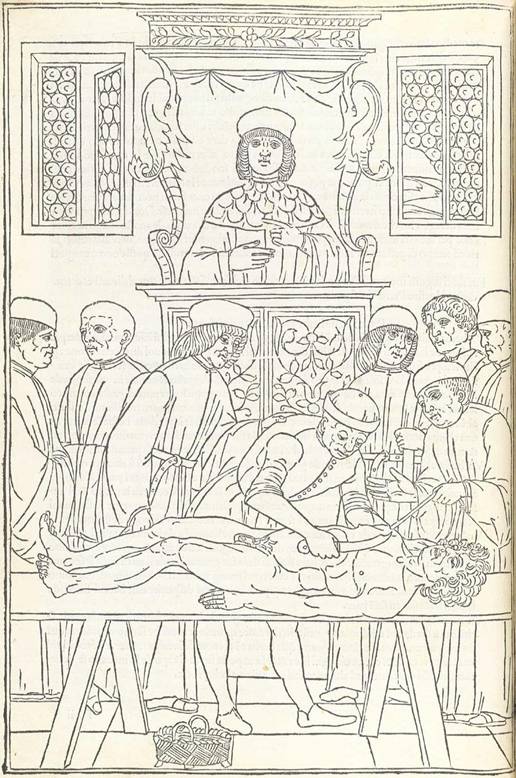 |
Илл. 4
Илл. 5
[1] Koyré A. L’apport scientifique de la Renaissance in Études d’histoire de la pensée scientifique. Paris, 1966 // Koyré A. A l’Aube de la science classique. Paris: Hermann & Cie, 1939 // Koyré A. Du monde clos à l’univers infini. Paris, 1973
[2] Randall J. H. The School of Padua and The Emergence of Modern Science. Padova, 1966
[3] Daston L., Park K. Wonders and the order of Nature. New-York, 1998
[4] Sciences de la Renaissance. Paris : J. Vrin, 1973
[5] Moran B. T. (ed.) Patronage and institutions. Science, Technology, And Medicine at the European court . The Boydell Press, 1991
[6] Eamon W. Paheau F. The Accademia Segreta of Girolamo Ruscelli. Isis, Vol. 75, No. 2 (Jun., 1984)
[7] Jones, R. F. Ancients and Moderns. A Study of the Rise of the Scientific Movement in Seventeenth-Century England. St. Louis, 1961
[8] Pelseneer J. Gilbert, Bacon, Galilée, Képler, Harvey et Descartes: Leurs relations. Isis, Vol. 17 No.1 (1932) // Duane H. Roller D. Did Bacon Know Gilbert's De Magnete? Isis, Vol. 44, No. 1/2 (Jun., 1953)// Frank R. G. Jr. Harvey and the Oxford Physiologists. Berkeley, 1980
[9] Voltaire. Lettres philosophiques in Oeuvres V. 1, P., 1834
[10] Feyerabend P. K. Classical Empiricism in Problems of Empiricism, Cambridge, 1981
[11] Rossi P. Francis Bacon. From Magic to Science. London, 1968
[12] Farrington B. Francis Bacon. Philosopher of Industrial Science. London, 1951
[13] Leary J. E. Jr. Francis Bacon and the Politics of Science. Iowa, 1994
[14] Hunter M. Science and the Shape of Orthodoxy. Woodbridge, 1995// Hunter M. & Wood P. B. Towards Solomon's House: Rival Strategies for Reforming the Early Royal Society. History of Science, Vol. 24
[15] Hoppen K. T. The Nature of the Early Royal Society: Part I. The British Journal for the History of Science, Vol. 9, No. 1 (Mar., 1976), pp. 1-24
[16] McKie D. The Origins and Foundation of the Royal Society of London. Notes and Records of the Royal Society of London, Vol. 15 (Jul., 1960)
[17] Syfret R. H. The origins of the Royal Society, Notes and Records of the Royal Society of London, Vol. 5, No. 2 (Apr., 1948)
[18] Социально-экономические корни механики Ньютона. Ленинград, 1933
[19] Hill C. William Harvey and the Idea of Monarchy. Past & Present, No. 27 (Apr., 1964)// Hill C. Intellectual Origins of the English Revolution. Oxford, 1965
[20] Shapin S., & Schaffer S. Leviathan and the Air-Pump. Princeton University Press, 1985// Shapin S. The House of Experiment in Seventeenth-Century England. Isis, Vol. 79, (Sep., 1988)
[21] Kealey T. The Economic Laws of Scientific Research. London, 1996
[22] Weber M. The Protestant Ethic and the Spirit of Capitalism. Los Angeles, 2002
[23] Merton R. K. Science, Technology and Society in Seventeenth Century England, Osiris, Vol. IV, pt. 2, pp. 360-632. Bruges: St. Catherine Press, 1938
[24] Webster C. The Great Instauration. Science, Medicine and Reform . Oxford, 2002// Webster C. Richard Towneley, the Towneley Group, and Seventeenth-Century Science. Transactions of the Historic Society of Lancashire and Cheshire,
[25] Гайденко П.П. Христианство и генезис новоевропейского естествознания. М. 1997
[26] Единственным исключением можно считать Вильяма Гильберта, магнетические исследования которого были хорошо известны в Европе с момента их публикации в 1600 году.
[27] Pelseneer J. Gilbert, Bacon, Galilée, Képler, Harvey et Descartes: Leurs relations, Isis, Vol. 17, No., pp. 171-208
[28] Beretta M. At the Source of Western Science: The Organization of Experimentalism at the Accademia del Cimento (), Notes and Records of the Royal Society of London, Vol. 54, No. 2 (May, 2000), pp. 131-151
[29] Существует также предположение, что Гарвей выбрал Фитцера потому, что у того печатался его друг Роберт Флад. Но несмотря на то, что точную мотивацию Гарвея установить сложно, не приходится сомневаться, что благодаря франкфуртской ярмарке, книги получали самое широкое распространение.
[30] «But having, during the late confusions, so disposed of his papers to secure them, that he could not himself seasonably recover them <..> he was fain to send the following treatises to the press as they came…» Boyle R. Certain physiological essays and other tracts in The Works of the Honourable Robert Boyle, printed for A. Millar, London, 1744
[31] Shapin S. & Schaffer S. Leviathan and the Air-Pump. Princeton University Press, 1985
[32] Проблема социальной физики в XVII столетии. СПб, 2006
[33] Sprat T. History of the Royal Society of London, For the Improving of Natural Knowledge. London, 1722 // Первое [правило экспериментальных философов] не предписывать себе какого-то искусства экспериментирования и не заключать в его рамки свои мысли; но оставаться свободными и менять их направление, в соответствии с различными обстоятельствами, которые приходят им в голову во время работы, и по мере изменения тел, с которыми они работают. Эта единственная вещь неотделима от истинного экспериментирования, которое никогда не должно стать постоянным и неизменным искусством, ограниченным непреложными правилами».
[34] Grmek M. Le chaudron de Médée. Institut Sunthélabo, 1997
[35] Power H. Experimental Philosophy. London: T. Roycroft, 1664
[36] Boyle R. Correspondence of Robert Boyle, Pickering & Chatto, London, Vol.1 (Hartlib to Boyle, 28 Feb. 1654,)
[37] Jones R. F. Ancients and Moderns. A Study of the Rise of the Scientific Movement in Seventeenth-Century England. St. Louis, 1961
[38] Feyerabend P. K. Classical Empiricism in Problems of Empiricism. Cambridge, 1981
[39] Hunter M. & Wood P. B. Towards Solomon's House: Rival Strategies for Reforming the Early Royal Society in History of Science, Vol. 24
[40] Судя по всему, такая эпистемология сформировалась у Гука уже к 1660-м. В своей Micrographia, 1665, он пишет: “there should be a scrupulous choice, and a strict examination, of the reality, constancy, and certainty of the Particulars that we admit: This is the first rise whereon truth is to begin, and here the most severe, and most impartial diligence, must be imployed; the storing up of all, without any regard to evidence or use, will only tend to darkness and confusion. We must not therefore esteem the riches of our Philosophical treasure by the number only, but chiefly by the weight; the most vulgar Instances are not to be neglected, but above all, the most instructive are to be entertain'd”
[41] “…mais sur les sujets de cette matière, nous ne faisons aucun fondement sur les autorités : quand nous citons les auteurs, nous citons leurs démonstrations, et non pas leurs noms... ” Réponse de Blaise Pascal au Très Bon Révérend Père Noël, fait à Paris, 29 Octobre 1647
[42] Стоит сказать, что подобная ситуация наблюдалась исключительно в Англии. Во Франции принятию теории кровообращения препятствовал медицинский факультет Сорбонны, задержавший официальное признание Гарвея вплоть до 1670-х годов.
[43] Bacon F. New Organon. Cambridge, 2000, Book I, XLIII
[44] Boyle R. New Experiments in The Works of the Honourable Robert Boyle printed for A. Millar, London, 1744
[45] Boyle R. Proemial Essay in The Works of the Honourable Robert Boyle, printed for A. Millar, London, 1744// «действительно, когда автор знакомит меня со своими мыслями и предположениями, и не обогащает свои рассуждения реальным экспериментом или наблюдением, если он ошибается в своих выводах, я буду либо введен в заблуждение, либо, по меньшей мере, потеряю свое время, не получив ничего ценного взамен такой огромной потери: но если автор старается придать своему мнению вес за счет реальных и новых экспериментов или наблюдений, дело принимает совершенно другой оборот; потому что как бы не были ложны его измышления, если его эксперименты правдивы, я не обязан следовать первым, а из последних всегда могу извлечь пользу».
[46] Паскалю, бывшему в молодости самым безупречным французским апологетом экспериментального метода, приписывают следующую формулу: «La philosophie cartésienne est le roman de la nature semblable à peu près à l’histoire de Don Quichot.»
[47] Амбициозному проекту Коменского не суждено было сбыться. Почти все его бумаги пропали в 1656 году при пожаре в городе Лешно (Лисса), во время шведско-польской войны.
[48] Социально-экономические корни механики Ньютона. Л., 1933
[49] Hunter M. Science and the Shape of Orthodoxy. Woodbridge, 1995
[50] В одном из своих эссе Бойль прямодушно благодарит Бога за то, что его социальное положение (Бойль был сыном графа коркского) позволяет ему работать с навозом «чужими руками».
[51] Bacon F. The Letters and Life of Francis Bacon, Vol. 1, J. Spedding, 1861 (Francis Bacon to Lord Burghley, 1591)
[52] Hoppen K. T. The Nature of the Early Royal Society: Part I, The British Journal for the History of Science, Vol. 9, No. 1 (Mar., 1976)
[53] Shadwell T. The Virtuoso. Lincoln and London, 1966
[54] В этой связи интересно заметить, что во Франции, где Мольер, Буало и Расин высмеивали не новую, а как раз традиционную научную парадигму, Академия Наук с момента ее основания состояла полностью на содержании государства.
[55] Abetti G. L’Accademia del Cimento in Celebrazione della Accademia del Cimento nel Tricentenario della Fondazione, Domus Galilæana. Pisa, 1958
[56] Члены Французской Академии Наук тоже первое время (официально - до 1699 года) печатались коллективно, но ни о каком бескорыстном служении обществу речи здесь идти не может. Академики были государственными служащими и, как таковые, получали жалованье.
[57] Ко времени получения второй королевской грамоты в 1663 году в обществе состояли уже 115 членов, из которых активными были лишь около дюжины.
[58] Richard Towneley (), математик и астроном, работал в тесном сотрудничестве с некоторыми членами Королевского Общества – Пауэром, Фламстедем и др. Но будучи католиком и отчаянным картезианцем, он являлся не самой удобной фигурой для Королевского Общества. См. Webster C. Richard Towneley, the Towneley Group, and Seventeenth-Century Science, Transactions of the Historic Society of Lancashire and Cheshire Thomas Sydenham (), «английский Гиппократ», был в дружеских отношениях с Бойлем и Локком, но в довольно холодных с Генри Ольденбургом.
[59] Shapin S., & Schaffer S. Leviathan and the Air-Pump. Princeton University Press, 1985
[60] Randall J. H. The School of Padua and The Emergence of Modern Science. Padova, 1966
[61] Koyré A. L’apport scientifique de la Renaissance in Études d’histoire de la pensée scientifique. Paris, 1966
[62] Роль гуманистов в подрыве авторитета древних и становлении нового знания неоспорима, но и неоднозначна. Слепое преклонение перед античностью они зачастую подменяли преклонением зрячим, благодаря чему идеалом учености становилось умение читать и толковать древних авторов, а также подражать им в стихах или прозе. См. Buck A. La polémique humaniste contre les sciences, dans Sciences de la Renaissance. Paris, 1973// Buck A. La contribution humaniste à la formation de l’esprit scientifique, dans Sciences de la Renaissance. Paris, 1973
[63] В пересказе этого анекдота я полагаюсь на Nardi B. Significato del motto «Provando e riprovando» in Celebrazione della Accademia del Cimento nel Tricentenario della Fondazione, Domus Galilæana, Pisa, 1958
[64] Более подробно об этой трансформации: Daston L., Park K. Wonders and the order of Nature. New York, 1998
[65] Panofsky E. Artist, scientist, Genius: Notes on the Renaissance-Dämmerung in The Renaissance: Six Essays by Wallace K. Ferguson and others. New York, 1962
[66] В популярном воображении, видимо, именно алхимики были главными эпистемологическими конкурентами перипатетиков. Себастьян Брант, в своем знаменитом Корабле Дураков (1494), называет алхимию надувательством, имя в виду, что она противоречит не разуму (за права которого он так красноречиво выступает), а именно Аристотелю:
“Сказал нам Аристотель вещий:
«Неизменяема суть вещи»,
Алхимик же в ученом бреде
Выводит золото из меди”
[67] Леонардо да Винчи. Избранные произведения. Academia, Москва-Ленинград, 1935
[68] Palissy, B. Discours admirable de la nature des eaux et fontaines tant naturelles qu'artificielles. Paris: Martin le Ieune, 1580 // «Я заранее заявил об этом, чтобы закрыть рот тем, кто вопрошает, как это возможно, чтобы человек мог бы знать что-то и говорить о свойствах естества, без знакомства с латинскими книгами философов? Такое положение в моем случае оправдано, потому что я на практике доказываю в нескольких местах, что теории многих философов – даже самых известных и древних – ложны <…> могу заверить тебя [читатель], что в течение немногих часов, в первый же день, ты узнаешь больше натурфилософии из вещественных фактов, содержащихся в данной книге, чем изучая теоретические суждения античных философов на протяжении пятидесяти лет.»
[69] Eamon W., Paheau F. The Accademia Segreta of Girolamo Ruscelli, Isis, Vol. 75, No. 2 (Jun., 1984)
[70] Академии деи Линчеи и о роли натуральной магии посвящены многочисленные публикации Уильма Имона, например, “Court, Academy, and Printing House: Patronage and Scientific Careers in Late Renaissance Italy” в Moran B. T. (ed.) Patronage and institutions. Science, Technology, And Medicine at the European court . The Boydell Press, 1991 или Eamon W. Science and the Secrets of Nature, Princeton University Press, 1994
[71] Rossi P. Francis Bacon. From Magic to Science. London, 1968
[72] Wilkins J. Mathematical Magic, Or The Wonders that May Be Performed by Mechanical Geometry. London, 1691
[73] На это указывает, например, Томас Кун, см. Kuhn T. The Copernican Revolution. Cambridge, 2002
[74] Hill C. Intellectual Origins of the English Revolution. Oxford, 1965
[75] Ibid.
[76] McKie D. The Origins and Foundation of the Royal Society of London, Notes and Records of the Royal Society of London, Vol. 15 (Jul., 1960), pp. 1-37
[77] В дальнейшем мы будем называть Медицинский Колледж «Королевским», хотя официально он приобрел такой статус лишь в 1674 году.
[78] Для подробного разбора вклада Диджеса см. Koyré A. Du monde clos à l’univers infini. Paris, 1973. Отцу Томаса Диджеса, Леонарду, иногда приписывают изобретение телескопа, но свидетельства в пользу этой гипотезы достаточно скудные.
[79] Moran B. T. Patronage and Institutions: Courts, Universities, and Academies in Germany; an Overview: (p.169-183) в Moran B. T. (ed.) Patronage and institutions. Science, Technology, And Medicine at the European court . The Boydell Press, 1991
[80] Paracelse. De l’Alchimie. Strasbourg, 2000 // «Чем мне может быть полезно мнение врача, который приводит суждения Серапиона, Масавия, Ар-Рази, Плиния, Диоскорида или Мацера о свойствах вербены, и утверждает, что она полезна в том или ином случае, не умея, в то же время, проверить того, что говорит. Как об этом судить? Знаю, что если ты справедливый судья, ты сочтешь, что лучше уметь подтвердить эти свойства опытом».
[81] Norman R. The Newe Attractive. London, 1720// «Возможно, вы и усомнитесь в успехе. Тем не менее, опыт показывает, что во всех вещах, где важен разум и истина, разум вынужден отступить, если истина на лицо.»
[82] Ash H. E. Power, Knowledge and Expertise in Elizabethan England. Baltimore, 2004
[83] Webster C. The Great Instauration. Science, Medicine and Reform . Oxford, 2002
[84] Wright E. Address to William Gilbert in Gilbert W. De magnete. London, 1958
[85] О елизаветинской цензуре упоминает, в частности, Кристофер Хилл. Hill C. Intellectual Origins of the English Revolution. Oxford, 1965
[86] Gilbert W. De magnete. London, 1958
[87] Gribbin J. The Fellowship. Woodstock & New York, 2007
[88] Интересно, что даже его эпитафия содержала отдельное упоминание того, что, «he composed a book celebrated among foreigners».
[89] Galilei G. Dialogo sopra i due massimi sistemi del mondo. Milano, 2008 // Долгова, 1948
[90] Jones, Richard Foster, ‘Ancients and Moderns. A Study of the Rise of the Scientific Movement in Seventeenth-Century England’, Washington University Studies, St. Louis, 1961
[91] Norman R. The Newe Attractive. London, 1720 // «выгода для моих соплеменников, которым я желаю постоянного увеличения знаний и сноровки».
[92] Проблема социальной физики в XVII столетии. СПб. 2006
[93] Wren S. Parentalia or Memoirs of the family of the Wrens. London, 1750
[94] Полная библиография Бэкона содержится в Gibson R. W. Francis Bacon, A Bibliography of His Works and of Baconiana to the year 1750. Oxford, 1950. Согласно Гибсону, до 1650 года Essays вышли в более, чем сорока изданиях на шести языках. Для сравнения, Novum Organum к этому же времени вышел всего в трех латинских изданиях.

|
Из за большого объема этот материал размещен на нескольких страницах:
1 2 3 4 5 6 7 8 9 10 |
