


Партнерка на США и Канаду по недвижимости, выплаты в крипто
- 30% recurring commission
- Выплаты в USDT
- Вывод каждую неделю
- Комиссия до 5 лет за каждого referral
Elementary students may find introducing themselves and others intimidating. Help students to navigate these situations by highlighting key phrases such as those in the Useful language box (see Course Book page 12). Drill pronunciation and intonation and give students plenty of opportunity to use the language with short role-plays. Imagine what you would feel like if you were in a strange city meeting business contacts for the first time, using an unfamiliar language. A few well-practised phrases may help to give enough confidence to make that first impression count.
• anecdotal saying.
Hello, …/ Hi, …
Good morning/ afternoon/ evening.
Good/ Nice to see you again.
I’m glad/ happy/ pleased to see you.
How are you? - Fine, thanks. And you?
How have you been? - Very well. And you?
How are things? - Not too bad, thanks.
How is your girlfriend? - She’s fine.
Introductions
Introducing oneself
Can/ May I introduce myself? My name’s Peter.
Let me introduce myself. My name’s … .
I’d like to introduce myself. I’m … .
I don’t think we’ve met. I’m … .
Introducing someone else
Can/ May I introduce a good friend of mine? This is … .
Have you met … ?
I’d like you to meet … .
I want you to meet … .
Making contact
Excuse me, are you Mrs … ? - Yes, that’s right.
Hello, you must be Mrs … .
You are Mr …, aren’t you?
Have we met?
How do you do? - How do you do?
Nice to meet you. - Nice to meet you, too.
Please, call me … . - Then you must call me … .
Good-byes
Good bye/ Bye/ I’ll say good bye/ See you later/ See you soon.
I must go now.
Formal Greetings /Informal Greetings /Very Informal/Slang
Good morning! Hello! / Hi! Hi!
Good afternoon!
Good evening!
How are you? How are things going? How's life?
How do you do? How are you doing? How're things?
How is everything? How's it going?
How have you been? What's happening?
What have you been up to? What's happening with you?
What's new? What's new with you? What's up?
What'cha been up to lately?
Formal Greetings and Formal Responses [These are used in polite, official occasions, with
strangers. You may respond with the same or similar greetings.]
A: Good morning! B: Good morning!
A: Good afternoon! B: Good afternoon!
A: Good evening! B: Good evening!
A: How are you? B: Very well, thank you.
Informal Greetings and Informal Responses [For everyday occasions, with friends and
acquaintances. These are simple and friendly.]
A: Hello! B: Hello!
A: How're you doing? B: Fine, thanks.
A: Hi! B: Hi!
A: How's school? B: Fine, thanks. / Great, thanks.
A: Hi! B: Hi!
A: It's good to see you! B: Good to see you, too!
Very Informal/Slang Greetings and Some Possible Responses [You may hear these
used in very informal occasions, with close friends. Not recommended for your use!]
A: How're things? B: Good!.
A: How's it goin'? B: Not bad. / Good. / OK. How about you?
A: What's up? B: Nothing much. / Not much.
A: How ya doing? B: Great! / Good.
PRECLOSINGS
Formal Pre-Closings /Informal Pre-Closings
Thank you for your time. Well, thanks for your time!
It's been a pleasure. [visit] I'm so glad we got to visit.
I'm so sorry -- I must go now. I'm afraid it's getting late!
Well, I'm afraid I have to go now.
Well, it was very nice to see you today!
Well, I guess that I should be going now.
Well, it's getting late-- I'd better get going.
Very Informal/Slang Pre-Closings
Hey, I gotta get going now!
Oh-oh! I gotta go!
Wow! Time for class!
Sorry! Gotta go! It's dinner time!
CLOSINGS
Formal Closings/ Informal Closings /Very Informal/Slang
e! / Bye now! Bye for now! See ya.
Farwell I'll be seeing you!
I'll see you around.
I'll see you later. See ya later!
I'll talk to you later. Talk to ya later!
I'll catch you later! Catcha later!
So long. Have a good one!
Have a nice day! [evening, etc.]
Complete the following conversations with the most appropriate words or phrases.
A M = Martin, J = Jacqueline
M Excuse me, ____________ Jacqueline Turner?
J Yes, that’s ____________.
M May I ____________ myself? I’m Martin Young. How do you do?
J ____________, Mr Young.
b C = Chris, F = Frank
C Hello, Chris Evans. Mind if I join you?
F Oh, ____________ not. Frank Richards.
C ____________ to meet you, Frank. So how are you finding the conference so far?
F Actually, I’ve only arrived this morning.
C All right. I …
c L = Lin, D = Dan, P = Peter
L Dan! Good to see you again. ____________ are things?
D Hello, Lin. Fine, thanks. Pretty busy, as always, I suppose. Can I introduce you to a colleague of
____________, Peter Winston? Peter, this is Lin Farrell.
P Nice to meet you, Ms Farrell.
L Nice to meet you, too. ____________, call me Lin.
P Then you ____________ call me Peter.
.
Describing people Intellectual abilityAbility: intelligent, bright, clever, smart, shrewd, able, gifted, talented, brainy.
Lacking ability: stupid, foolish, half-witted, simple, silly, brainless, daft, dumb.
Attitudes towards lifeLooking on either the bright or the black side of the things: optimistic, pessimistic.
Outward looking or inward looking: extroverted, introverted.
Calm or not calm with regard to attitude to life: relaxed, tense.
Practical, not dreamy in approach to life: sensible, down-to-earth.
Feeling things very intensely: sensitive.
Attitudes towards other peopleEnjoying others' company: sociable, gregarious.
Disagreeing with others: quarrelsome, argumentative.
Taking pleasure in others' pain: cruel, sadistic.
Relaxed in attitude to self and others: easy-going, even-tempered.
Not polite to others: impolite, rude, ill-mannered, discourteous.
Telling the truth to others: honest, trustworthy, reliable, sincere.
Unhappy if others have what one does not have oneself: jealous, envious.
Look at the list of qualities below. Which, in your opinion, are the most important ones needed to be a good teacher? Listen to the tape and tick (v) the ones which are mentioned.
A good teacher should:
speak clearly establish a friendly relationship with students have a lot of confidence in front of large groups understand students' individual needs encourage students to be creative keep tight control of a group of students give students a lot of praise and support attend refresher courses regularly spend time preparing lessons thoroughly punish students who don't work hard enoughWhich qualities do you think a good teacher should have? Write sentences as in the example.
e. g. I strongly believe that a good teacher should be able to understand students’ individual needs.
Reading
An interesting man
Before you read
Choose the correct words in italics to make true sentences.
If you have patience, you can / can't wait for something to happen. Hobbies are things which you do in your free / work time. Treasures are things which are very new / valuable.People: Man of many modes
Sandy Flockhart works for the bank, HSBC. HSBC is the world's third-largest bank.
This week, he finishes his job in Latin America and returns to Hong Kong. In his new job, he is responsible for a large share of theHSBC banking business. Mr Flockhart speaks fluent Spanish and gives interviews and press conferences in Spanish and English. Mr Flockhart is from Scotland and is 55 years old. He is married. He and his wife have four children. He has a lot of hobbies that need patience, and this is a quality which helps him in his job with HSBC. He enjoys classic cars, fishing and golf and he is interested in Mexicantreasures.
1 Decide whether these sentences about Mr Flockhart are true or false.
He works for a bank. He is responsible for a small part of the HSBC business. He speaks fluent French. He is English. He is married. He has no children. He has several hobbies.h) He needs patience in his job. i) He likes Mexican treasures.
2 Use these prompts to make questions about Mr Flockhart.
What/responsible for? What 16 hc - reSpOnelbk for? Where / from? How old? married? What / interested in?Over to you
Talk about someone you know, saying:
- who they are how old they are what they do if they are married what they like and don't like what hobbies they have.
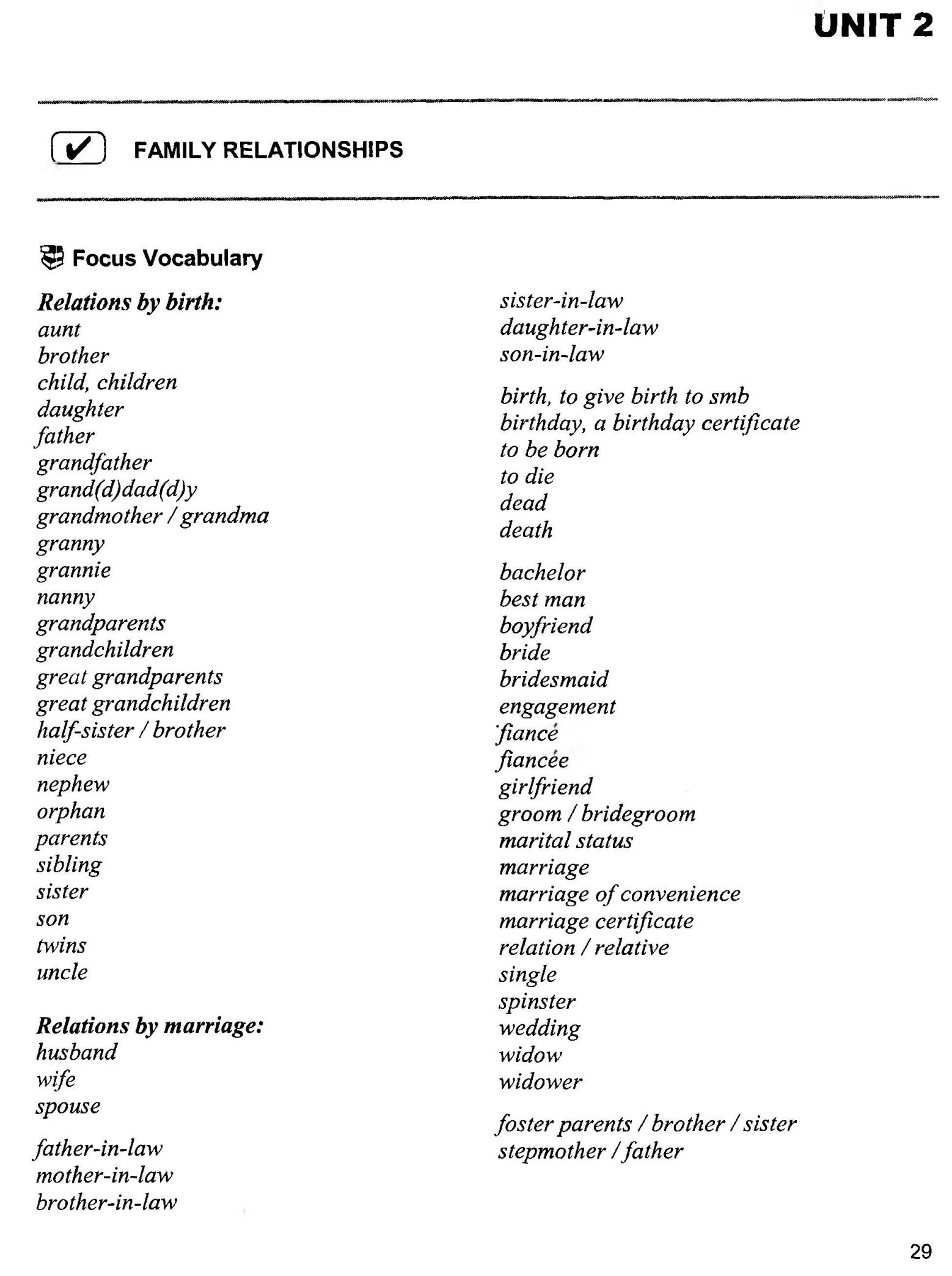
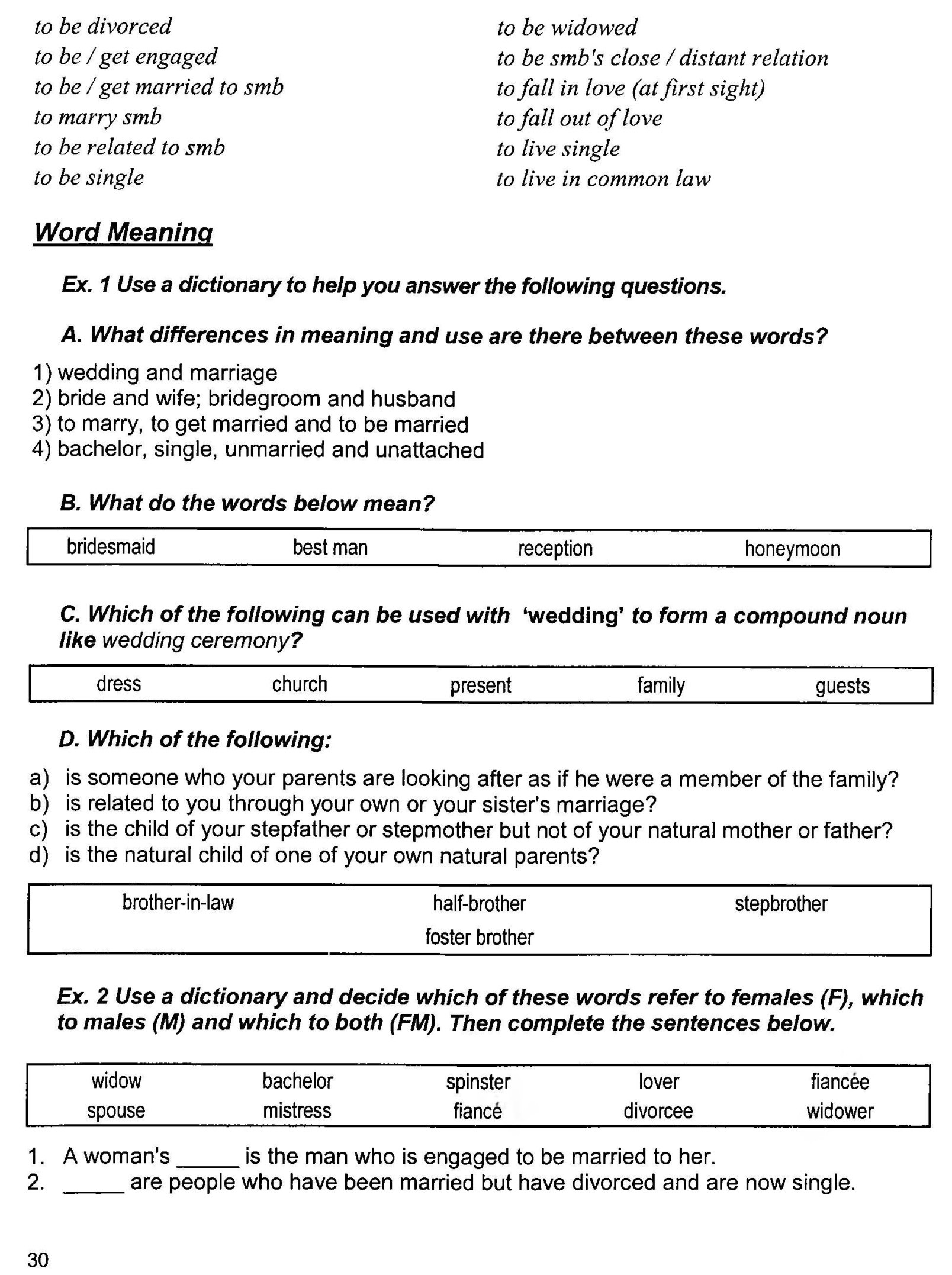
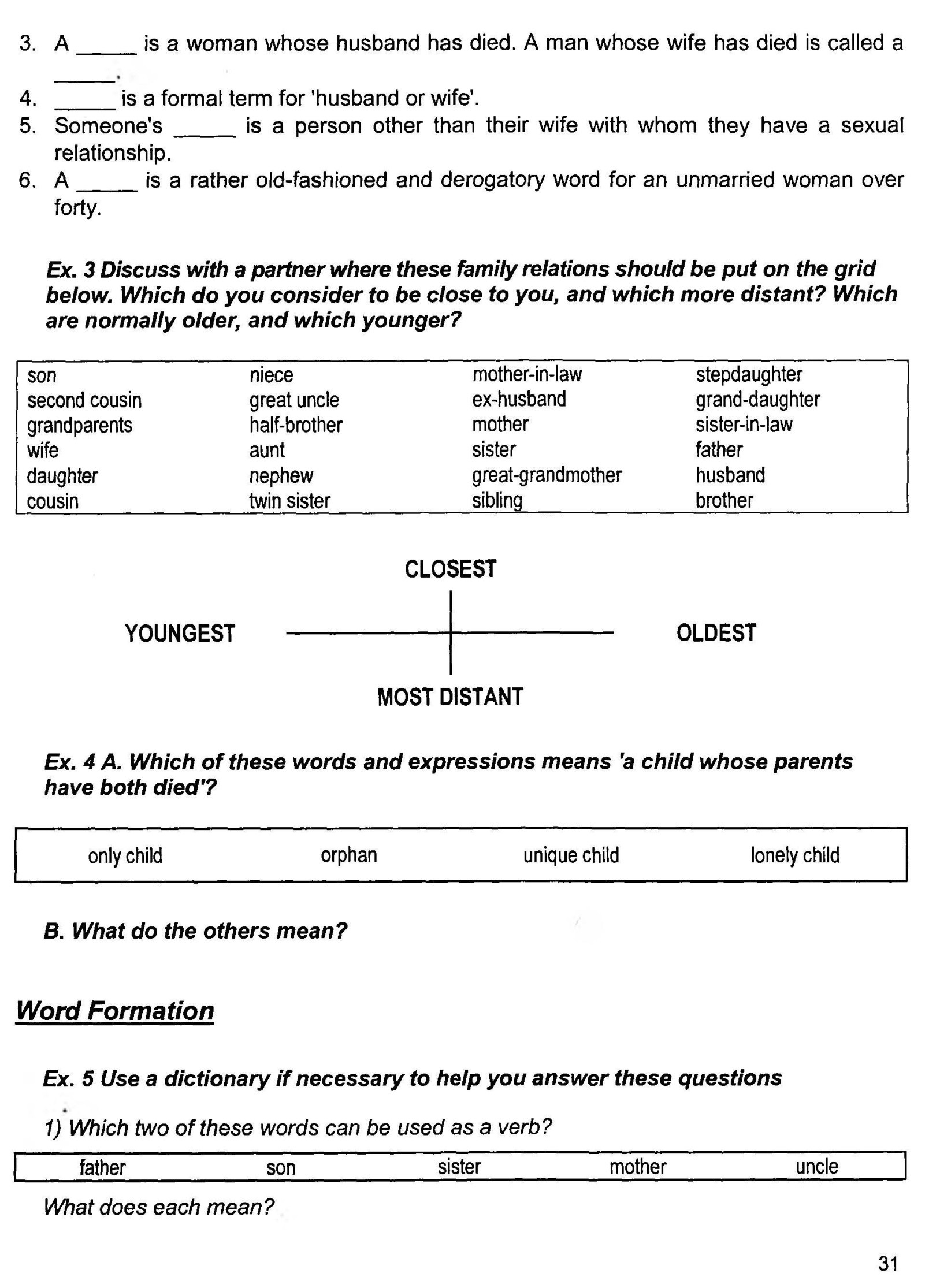
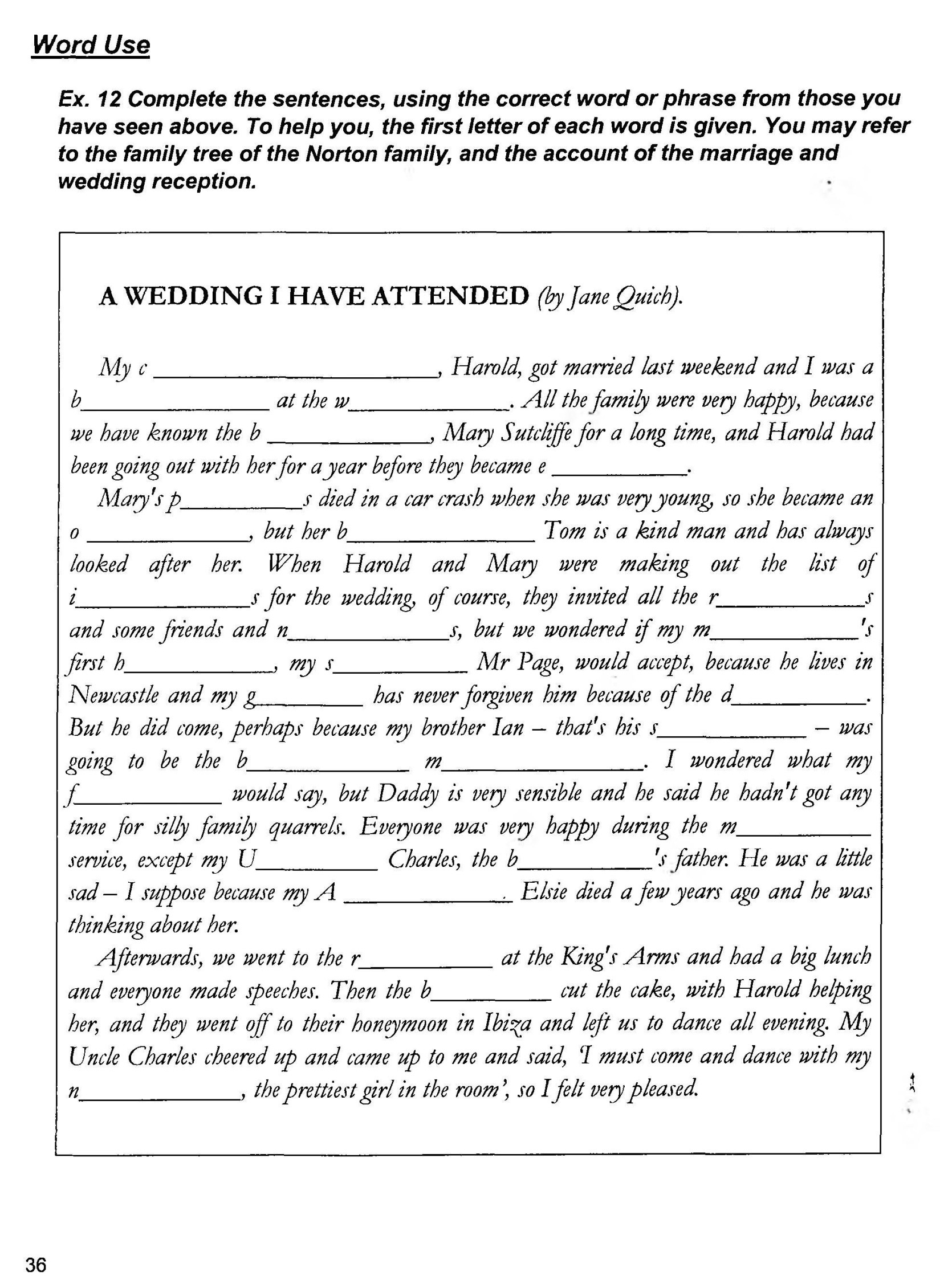
The verb be has the following forms:
Present simple: | Affirmative | I am | We are |
Question form: | Am I? | Are we? | |
Negative: | I am not/ I’m not | We are not/aren’t | |
Past simple | I was | We were | |
The past participle: | been. | ||
Present perfect: | has/have been | ||
Past perfect: | had been |
Значение глагола to be - "быть, находиться". В отличие от других английских глаголов, глагол to be спрягается (т. е. изменяется по лицам и числам).

|
Из за большого объема этот материал размещен на нескольких страницах:
1 2 3 4 5 6 7 8 9 10 11 12 13 14 15 16 17 18 19 20 21 22 23 24 25 26 27 28 29 30 31 32 33 34 35 36 37 38 39 40 41 |
